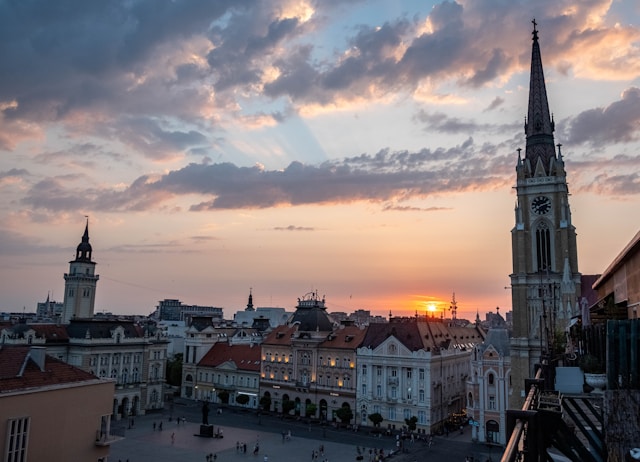
City view of Novi Sad, Serbia

Novi Sad

Novi Sad frames the Danube with an easy confidence, pausing at Petrovaradin Fortress where tunnels, jazz, and festival routes cross beneath old stone. Zmaj Jovina street reads like a bookshelf left open; cafes edit the day with strudel and wine from Fruska Gora monasteries that also keep bees and recipes. Galleries favor witty installations, and cyclists claim the embankment as a daily ritual. The synagogue hosts chamber music with acoustics that surprise first-timers, while the Matica Srpska Museum explains how manuscripts and portraits steered a culture. Lunch might be fish stew or flaky pogaca, and debates about paprika heat levels can last longer than dessert. A lesser-known treat waits in the clock tower: its minute and hour hands are reversed, a river pilot’s solution for readability from below. Novi Sad’s trick is proportion, giving you space to listen, taste, and reconsider, then sending you back along the water a little lighter.

Top attractions & things to do in Novi Sad

If you’re searching for the best things to do in Novi Sad, this guide brings together the top attractions and must-see places to visit in Novi Sad. The top picks below highlight the most visited sights for first-time visitors, plus a few local favorites worth adding.

Danube Park in Novi Sad, Serbia

Danube Park

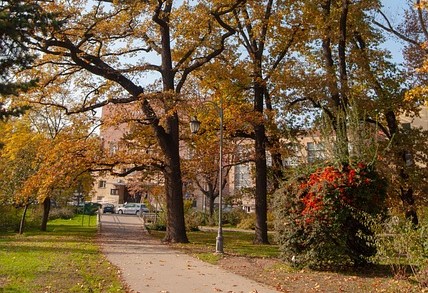
Swans skim the pond and an island of reeds muffles city noise to a soft, considerate hush. Laid out in the 19th century as Novi Sad grew into a cultural center, the park keeps a measured geometry of paths and benches that encourages conversation. Botanists catalogued species here long before smartphone apps, turning promenades into informal lessons in horticulture. The small pavilion has hosted lectures and orchestras, and sculptures nod to poets whose lines still circulate locally. During harsh winters, ice once carried skaters and the pond turned into a seasonal ballroom, a tradition documented in early photographs. Spring returns magnolias that reliably stop pedestrians mid-sentence, and children learn directions by the ducks. The park’s trick is proportion: nothing overwhelms, everything invites, and the Danube breeze edits the day with light hands.
Ads place
Ads place
Ads place
Ads place
Ads place
Dunavska Street in Novi Sad, Serbia

Dunavska Street

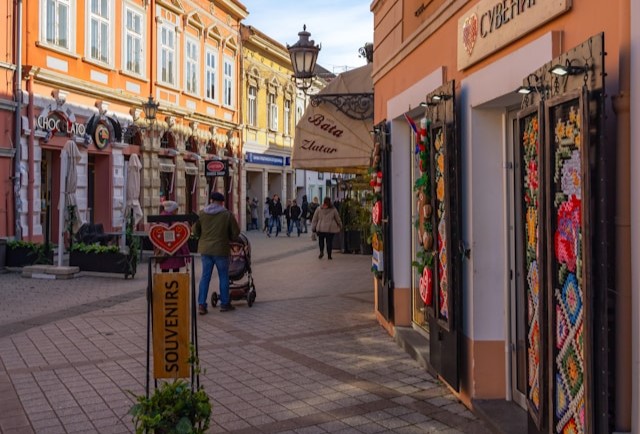
Shaded courtyards open behind low houses, and shop windows turn the street into a leisurely exhibition. Dunavska evolved as a commercial ribbon between the center and the river, shaped by 18th century rebuilding after frontier wars between Habsburg and Ottoman forces. Pastel fronts carry Secession flourishes, ironwork signs recall a time when symbols sold wares to travelers who spoke many languages. Bookshops and galleries now share space with ice cream and antiques, a coexistence that matches the city’s temperament. Plaques remember writers and teachers who made Novi Sad a print capital, while courtyards host summer readings that drift into the alley air. Even on busy days, the street keeps a conversational pace, never rushing the passerby it means to charm. Walk toward the park and the Danube breeze joins you, gentle proof that commerce and promenade can be old friends.
Ads place
Ads place
Ads place
Ads place
Ads place
Ads place
Ads place
Ads place
Ads place
Ads place
Liberty Square in Novi Sad, Serbia

Liberty Square

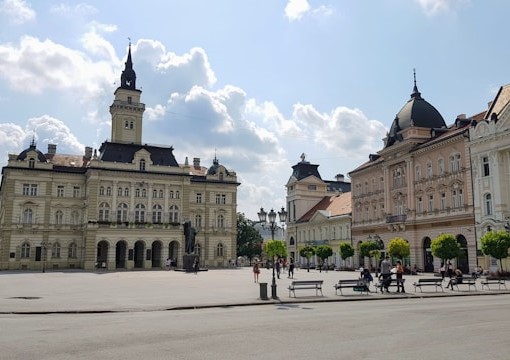
Trams no longer cross the paving, but footsteps still arrange the day around facades that read like a primer in central European optimism. At the center stands the statue of Svetozar Miletic, a 19th century mayor and advocate of civic rights, cast in 1939 by Ivan Mestrovic. The square gathers institutions that framed identity: the City Hall with its neat neo-Renaissance line and, opposite, the Catholic church whose spire completes the skyline. During 1848 the region wrestled with revolution and the square learned to host argument as well as celebration, a habit that survived regimes and redesigns. Markets, rallies, and concerts rotate like seasons while cafes act as punctuation marks. At sunset, the stone warms and shadows lengthen under arcades, inviting you to linger and watch how people narrate the city simply by crossing it. Here, Novi Sad practices public life with clarity and ease.
Ads place
Ads place
Ads place
Ads place
Ads place
Museum of Vojvodina in Novi Sad, Serbia

Museum of Vojvodina

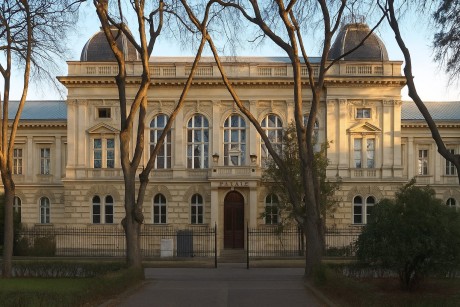
Galleries lead from prehistory to modernity with the steady confidence of a well-ordered archive. The museum’s roots reach into the 19th century, when collectors and scholars tied regional identity to careful display. Exhibits move from the Roman frontier to medieval guilds, then into the mixed cultures of the Habsburg period and beyond. Highlights include golden helmets from the 4th century and folk costumes that translate fields into fabric. Curators favor context over clutter, letting objects carry stories without shouting. The building, with its restrained classicism, stabilizes the narrative and makes space for school groups that treat the past as a friend to visit. Temporary shows address recent decades with candor, ensuring history remains a conversation rather than a relic. You exit with the sense that Vojvodina is less a province than a practiced coexistence.
Ads place
Ads place
Ads place
Ads place
Ads place
Name of Mary Church in Novi Sad, Serbia

Name of Mary Church

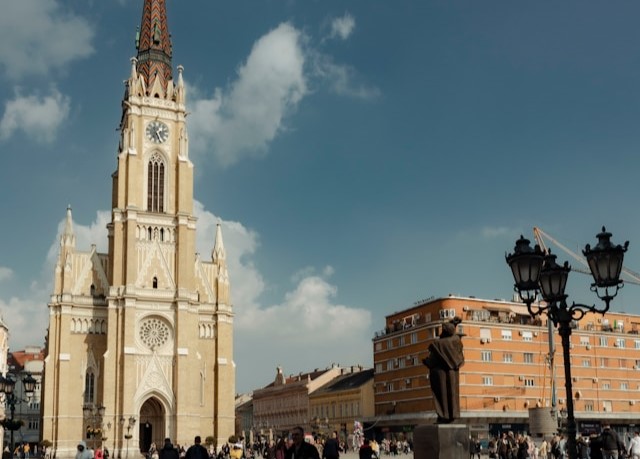
A tall spire lifts from Liberty Square and stained glass gathers afternoon light into jeweled panels on the pews. Built at the end of the 19th century, the church speaks in a confident neo-Gothic voice that harmonizes with the civic pride of the era. Its tiled roof repeats geometric rhythms beloved in Central Europe, while the interior fresco program nods to Marian devotion with measured elegance. War damage in the 20th century demanded careful restoration, and craftsmen returned the organ and altars to their ceremonial balance. Bells mark the hour across shops and tram stops, stitching sacred time to the square’s practical tempo. Weddings fill the steps with flowers, tourists angle cameras toward pinnacles, and locals pass with habitual affection. The church’s lesson is scale handled kindly: grandeur without threat, symbolism without excess, a lighthouse for the city's daily tide.
Ads place
Ads place
Ads place
Ads place
Ads place
Petrovaradin Fortress in Novi Sad, Serbia

Petrovaradin Fortress

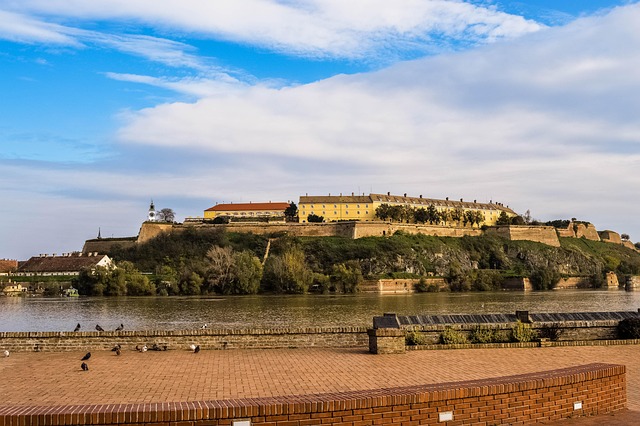
Clifftop walls lean over the Danube and the city spreads beneath them like a map, while the clock tower keeps its famously late minute hand. Beneath the cobbles, galleries of tunnels were carved in the 18th century, a defensive maze perfected by Habsburg engineers after campaigns against the Ottoman Empire. Cannon once guarded the approach where the crucial year 1716 echoes with victory at nearby Petrovaradin. In time, barracks gave way to studios and the ramparts began hosting EXIT Festival, turning bastions into a stage for contemporary sound. The clock itself plays a curious trick: the big hand marks hours so river sailors could read time from afar, a small but enduring engineering quirk. Cafes now occupy casemates and lanterns trace the parapets at dusk, letting visitors walk history without ceremony. From the top, bridges thread the water and Novi Sad looks resolute yet relaxed, a temperament the fortress learned to keep.
Ads place
Ads place
Ads place
Ads place
Ads place
Serbian National Theatre in Novi Sad, Serbia

Serbian National Theatre

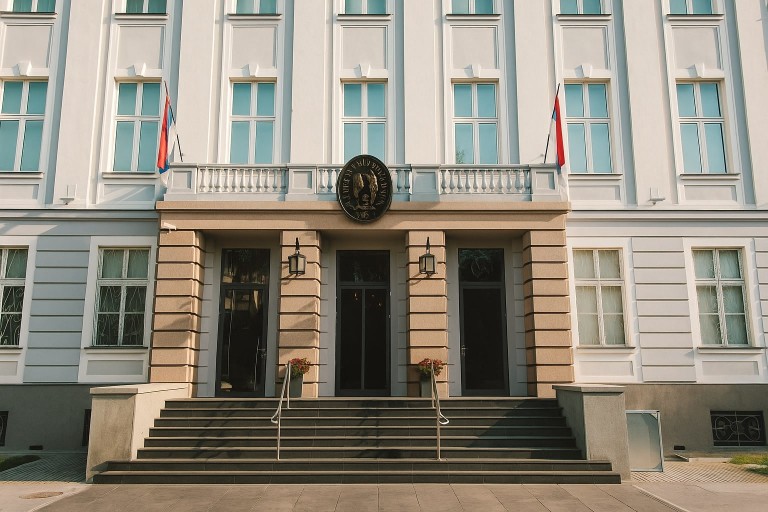
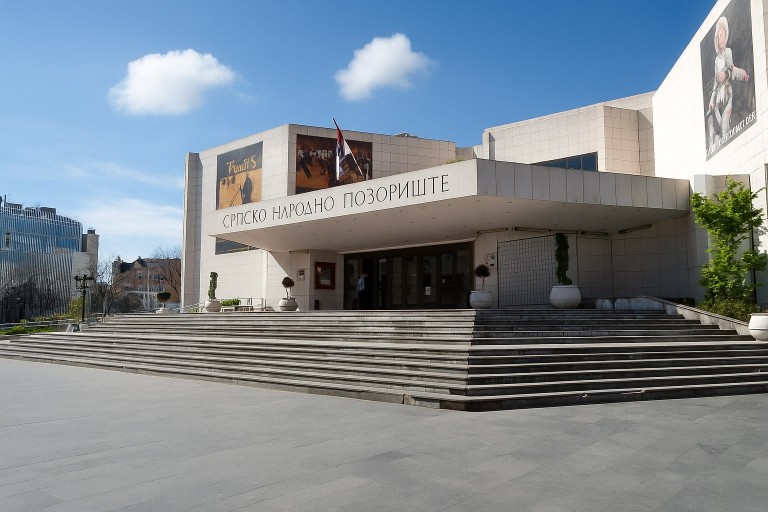
Behind a modernist facade lies a repertory machine that keeps opera, drama, and ballet in reliable rotation. The company’s history reaches to the 19th century when professional stages helped define a public voice, and today premieres share the calendar with classics by Jovan Sterija Popovic and global repertory. The current building, opened in the 1980s, uses broad foyers and generous stairs to make gathering feel celebratory before the curtain even rises. Directors explore modern staging without abandoning text, and the pit orchestra threads evenings together with disciplined warmth. Plaques salute actors whose names once drew queues around the block, a lineage that keeps ambition honest. Audiences exit into the square speaking softly, as if guarding the last line until morning.
Ads place
Ads place
Ads place
Ads place
Ads place
Strand Beach in Novi Sad, Serbia

Strand Beach

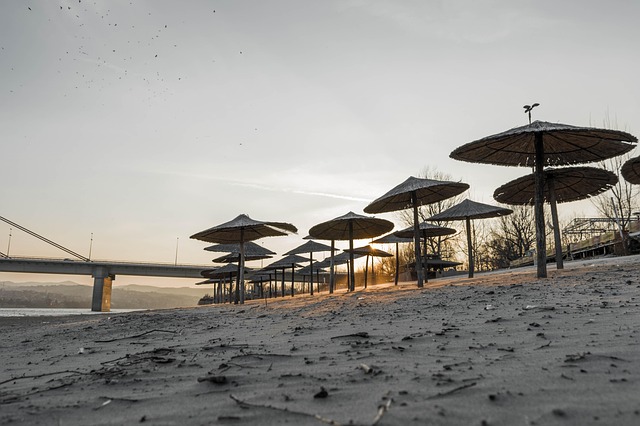
Sandy curves along the river give the city a summer heartbeat, and wooden piers mark familiar swimming routes. The Strand was formalized in the 1910s, when planners embraced the Danube as a democratic playground, later expanding facilities in the 1930s. Lifeguard towers and changing cabins recall a century of civic investment, while pontoon bars add a seasonal gloss. In the evening, volleyball lines are redrawn by footprints and the water cools with the first shade from the bridge. The crowd mixes families and students from the University of Novi Sad, a social blend that feels like the city's signature. Old postcards show striped bathing suits and umbrellas, cheerful proof that nostalgia likes the shoreline. Today the same sand hosts concerts and festivals, yet the ritual remains simple: swim, rest, talk, repeat, while barges move like punctuation across the horizon.
Ads place
Ads place
Ads place
Ads place
Ads place
Zmaj Jovina Street in Novi Sad, Serbia

Zmaj Jovina Street

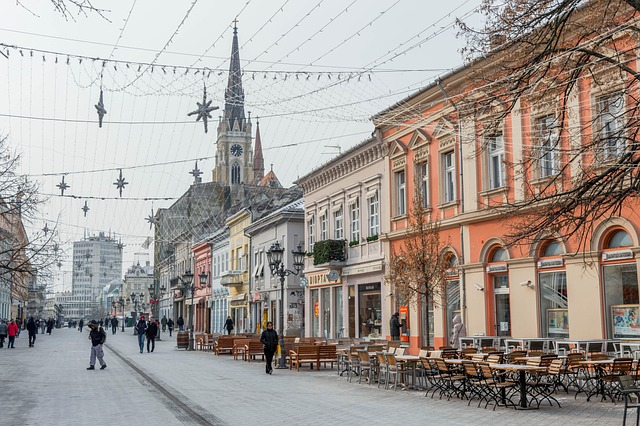
Arcades frame a promenade where bakeries, florists, and churches share the same polite rhythm. Named for poet Jovan Jovanovic Zmaj, the boulevard threads from Liberty Square toward the bishop’s residence, balancing trade with quiet courtyards. Many facades date to the 19th century, with classicist restraint accented by later Secession details. Street musicians set a soundtrack for errands, and in Advent the lights rehearse a modest theater of glow and shadow. Historical markers mention bombardments and repairs during the 20th century, reminders that resilience can be architectural as well as moral. Cafes spill into the center line without breaking the flow, and shopkeepers recognize regulars by stride before face. The street ends almost without ending, handing you gently toward parks and schools, which is precisely its charm: a sentence that refuses a hard stop.
Ads place
Ads place
Ads place
Ads place
Ads place