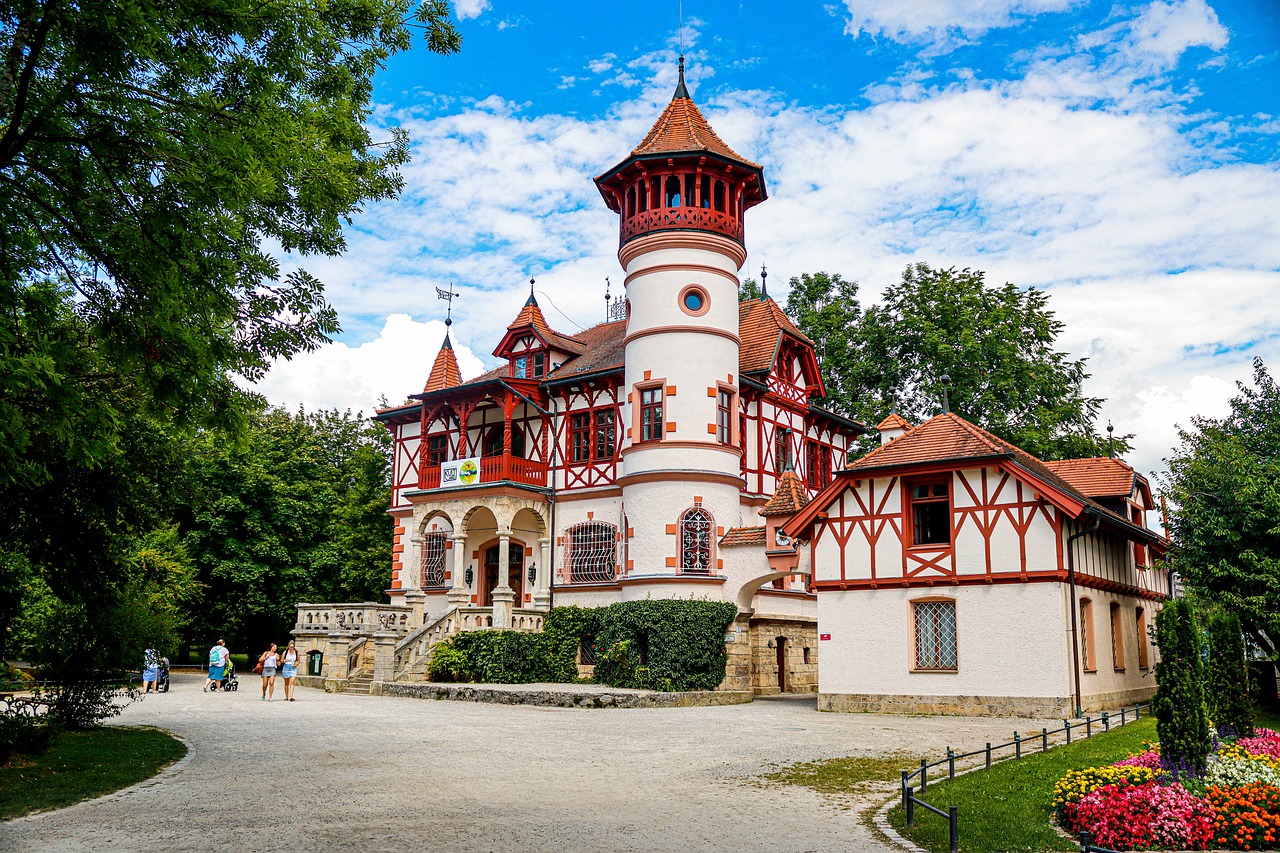

City view of Oldenburg, Germany

Oldenburg

Oldenburg, in Lower Saxony, is a city that combines a rich history with modern living. The Oldenburg Castle, now a museum, reflects the city's royal past. The pedestrian-friendly city center features boutiques, cafes, and vibrant markets. The Schlossplatz serves as a focal point for events and gatherings. Oldenburg is also known for its cultural scene, with theaters, galleries, and the annual Kultursommer festival attracting visitors. The city's university adds a youthful energy, creating a dynamic blend of tradition and innovation. Oldenburg's lush parks and gardens provide spaces for relaxation and recreation.

Top attractions & things to do in Oldenburg

If you’re searching for the best things to do in Oldenburg, this guide brings together the top attractions and must-see places to visit in Oldenburg. The top picks below highlight the most visited sights for first-time visitors, plus a few local favorites worth adding.

Eversten Holz in Oldenburg, Germany

Eversten Holz

Eversten Holz, a 200-hectare ancient woodland, has been a protected green space since 1297. Its Dwarf Oak Trail passes 400-year-old trees scarred by Napoleonic campfires, while the Witches' Circle (a ring of 13 beech trees) sparks local folklore. The park's Biotope Pond shelters endangered fire-bellied toads, and the Forest School teaches sustainable forestry. Cyclists navigate 15 km of trails, including the Hunte River Path leading to botanical gardens. Winter transforms the Meadow of Lights into an open-air ice rink. The Woodpecker Tower observation deck offers sightings of middle-spotted woodpeckers and migrating cranes. At dusk, LED-lit "Fairy Trees" create an enchanted ambiance. A living lung for the city, blending ecology and recreation.
Ads place
Ads place
Ads place
Ads place
Ads place
Oldenburg Castle in Oldenburg, Germany

Oldenburg Castle

Oldenburg Castle (Schloss Oldenburg), a Renaissance-Baroque hybrid built in 1607, served as the seat of the Grand Dukes of Oldenburg until 1918. The castle's State Museum displays 40,000 artifacts, including Peter Friedrich Ludwig's crown jewels and Expressionist works from the Brücke artists. The Knights' Hall (1615) features coffered ceilings with gold-leaf rosettes, while the Castle Gardens blend formal French parterres with English landscape design. Don't miss the Ducal Porcelain Collection showcasing 18th-century Meissen tableware. The Haunted Tower, part of the original 12th-century fortifications, hosts immersive theater performances. Summer concerts on the Schlosshof terrace feature Brahms and local folk music. The museum's digital guide overlays AR reconstructions of 17th-century court life. A cultural anchor, the castle bridges Oldenburg's regal past with dynamic modernity.
Ads place
Ads place
Ads place
Ads place
Ads place
Prinzenpalais in Oldenburg, Germany

Prinzenpalais

The Prinzenpalais, an 18th-century Baroque gem, was built in 1765 as a summer residence for Duke Peter Friedrich Ludwig. Its Mirror Hall, adorned with Venetian glass and stucco cherubs, hosted Mozart in 1790. Now the City Museum, it showcases Oldenburg's evolution through 30,000 objects, including a Bronze Age sword hoard and Nazi resistance documents. The Princely Apartments feature original Biedermeier furniture and a secret door leading to the ducal wine cellar. The Garden Pavilion (1789) exhibits 19th-century landscapes by Theodor von Kobbe. Interactive kiosks decode the palace's Masonic symbols hidden in floor mosaics. The Orangery grows century-old camellias using 1820s horticultural methods. A fusion of aristocratic luxury and civic memory.
Ads place
Ads place
Ads place
Ads place
Ads place
Schlossgarten Oldenburg in Oldenburg, Germany

Schlossgarten Oldenburg

Schlossgarten Oldenburg, designed in 1785 as a sentimental landscape, features 18th-century follies like the Temple of Friendship and a faux-medieval ruin. The Herbaceous Border blooms with 500 perennial varieties from Duchess Elisabeth's original plant lists. The Ducal Rose Garden nurtures 19th-century hybrids like the crimson "Oldenburg Glory". The Linden Allee, planted in 1810, frames sunset views of the castle's Haunted Tower. Summer brings Shakespeare plays to the Open-Air Stage, while autumn's Pumpkin Festival displays 3,000 gourds. The Bee Education Center maintains 12 hives producing "Palace Honey." Don't miss the Moon Gate, a Chinese-inspired portal added during 19th-century Orientalism trends. A horticultural time capsule.
Ads place
Ads place
Ads place
Ads place
Ads place
State Museum for Art and Cultural History in Oldenburg, Germany

State Museum for Art and Cultural History

The State Museum for Art and Cultural History, housed in a neo-Classical palace (1819), chronicles Oldenburg's artistic journey from medieval reliquaries to Nordic Expressionism. The Duckstein Collection features 15th-century altarpieces from suppressed monasteries, while the Modern Wing highlights Bernhard Winter's oil paintings documenting rural life. The Applied Arts Gallery displays 500 years of craftsmanship, including a 1572 astrolabe and Art Nouveau jewelry. Temporary exhibits like 2023's "Radical Women: 1900–1930" explore gender in Weimar-era art. The Children's Workshop teaches porcelain painting using 18th-century techniques. Don't miss the Gothic Cloister reconstruction with original carvings from Rastede Abbey. The museum's Research Library holds 50,000 volumes, including Goethe's first editions. A treasure trove for art historians and casual visitors alike.
Ads place
Ads place
Ads place
Ads place
Ads place