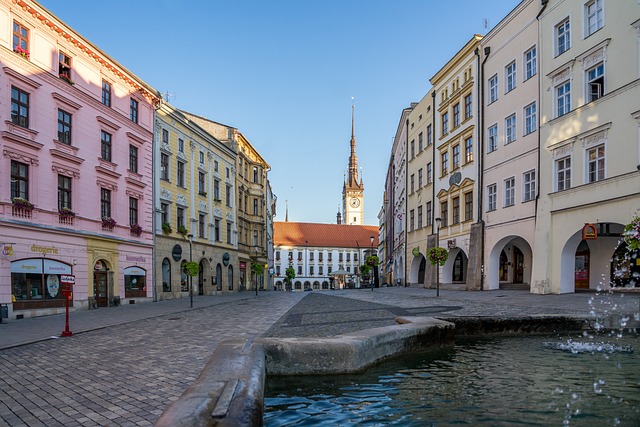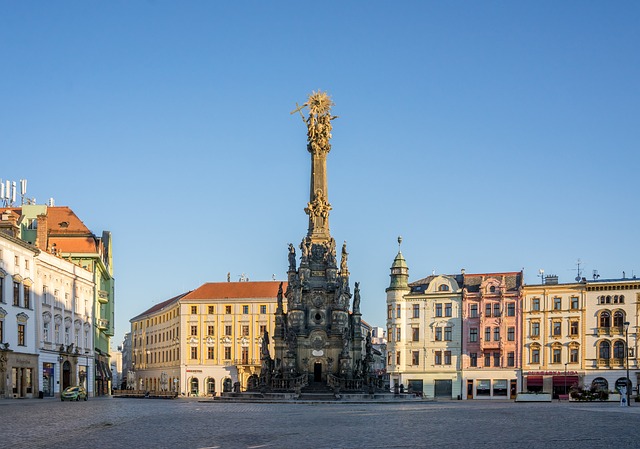
City view of Olomouc, Czech Republic

Olomouc

Olomouc, a hidden gem in the Czech Republic, is a city known for its stunning baroque architecture, historical landmarks, and rich cultural heritage. Located in the heart of Moravia, Olomouc is home to one of the oldest universities in Central Europe, giving the city a lively, youthful vibe. Its Old Town is filled with charming streets, churches, and the famous Holy Trinity Column, a UNESCO World Heritage site. The city is also known for its vibrant festivals, cultural events, and excellent museums. Olomouc offers a quieter alternative to Prague, yet is equally fascinating with its own unique charm.

Top attractions & things to do in Olomouc

If you’re searching for the best things to do in Olomouc, this guide brings together the top attractions and must-see places to visit in Olomouc. The top picks below highlight the most visited sights for first-time visitors, plus a few local favorites worth adding.

Astronomical Clock in Olomouc, Czech Republic

Astronomical Clock

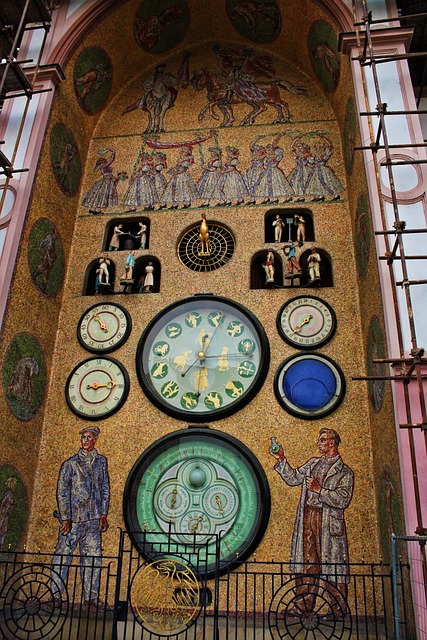
Adorning the Town Hall façade, the Olomouc Astronomical Clock dates to the 15th century but was reinvented in 1955 as a rare socialist realism horological monument. Its calendar dial shows working men and women in regional dress instead of saints, while the upper astrolabe tracks solar time, lunar phases, and zodiac signs. Each noon, mechanical workers’ figures—blacksmiths, farmers, scientists—rotate in symbolic unity. Hidden filigree and etched inscriptions nod to the medieval mechanism preserved beneath the modern face. Beneath the clock, a plaque commemorates its restoration after WWII damage that shattered original bells. Folklore claims that stopping the clock invites bad luck, prompting daily ritual checks by the town horologist. Tourists gather in the square below to witness the display, then explore nearby museum exhibits on clockmaking machines. This blend of medieval ingenuity and 20th-century ideology makes Olomouc’s Astronomical Clock uniquely compelling.
Ads place
Ads place
Ads place
Ads place
Ads place
Bezrucovy sady in Olomouc, Czech Republic

Bezrucovy sady

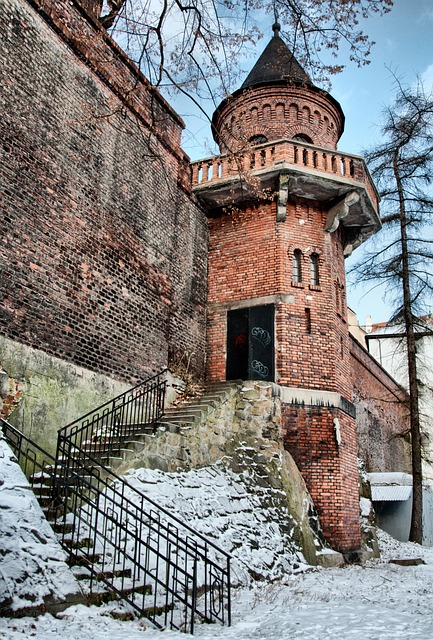
Bezrucovy sady, named for poet Petr Bezruch, occupies 4 hectares of gentle hillside above the city moat. Laid out in 1820 in English garden style, its winding paths meander past ornamental ponds, groves of lime and chestnut, and shaded gazebos. Sculptures by Antonin Popovich dot the lawns, while a restored Czech pavilion hosts summer poetry readings and chamber concerts. A small wildflower meadow preserves native Moravian orchids, and information plaques explain the park’s biodiversity. In autumn, fiery foliage transforms the landscape into a painter’s palette, attracting local photographers. Park benches carved from local granite offer repose for visitors reading Bezruch’s verses under linden trees. A hidden water spring once supplied nearby spa springs, and traces of medieval defensive walls peek through ivy in the northern sector. Bezrucovy sady remains Olomouc’s beloved green haven of literature, history, and natural beauty.
Ads place
Ads place
Ads place
Ads place
Ads place
Church of Saint Michael in Olomouc, Czech Republic

Church of Saint Michael

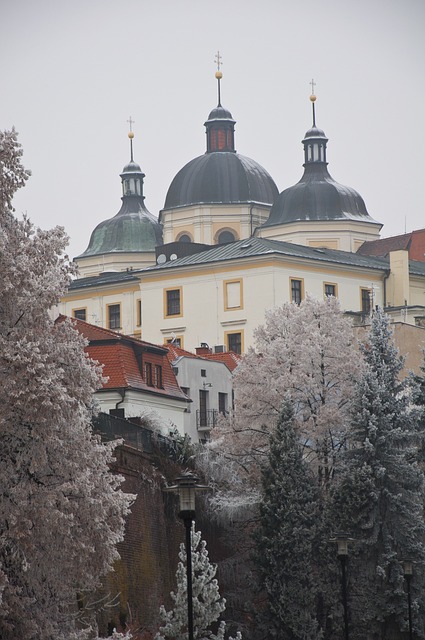
Originally founded in the early 13th century and rebuilt in the mid-17th century, the Church of Saint Michael is a Baroque architectural gem set against Olomouc’s historic fortifications. Its imposing three domes rise above a richly decorated façade, while the central nave is lined with frescoes by the Asam brothers, depicting scenes of Michael’s victory over evil. A carved marble altar honors the archangel, flanked by statues of saints and patrons of the city. The church’s bell tower houses six cast bells whose peals marked town curfews in the Habsburg era. Visitors descend into the crypt, where medieval tombstones bear Gothic inscriptions. Annual organ recitals fill the acoustically perfect interior, showcasing a historic Baroque organ restored in 2010. Hidden underground passages once connected the church to the town brewery, according to local lore. A recent restoration revealed 17th-century polychrome stenciling on ceiling vaults, reviving the church’s original color palette and reinforcing its status as an active center of worship and cultural heritage.
Ads place
Ads place
Ads place
Ads place
Ads place
Church of St. Cyril and Methodius in Olomouc, Czech Republic

Church of St. Cyril and Methodius

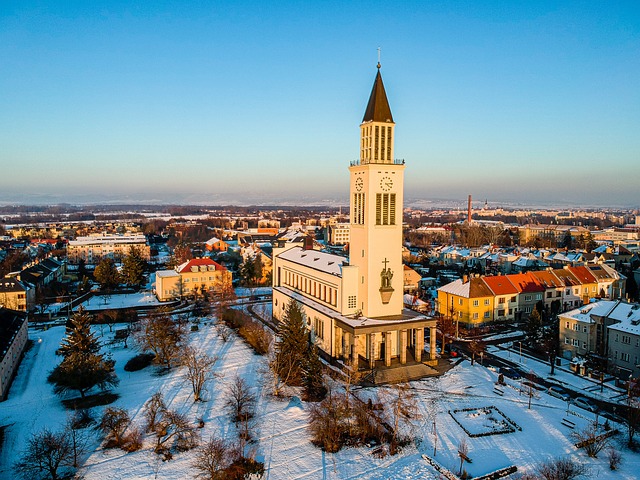
Constructed between 1920 and 1927, the Church of St. Cyril and Methodius celebrates the Slavic apostles who brought Christianity to Moravia in the 9th century. Its Neo-Romanesque style features sturdy round arches and a commanding rose window crafted by Moravian glassmakers. Inside, the mosaic altar depicts Saints Cyril and Methodius flanking a Slavic script, while the crypt chapel houses relics of early missionary martyrs. Sculptor Karel Pokorný’s bronze doors show the brothers’ arrival, and the bell tower rings in a peal of five historic bells. Annual Slavic liturgies in Old Church Slavonic evoke medieval rites. Visitors admire the richly painted frescoes illustrating Cyrillic script development and the Carolingian choir stalls restored from the nearby Archdiocesan Museum. A small garden of linden trees outside offers reflection and shade along pilgrimage routes. This church stands as both a devotional center and a monument to Slavic cultural unity.
Ads place
Ads place
Ads place
Ads place
Ads place
Holy Trinity Column in Olomouc, Czech Republic

Holy Trinity Column

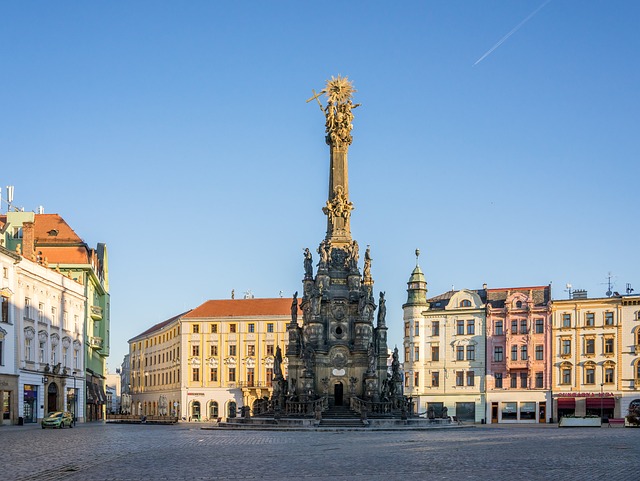
Rising 35 meters in Horni námyesti, the Holy Trinity Column is Europe’s largest Baroque Marian monument and a UNESCO World Heritage site. Erected from 1716 to 1754 after a devastating plague, its three-tiered shaft is crowned by gilded statues of the Trinity and cherubs, while the lower tiers feature the Twelve Apostles and local saints in expressive poses. Bas-reliefs depict plague miracles and civic gratitude, each carved from local Moravian sandstone. Pilgrims once flocked to touch the column’s base for healing grace, and a hidden copper reliquary containing holy water is still sealed within. At dusk, floodlights animate the sculpted forms against the night sky. Recent restoration uncovered original polychrome paint traces, hinting at its once-vibrant hues. Annual marian processions trace a route through nearby churches, reaffirming the column’s role as a focal point of faith and resilience in Olomouc’s turbulent history.
Ads place
Ads place
Ads place
Ads place
Ads place
Hradisko Castle in Olomouc, Czech Republic

Hradisko Castle

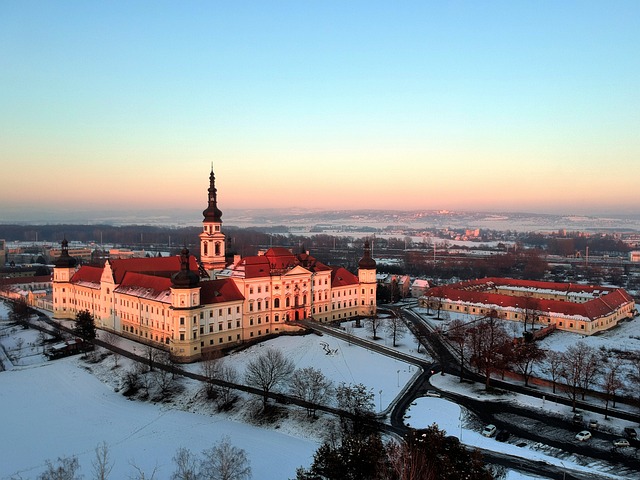
Founded in the 11th century as a Benedictine monastery, Hradisko Castle later served as a military hospital under Habsburg rule. Perched on a wooded hill above Olomouc, its sprawling Baroque complex was reshaped by architects Dientzenhofer and Santini between 1710 and 1740. The church’s lavishly frescoed interiors by Johann Christoph Handke depict scenes of monastic life and saintly miracles, while the monastic library houses rare manuscripts and early printed Bibles in ornate walnut cases. Visitors descend into the crypts, once used to shelter wounded soldiers, and explore the former prison cells with original iron shackles on display. From the castle’s ramparts, sweeping panoramas reveal Olomouc’s spired skyline and the meandering Morava River. A hidden garden terrace preserves Baroque orange trees in terracotta pots, and a centuries-old linden offers shaded rest. Seasonal open-air concerts in the courtyard revive Gregorian chant, while guided “medical history” tours recount early surgical practices. Meticulous restoration has revived stucco moldings and marble fireplaces, making Hradisko Castle a living chronicle of faith, healing, and imperial power.
Ads place
Ads place
Ads place
Ads place
Ads place
Lower Square in Olomouc, Czech Republic

Lower Square

Dolni námyesti, Olomouc’s lively Lower Square, pulses with daily markets, colorful renaissance townhouses, and the striking Caesar Fountain. Erected in 1682, the Baroque fountain depicts Julius Caesar, fabled founder of the city, flanked by four Tritons symbolizing the Morava River’s tributaries. Surrounding arcades house artisan stalls offering regional cheeses, Moravian wines, and hand-painted ceramics. A hidden mosaic beneath the pavement marks the site of a 13th-century salt depot; annual salt fairs revive this medieval trade tradition. Café terraces spill into the square for people-watching, while street musicians perform on a portable harpsichord. Seasonal flower markets flood the space with tulip and lily blossoms each spring, and autumn brings a vibrant harvest festival. At night, the ornate Town Slopes monument glows under lantern light, making Lower Square both a historical showcase and a contemporary hub of Olomouc life.
Ads place
Ads place
Ads place
Ads place
Ads place
Saint Mauritius in Olomouc, Czech Republic

Saint Mauritius

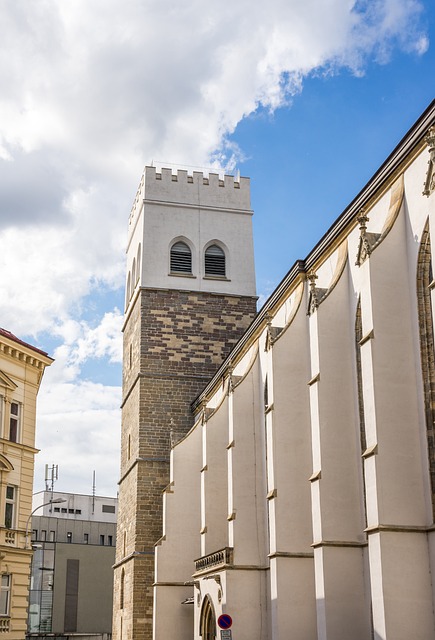
Saint Mauritius Church is one of the largest and oldest churches in Olomouc. Built in the 15th century, it is known for its Gothic architecture and impressive twin towers. The church houses one of the largest church organs in Central Europe, with nearly 10,000 pipes. The interior is beautifully preserved, with intricate stained glass windows and detailed stone carvings. Visitors can climb the tower to enjoy a panoramic view of the city. St Mauritius Church is a popular spot for organ concerts, drawing music enthusiasts to appreciate its magnificent acoustics and historical charm.
Ads place
Ads place
Ads place
Ads place
Ads place
Saint Wenceslas Cathedral in Olomouc, Czech Republic

Saint Wenceslas Cathedral

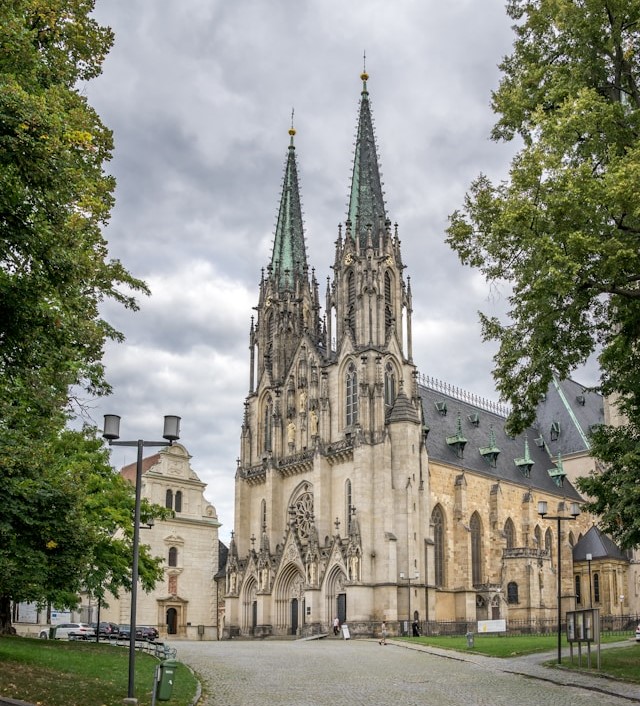
Dominating Olomouc’s skyline, Saint Wenceslas Cathedral traces its origins to the 12th century but was rebuilt in Gothic style after a fire in 1303. Its soaring pointed arches and ribbed vaults frame a nave lined with 15th-century fresco fragments. The south spire, at 100 meters, is the tallest in Moravia and houses a legendary bronze bell cracked during the Thirty Years’ War. Within, the alabaster High Altar depicts the saint’s martyrdom in luminous relief, and the Chapel of the Virgin glitters with Gothic stained glass rescued from Hradisko. Beneath the choir stalls lies the ornate tomb of Bishop Jindrzhich Zdik, whose 12th-century reforms shaped the Czech church. A magnificent Baroque organ fills the air each Sunday, while organ loft tours offer a view of the pedal board and historic pipes. Annual pilgrimages on September 28 draw thousands who venerate the patron saint’s relics. Recent conservation uncovered medieval graffiti in the sacristy, linking generations of worshippers across nine centuries.
Ads place
Ads place
Ads place
Ads place
Ads place
Town Hall in Olomouc, Czech Republic

Town Hall

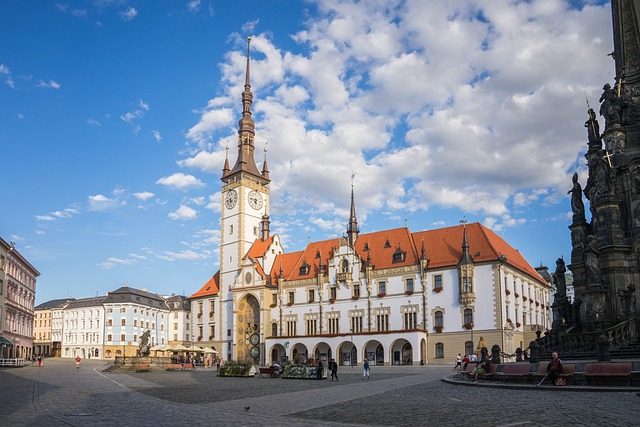
The Olomouc Town Hall, erected in the 15th century, anchors Horni námyesti with its distinctive Gothic-Renaissance façade. Its crooked clock tower—tilted by centuries of shifting soil—houses the city’s Astronomical Clock, a rare mechanical marvel that combines timekeeping with socialist-era reliefs dating to the 1950s. Inside, frescoed council chambers display portraits of Moravian governors and a hidden Gothic chapel beneath the floor. Visitors ascend a narrow spiral staircase to the observation gallery at 50 meters, where sweeping views encompass the Holy Trinity Column and spired churches. In the courtyard, the legendary Brno Dragon (actually a caiman) and the symbolic Brno Wheel recall local folklore. Seasonal cultural festivals spill into the square below, and chamber concerts in the vaulted basement echo medieval chants. Recent archaeological digs uncovered remnants of the original 13th-century moat and wooden palisade, enriching the building’s story as Olomouc’s administrative and social heart for more than 600 years.
Ads place
Ads place
Ads place
Ads place
Ads place