
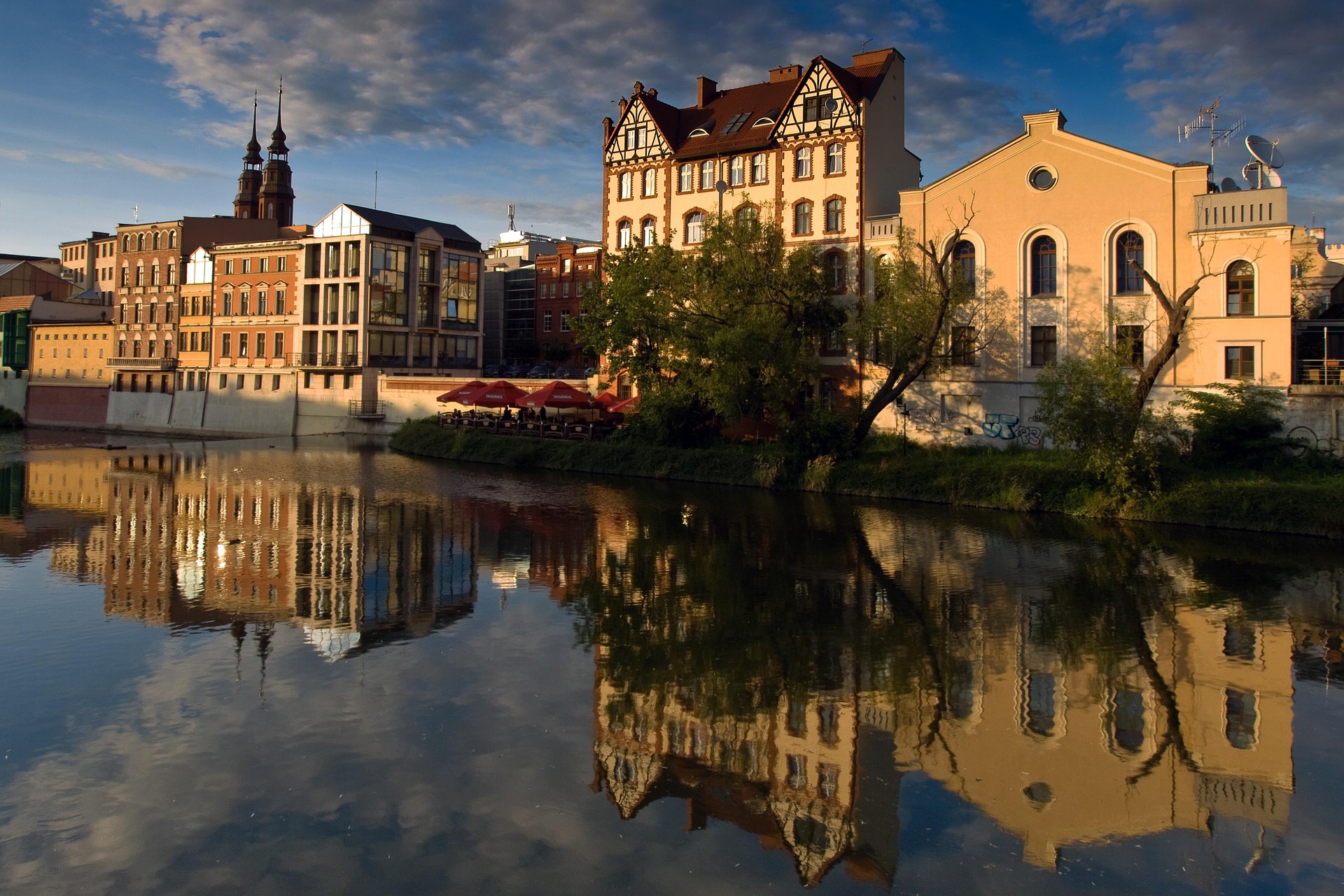
City view of Opole, Poland

Opole

Opole, known as the historical capital of Upper Silesia, charms with its colorful Old Town, Gothic Cathedral, and the Piast Tower—one of the city's oldest structures. Opole's riverfront along the Oder invites scenic strolls and outdoor concerts. The city is best known for its annual National Festival of Polish Song, a major cultural event that draws top artists nationwide. Museums, including the Museum of Opole Silesia, showcase regional art and history. A hidden treasure is the city's amphitheater, set in greenery and used for live performances. Opole is also a gateway to traditional folk villages and scenic countryside. Its blend of musical heritage, history, and laid-back atmosphere makes it a delightful stop in southern Poland. Opole’s tradition of puppet theater and folk craft fairs give it a uniquely local flavor among Polish cities.

Top attractions & things to do in Opole

If you’re searching for the best things to do in Opole, this guide brings together the top attractions and must-see places to visit in Opole. The top picks below highlight the most visited sights for first-time visitors, plus a few local favorites worth adding.

Cathedral of the Holy Cross in Opole, Poland

Cathedral of the Holy Cross

The Cathedral of the Holy Cross is Opole’s most important religious monument, renowned for its twin Neo-Gothic towers that dominate the skyline. Originally founded in the 11th century, the cathedral has been rebuilt and expanded over the centuries, blending Romanesque, Gothic, and Baroque elements. The interior dazzles with ornate altars, colorful stained glass, and the revered icon of Our Lady of Opole, which is the focus of local pilgrimages. The cathedral’s crypt houses tombs of the Piast princes, and its organ is famous for its majestic sound during religious festivals. A little-known fact is the underground corridor that once connected the cathedral to the castle for the safety of church officials. The Cathedral of the Holy Cross remains the spiritual heart of Opole, drawing worshippers and art lovers alike to admire its architecture and centuries-old traditions. Each December, the cathedral hosts a renowned Christmas concert that fills its halls with beautiful choral music.
Ads place
Ads place
Ads place
Ads place
Ads place
Museum of Opole Silesia in Opole, Poland

Museum of Opole Silesia

The Museum of Opole Silesia is the city’s premier institution dedicated to the history, culture, and art of the Silesian region. Housed in a beautifully restored Renaissance townhouse, the museum features exhibits ranging from medieval relics to modern art. Highlights include traditional folk costumes, historical documents, and an impressive collection of Silesian ceramics. Interactive displays immerse visitors in the region’s multiethnic past, including its Polish, German, and Czech influences. A unique exhibit is the Opole Madonna, a Gothic sculpture that survived centuries of upheaval. The museum often hosts temporary exhibitions and educational workshops, attracting both locals and tourists. Few know that its courtyard once hosted secret meetings of resistance fighters during World War II. In the spring, the museum gardens bloom with rare heritage flowers, providing a tranquil spot for reflection after exploring the exhibits.
Ads place
Ads place
Ads place
Ads place
Ads place
Opole Amphitheatre in Opole, Poland

Opole Amphitheatre

The Opole Amphitheatre is an iconic venue nestled beside the picturesque Mlynowka Canal, famous as the stage for the annual National Festival of Polish Song. Since its opening in 1963, this open-air amphitheater has become the heart of Polish music, drawing the nation’s most beloved artists and thousands of fans each summer. Its distinctive design incorporates both modern elements and remnants of medieval city walls, blending history with vibrant contemporary culture. The amphitheatre hosts concerts, theater performances, and film screenings year-round. A lesser-known secret is the backstage museum, where visitors can see costumes and memorabilia from past festivals. The festival’s winners are commemorated with bronze stars on the Aleja Gwiazd Polskiej Piosenki (Avenue of Polish Song Stars) just outside the venue. The Opole Amphitheatre is not only a stage but also a living archive of Poland’s evolving music scene, uniting generations in celebration of creativity. During the festival, the entire city comes alive with music, street performances, and a joyful carnival atmosphere.
Ads place
Ads place
Ads place
Ads place
Ads place
Opole Zoo in Opole, Poland

Opole Zoo

Opole Zoo is a beloved family attraction nestled on Bolko Island in the heart of the Odra River. Established in 1930, it spans over 20 hectares and is home to more than 1000 animals from all continents, including rare Amur tigers, lemurs, and giraffes. The zoo is renowned for its spacious, naturalistic enclosures that focus on animal welfare and conservation. Children are especially enchanted by the interactive farmyard and playful sea lions. Opole Zoo participates in international breeding programs and educational initiatives, making it an important player in wildlife protection. A lesser-known feature is the butterfly house, where visitors can observe exotic butterflies in a lush tropical environment. The zoo’s scenic setting, with its tranquil ponds and old-growth trees, provides a perfect escape from city life. On summer evenings, open-air movie nights and special nocturnal tours offer visitors a unique perspective on the animal world.
Ads place
Ads place
Ads place
Ads place
Ads place
Piast Tower in Opole, Poland

Piast Tower

The Piast Tower is the most recognizable symbol of Opole and one of the oldest surviving defensive structures in Poland, dating back to the 13th century. Rising high above the city, the tower is a rare remnant of the Opole Castle, which once dominated the banks of the Odra River. Its sturdy stone walls and spiral staircase have witnessed centuries of royal ceremonies, sieges, and political intrigue. From the top, visitors enjoy breathtaking views of the Old Town, the Odra, and the surrounding Silesian landscape. A lesser-known fact is that the Piast Tower served as a prison in the Middle Ages and later as a fire lookout. Local legends speak of secret tunnels and hidden treasures beneath the tower. Inside, an engaging exhibition details the history of the Piast dynasty, Opole’s medieval rulers, and their influence on Silesia. The tower is especially beautiful when illuminated at night, making it a favorite subject for local photographers.
Ads place
Ads place
Ads place
Ads place
Ads place