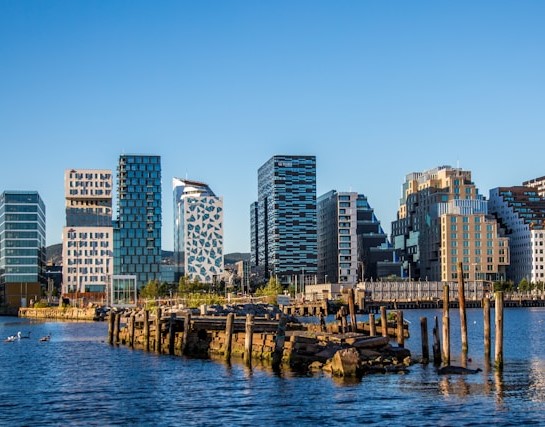
City view of Oslo, Norway

Oslo

Oslo unfolds as a city where the fjord meets modern creativity, offering a rare balance of urban design and natural space. Its compact center blends sleek architecture with reminders of its medieval roots, while the waterfront buzzes with energy from cafes and contemporary art museums. The Royal Palace still commands a stately presence, yet you can just as easily escape into the nearby forests within minutes. Food culture has evolved beyond expectations, with restaurants reimagining traditional fish dishes and showcasing foraged ingredients. The city’s opera house, designed to resemble an iceberg, invites visitors to walk across its roof for sweeping views. An unexpected detail: Oslo maintains outdoor swimming spots right in the heart of downtown, even in winter, for those daring enough to embrace the Nordic plunge. It is a city that values both innovation and heritage, and insists you experience them together, at your own pace.

Top attractions & things to do in Oslo

If you’re searching for the best things to do in Oslo, this guide brings together the top attractions and must-see places to visit in Oslo. The top picks below highlight the most visited sights for first-time visitors, plus a few local favorites worth adding.

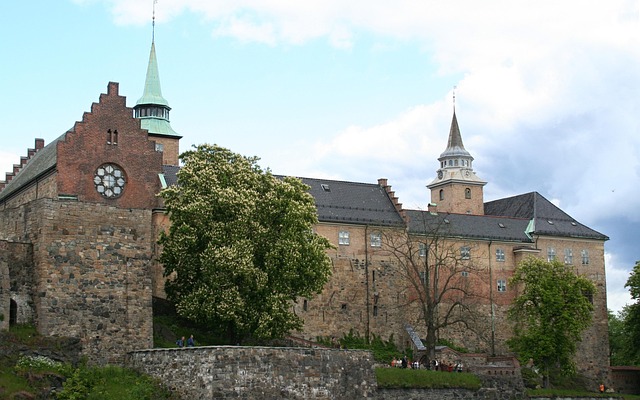
Akershus Fortress in Oslo, Norway

Akershus Fortress

Akershus Fortress overlooks Oslo Harbor with centuries of layered history. Built in the late 1290s under the reign of King Haakon V, it served as both a royal residence and a military stronghold. The stone walls withstood sieges, including attempts by Swedish forces in the 16th century, and later housed prisoners during darker chapters of Norwegian history. Today, the grounds blend solemnity with openness, where visitors stroll past cannons and medieval gates while enjoying sweeping views of the fjord. Inside, the royal mausoleum holds the remains of several Norwegian monarchs, adding to its national significance. During World War II, the fortress was used by the occupying forces, a reminder of resilience through hardship. With museums on site and concerts in summer, Akershus bridges the medieval and the modern, standing as both a cultural space and a living symbol of Norway’s determination across the ages. Legend even suggests hidden tunnels run beneath the fortress, fueling tales of secret escapes and lost treasures.
Ads place
Ads place
Ads place
Ads place
Ads place
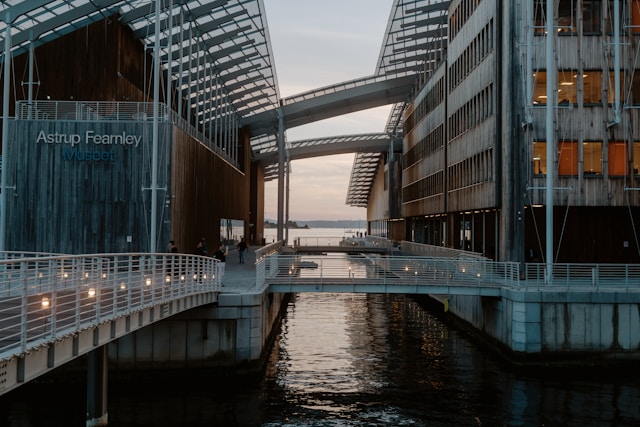
Astrup Fearnley Museum in Oslo, Norway

Astrup Fearnley Museum

The Astrup Fearnley Museum, opened in 1993, anchors Oslo’s contemporary art scene. Designed by Renzo Piano, its striking sail-like glass roof shelters daring works from both Norwegian and international artists. The collection includes provocative pieces by Jeff Koons, Damien Hirst, and Cindy Sherman, inviting dialogue about art’s boundaries. Its location on the waterfront at Tjuvholmen adds to the experience, with sculpture parks blending seamlessly into the marina. A curious feature: the museum’s glass canopy doubles as a rainwater collector, echoing Norway’s commitment to sustainable design. Exhibitions rotate frequently, ensuring each visit feels distinct. Visitors find themselves lingering not only in galleries but also outside, where modern architecture and sea air reinforce a sense of openness. It is a museum that embodies Oslo’s readiness to experiment, embracing art that provokes as much as it delights. Fascinatingly, its founders were shipping magnates who reinvested wealth from global trade into a bold cultural legacy.
Ads place
Ads place
Ads place
Ads place
Ads place
Bygdoy Peninsula in Oslo, Norway

Bygdoy Peninsula

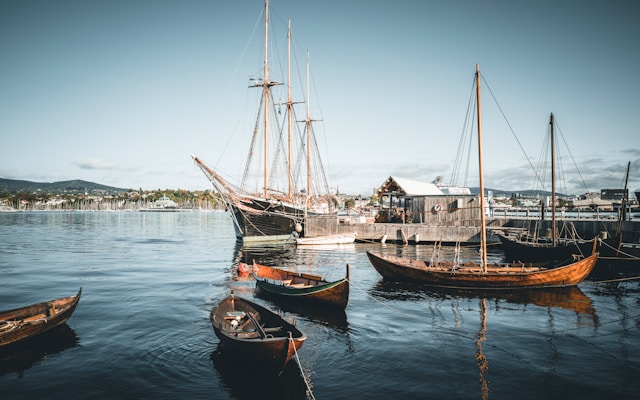
Bygdoy Peninsula is a cultural treasure trove just minutes from central Oslo, offering an unusual concentration of museums and natural beauty. It houses the Viking Ship Museum, displaying vessels from the 9th century, as well as the Fram and Kon-Tiki Museums. Yet beyond history, Bygdoy’s leafy trails and beaches provide an escape from urban pace. In summer, locals flock here for swimming and picnics, while in autumn, the paths glow with golden leaves. One lesser-known fact is that Bygdoy is home to a royal estate used by the Norwegian monarchy, adding another layer of significance. Visitors often marvel at how seamlessly ancient relics, maritime legends, and leisurely afternoons coexist on the same peninsula. Bygdoy proves that Oslo can be both a global capital of culture and a neighborhood of quiet reflection within the same space. Interestingly, archaeological digs here have uncovered traces of Iron Age settlements, reminding walkers that its story stretches back millennia.
Ads place
Ads place
Ads place
Ads place
Ads place
Fram Museum in Oslo, Norway

Fram Museum

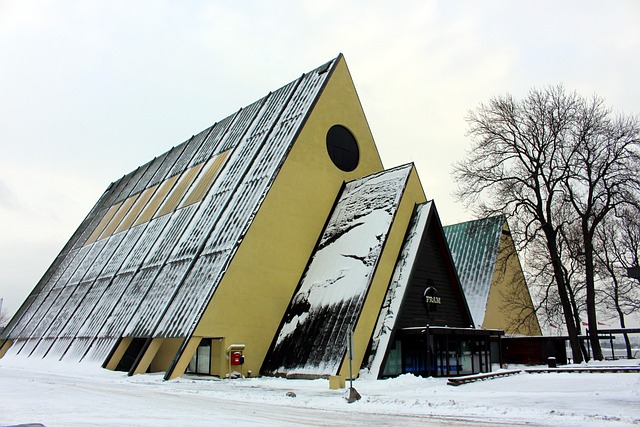
The Fram Museum tells the gripping story of Arctic and Antarctic exploration, centered on the legendary ship Fram. Designed in 1892 by Colin Archer, it carried Fridtjof Nansen, Otto Sverdrup, and Roald Amundsen on daring expeditions into uncharted ice. Visitors can step aboard the actual vessel, experiencing its preserved cabins and equipment. The museum highlights the ingenuity behind Fram’s design, which allowed it to withstand crushing polar conditions by rising above the ice rather than being destroyed. Exhibits include personal journals, maps, and photographs that reveal the challenges and triumphs of early explorers. A lesser-known fact is that Fram traveled further north and further south than any other wooden ship in history. Standing inside, one feels a direct link to human endurance and curiosity, as the spirit of Norway’s explorers continues to inspire new generations to venture into the unknown. One eerie detail: the ship still carries the original polar bear scratches left on its wooden hull during icy encounters.
Ads place
Ads place
Ads place
Ads place
Ads place
Munch Museum in Oslo, Norway

Munch Museum

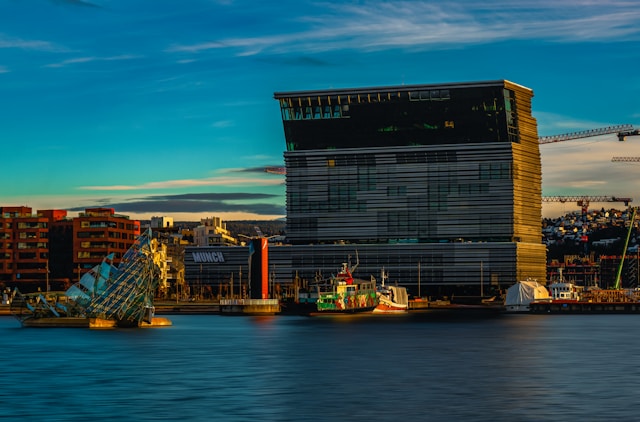
The Munch Museum celebrates the artistic legacy of Edvard Munch, whose work shaped modern expressionism. Housing over 26,000 pieces, it represents one of the world’s largest collections by a single artist. The most famous painting, The Scream, is exhibited alongside lesser-known sketches, prints, and personal objects that shed light on his restless creativity. Opened in 1963 and recently relocated to a striking new building near the Oslo waterfront, the museum reflects both the artist’s turbulent life and Norway’s commitment to preserving cultural heritage. Visitors discover Munch not only as a painter but also as a thinker wrestling with love, anxiety, and mortality. A surprising detail: Munch bequeathed his entire estate to the city of Oslo, ensuring that future generations could engage directly with his vision. The museum is not simply a gallery, but a dialogue between the past and the emotions that remain universal today. Visitors are often intrigued to learn that thieves once stole “The Scream” in broad daylight, only for it to be dramatically recovered years later.
Ads place
Ads place
Ads place
Ads place
Ads place
Nobel Peace Center in Oslo, Norway

Nobel Peace Center

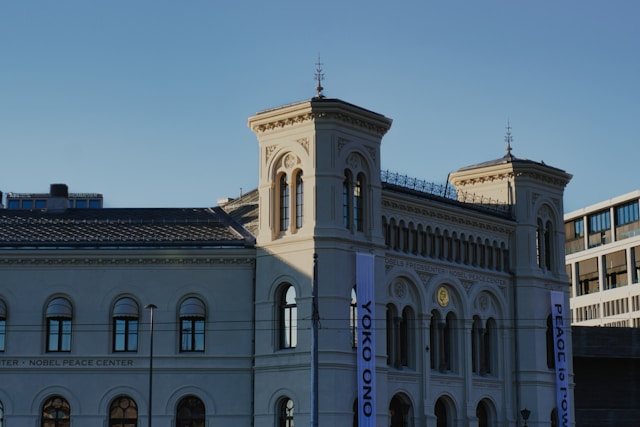
The Nobel Peace Center transforms the legacy of Alfred Nobel and the laureates of the Nobel Peace Prize into interactive storytelling. Opened in 2005, the center occupies a former railway station redesigned by British architect David Adjaye. Multimedia exhibits present the ideas and achievements of prize winners, from grassroots activists to global leaders. One highlight is the Nobel Field, where illuminated digital screens create a contemplative atmosphere. The center also hosts debates and temporary exhibitions tackling urgent global issues, reinforcing Oslo’s role as a city of dialogue. A lesser-known aspect is that Nobel originally intended for the prizes to be awarded in Stockholm, but politics and tradition led the Peace Prize to remain uniquely tied to Norway. Visitors leave not only with knowledge but with inspiration to believe in the power of individuals to reshape history. Many are surprised to discover that the announcement of each year’s laureate is broadcast live to millions around the world directly from Oslo.
Ads place
Ads place
Ads place
Ads place
Ads place
Oslo City Hall in Oslo, Norway

Oslo City Hall

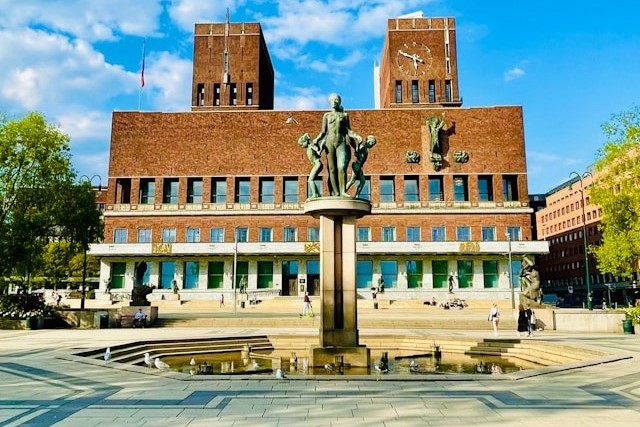
Oslo City Hall is where the Nobel Peace Prize ceremony takes place every December, linking the building to global ideals of diplomacy. Completed in 1950 after a lengthy postwar construction, it features twin red-brick towers that dominate the waterfront. Inside, vast murals by Henrik Sorensen and Alf Rolfson depict Norwegian history, labor, and folklore in vivid detail. The interior blends solemn ceremonial halls with everyday municipal offices, symbolizing the connection between governance and civic life. A curious fact: the building’s astronomical clock and carillon of 49 bells play across the harbor, marking time for the city. Visitors who step inside often remark on the balance of grandeur and accessibility. It is a place where the nation’s political pulse and its cultural artistry meet under one roof. An extra curiosity: the hall’s construction was partly funded through Oslo’s lottery system, linking everyday citizens directly to its creation.
Ads place
Ads place
Ads place
Ads place
Ads place
Oslo Opera House in Oslo, Norway

Oslo Opera House

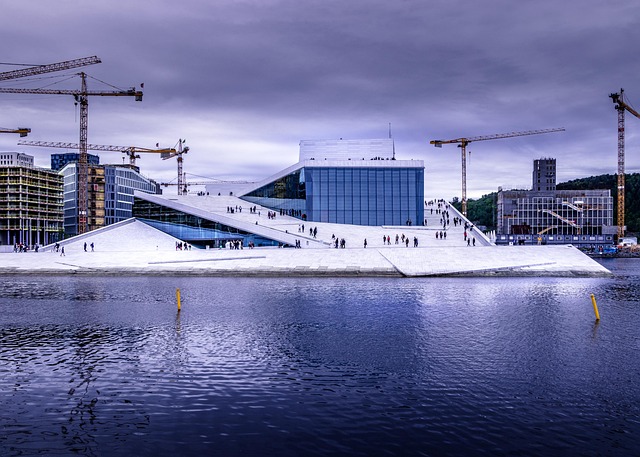
The Oslo Opera House appears to rise directly from the waters of the Oslofjord, an architectural gesture that redefines the city’s relationship with its shoreline. Designed by Snøhetta and completed in 2008, its sloping white roof invites visitors to climb up and survey the cityscape from above. The building contains over 1,100 rooms, including a grand hall paneled with warm oak, where both opera and ballet performances captivate audiences. Its marble and glass exterior mirrors the changing skies, offering a different experience each season. Beyond art, the opera house became a symbol of Norway’s willingness to merge accessibility with cultural prestige. An intriguing detail is that the building’s interior was acoustically tuned using ancient shipbuilding knowledge. Standing here, one feels both grounded in the city and open to the horizon, embodying Oslo’s identity as a port where tradition and modernity coexist. Hidden below the stage lies one of Europe’s most advanced backstage systems, capable of shifting entire set pieces with breathtaking speed.
Ads place
Ads place
Ads place
Ads place
Ads place
Storting in Oslo, Norway

Storting

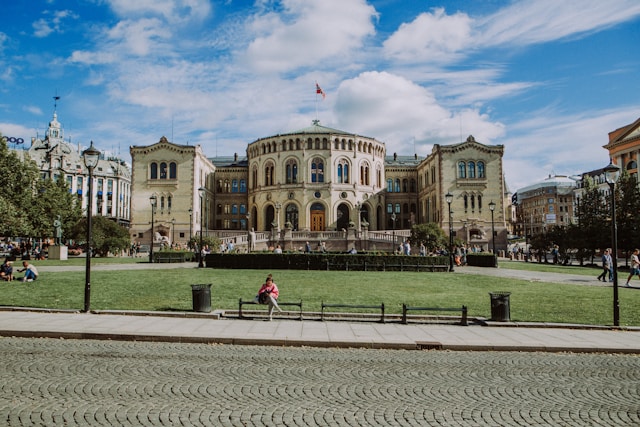
The Storting is Norway’s parliament building and the heart of the nation’s democracy. Completed in 1866 after designs by the Swedish architect Emil Victor Langlet, the yellow-brick structure blends Romanesque and neo-Gothic influences, making it distinct among European legislative halls. Inside, the semicircular chamber allows open debate, emphasizing transparency and equality among representatives. The building has witnessed critical decisions, from Norway’s independence in 1905 to contemporary policies shaping one of the world’s most progressive societies. Guided tours offer a rare glimpse into Norway’s political machinery, while the surrounding square frequently becomes a stage for protests, celebrations, and civic expression. A fascinating fact is that the Storting originally alternated its sessions between Oslo and other cities before settling permanently in the capital. Visitors often linger outside, watching how daily politics spill into public life, as the Storting continues to symbolize Norway’s enduring commitment to democratic principles. Beneath its stately façade, heated tunnels connect the building discreetly to nearby government offices.
Ads place
Ads place
Ads place
Ads place
Ads place
Vigeland Park in Oslo, Norway

Vigeland Park

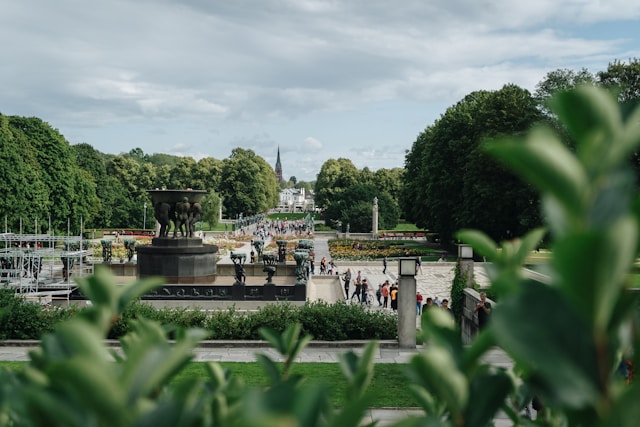
Vigeland Park is an open-air gallery unlike any other, filled with over 200 sculptures created by Gustav Vigeland. Completed between 1924 and 1943, the park captures the full spectrum of human life in expressive granite and bronze forms. The centerpiece, a towering Monolith rising 14 meters, depicts humanity intertwined in an eternal struggle and unity. Visitors often pause at the striking statue of the “Angry Boy,” whose small size belies its worldwide recognition. Paths weave through lush lawns and tree-lined avenues, making the art feel inseparable from the natural surroundings. In winter, snow softens the stone figures, while in summer, the park becomes a lively gathering space. Remarkably, Vigeland designed not only the sculptures but also the architectural layout, ensuring every perspective tells a new story. It stands as one of Oslo’s most profound cultural achievements, blending art, landscape, and philosophy seamlessly. Few realize that Vigeland worked under a deal granting him both a studio and lifetime support in exchange for donating his entire life’s work to the city.
Ads place
Ads place
Ads place
Ads place
Ads place