
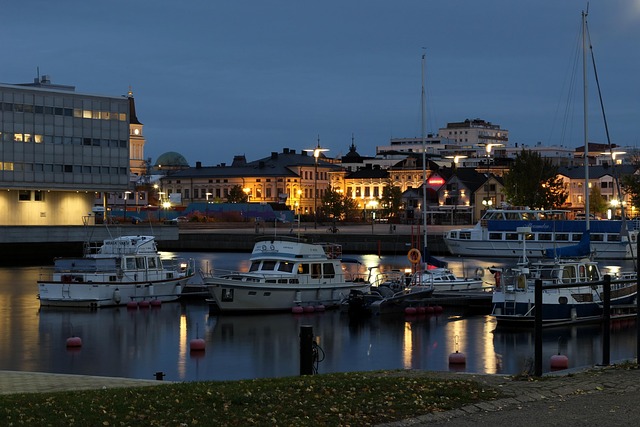
City view of Oulu, Finland

Oulu

Oulu sits by the Gulf of Bothnia and built fortunes on tar trade in the 1700s, when ships carried barrels across Europe. Today it pairs tech campuses with sea air and a cycling culture that keeps rolling even in deep winter. The Market Square police statue, small and grinning, is a local mascot beside stalls selling salmon soup, smoked reindeer, and sweet pulla bread. Walk through Pikisaari, an old wooden island district where artists keep studios in former boat sheds, then continue to the waterfront for evening light. Nallikari beach becomes a sauna and ice swimming zone in cold months, with brave regulars timing dips like a ritual. Try a reindeer burger or creamy fish stew after a day outdoors. A lesser known curiosity: some streets use heated pavement sections near crossings, and locals swear you can spot newcomers by how surprised they look when snow refuses to stick.

Top attractions & things to do in Oulu

If you’re searching for the best things to do in Oulu, this guide brings together the top attractions and must-see places to visit in Oulu. The top picks below highlight the most visited sights for first-time visitors, plus a few local favorites worth adding.

Ainola Park in Oulu, Finland

Ainola Park

Ainola Park is Oulu's pause button, a city center green space made for lunch walks and slow conversations rather than headline sightseeing. Laid out in the 1930s, it still reads as careful planning, with curved paths, open lawns, and plantings that soften the street grid. In summer, flower beds and shaded benches turn it into a favorite meeting spot; in winter, the same routes become a quiet corridor where snow muffles traffic. Because it sits close to museums and shopping streets, Ainola works as a natural breather between indoor stops. Follow the tree-lined paths that frame views like an outdoor room, and notice how the park stays tidy without feeling stiff. Families use the open space for quick play breaks, and office workers treat it as a daily shortcut. A good visit is to bring coffee, take one loop, and continue on foot toward the river. It is a small urban park, but it quietly upgrades a whole day in Oulu.
Ads place
Ads place
Ads place
Ads place
Ads place
Koitelinkoski Rapids in Oulu, Finland

Koitelinkoski Rapids

Koitelinkoski Rapids is a quick way to trade city streets for moving water and pine air, without committing to a full wilderness trip. The rapids run along the Kiiminkijoki river and are set up for easy day visits, with nature trails looping through forest and over rock shelves. A hanging bridge gives the best angle on the current as it funnels between small islands, and the sound alone feels like a reset. Locals come with sausages and coffee for the fire-ring shelters, turning the place into a social picnic spot on bright weekends. In autumn the birches go yellow and the whole area looks painted; in winter, the rapids keep moving even when the banks freeze. The terrain is varied but not extreme, so it suits families and casual hikers if you take the paths slowly and stop often. Bring shoes with grip, since wet rocks can be slick, and plan to linger just to watch the water patterns. Koitelinkoski is less about a single viewpoint and more about letting nature set the tempo for an hour or two.
Ads place
Ads place
Ads place
Ads place
Ads place
Market Square and Toripolliisi in Oulu, Finland

Market Square and Toripolliisi

Oulu's waterfront character is easiest to read at the Market Square, where the city meets Oulu Harbor in a wide frame of sky and gulls. The default meeting point is Toripolliisi, the cheerful policeman statue unveiled in 1987, which locals treat as a simple compass for first-timers. The square is also known as Kauppatori, and it changes personality with the season: summer brings berries, handicrafts, and hot snacks, while winter turns the space crisp and open. From the edge you can watch boats slide past on the Gulf of Bothnia, and the light often looks brighter than you expect this far north. Look for small kiosks that keep serving coffee even when the weather is stubborn, then use the waterfront as a launchpad for a river walk. Arrive early for the calm version, or come at dusk when lamps switch on and the harbor feels theatrical. It is not a single monument so much as a stage where Oulu's daily life and weather perform in public.
Ads place
Ads place
Ads place
Ads place
Ads place
Oulu Castle Ruins in Oulu, Finland

Oulu Castle Ruins

Oulu Castle is mostly gone, yet the remaining outlines still explain why the city grew at this exact point on the coast. The fortress was founded in 1590 under Charles IX of Sweden, built to control shipping and movement along the Oulu River mouth. An explosion and fire in 1793 ruined much of the structure, and later rebuilding and urban development left only fragments and low walls. Today the site sits on Linnansaari, where water and open sky make the history easier to imagine than the masonry alone. Walk the perimeter and you will see how thick foundations once anchored a defensive edge, now surrounded by modern streets and paths. It is an easy stop between the center and the harbor, best treated as a short historical punctuation mark rather than a full museum. Come near sunset if you can; the river light sharpens the textures and makes the ruins feel less like leftovers and more like a quiet marker of time.
Ads place
Ads place
Ads place
Ads place
Ads place
Oulu Cathedral in Oulu, Finland

Oulu Cathedral

In central Oulu, the cathedral is less about spectacle and more about calm northern presence, the kind of landmark that steadies the streets around it. Completed in 1777, it carries a restrained Neoclassical character in its clean lines and disciplined proportions. After the great fire of 1822, the rebuilding is closely associated with Carl Ludvig Engel, and that influence shows in the exterior detailing. Inside, the Lutheran atmosphere is bright and uncluttered, letting daylight and pale surfaces do most of the work, with wood elements keeping the space human. Notice how the geometry guides your eye toward the altar without heavy ornament. Visit early, when footsteps are the loudest sound and the city feels briefly paused. Step back outside afterward and look again at the tower and roofline; from this angle you can read how Oulu rebuilt itself after disaster. Because it sits close to cafes and the riverside, the cathedral fits easily into a wider walk and rewards a few quiet minutes.
Ads place
Ads place
Ads place
Ads place
Ads place
Oulu City Theatre in Oulu, Finland

Oulu City Theatre

Oulu City Theatre is proof that the city's culture does not hibernate in winter, and it makes an easy evening plan when weather turns unpredictable. The building opened in 1972 and is linked to architect Risto-Veikko Luukkonen, with a bold modern profile near the center. Inside, the main auditorium holds about 560 seats, and the repertoire spans Finnish drama, comedy, and contemporary productions that often suit a wide audience. Because the theatre sits close to restaurants and public transport, you can arrive without fuss and still feel part of a local night out. Come a little early to watch the lobby fill, then notice how quickly the outside cold disappears once the doors close. If you do not speak Finnish, consider music, dance, or visually driven shows; the staging can carry the story even without subtitles. After the curtain call, step back outside and take a short walk before heading home. It is not a tourist checkbox, but a real slice of Oulu life that locals use all year.
Ads place
Ads place
Ads place
Ads place
Ads place
Oulu Market Hall in Oulu, Finland

Oulu Market Hall

When the wind off the harbor turns sharp, Oulu Market Hall is the quickest way to warm up and taste the city at street level. Opened in 1901, it works like a compact indoor lane of counters and small kitchens, built for a climate that rewards shelter. Start at the fish stalls for smoked salmon and herring, then move toward coffee, pastries, and bowls of salmon soup that feel made for winter days. Seasonal produce rotates in and out, but the staples stay reassuringly Finnish: cheeses, pickles, and dark rye bread you can carry anywhere. A good tactic is to walk one full loop before buying; the best-looking counter is not always the best-value one. Because the hall sits close to the waterfront, you can step outside with a takeaway and watch boats and ice on the Gulf of Bothnia. It is not a showpiece market, and that is the charm: practical, friendly, and quietly addictive. Plan to linger for a second coffee, because the hall rewards slow browsing more than a fast purchase.
Ads place
Ads place
Ads place
Ads place
Ads place
Pikisaari Island in Oulu, Finland

Pikisaari Island

Pikisaari is a small island where Oulu's maritime past and creative present sit side by side, so a short walk becomes a cultural sampler. The area grew around shipbuilding, and you can still feel that working-waterfront DNA in sheds, docks, and boats pulled up close to shore. Today it is known for studios and workshops, including the Pikisaari School of Arts, which keeps the island lively beyond peak summer. The name hints at tar and pitch, and the atmosphere remains practical rather than polished, with bicycles, tools, and coffee cups sharing narrow lanes. Look for clusters of wooden houses and small courtyards, then follow the shoreline paths for views across calm water. Because Pikisaari sits close to the center, it is easy to combine with a market visit, yet it feels removed once you step onto the waterfront loop. Come in late afternoon for the best light, and pay attention to small details: a hand-painted studio sign, a boat rocking gently, or the smell of wood and sea air.
Ads place
Ads place
Ads place
Ads place
Ads place
Rotuaari Pedestrian Street in Oulu, Finland

Rotuaari Pedestrian Street

Rotuaari is Oulu's everyday runway, a car-free pedestrian strip where coffee breaks, errands, and small city events blend into one easy walk. It is best known for summer festivals, but it stays useful year-round, especially when winter lights turn the street into a warm corridor between shops. Oulu's playful identity shows up through its link to the Air Guitar World Championships, hosted here since 1996, and you will notice small nods that make people grin. The charm is in the rhythm rather than a single monument: storefronts, street art, and benches that invite lingering. Look for Rotuaari Square, where pop-up stages and seasonal installations often appear, then slip into side streets for quieter cafes. Use the route as a connector: start at the waterfront market, walk up for lunch, and exit toward parks and museums without needing a car. Come in late afternoon when the pace softens and the street becomes a gentle social promenade, not just a shopping list.
Ads place
Ads place
Ads place
Ads place
Ads place
Turkansaari Open-Air Museum in Oulu, Finland

Turkansaari Open-Air Museum

Turkansaari Open-Air Museum lets you step into a northern village made of timber, tar, and practical craft, set on an island in the river landscape. Established in 1925, this open-air museum gathers buildings that show how people lived and worked before modern housing changed everything. You will see log houses, storehouses, and a wooden church that anchors the site, plus yards where tools make the past feel usable rather than distant. In summer, staff often demonstrate traditional crafts and seasonal routines, and the atmosphere becomes more like a community than a display case. The setting on the Oulu River adds calm, with water and trees softening the walk between buildings. Move slowly, because the best details are small: joinery marks, smoke-darkened surfaces, and rooms sized for heat. It is an easy half-day trip from Oulu, especially on bright weekends when families arrive with coffee thermoses and snacks. Turkansaari is ideal when you want history you can feel, not only read.
Ads place
Ads place
Ads place
Ads place
Ads place