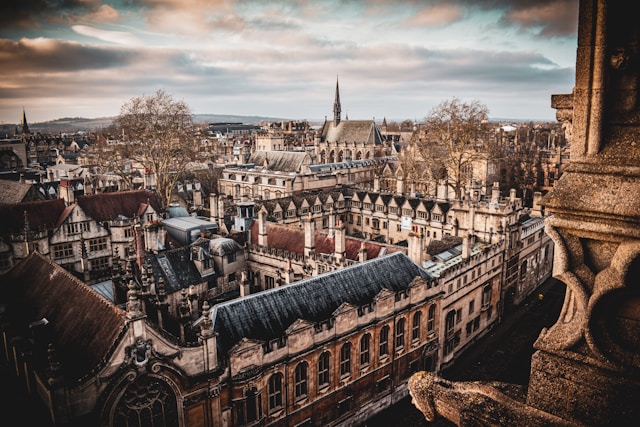
City view of Oxford, United Kingdom

Oxford

Oxford, known as the 'City of Dreaming Spires', is famous for its prestigious university and historic architecture. The University of Oxford, founded in the 12th century, is the oldest university in the English-speaking world. The Bodleian Library, one of the oldest libraries in Europe, houses millions of books and manuscripts. Oxford's colleges, such as Christ Church and Magdalen, are architectural marvels with beautiful gardens and courtyards. The city's Ashmolean Museum is the world's first university museum and features an extensive collection of art and artifacts. Oxford's Covered Market, established in the 18th century, offers a variety of local produce and unique shops. The city's literary connections, from Lewis Carroll to J.R.R. Tolkien, add to its intellectual charm.

Top attractions & things to do in Oxford

If you’re searching for the best things to do in Oxford, this guide brings together the top attractions and must-see places to visit in Oxford. The top picks below highlight the most visited sights for first-time visitors, plus a few local favorites worth adding.

Ashmolean Museum in Oxford, United Kingdom

Ashmolean Museum

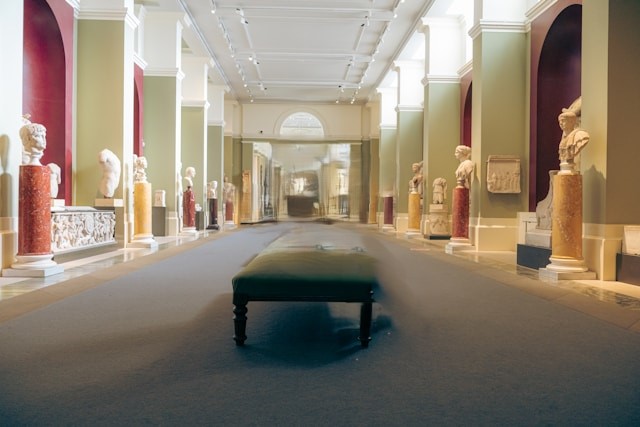
The Ashmolean Museum, founded in 1683, is the world's first university museum and a treasure trove of art and archaeology. Its collection spans over 500,000 years of history, featuring artifacts from ancient Egypt, Greece, and Rome, as well as modern art. Highlights include the Alfred Jewel, an Anglo-Saxon masterpiece, and paintings by Renaissance artists such as Raphael and Michelangelo. The museum's unique blend of art and archaeology is displayed across four floors, with immersive exhibitions exploring global cultures. The Eastern Art Collection is particularly noteworthy, housing one of the most comprehensive collections of Chinese art in the Western world. A lesser-known fact is that the museum was initially founded to house the curiosities of Elias Ashmole, an antiquarian and collector. This eclectic origin is still reflected in the diversity of its exhibits today. The rooftop café offers panoramic views of Oxford, making it a perfect spot to reflect on the cultural journey within. As an academic institution, the Ashmolean also contributes to research and education, with its extensive archives supporting scholars worldwide. Its dynamic program of temporary exhibitions keeps the experience fresh and engaging for both locals and tourists. The Ashmolean Museum is not only a custodian of history but also a vibrant cultural hub, celebrating human creativity across time.
Ads place
Ads place
Ads place
Ads place
Ads place
Bodleian Library in Oxford, United Kingdom

Bodleian Library

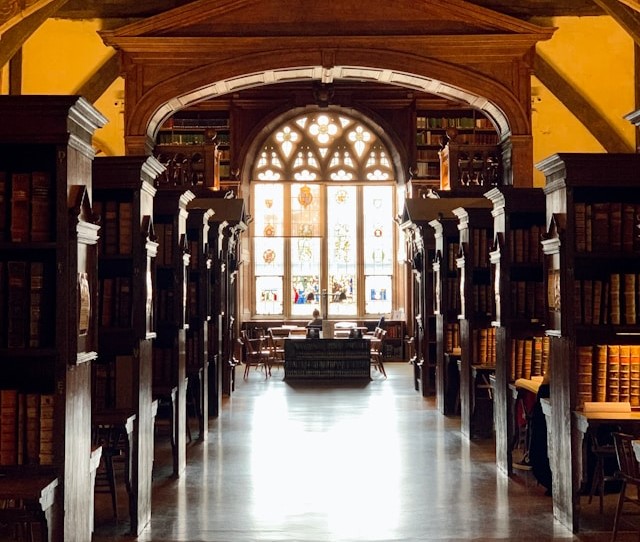
The Bodleian Library is one of the oldest libraries in Europe, serving as the main research library of the University of Oxford. Established in 1602, it holds over 13 million printed items, making it a cornerstone of academic excellence. The library's architecture is a stunning example of English Gothic design, featuring the iconic Radcliffe Camera and the beautifully vaulted Divinity School. Scholars and visitors alike are captivated by its historical significance and the vast knowledge preserved within its walls. Notably, the Bodleian is a legal deposit library, meaning it receives a copy of every book published in the UK, ensuring its collection remains comprehensive and up-to-date. The library has also been a backdrop for numerous films, including the Harry Potter series, due to its enchanting medieval ambiance. Its exhibition rooms showcase rare manuscripts, including works by Shakespeare and original copies of the Magna Carta. The Bodleian's continued role in academic research, combined with its architectural grandeur, makes it a symbol of intellectual pursuit. One lesser-known fact is that the library's founder, Sir Thomas Bodley, was inspired to restore the collection after it was dispersed during the Reformation. His vision has influenced libraries worldwide. The combination of historical depth, architectural beauty, and cultural influence ensures the Bodleian Library remains a pivotal institution in the world of academia.
Ads place
Ads place
Ads place
Ads place
Ads place
Bridge of Sighs in Oxford, United Kingdom

Bridge of Sighs

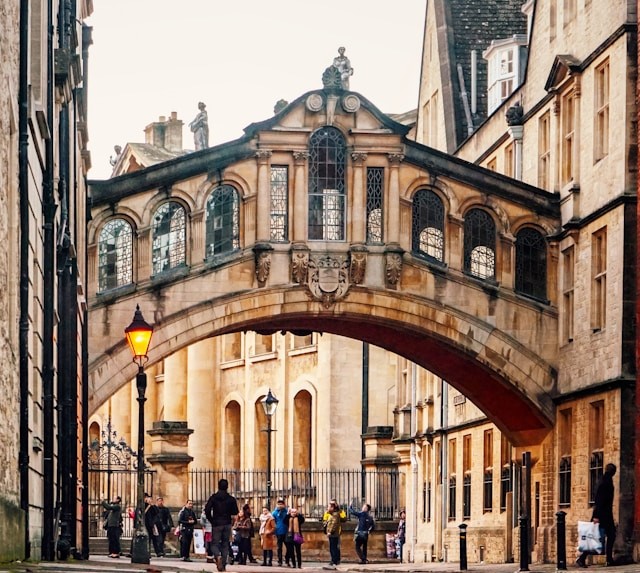
The Bridge of Sighs in Oxford, officially known as Hertford Bridge, is one of the city's most iconic landmarks. Connecting the old and new quadrangles of Hertford College, the bridge arches gracefully over New College Lane. Despite its romantic name, it has no historical link to Venice's Bridge of Sighs, which was a passage for prisoners. Instead, the Oxford version, built in 1914, was designed to enhance the architectural beauty of Hertford College while providing a practical connection for students. The bridge's distinctive design features a blend of Neo-Baroque and Edwardian architectural styles, with intricate stonework and arched windows. It is a favorite spot for photographers and has appeared in several films and television shows set in Oxford. An interesting anecdote is the urban legend that the bridge was closed because it supposedly encouraged students to avoid the exercise of climbing stairs, affecting their health—a myth humorously cherished by locals. Its strategic position near the Bodleian Library and Sheldonian Theatre places it at the heart of Oxford's academic scene. The Bridge of Sighs continues to capture the imagination of visitors and students alike, symbolizing the timeless elegance of Oxford's architectural heritage. Its picturesque charm and historical significance make it a must-see for anyone exploring the city's rich cultural landscape.
Ads place
Ads place
Ads place
Ads place
Ads place
Christ Church College in Oxford, United Kingdom

Christ Church College

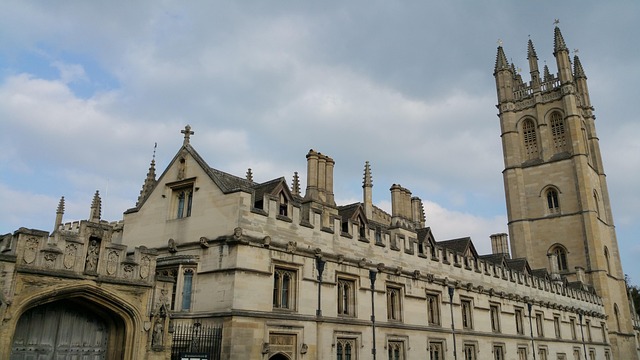
Founded in 1546 by King Henry VIII, Christ Church College is one of the most prestigious colleges within the University of Oxford. Its magnificent Great Hall served as the inspiration for the dining hall in the Harry Potter films. The college is also home to Christ Church Cathedral, unique for serving both as a college chapel and the cathedral for the Diocese of Oxford. Its extensive meadows and gardens provide a serene escape in the heart of the city. Architectural enthusiasts admire the blend of Gothic and Baroque styles, especially in Tom Tower, designed by Sir Christopher Wren. The college's historical significance is matched by its academic legacy, with alumni including thirteen British prime ministers and renowned writers such as Lewis Carroll. One of the most intriguing aspects is Carroll's connection to Alice Liddell, the real-life inspiration for Alice in Wonderland. The college's influence on literature is further reflected in its vibrant library, which houses rare manuscripts and first editions. Its art collection, featuring works by Van Dyck and Turner, is a hidden gem. The unique blend of history, art, and academia makes Christ Church College a microcosm of Oxford's cultural heritage. Its role in inspiring literary masterpieces and shaping political thought highlights its enduring influence.
Ads place
Ads place
Ads place
Ads place
Ads place
Oxford Castle and Prison in Oxford, United Kingdom

Oxford Castle and Prison

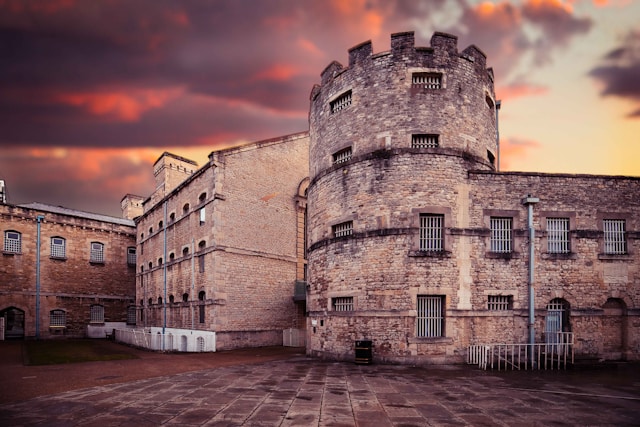
The Oxford Castle and Prison offers a unique journey through a thousand years of history, from its origins as a Norman fortress to its role as a notorious prison. Built in 1071 by Norman baron Robert D'Oyly, the castle played a strategic role in medieval conflicts, including the Anarchy between King Stephen and Empress Matilda. The imposing St. George's Tower is one of the oldest surviving structures in Oxford, offering panoramic views of the city. The castle later served as a county prison until its closure in 1996, after which it was transformed into a historic attraction. Guided tours by costumed characters bring the stories of former inmates to life, revealing the harsh realities of prison life. The crypt, dating back to the 11th century, adds an eerie atmosphere to the site's historical narrative. An interesting fact is that Geoffrey of Monmouth wrote his “History of the Kings of Britain” while residing at the castle, introducing the legend of King Arthur to European literature. Today, the site blends history with modernity, featuring a boutique hotel within the former prison wings. The Oxford Castle and Prison stands as a testament to the city's complex and layered past.
Ads place
Ads place
Ads place
Ads place
Ads place
Oxford University in Oxford, United Kingdom

Oxford University

The University of Oxford is the oldest university in the English-speaking world, with a history tracing back to the 12th century. Renowned globally for its academic excellence, it comprises 39 autonomous colleges and a multitude of departments, libraries, and museums. Its distinctive collegiate system fosters a unique learning environment, where students benefit from personalized tutorials and vibrant intellectual communities. The university's architectural landscape is an awe-inspiring blend of Gothic, Baroque, and Modern styles, featuring landmarks like the Radcliffe Camera, the Bodleian Library, and the Sheldonian Theatre, designed by Sir Christopher Wren. Oxford has educated numerous influential figures, including 28 British Prime Ministers, over 70 Nobel Prize winners, and literary icons such as J.R.R. Tolkien, C.S. Lewis, and Oscar Wilde. An intriguing historical fact is that during the English Civil War, Oxford served as the royalist capital for King Charles I. The university's influence extended beyond academia, it played a pivotal role in shaping political, scientific, and cultural thought across centuries. One of the most fascinating traditions is the 'Oxford Time', where events historically began five minutes past the scheduled hour, aligning with the chimes of Christ Church's Great Tom bell. The university also boasts the world's oldest university museum, the Ashmolean Museum, housing an extraordinary collection of art and archaeology.
Ads place
Ads place
Ads place
Ads place
Ads place
Oxford University Museum of Natural History in Oxford, United Kingdom

Oxford University Museum of Natural History

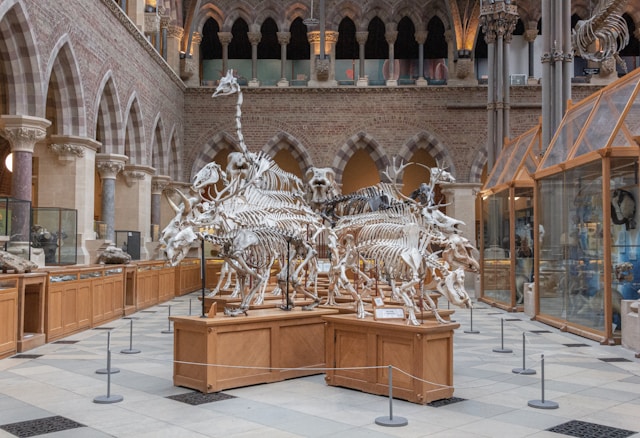
The Oxford University Museum of Natural History is renowned for its impressive collection of natural specimens and its stunning Victorian Gothic architecture. Established in 1860, the museum was designed to showcase the scientific achievements of the University of Oxford. Its cast iron columns and glass roof create a bright and airy interior, emphasizing the connection between science and nature. The museum is home to the world-famous Oxford Dodo skeleton, the only soft tissue remains of the extinct bird. The dinosaur exhibits are also a highlight, featuring fossils from the Jurassic Coast. The museum's role in the famous 1860 debate between Thomas Huxley and Bishop Samuel Wilberforce, concerning Darwin's theory of evolution, adds historical significance to its scientific heritage. The building itself is a work of art, with intricate carvings of plants and animals adorning its arches and columns. The museum continues to be a center of research and education, collaborating with the university's science departments. Its hands-on exhibits and public programs make it a popular destination for families and students alike. The combination of architectural beauty, scientific discovery, and historical relevance makes the Oxford University Museum of Natural History an essential part of Oxford's academic landscape.
Ads place
Ads place
Ads place
Ads place
Ads place
Pitt Rivers Museum in Oxford, United Kingdom

Pitt Rivers Museum

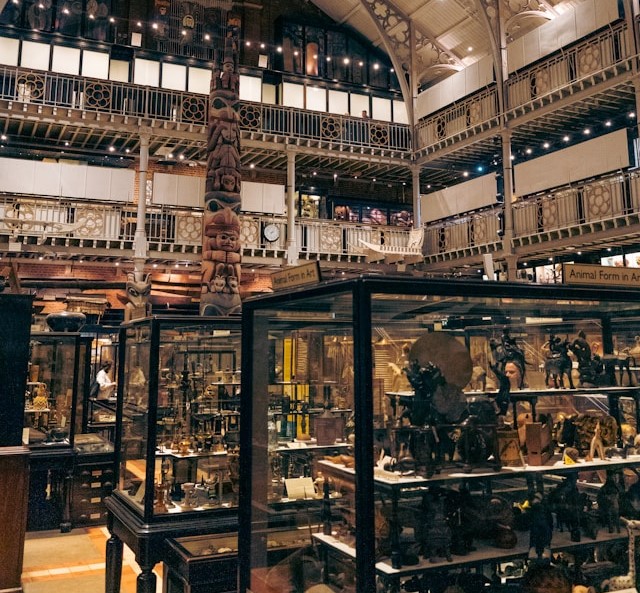
The Pitt Rivers Museum is a fascinating anthropological museum that showcases human creativity and cultural diversity from around the world. Founded in 1884 by General Augustus Pitt Rivers, the museum is known for its unique approach to display, organizing artifacts by type rather than origin or age. This arrangement offers a comparative perspective, allowing visitors to explore the similarities and differences in human ingenuity across cultures. The collection includes over half a million objects, ranging from ancient tools to ceremonial masks and textiles. The shrunken heads from South America are among the most famous exhibits, sparking curiosity and intrigue. The museum's dimly lit, densely packed display cases create an atmosphere of discovery, reminiscent of a Victorian cabinet of curiosities. The building itself is connected to the Oxford University Museum of Natural History, reflecting the interconnectedness of human culture and the natural world. The museum continues to play an active role in research and education, with its archives contributing to the study of anthropology and archaeology. Its focus on cultural preservation and understanding makes the Pitt Rivers Museum a vital institution for exploring humanity's shared heritage.
Ads place
Ads place
Ads place
Ads place
Ads place
Radcliffe Camera in Oxford, United Kingdom

Radcliffe Camera

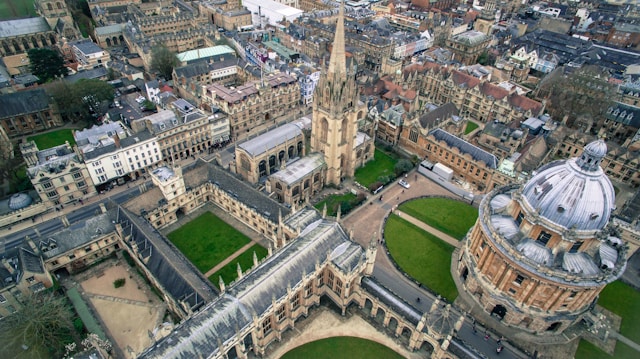
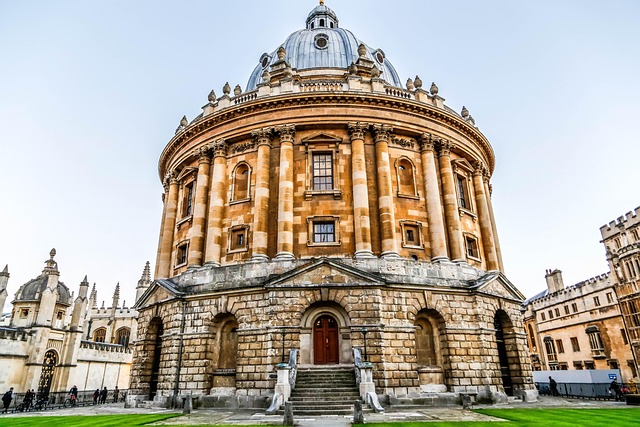
The Radcliffe Camera is one of the most iconic buildings in Oxford, known for its stunning neoclassical architecture and historical significance. Designed by James Gibbs and completed in 1749, it was originally built to house the Radcliffe Science Library. Its unique circular design, crowned with a magnificent dome, makes it a masterpiece of Palladian style. The building is part of the Bodleian Library complex and is used as a reading room for scholars. The interior is equally impressive, with a grand staircase leading to the upper gallery, surrounded by rows of bookshelves containing rare manuscripts and academic volumes. The Radcliffe Camera is not open to the general public, but guided tours provide a glimpse into its scholarly atmosphere. Its architectural beauty has inspired many artists and photographers, making it one of the most photographed landmarks in Oxford. An interesting historical fact is that the building was funded by the will of Dr. John Radcliffe, a prominent physician whose legacy continues through his contributions to medical education. The Radcliffe Camera's circular design was considered revolutionary at the time and has influenced library architecture worldwide. Its harmonious blend of form and function reflects the Enlightenment ideals of reason and knowledge, cementing its place in academic history.
Ads place
Ads place
Ads place
Ads place
Ads place
Sheldonian Theatre in Oxford, United Kingdom

Sheldonian Theatre

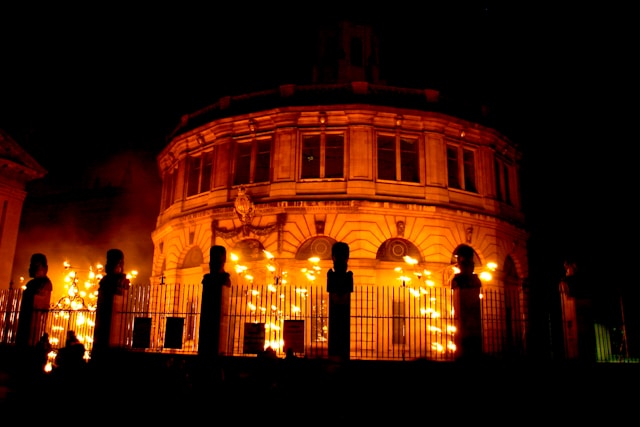
The Sheldonian Theatre is an architectural masterpiece designed by Sir Christopher Wren, serving as the ceremonial hall for the University of Oxford. Completed in 1669, it hosts university ceremonies, including graduations and lectures, as well as concerts and public events. The building's unique D-shaped design was inspired by ancient Roman theaters, showcasing Wren's innovative architectural vision. The painted ceiling by Robert Streater depicts an allegory of Truth and Knowledge, reflecting the university's intellectual pursuits. The theatre's acoustic design is exceptional, making it a popular venue for classical music performances. A lesser-known fact is that the Sheldonian was Wren's first major architectural project, influencing his later works, including St. Paul's Cathedral in London. Visitors can climb to the cupola for panoramic views of Oxford's historic skyline. Its role as a cultural and academic hub, combined with its architectural significance, makes the Sheldonian Theatre a symbol of Oxford's scholarly tradition.
Ads place
Ads place
Ads place
Ads place
Ads place