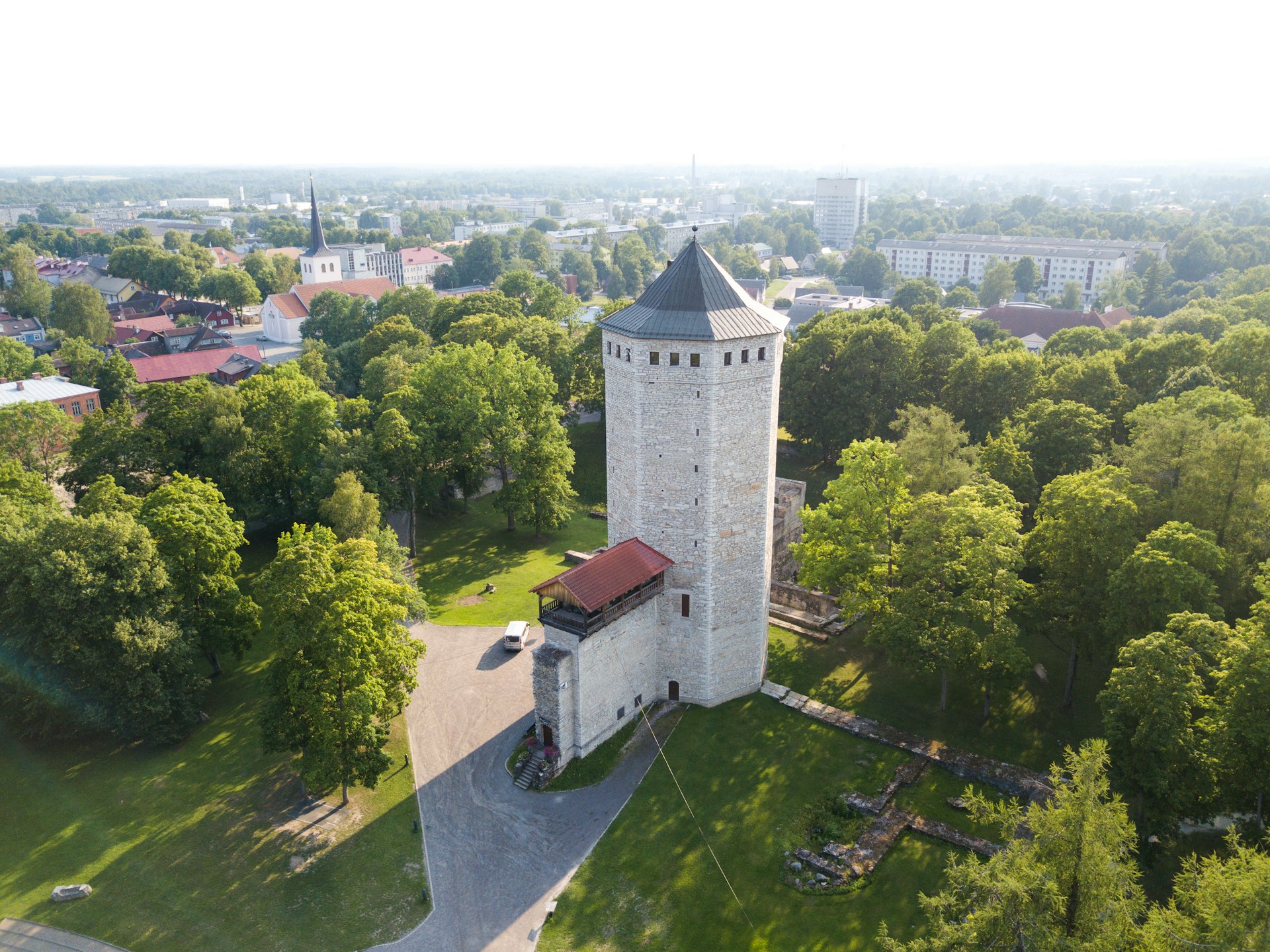

City view of Paide, Estonia

Paide

Paide is a small town in central Estonia, known for its historical significance and cultural heritage. The town's main attraction is the Paide Castle, which dates back to the 13th century. The castle's tower has been restored and now serves as a museum, offering panoramic views of the surrounding area. Paide is also famous for its annual Paide Opinion Festival, which brings together people from all over the country to discuss social and political issues. The town's parks, churches, and historical buildings create a peaceful and inviting atmosphere. Paide's central location makes it an ideal base for exploring the heart of Estonia.

Top attractions & things to do in Paide

If you’re searching for the best things to do in Paide, this guide brings together the top attractions and must-see places to visit in Paide. The top picks below highlight the most visited sights for first-time visitors, plus a few local favorites worth adding.

Endla Nature Reserve in Paide, Estonia

Endla Nature Reserve

Spanning more than 10,000 hectares, Endla Nature Reserve shelters one of Estonia’s most pristine peat-bog complexes and a network of artesian springs that feed the Põltsamaa River. Wooden boardwalks lead hikers over quaking moss carpets to the famed Männikjärve bog pool, whose mirror-still waters reflect stunted pines and dramatic cloudscapes perfect for sunrise photography. Observation towers offer sightings of black stork, western capercaillie, and autumn swarms of common cranes. Botanists admire carnivorous sundews, sphagnum hummocks, and rare orchids thriving in nutrient-poor peat. Interpretive panels explain how centuries-old peat layers act as climate archives and why the area was granted strict protection in 1985. A 7-kilometre Beaver Trail skirts dammed streams where fresh gnaw marks testify to industrious residents. Winter snowshoe tours reveal lynx tracks, while spring kayaking trips glide through flooded alder forests. Endla’s visitor centre hosts workshops on bog restoration and herbal tea brewing from wild cranberries. Offering tranquility, biodiversity, and hands-on conservation insight, Endla Nature Reserve provides an unforgettable immersion into Estonia’s wetland wilderness.
Ads place
Ads place
Ads place
Ads place
Ads place
Paide Castle in Paide, Estonia

Paide Castle

First recorded in the 13th-century chronicles of the Livonian Crusade, Paide Castle rose from local limestone as the Livonian Order’s central stronghold in Järvamaa. Its square keep—today called the Vallitorn—survived sieges by Polish, Swedish, and Russian forces before cannon fire toppled most curtain walls in 1573. Visitors now ascend seven multimedia floors that recreate a knight commander’s chamber, medieval kitchen aromas, and a chilling prison oubliette. Armour displays explain how crossbowmen once defended the trade route between Tallinn and Tartu, while rooftop battlements grant panoramic views across the green Paide drumlins. Summer weekends ignite with medieval festivals: minstrels play rebecs, blacksmiths forge helmet rivets, and children test archery beside a mock trebuchet. Candle-lit ghost tours recount the 1343 St George’s Night Uprising, when Estonian rebels briefly captured the tower. A cosy tavern in the cannon cellar serves juniper-smoked pork and honey beer brewed to a Hanseatic recipe. Illuminated after dusk, Paide Castle stands as a living classroom on frontier warfare, heritage conservation, and local pride.
Ads place
Ads place
Ads place
Ads place
Ads place
Paide Central Square in Paide, Estonia

Paide Central Square

Laid out on medieval trade routes, Paide Central Square has pulsed with commerce since market rights were granted in 1291. Today its cobbles frame a neoclassical Town Hall rebuilt after the 1941 fire, whose clock chimes on the hour above a granite monument celebrating the town’s 700-year jubilee. Colourful wooden houses now host craft chocolatiers, vintage vinyl shops, and cafés pouring locally roasted Arabica. On Fridays, farmers roll in with truckloads of black bread, forest mushrooms, and cloudberry jam; Saturdays see folk-dance troupes whirl in embroidered costumes during the Järvamaa Cultural Festival. Interactive info pillars project archival photos of horse fairs and 1905 political rallies, allowing visitors to swipe between eras. Warm evenings draw chess players to giant outdoor boards, while children splash through programmable fountain jets that trace Paide’s star-shaped bastions in water. In winter the square transforms into an ice rink encircled by spruce stalls selling mulled glögi and gingerbread. Equidistant from castle, church, and museum, Paide Central Square remains the social hearth where past and present meet over coffee and community gossip.
Ads place
Ads place
Ads place
Ads place
Ads place
Paide Church in Paide, Estonia

Paide Church

Completed in 1747 after Swedish-era plans, the Church of the Holy Cross crowns Paide’s skyline with its slender copper spire and weather-worn sandstone portal. Inside, a rare wood-carved altar from 1786 displays rococo angels swirling around a painted crucifix, while a finely restored baroque organ of 1890 fills the nave with resonant hymns during summer recital series. Sunlight filters through hand-blown glass panes onto pews built from local oak, and discreet wall plaques honour townsfolk lost in both World Wars. Weekly services alternate Estonian and German liturgies, reflecting centuries of multicultural parish life. The adjacent Kirikumägi park hosts candlelight Christmas markets where artisans sell juniper carvings and knitted mittens. Guided bell-tower climbs reveal cast-iron bells recast after a lightning strike in 1931 and expansive views of Paide Castle’s tower rising above linden trees. In spring, cherry blossoms fringe the surrounding cemetery, making it a peaceful spot for contemplation. With its blend of spiritual warmth, musical heritage, and understated architectural grace, Paide Church offers travellers a quiet window into Estonia’s devotional history.
Ads place
Ads place
Ads place
Ads place
Ads place
Wittenstein Time Center in Paide, Estonia

Wittenstein Time Center

Housed within the same Vallitorn keep, the Wittenstein Time Center turns eight spiral floors into a time-travel elevator through Estonia’s story. Guides in period costume summon visitors to a Viking longhouse where virtual reality shields display rune stones and Baltic amber trade routes. A smoky alchemist’s laboratory introduces the Hansa era with aromatic spices, while a thunderous cannon simulator drops guests into the 1558 Livonian War. Touch-table maps let users redraw borders during the Great Northern War, and a recreated printing press spreads clandestine newspapers from the 1905 revolution. In the Soviet level, an apartment kitchen pipes in propaganda radio and authentic ration cards; next, a neon arcade chronicles 1991’s Singing Revolution with interactive choir conductors. The finale lifts visitors onto a rooftop terrace where augmented binoculars overlay historical cityscapes onto present-day Paide. Multilingual soundscapes and tactile artefacts keep children engaged alongside scholars. Blending theatre, technology, and scholarship, Wittenstein proves that heritage museums can thrill the imagination while grounding audiences in factual timelines.
Ads place
Ads place
Ads place
Ads place
Ads place