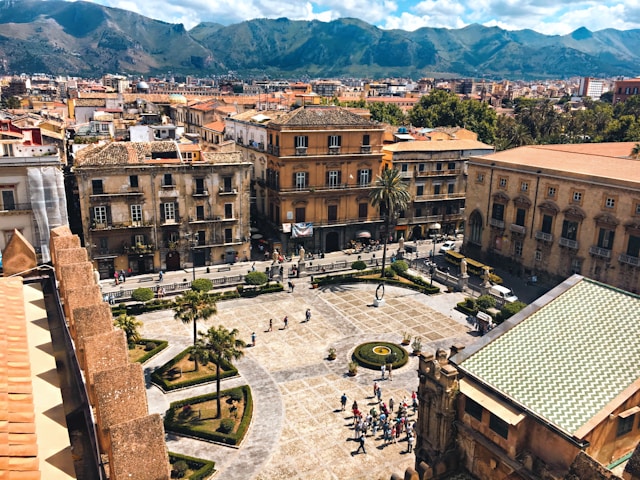
City view of Palermo, Italy

Palermo

Palermo, the capital of Sicily, is a city where history, culture, and gastronomy converge. Known for its rich heritage, Palermo offers visitors stunning architecture, vibrant markets, and an unforgettable culinary experience. The Palermo Cathedral, with its Norman-Arab-Byzantine influences, is a symbol of the city's diverse past. The city's bustling street markets, like Ballarò and Vucciria, are filled with local produce, street food, and the lively atmosphere of Sicilian daily life. Palermo is also home to the Palazzo dei Normanni, one of Europe's most beautiful royal residences, featuring the breathtaking Cappella Palatina. The city's coastal location provides picturesque views of the Mediterranean, while nearby beaches offer a serene escape. A visit to Palermo offers a blend of vibrant culture, historical depth, and unparalleled flavors.

Top attractions & things to do in Palermo

If you’re searching for the best things to do in Palermo, this guide brings together the top attractions and must-see places to visit in Palermo. The top picks below highlight the most visited sights for first-time visitors, plus a few local favorites worth adding.

Ballarò Market in Palermo, Italy

Ballarò Market

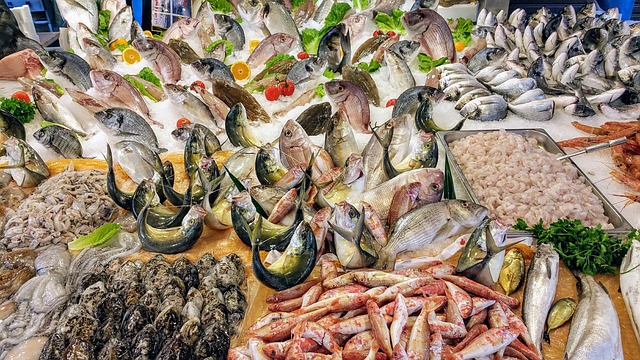
Ballarò Market is one of the oldest and most vibrant street markets in Palermo, brimming with local culture and flavor. Located in the heart of the city, it offers a sensory feast of fresh produce, seafood, and traditional Sicilian street food like arancini and panelle. The market's lively atmosphere is accentuated by the vendors' melodic calls and the aroma of cooking wafting through the air. Ballarò is not only a place to shop but also a cultural experience, where visitors can connect with Palermo's rich culinary heritage and enjoy an authentic slice of local life. Few realize the market follows the same layout as the 10th-century Arab souk that once stood here. At night, the streets transform into an open-air kitchen where chefs cook "ghiotteria" (gluttony) dishes using unsold ingredients from the day.
Ads place
Ads place
Ads place
Ads place
Ads place
Church of San Cataldo in Palermo, Italy

Church of San Cataldo

The Church of San Cataldo is a remarkable example of Norman-Arab architecture in Palermo. Its unique red domes, geometric design, and modest interior reflect a blend of Islamic and Christian influences, a hallmark of Sicilian art during the Norman era. Built in the 12th century, this UNESCO World Heritage Site is part of the Arab-Norman Palermo circuit. Visitors often admire the church's austere beauty, which stands in contrast to the ornate Baroque style commonly found in the city. San Cataldo is a must-visit for anyone interested in the historical and architectural diversity of Palermo. Intriguingly, the church's floor contains a hidden well that once supplied water for Muslim ablutions before prayers. Its three domes were originally covered in lead stolen by pirates in the 16th century, leaving the brick exposed.
Ads place
Ads place
Ads place
Ads place
Ads place
Fontana Pretoria in Palermo, Italy

Fontana Pretoria

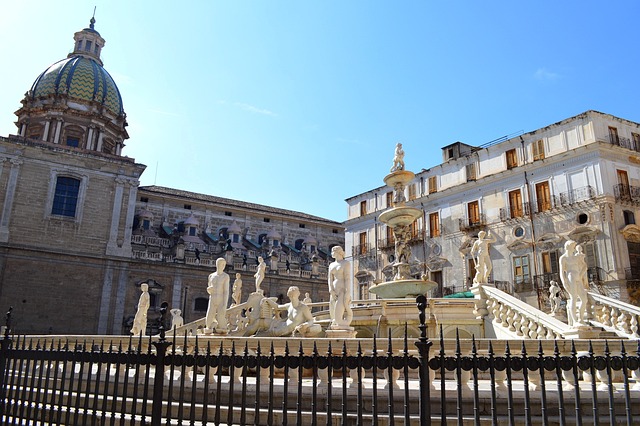
Fontana Pretoria, located in the heart of Palermo's historic center, is a magnificent example of Renaissance art and architecture. Known as the 'Fountain of Shame' due to its nude statues, this stunning fountain was originally designed by Florentine sculptor Francesco Camilliani in 1554. The fountain features an intricate arrangement of mythological figures, allegorical statues, and water basins, symbolizing Palermo's connection to the elements and divine forces. Its unique location in Piazza Pretoria, surrounded by grand baroque palaces and churches, makes it an iconic landmark. Over the years, it has become a symbol of Palermo's artistic and cultural legacy, drawing visitors who admire its craftsmanship and historic significance. The fountain was originally built for a Tuscan villa but was dismantled and shipped to Palermo in 600 pieces. Local nuns once draped the nude statues with cloth, earning it the "Fountain of Shame" nickname.
Ads place
Ads place
Ads place
Ads place
Ads place
Mondello Beach in Palermo, Italy

Mondello Beach

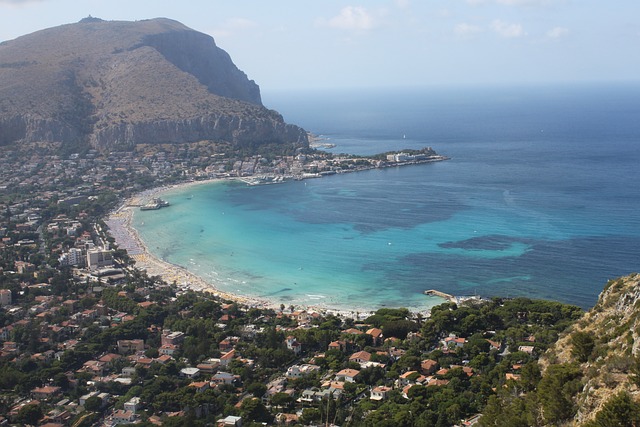
Mondello Beach is a stunning coastal retreat located just a short drive from central Palermo. Known for its turquoise waters and golden sands, it is a favorite destination for both locals and tourists seeking relaxation and recreation. The beach is surrounded by Art Nouveau villas and bustling seafood restaurants, making it an ideal spot to savor fresh Sicilian cuisine. Whether lounging under a sun umbrella or taking part in water sports such as windsurfing and paddleboarding, Mondello Beach provides a picturesque escape from the city's hustle and bustle. The beach was once a malaria-infested swamp until a Belgian entrepreneur drained it in 1910, creating the first lido. The iconic "Charleston Restaurant" pavilion was designed to resemble a ship's prow, honoring Palermo's maritime history.
Ads place
Ads place
Ads place
Ads place
Ads place
Norman Palace and Palatine Chapel in Palermo, Italy

Norman Palace and Palatine Chapel

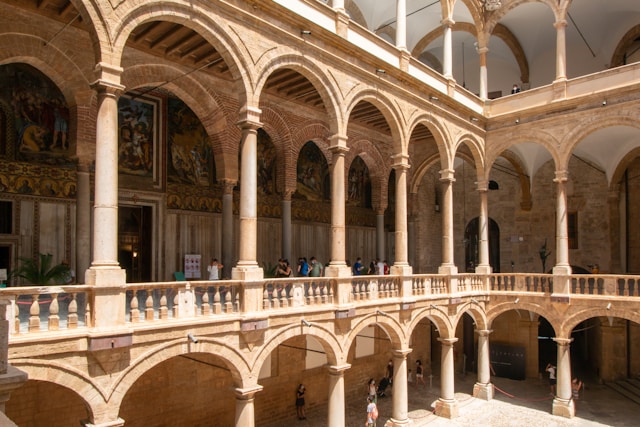
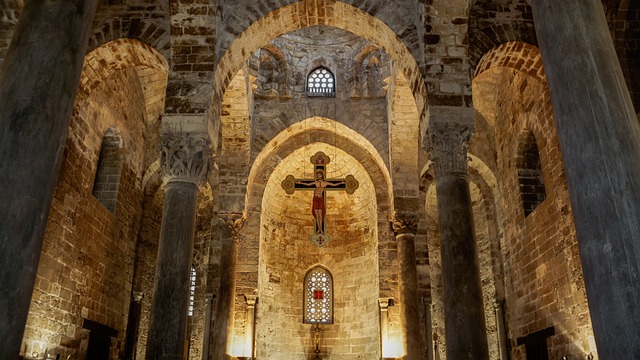
The Norman Palace, or Palazzo dei Normanni, is one of Palermo's most prestigious landmarks. It served as the seat of power for Sicily's Norman kings during the 12th century. Within the palace lies the breathtaking Palatine Chapel, an architectural gem featuring dazzling Byzantine mosaics, marble inlays, and a wooden muqarnas ceiling that reflects a fusion of Christian and Islamic artistry. The palace itself is a blend of Arab, Norman, and Baroque influences, housing the Sicilian Regional Assembly today. A visit to the Norman Palace offers a deep dive into Palermo's rich history and architectural grandeur. The chapel's mosaics contain gold flakes from Byzantine coins melted down by Norman artisans. A secret passage in the throne room leads to a medieval "whispering gallery" used for private royal communications.
Ads place
Ads place
Ads place
Ads place
Ads place
Palermo Cathedral in Palermo, Italy

Palermo Cathedral

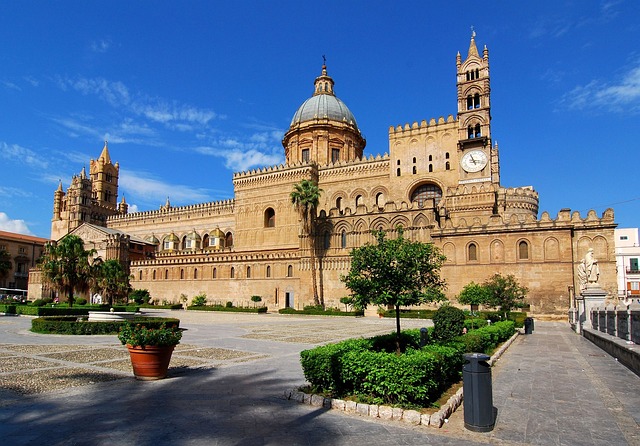
Palermo Cathedral, also known as the Cathedral of the Assumption of the Virgin Mary, is a magnificent structure showcasing a mix of architectural styles including Norman, Gothic, Baroque, and Neoclassical elements. Built in 1185 by Walter Ophamil, the cathedral has been a silent witness to Palermo's long and layered history. The interior is home to royal tombs, including those of Emperor Frederick II, and an impressive treasury filled with religious artifacts. Visitors can also climb to the rooftop terraces to enjoy breathtaking views of the city. The cathedral remains one of the most iconic landmarks in Palermo, drawing tourists and pilgrims from around the globe. Few know that the cathedral's sundial, installed in 1801, precisely marks noon via a sunbeam that aligns with a meridian line on the floor. Additionally, during WWII, its crypt was used to hide precious artworks from bombings, including the silver sarcophagus of Saint Rosalia.
Ads place
Ads place
Ads place
Ads place
Ads place
Quattro Canti in Palermo, Italy

Quattro Canti

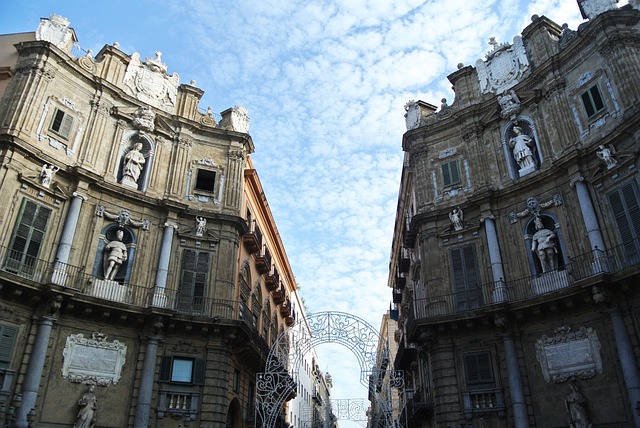
Quattro Canti, or Piazza Vigliena, is a historic crossroads and Baroque square in the heart of Palermo. Designed in the early 17th century, it features four concave façades adorned with fountains, statues, and intricate architectural details representing the four seasons, Spanish kings, and the patron saints of the city's four historic districts. Often referred to as the 'Theatre of the Sun,' Quattro Canti is a vibrant spot where Palermo's rich history and lively atmosphere converge. It is a popular gathering place for locals and tourists and a fantastic starting point for exploring the city's historic center. Each corner has a hidden sundial—when sunlight hits specific statues at noon, it marks the start of a new season. Beneath the square lies an ancient Roman road, visible through glass panels in the pavement.
Ads place
Ads place
Ads place
Ads place
Ads place
Teatro Massimo in Palermo, Italy

Teatro Massimo

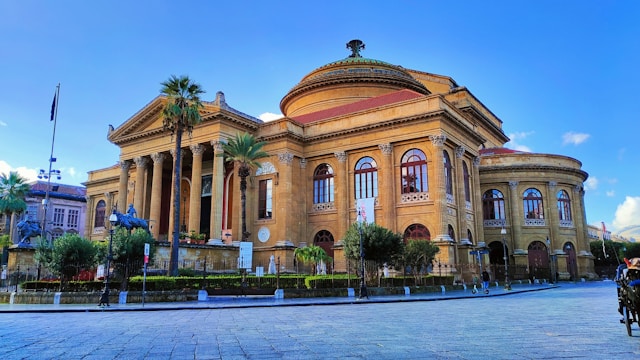
The Teatro Massimo in Palermo is Italy's largest opera house and the third-largest in Europe. Inaugurated in 1897, the theater is a masterpiece of neoclassical architecture designed by Giovanni Battista Filippo Basile. Its acoustics are world-renowned, making it a favorite among opera and music enthusiasts. Beyond its impressive performances, the Teatro Massimo offers guided tours that showcase its stunning interiors, including the grand foyer, the royal box, and the rooftop terrace. The theater also served as a filming location for iconic scenes in The Godfather Part III. It is an essential visit for culture lovers in Palermo. The theater's construction was delayed for 23 years due to corruption scandals, and its inaugural performance was interrupted by a riot over high ticket prices. Beneath the stage lies a "ghost door" used by performers to secretly exit during rehearsals.
Ads place
Ads place
Ads place
Ads place
Ads place
Teatro Politeama in Palermo, Italy

Teatro Politeama

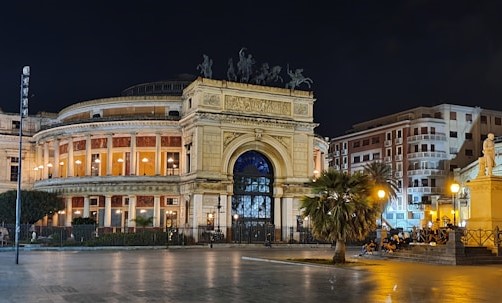
Teatro Politeama is one of Palermo's grandest cultural landmarks, renowned for its impressive neoclassical design and vibrant history. Completed in 1891, the theater serves as a venue for operas, concerts, and cultural events, hosting some of the most prestigious performances in Italy. Its majestic façade is adorned with a triumphal arch and bronze chariots, symbolizing artistic glory and Palermo's aspirations as a cultural hub. Inside, the theater boasts an opulent interior with intricate details and excellent acoustics, making it a favorite destination for art enthusiasts. Situated in Piazza Ruggero Settimo, Teatro Politeama also stands as a social and architectural focal point of the city. Few realize the theater's dome was originally painted with a starry sky that glowed under gaslight, and its foundation contains stones from the ancient Greek ruins of Soluntum.
Ads place
Ads place
Ads place
Ads place
Ads place
Zisa Palace in Palermo, Italy

Zisa Palace

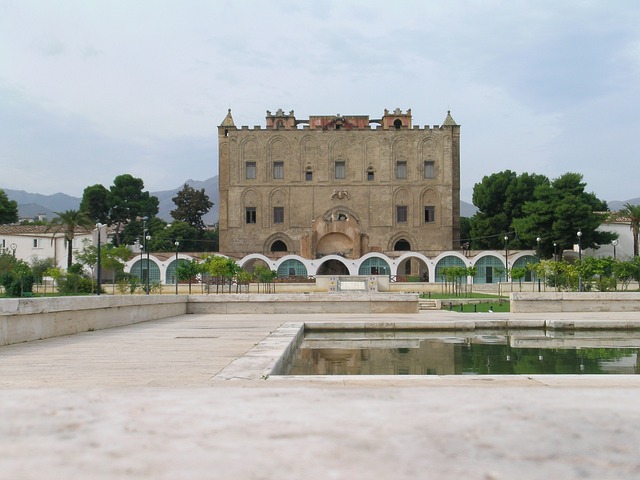
The Zisa Palace, or 'La Zisa', is an exquisite example of Arab-Norman architecture located in Palermo. Originally built in the 12th century as a summer residence for Norman kings, the palace is renowned for its intricate geometric designs and cooling water features. Today, it houses the Museum of Islamic Art, showcasing a collection of artifacts from the Mediterranean and the Middle East. The palace's name derives from the Arabic word 'al-Aziz,' meaning 'splendid,' a fitting description of its majestic appearance and historical significance. Few know the palace's central hall once had a waterfall cascading down marble steps to regulate temperature. During restoration, workers discovered a 12th-century love poem etched into a wall tile by a homesick Arab craftsman.
Ads place
Ads place
Ads place
Ads place
Ads place