
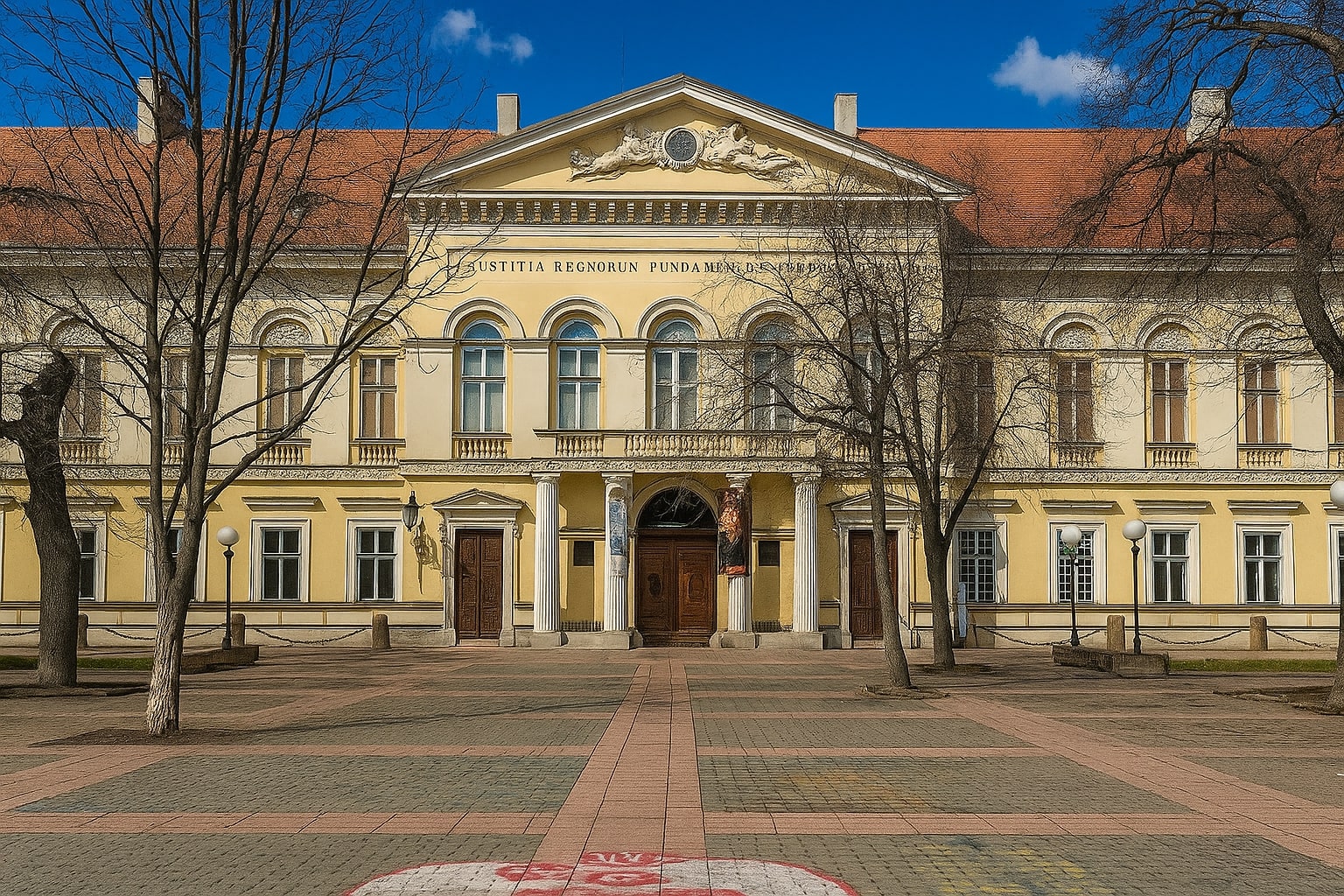
City view of Pancevo, Serbia

Pancevo

Pancevo leans on the Tamis and Danube with factories, galleries, and a reputation for mixing trade with art. Oil refineries and chimneys sketch the skyline, yet the cultural center keeps its stages busy with theater and jazz festivals that surprise visitors expecting only industry. The National Museum arranges paintings, icons, and local archaeology with calm authority, while nearby churches hold frescos that whisper stories of merchants and sailors. Cafes along the pedestrian zone serve thick coffee and pastries layered with poppy seeds, while the brewery tradition still bubbles in corner pubs. A walk to the old bridge brings both river wind and anecdotes about flood years when the community carried sandbags like hymnals. Saturday markets sell peppers, honey, and homemade soaps with equal pride, a reminder that craft survived modernization. Pancevo teaches you how contrasts coexist: chimneys beside storks, heavy industry beside poetry readings, a balance that feels earned.

Top attractions & things to do in Pancevo

If you’re searching for the best things to do in Pancevo, this guide brings together the top attractions and must-see places to visit in Pancevo. The top picks below highlight the most visited sights for first-time visitors, plus a few local favorites worth adding.

Church of the Dormition in Pancevo, Serbia

Church of the Dormition

At the end of a broad street the limestone facade gathers morning light and the square answers by lowering its voice. Built in the 19th century when permits arrived from the Austro-Hungarian administration the church blends Baroque curves with Classicism to state confidence without swagger. Inside the painted vault rises gently above a finely carved iconostasis and the floor remembers generations who learned patience by standing still. Candles tick the minutes while choirs rehearse harmonies that feel older than the bricks yet completely at home in this acoustic. Weddings spill flowers onto the steps and funerals gather neighbors into the same careful silence the building was designed to hold. Outside kiosks resume their chatter as if to prove that sacred and ordinary can share a fence without quarrel. By evening the tower glows softly and the clock makes a good argument for unhurried time in the middle of a working town.
Ads place
Ads place
Ads place
Ads place
Ads place
National Garden in Pancevo, Serbia

National Garden

Paths turn under plane trees and the city slows to a considerate pace where families and chess players share the same shade. The park took shape in the 19th century as Pancevo learned central European manners under the Austro-Hungarian crown and promenades became a public duty. A music pavilion still hosts weekend bands and its light ironwork nods to Secession taste without stealing attention from lawns and flower beds. Botanists once cataloged the plantings as an informal arboretum and gardeners keep that habit alive with careful pruning and seasonal rhythm. Children learn the map by fountains and grownups measure weeks by the return of lilac which is exactly how a local calendar should work. The garden feels modest in the best way and every bench behaves like a friendly sentence break. Leave by the river gate and you will notice your stride has borrowed the park's quieter grammar for the rest of the day.
Ads place
Ads place
Ads place
Ads place
Ads place
National Museum Pancevo in Pancevo, Serbia

National Museum Pancevo

Galleries unfold like chapters from river clay to printing presses and the route is edited with the confidence of a careful teacher. The collection grew through the 20th century yet begins with Roman fragments from the Banat plain and continues to guild tools maps and photographs that explain how industry reshaped daily life. Curators favor context over clutter and pair ethnography with city ledgers so fabric pattern and tax record speak to each other clearly. A room on the 19th century shows portraits of merchants and teachers whose patient work gave Pancevo its civic tone under the Austro-Hungarian crown. Temporary exhibitions invite contemporary artists to answer the archive which keeps history from falling asleep in its own success. Labels are concise without being thin and the lighting trusts the objects to do most of the talking. You step back onto the street with dates organized and the town's story feeling both solid and generous.
Ads place
Ads place
Ads place
Ads place
Ads place
Tamis Riverside Promenade in Pancevo, Serbia

Tamis Riverside Promenade

Morning mist lifts from the river and the walkway finds its rhythm in bicycles conversations and the hush of reeds. Here the town faces the confluence where the Tamis meets the Danube and you can read a whole chapter of Banat trade in the slow traffic of barges. Warehouse silhouettes recall the Austro-Hungarian era when customs houses timed the day by whistles and carts and the embankment gained its sturdy profile in the 19th century. Fishermen test the current while runners stitch long lines between benches and young trees that take well to river wind. In late afternoon the water mirrors brick and sky and gulls argue politely over a patch of light. Even simple details like mooring cleats and stone steps feel like footnotes to a longer text about patience and movement. Walk far enough and the town softens behind you yet never quite lets go which is exactly the point of a good promenade.
Ads place
Ads place
Ads place
Ads place
Ads place
Vojlovica Monastery in Pancevo, Serbia

Vojlovica Monastery

A short road south crosses fields and suddenly the church rises with a simple drum and a disciplined courtyard. Tradition places the foundation in the late 15th century connected to the Brankovic lineage that held this edge of the Danube plain and guarded routes toward the Balkans. Inside a carved iconostasis gathers gold leaf and shadow while later repainting preserves the calm faces of saints who look like neighbors. The refectory smells of wood smoke on cold mornings and the garden keeps beehives that make prayer and work share the same timetable. Pilgrims arrive quietly on feast days then linger under fruit trees because departure should never be abrupt from a place built for patience. Bells carry across flat land further than you expect and the sound edits your thoughts into simpler lines. You leave with dust on your shoes and a steadier sense of scale which is what monasteries often intend.
Ads place
Ads place
Ads place
Ads place
Ads place