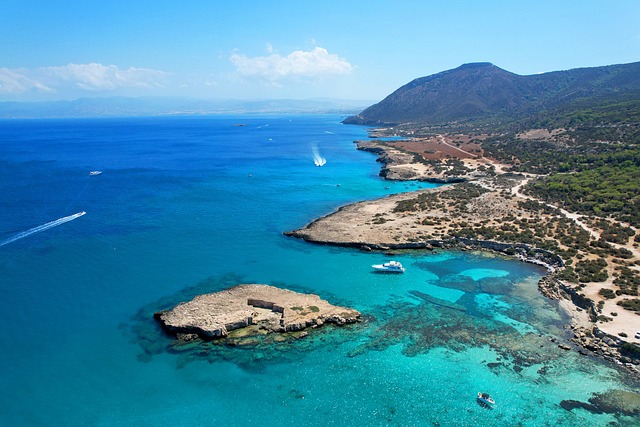
City view of Paphos, Cyprus

Paphos

Paphos, located on the southwest coast of Cyprus, is a city steeped in ancient history and mythology. Known as the birthplace of Aphrodite, the city is home to many archaeological sites, including the Paphos Archaeological Park, which is a UNESCO World Heritage site. The park features impressive Roman mosaics and ruins of ancient villas and theaters. Paphos also offers beautiful beaches, picturesque harbors, and charming streets filled with local shops and tavernas. The city's coastal promenade is perfect for sunset strolls. Paphos is ideal for history enthusiasts and those looking to relax in a scenic and historic environment.

Top attractions & things to do in Paphos

If you’re searching for the best things to do in Paphos, this guide brings together the top attractions and must-see places to visit in Paphos. The top picks below highlight the most visited sights for first-time visitors, plus a few local favorites worth adding.

Agia Kyriaki Chrysopolitissa in Paphos, Cyprus

Agia Kyriaki Chrysopolitissa

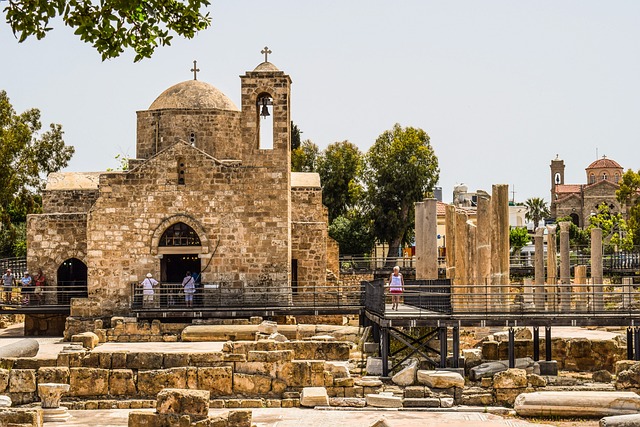
Agia Kyriaki Chrysopolitissa is an ancient church in Paphos, surrounded by ruins from early Christian basilicas. Built in the 13th century, the church is dedicated to Saint Kyriaki and features a charming stone exterior and a tranquil courtyard. The original 4th-century basilica floor contains a rare mosaic of two fish flanking a cross - secret Christian symbols. The site includes the remains of a Roman Catholic basilica, reflecting Paphos' diverse religious history. A 6th-century marble pulpit base displays carvings of peacocks, ancient symbols of immortality. Visitors can explore the archaeological remains and admire the simplicity of the church's design. The adjacent St. Paul's Pillar, where the apostle was said to have been flogged, adds a historical significance that draws both pilgrims and tourists. Hidden beneath the altar lies a Byzantine-era reliquary containing 4th-century martyrs' remains. The church's orientation aligns perfectly with Jerusalem's Church of Holy Sepulchre, reflecting medieval pilgrimage routes.

Ads place
Ads place
Ads place
Ads place
Ads place
Aphrodite's Rock in Paphos, Cyprus

Aphrodite's Rock

Aphrodite's Rock, also known as Petra tou Romiou, is a legendary spot associated with the birth of the goddess Aphrodite. Located along the scenic coast of Paphos, this picturesque rock formation is a symbol of beauty and mythology. The smaller offshore rock is called "Petra tou Romiou" after the Byzantine hero Digenis who threw it to sink Arab ships. According to legend, the goddess emerged from the sea foam at this location, making it a sacred and romantic destination for visitors. Marine archaeologists discovered ancient anchor stones nearby, evidence of Phoenician worship ceremonies. The surrounding beach offers crystal-clear waters and stunning views, making it a popular spot for swimming and taking photographs. It is an iconic landmark that attracts both locals and tourists alike. Local tradition claims swimming around the rock three times at sunrise grants eternal beauty. Geologists note the distinctive greenish serpentinite rock formed 90 million years ago during tectonic plate collisions.
Ads place
Ads place
Ads place
Ads place
Ads place
House of Dionysus in Paphos, Cyprus

House of Dionysus

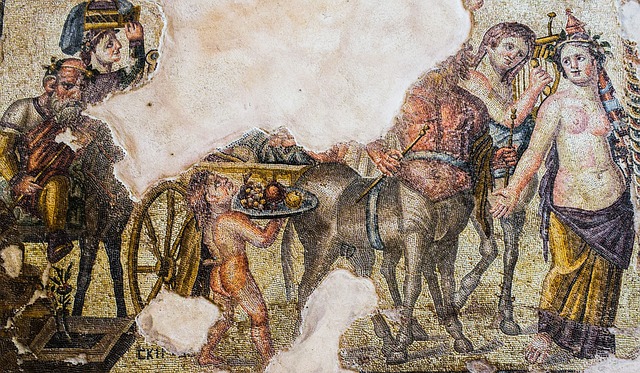
The House of Dionysus is one of the most famous sites in Paphos Archaeological Park, known for its stunning mosaics that date back to the Roman period. The villa features intricate floor mosaics depicting scenes from mythology, including Dionysus, the god of wine. One mosaic shows Icarius receiving the gift of wine-making, with 14 different grape varieties depicted. These artworks provide insight into the artistic skills and cultural life of the time. The villa's triclinium (dining room) features a central heating hypocaust system that could warm marble couches. Visitors can walk through the ruins and admire the colorful depictions that have been preserved for centuries. The House of Dionysus is a highlight for anyone interested in ancient art and history, showcasing the opulence of Roman Paphos. Infrared imaging recently revealed hidden underfloor heating systems beneath the mosaics. One mosaic panel contains over 15,000 individual tesserae per square meter, showcasing unparalleled craftsmanship.
Ads place
Ads place
Ads place
Ads place
Ads place
Panagia Chrysopolitissa Church in Paphos, Cyprus

Panagia Chrysopolitissa Church

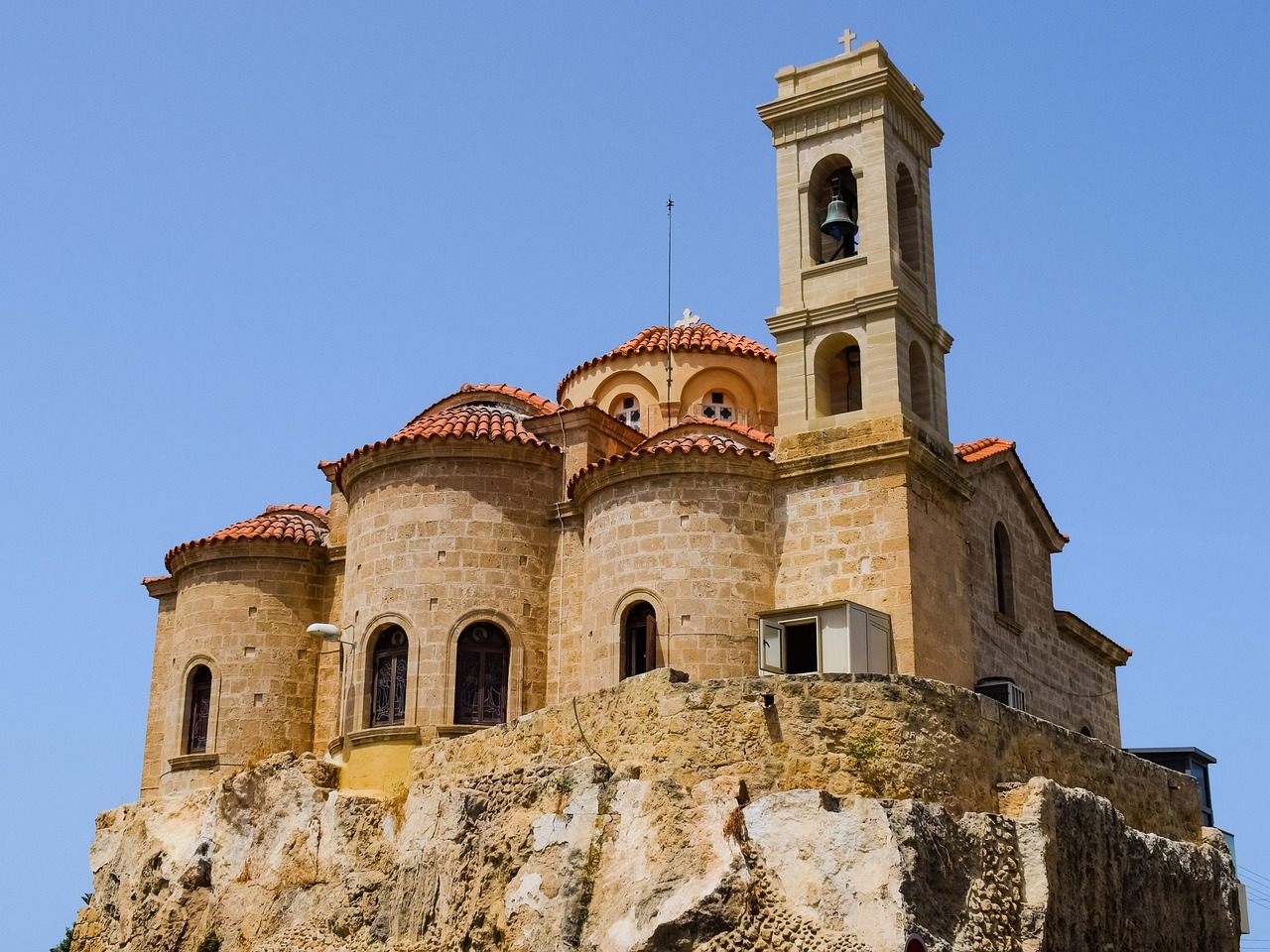
Panagia Chrysopolitissa Church is one of Paphos' most notable and historic Orthodox churches, situated amidst the ruins of an ancient basilica. Originally built in the 13th century, the church stands as a testament to Cyprus' rich Christian heritage. The wooden iconostasis features 18th-century icons painted using medieval techniques with egg tempera on gold leaf. The site includes the iconic Saint Paul's Pillar, where tradition holds that the apostle was flogged during his missionary journey. The pillar's base contains worn indentations from centuries of pilgrims pressing coins against it for blessings. The church itself is a charming example of Byzantine architecture, with a modest stone structure and simple yet captivating frescoes and icons that adorn its interior. Visitors often marvel at the church's serene atmosphere, enhanced by the surrounding archaeological remains of the old basilica and its impressive mosaics. Beneath the nave lies a crypt containing 7th-century frescoes of the Last Judgment. The church's bell, cast in Venice in 1571, still rings using its original bronze clapper.
Ads place
Ads place
Ads place
Ads place
Ads place
Paphos Archaeological Park in Paphos, Cyprus

Paphos Archaeological Park

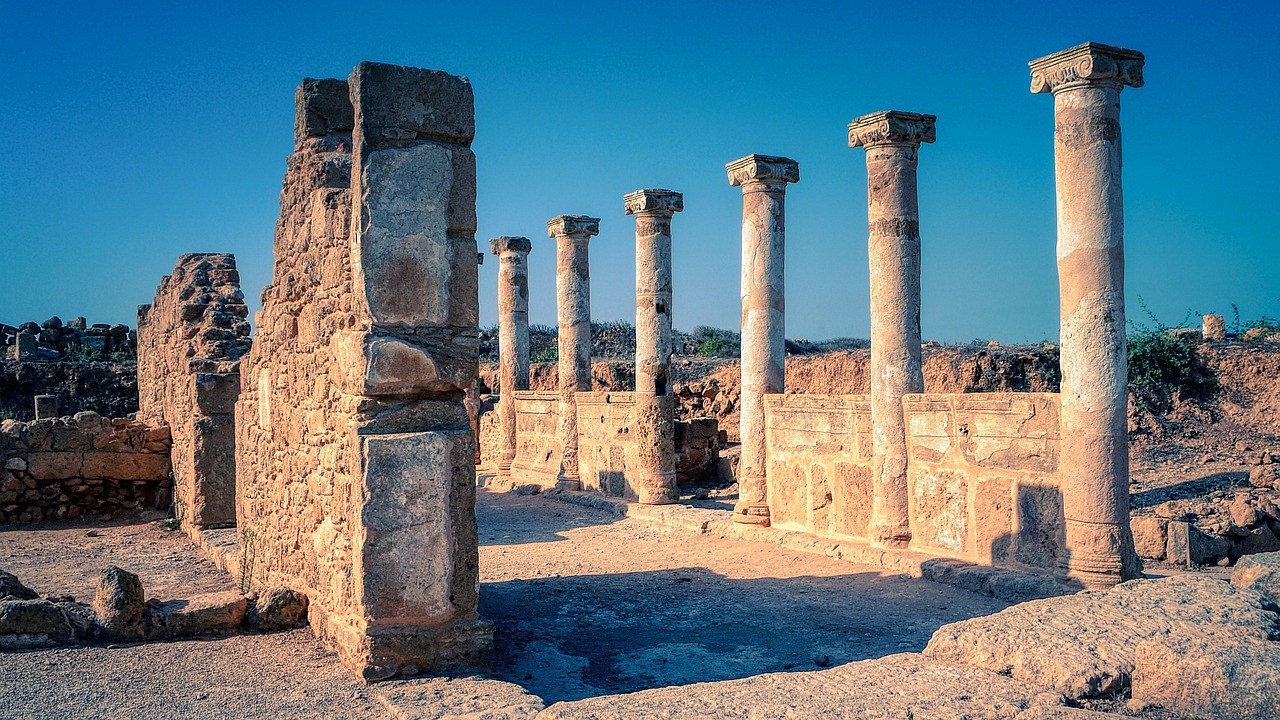
Paphos Archaeological Park is a treasure trove of ancient ruins and monuments that showcase the city's rich cultural heritage. The site contains remnants of Roman villas with intricate mosaics depicting scenes from Greek mythology. One villa's floor mosaic shows the first known depiction of the wine god Dionysus riding a panther, made from 30,000 stone tesserae. Visitors can explore well-preserved structures, including an amphitheater and a marketplace that offer insights into life in ancient Paphos. The agora's original lead water pipes remain intact underground, part of a sophisticated Roman plumbing system. The park's lush surroundings and sea views make it a pleasant place to walk while learning about the history of Cyprus. It is a UNESCO World Heritage site, recognized for its cultural and historical importance. Archaeologists recently uncovered a 2nd-century AD gymnasium complex with intact bathing pools. Night tours during full moons illuminate the mosaics with special lighting recreating ancient oil lamp effects.
Ads place
Ads place
Ads place
Ads place
Ads place
Paphos Castle in Paphos, Cyprus

Paphos Castle

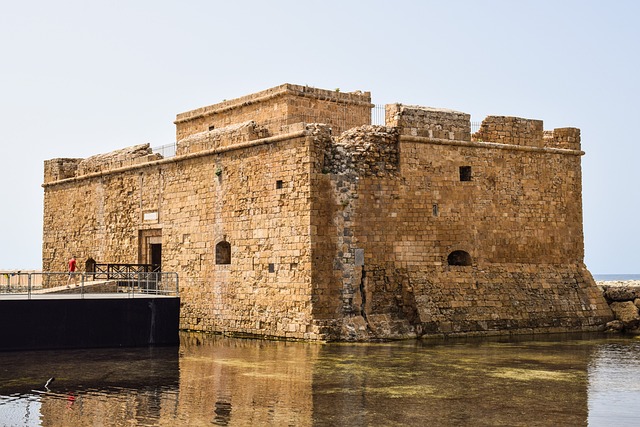
Paphos Castle is a medieval fortress located at the harbor of Paphos. Originally built as a Byzantine fort, it was later rebuilt by the Lusignans in the 13th century and restored by the Ottomans. The northwest tower contains a secret escape tunnel leading to the sea, used during the 1570 Ottoman siege. The castle has served various purposes over the centuries, including as a prison and warehouse. In 1943, British forces used the castle to store Enigma codebreaking machines during WWII. Today, it stands as a historic monument and a reminder of Paphos' strategic importance. Visitors can explore the castle's interior and climb to the top for panoramic views of the harbor and the surrounding area. It is a significant landmark that highlights the city's rich history. The castle's dungeon preserves 16th-century crusader graffiti carved by imprisoned knights. During Venetian rule, the fortress's cannons were famously loaded with marble balls quarried from nearby ancient sites.
Ads place
Ads place
Ads place
Ads place
Ads place
Paphos Municipal Beach in Paphos, Cyprus

Paphos Municipal Beach

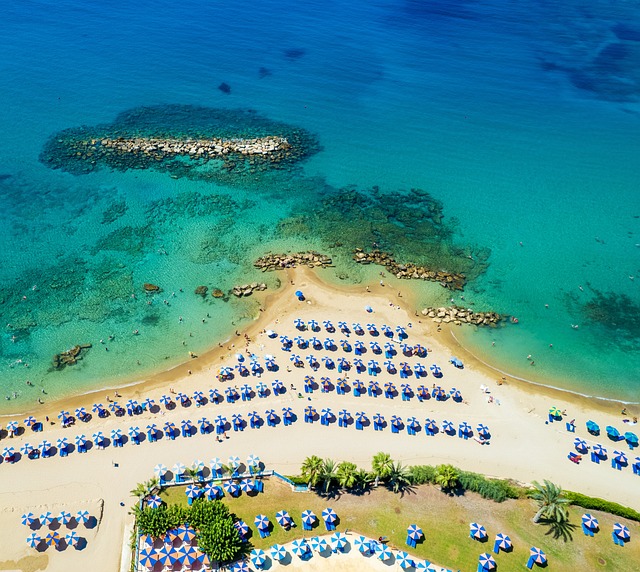
Paphos Municipal Beach is a popular spot for visitors looking to enjoy the sun and sea. Located close to the town center, this beach offers clear waters and golden sand, making it an ideal destination for families and tourists alike. The beach's unique microclimate allows seawater to stay 2°C warmer than nearby coasts until late autumn. The beach is well-equipped with facilities such as sun loungers, umbrellas, and nearby cafes, ensuring a comfortable and enjoyable experience for visitors. Marine biologists have identified 17 species of sea snails living in the beach's tidal pools. It's a perfect place for swimming, sunbathing, and relaxing, while also providing stunning views of the Mediterranean coastline and the historic Paphos Castle in the distance. The beach's unique sand composition contains fragments of Minoan pottery eroded over millennia. During low tide, ancient Roman fish-salting tanks become visible along the northern shoreline.
Ads place
Ads place
Ads place
Ads place
Ads place
St. Solomon's Catacombs in Paphos, Cyprus

St. Solomon's Catacombs

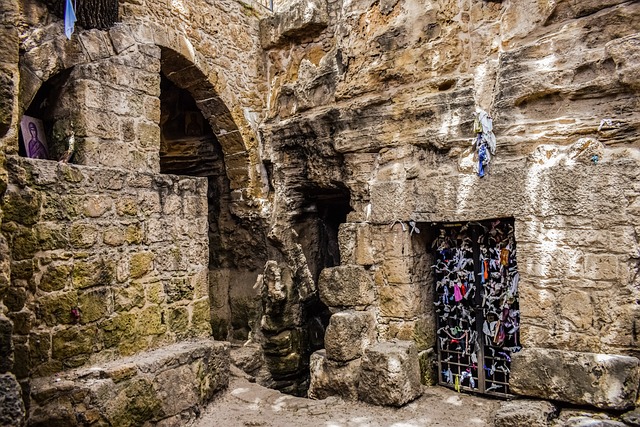
St. Solomon's Catacombs, located near the center of Paphos, are a series of ancient underground tombs and chapels. These catacombs are believed to date back to the early Christian period and have become a popular site for pilgrims and tourists. Wall carvings show early Christian symbols like ichthys (fish) and anchors hidden beneath later Ottoman inscriptions. The site includes the 'Holy Tree', where visitors traditionally tie pieces of cloth as a symbol of prayer and healing. Chemical analysis revealed the tree is a 400-year-old pistacia, miraculously growing in solid limestone. The atmospheric catacombs, with their frescoes and religious significance, offer a unique insight into the spiritual heritage of Paphos. It's a must-see destination for those interested in early Christian history and culture. Thermal imaging revealed hidden burial niches containing 5th-century oil lamps. The catacombs' natural spring water was believed by Byzantines to cure eye diseases.
Ads place
Ads place
Ads place
Ads place
Ads place
The Paphos Odeon in Paphos, Cyprus

The Paphos Odeon

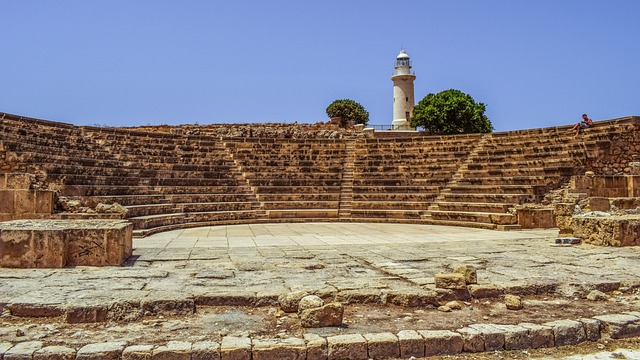
The Paphos Odeon is a small Roman amphitheater located within the Paphos Archaeological Park. Built in the 2nd century AD, this structure once hosted music and theatrical performances for the citizens of Paphos. The stage's original marble orchestra floor contains drainage channels for washing away animal blood after gladiatorial combats. The amphitheater is remarkably well-preserved, with stone seats arranged in a semi-circle around the stage. VIP seating areas bear Greek inscriptions reserving spots for city council members. Today, the Odeon is still used for cultural events, including open-air concerts and performances that revive the ancient tradition. Surrounded by ruins of ancient columns and temples, it provides visitors with a unique atmosphere, combining the charm of antiquity with the beauty of the Mediterranean setting. Acoustic tests show the Odeon's design amplifies voices naturally up to the 15th row. Recent excavations uncovered a backstage tunnel used by actors to make dramatic entrances.
Ads place
Ads place
Ads place
Ads place
Ads place
Tombs of the Kings in Paphos, Cyprus

Tombs of the Kings

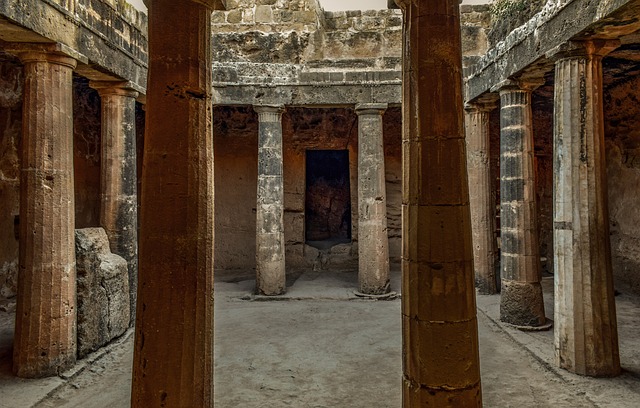
The Tombs of the Kings is a vast ancient necropolis in Paphos, dating back to the 4th century BC. This UNESCO World Heritage site features underground tombs carved out of solid rock, showcasing impressive architecture and craftsmanship. The largest tomb complex covers over 800 qm with Doric columns framing its central atrium, demonstrating Alexandrian architectural influences. The tombs were intended for high-ranking officials and aristocrats rather than kings, reflecting the burial traditions of the Hellenistic and Roman periods. Recent excavations found ritual oil lamps arranged in protective spiral patterns around burial chambers. Surrounded by beautiful Mediterranean landscapes, the site provides a fascinating look into ancient Cypriot history. It is a must-visit for history enthusiasts, offering a glimpse into the island's rich past. Recent laser scans revealed hidden chambers decorated with faded frescoes of funeral processions. Every autumn equinox, sunlight aligns perfectly with the main tomb's entrance corridor, demonstrating ancient engineers' astronomical knowledge.
Ads place
Ads place
Ads place
Ads place
Ads place