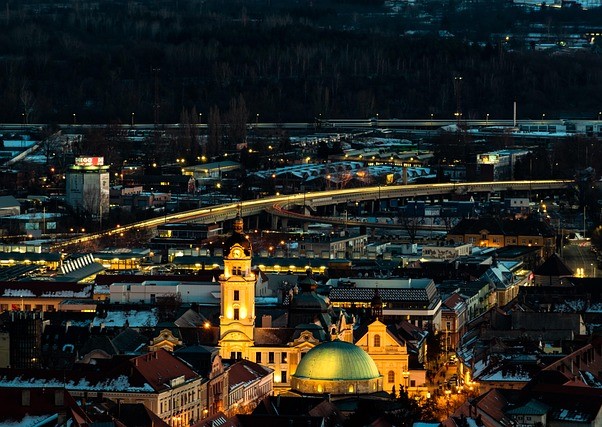
City view of Pécs, Hungary

Pécs

Pécs, nestled at the foot of the Mecsek Hills, enchants with its Mediterranean ambiance, Roman heritage, and creative spirit. The UNESCO-listed Early Christian Necropolis reveals ancient frescoed tombs, while the city’s most iconic landmark, the green-domed Mosque of Pasha Qasim, elegantly blends Ottoman and Christian architecture on Széchenyi Square. Cobbled lanes wind through the Zsolnay Cultural Quarter, home to vibrant ceramic tilework, galleries, and artisan workshops. Climb the TV tower for sweeping views of terracotta rooftops and surrounding vineyards. The University of Pécs, founded in 1367, infuses the city with youthful energy and lively festivals. Sip local wines in sun-drenched cafés, or sample Pécsi sör in rustic pubs. From street art and jazz concerts to classical performances in the Kodály Centre, Pécs celebrates a fusion of cultures and centuries, earning its reputation as one of Hungary’s most inspiring cities. The annual Pécs International Dance Festival brings performers from around the world, lighting up the city’s theaters each autumn.

Top attractions & things to do in Pécs

If you’re searching for the best things to do in Pécs, this guide brings together the top attractions and must-see places to visit in Pécs. The top picks below highlight the most visited sights for first-time visitors, plus a few local favorites worth adding.

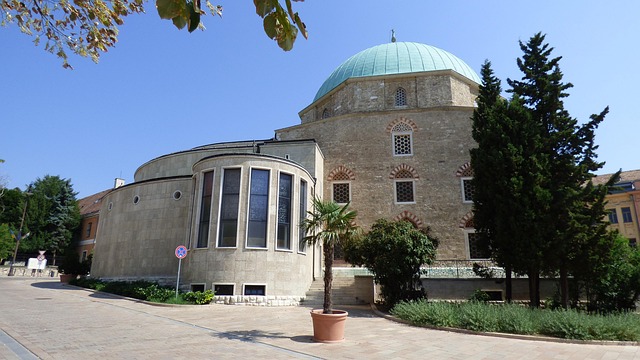
Mosque of Pasha Qasim in Pécs, Hungary

Mosque of Pasha Qasim

The Mosque of Pasha Qasim stands as a vivid reminder of the Ottoman era in Hungary. Built in the 16th century during the rule of Pasha Qasim, this unique structure now serves as a Catholic church but retains its Islamic architectural features, including the original mihrab and dome. The interior is decorated with Islamic inscriptions, Christian iconography, and stained glass, reflecting a blend of faiths. The mosque sits at the center of Szechenyi Square, the beating heart of Pecs, and its green copper dome is a city landmark. A hidden passage beneath the building, once used for ritual washing, is occasionally opened to visitors. Throughout the year, the site hosts interfaith concerts and educational events. Local legend tells of a secret chamber beneath the mosque that safeguarded valuable manuscripts during the Ottoman retreat. This remarkable building embodies the meeting of cultures that defines Pecs.
Ads place
Ads place
Ads place
Ads place
Ads place
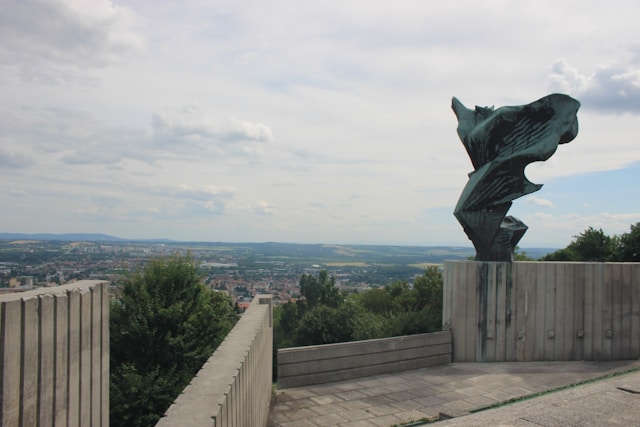
Nike Statue Pecs in Pécs, Hungary

Nike Statue Pecs

The Nike Statue, also called the Statue of Victory, is a striking symbol of freedom and hope that greets visitors at the entrance to Pecs’s central park. Created by sculptor Tamas Varga in the 1970s, the bronze figure depicts the ancient Greek goddess Nike with her arms outstretched, as if summoning peace. The statue commemorates Pecs’s liberation from fascist occupation and has since become a popular gathering point for commemorations and civic events. Inscribed on its base are verses by Hungarian poets celebrating resilience. Each year, the statue is adorned with flowers during city celebrations. Local tradition holds that touching Nike’s foot before an exam brings good luck to students from the nearby university. The park surrounding the statue offers scenic walks and views of the Mecsek hills, further cementing the Nike Statue as a symbol of inspiration for generations of Pecs residents.
Ads place
Ads place
Ads place
Ads place
Ads place
Pecs Cathedral in Pécs, Hungary

Pecs Cathedral

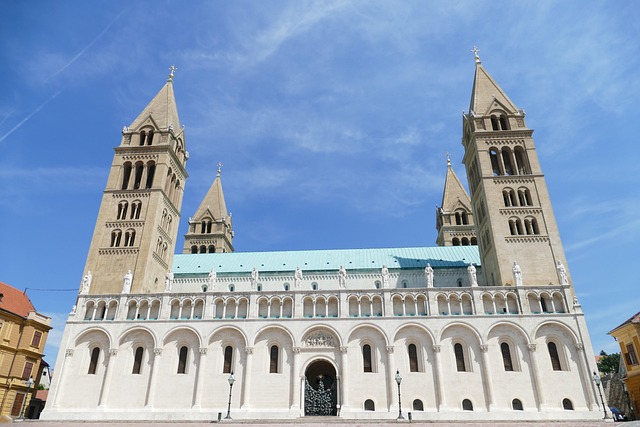
Pecs Cathedral rises above the city as a symbol of resilience and faith, with foundations dating back to the 11th century. Over time, the cathedral has seen Romanesque, Gothic, Renaissance, and Baroque renovations, each leaving a mark on its distinctive architecture. The interior dazzles with frescoes by Karoly Lotz and gilded woodwork. The four soaring towers offer panoramic views, while the crypt shelters the tombs of early Christian bishops. An intriguing discovery here was a collection of ancient sarcophagi and mosaics, unearthed during 20th-century excavations. The cathedral is also famed for its splendid organ, which draws music lovers for annual festivals. Throughout history, the site served as a place of coronation and sanctuary during wartime. A little-known secret is the catacombs beneath the sanctuary, open on special guided tours. Pecs Cathedral stands at the crossroads of culture, spirituality, and art, embodying the city's layered history.
Ads place
Ads place
Ads place
Ads place
Ads place
Pecs National Theatre in Pécs, Hungary

Pecs National Theatre

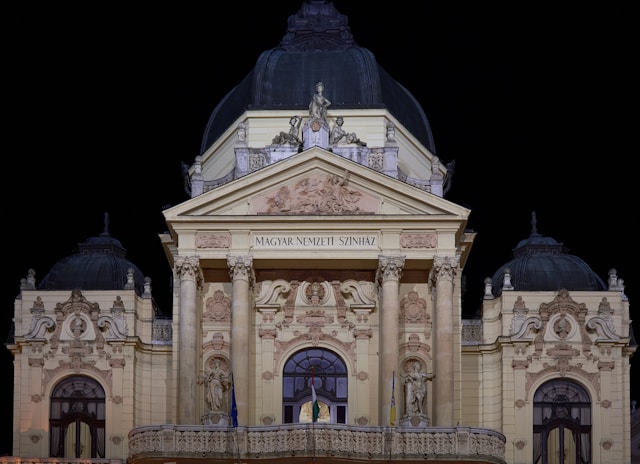
The Pecs National Theatre is a beacon of cultural life, originally constructed in 1895 in an eclectic style combining neobaroque and neorenaissance elements. The theatre has hosted performances by legendary Hungarian actors and international stars, becoming a center of drama and music for southern Hungary. The gilded auditorium and grand chandelier are particularly impressive, while backstage tours reveal the historic stage machinery and costumes. Each spring, the Pecs National Theatre Festival draws troupes from across the country. The theater’s main facade is adorned with statues representing comedy and tragedy, and the lobby displays portraits of renowned playwrights. During World War II, the theater was used as a shelter, and some of its old props were hidden to prevent confiscation. Today, the venue embraces contemporary performances and experimental productions. Its vibrant schedule makes it an essential stop for fans of the performing arts.
Ads place
Ads place
Ads place
Ads place
Ads place
Statue Of Franz Liszt in Pécs, Hungary

Statue Of Franz Liszt

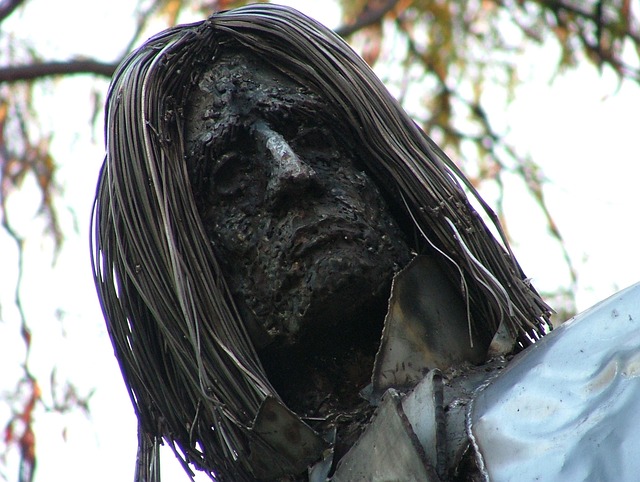
The statue of Franz Liszt in Pecs pays tribute to the legendary composer and pianist who performed in the city during his acclaimed tours in the 19th century. Sculpted by Gyorgy Vastagh, this lifelike bronze monument captures Liszt mid-performance, his expressive features immortalized in music’s throes. Situated near the concert hall, the statue is a favorite spot for music lovers and aspiring musicians, many of whom leave flowers or handwritten notes at its base. A plaque nearby details Liszt’s historic 1846 concert in Pecs, which reportedly drew audiences from across southern Hungary. The monument is part of the city’s annual Liszt Festival, drawing world-class performers to honor his legacy. An interesting tradition: on Liszt’s birthday, local students gather for impromptu performances by the statue, celebrating his enduring influence on classical music and Hungarian culture.
Ads place
Ads place
Ads place
Ads place
Ads place
Szechenyi Square in Pécs, Hungary

Szechenyi Square

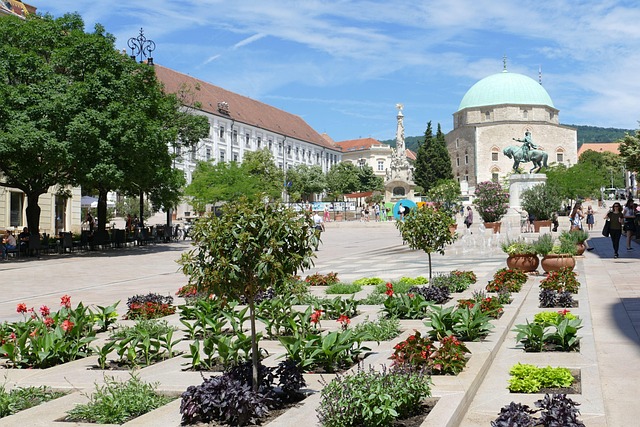
Szechenyi Square is the vibrant centerpiece of Pecs, surrounded by historic landmarks and colorful baroque facades. The square’s centerpiece is the equestrian statue of Janos Hunyadi, a celebrated 15th-century military leader. Here you’ll also find the iconic Mosque of Pasha Qasim, the Town Hall, and bustling outdoor cafes. The square’s pavement overlays ancient Roman ruins, portions of which are visible through glass panels. Seasonal festivals, markets, and open-air concerts fill the square with life year-round. On summer evenings, the square is illuminated with artistic light installations and music. It’s also the site of the annual Wine and Champagne Festival, drawing locals and tourists alike. Nearby stands the Holy Trinity Column, erected in gratitude for deliverance from plague. Szechenyi Square’s unique blend of history, culture, and lively social scene make it an unmissable spot for anyone visiting Pecs.
Ads place
Ads place
Ads place
Ads place
Ads place
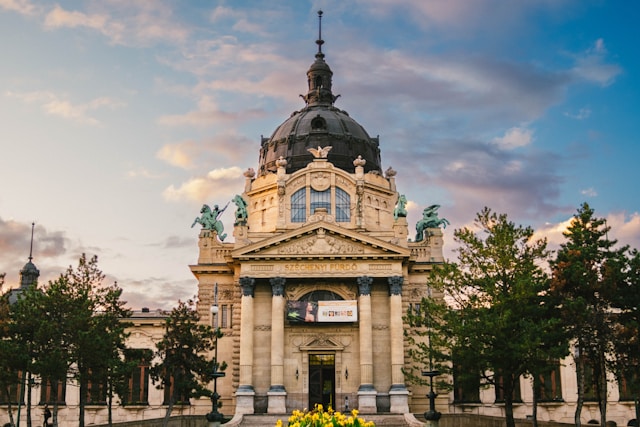
Szechenyi Thermal Bath in Pécs, Hungary

Szechenyi Thermal Bath

Szechenyi Thermal Bath in Pecs is a beloved wellness destination with a heritage stretching back to Turkish times. This historic bathhouse utilizes natural hot springs discovered centuries ago, providing soothing mineral waters reputed for their healing properties. The current facility, built in the 19th century, features a blend of neo-renaissance and Ottoman design, with elegant arches, domed ceilings, and colorful tilework. The indoor pools are complemented by a tranquil garden area and a dedicated sauna section. Locals say the thermal waters can relieve ailments from arthritis to stress. A little-known fact: remnants of the original Ottoman bath are still visible in the basement, accessible only during special tours. Seasonal wellness events, aqua aerobics, and traditional massage therapies attract visitors year-round. The Szechenyi Thermal Bath stands as both a social hub and a sanctuary for health, bringing together history, architecture, and the restorative power of nature.
Ads place
Ads place
Ads place
Ads place
Ads place
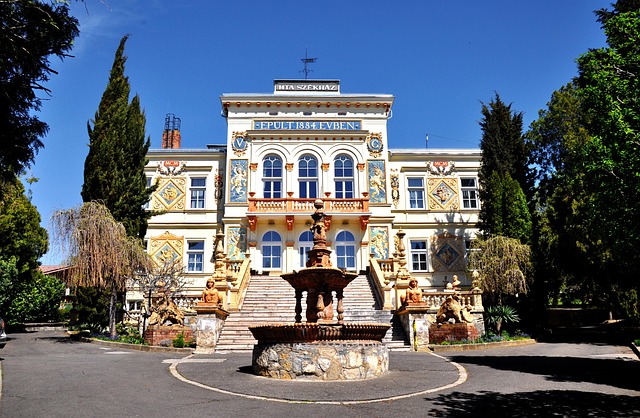
Vasvary Villa in Pécs, Hungary

Vasvary Villa

Vasvary Villa is an elegant example of early 20th-century architecture, nestled in one of Pecs’s leafy residential quarters. Commissioned by the prominent Vasvary family, the villa showcases art nouveau and eclectic influences, with ornate wrought-iron balconies and stained-glass windows. The villa has served various cultural purposes, housing a city museum and hosting literary salons attended by Pecs’s intellectual elite. The beautifully landscaped gardens feature rare plants and a historic fountain, making it a popular setting for art exhibitions and garden concerts. Guided tours reveal the villa’s sumptuous interiors, including wood-paneled drawing rooms and original ceramic fireplaces. A fascinating detail is a hidden safe built into the wall, rumored to have protected family treasures during wartime. Vasvary Villa remains a cherished landmark that reflects the city’s artistic spirit and dynamic social life, embodying the refined tastes of its early residents.
Ads place
Ads place
Ads place
Ads place
Ads place
Zsolnay Cultural Quarter in Pécs, Hungary

Zsolnay Cultural Quarter

The Zsolnay Cultural Quarter is a vibrant complex honoring the legacy of the renowned Zsolnay porcelain factory, founded in 1853. The area now hosts museums, galleries, and creative spaces set among colorful, art-nouveau buildings. Visitors can admire the Glazed Ceramic Roofs and ornate decorations produced by the Zsolnay family. The Zsolnay Museum houses rare ceramics, experimental pieces, and even the original kiln. Artisans still work in the quarter, and guests can watch porcelain-making demonstrations or join hands-on workshops. A fascinating secret is the Labyrinth of Light, an underground art installation inspired by the city’s Roman and Ottoman past. The quarter is also home to the Puppet Museum and the Bóbita Puppet Theatre, attracting families year-round. Seasonal festivals, concerts, and food fairs bring the area alive. The Zsolnay Cultural Quarter is a creative heart of Pecs, where tradition and innovation blend seamlessly.
Ads place
Ads place
Ads place
Ads place
Ads place
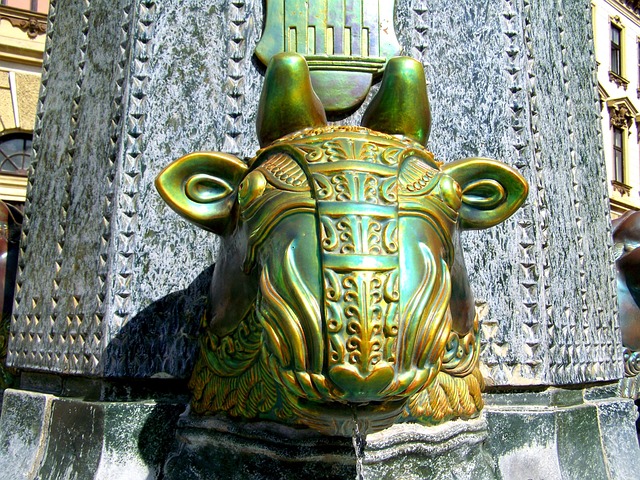
Zsolnay Fountain in Pécs, Hungary

Zsolnay Fountain

The Zsolnay Fountain is one of Pecs’s most beloved public artworks, created in 1908 by sculptor Andor Pilch and the famed Zsolnay Porcelain Factory. Adorned with mythical creatures, glazed tiles, and vibrant peacock motifs, the fountain sits prominently on Szechenyi Square. The distinctive green, yellow, and blue glazes were a technical innovation of their time. Local legend claims that tossing a coin into the fountain ensures a return to Pecs. The surrounding benches are also decorated with Zsolnay ceramics, and the area is a popular meeting place for both residents and visitors. The fountain is illuminated at night, casting a magical glow across the square. Restoration efforts have carefully preserved its original color and detail. Each spring, the city celebrates the Zsolnay heritage with a festival featuring ceramic workshops and guided walks. The fountain reflects the spirit of creativity and artistry for which Pecs is known.
Ads place
Ads place
Ads place
Ads place
Ads place