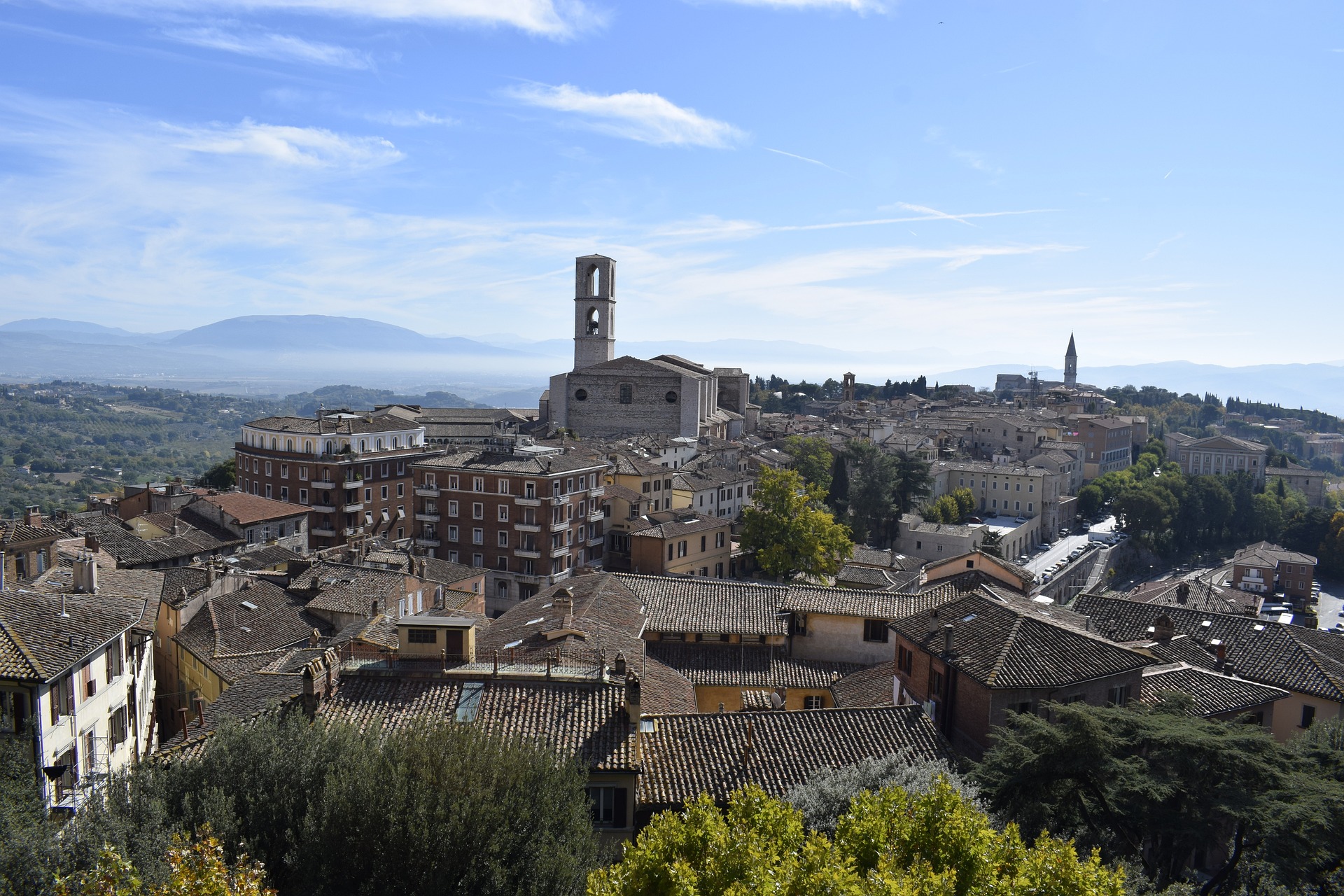

City view of Perugia, Italy

Perugia

Perugia, the capital of the Umbria region, is a historic city known for its stunning hilltop views, medieval architecture, and vibrant cultural scene. The city's historic center is a maze of narrow streets and charming piazzas, with landmarks like the Fontana Maggiore and the Palazzo dei Priori taking center stage. Perugia is also home to the National Gallery of Umbria, which showcases masterpieces of Italian art. Renowned for its chocolate, the city hosts the annual Eurochocolate Festival, attracting visitors from around the world. Perugia's unique blend of history, art, and culinary delights makes it an enchanting destination.

Top attractions & things to do in Perugia

If you’re searching for the best things to do in Perugia, this guide brings together the top attractions and must-see places to visit in Perugia. The top picks below highlight the most visited sights for first-time visitors, plus a few local favorites worth adding.

Etruscan Well in Perugia, Italy

Etruscan Well

The Etruscan Well (Pozzo Etrusco) is a remarkable ancient structure located in the heart of Perugia. Built during the 3rd century BC, this well showcases the extraordinary engineering skills of the Etruscans, who were responsible for much of the early development of the region. The well was constructed to provide water to the city and features a deep vertical shaft that reaches down to the underground aquifers. Visitors can descend into the well via a staircase, where they can marvel at its sophisticated design and the precision with which it was built. The walls of the well are made of large stone blocks, which have stood the test of time and continue to impress visitors with their durability and craftsmanship. The Etruscan Well offers a fascinating glimpse into the ancient history of Perugia, providing a connection to the city's Etruscan roots, long before the Romans established their presence in the region. The well is an excellent example of early engineering and is one of the most significant remnants of the Etruscan civilization in Perugia. For those interested in ancient history and archaeology, the Etruscan Well is an essential stop that reveals the ingenuity of one of Italy's oldest civilizations.
Ads place
Ads place
Ads place
Ads place
Ads place
Palazzo dei Priori in Perugia, Italy

Palazzo dei Priori

The Palazzo dei Priori is one of the most important and majestic Gothic buildings in Perugia. Located in the heart of the historic center, the palace was originally constructed in the 13th century as the seat of the city's government. Its imposing façade is a testament to Perugia's medieval power and wealth, with beautiful carvings and intricate details that reflect the city's prosperous past. Today, the palace houses the National Gallery of Umbria, which displays an impressive collection of Renaissance and medieval art, including works by the renowned artists Pietro Vannucci (Perugino) and Pinturicchio. The gallery provides a fascinating glimpse into the artistic heritage of the region, showcasing the evolution of Umbrian art over centuries. Visitors can explore the grand halls of the Palazzo dei Priori, including the majestic Sala dei Notari, which features frescoes and decorative elements that date back to the palace's original construction. The building also includes the Civic Museum, where visitors can learn about the history of Perugia from the medieval period to the present. The Palazzo dei Priori is not only an architectural gem but also a key cultural institution in Perugia. Whether you are an art lover, a history enthusiast, or simply someone interested in exploring the city's medieval past, the Palazzo dei Priori is an essential destination.
Ads place
Ads place
Ads place
Ads place
Ads place
Perugia Cathedral in Perugia, Italy

Perugia Cathedral

The Perugia Cathedral, also known as the Cathedral of San Lorenzo, is one of the most significant religious structures in the city and a stunning example of Gothic architecture. Situated in the prominent Piazza IV Novembre, this cathedral is dedicated to San Lorenzo, the patron saint of Perugia. The cathedral was built between the 13th and 14th centuries and boasts remarkable artistic details, including exquisite frescoes, stained glass windows, and sculptures. The interior of the cathedral is breathtaking, with its peaceful and spiritual atmosphere. The highlight of the cathedral is the intricate artwork that adorns the interior, including frescoes by the renowned Perugian artist Pietro Vannucci, also known as Perugino. The church also contains several important religious relics and artifacts, making it an essential destination for those interested in Perugia's religious and cultural history. The cathedral's exterior is equally impressive, with a grand façade that showcases the best of Gothic architecture. The Perugia Cathedral has long been an important place of worship for the people of Perugia and remains a symbol of the city's rich spiritual heritage. For visitors, the cathedral offers a unique blend of art, architecture, and history, making it an essential stop on any tour of Perugia.
Ads place
Ads place
Ads place
Ads place
Ads place
Piazza IV Novembre in Perugia, Italy

Piazza IV Novembre

Piazza IV Novembre is the heart of Perugia, a lively and historical square surrounded by some of the city's most iconic landmarks. This bustling plaza is an ideal spot for visitors to soak in the essence of Perugia's culture, history, and art. Dominating the square is the Fontana Maggiore, a magnificent medieval fountain built in the 13th century and adorned with intricate carvings that depict scenes from biblical and mythological stories. The fountain is not only a work of art but also a symbol of the city's wealth and importance during the medieval period. The square is also home to the Perugia Cathedral (Cattedrale di San Lorenzo), an impressive Gothic structure with a serene interior and stunning frescoes that attract both worshippers and tourists alike. Adjacent to the cathedral is the Palazzo dei Priori, a grand Gothic palace that houses the National Gallery of Umbria. The square itself is a perfect example of Perugia's ability to combine historical beauty with modern life. It is often a gathering place for both locals and tourists, where visitors can enjoy outdoor cafés, street performances, and lively discussions. Whether you are interested in the history of medieval Italy, Italian architecture, or simply want to enjoy the vibrant atmosphere of the city, Piazza IV Novembre offers something for everyone.
Ads place
Ads place
Ads place
Ads place
Ads place
Rocca Paolina in Perugia, Italy

Rocca Paolina

Rocca Paolina is a historic fortress located in the heart of Perugia, dating back to the 16th century. The fortress was commissioned by Pope Paul III as part of a larger plan to assert papal control over the city. It was built over part of the medieval city, demolishing a section of the old town to make room for this imposing structure. The fortress was designed in the Renaissance style, with thick walls, towers, and a central stronghold. Today, visitors to Rocca Paolina can explore its fascinating underground passages, which offer a unique glimpse into the city's layered history. These tunnels were originally used for military purposes but now serve as a cultural space, hosting exhibitions and events. The site's combination of history and modern cultural use makes it an important part of Perugia's heritage. The fortress is a perfect destination for those interested in both history and architecture, as it offers a physical representation of the city's historical transformations, particularly its shift from medieval to Renaissance power. Visitors can also enjoy panoramic views of the surrounding city from the higher vantage points of the fortress. Whether you're interested in military history, architecture, or simply want to learn more about Perugia's past, Rocca Paolina offers a memorable experience that blends history with the present-day vibrancy of the city.
Ads place
Ads place
Ads place
Ads place
Ads place