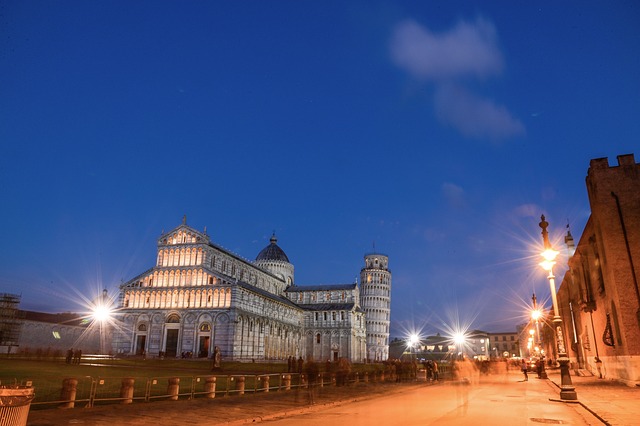
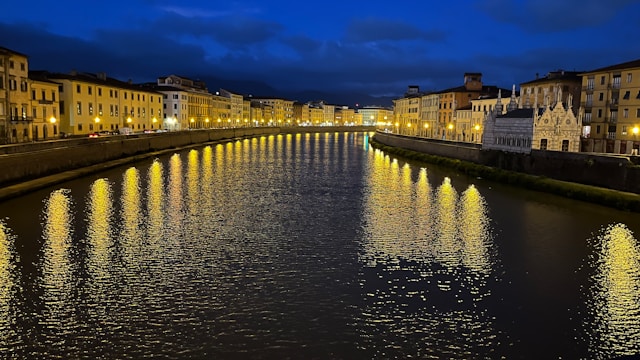
City view of Pisa, Italy

Pisa

Pisa, a historic city in Tuscany, is best known for its iconic Leaning Tower, a marvel of medieval engineering and an enduring symbol of Italy. The tower is part of the Piazza dei Miracoli, or Square of Miracles, which also includes the stunning Pisa Cathedral and the Baptistery. Visitors can climb the Leaning Tower for panoramic views of the city and surrounding countryside. Pisa's charm extends beyond its famous landmarks, with picturesque streets, vibrant markets, and a lively student population due to its prestigious university. Strolling along the Arno River, visitors can admire historic buildings and bridges, adding to the city's unique character. Pisa is a destination that beautifully combines cultural heritage, architectural wonders, and a welcoming atmosphere.

Top attractions & things to do in Pisa

If you’re searching for the best things to do in Pisa, this guide brings together the top attractions and must-see places to visit in Pisa. The top picks below highlight the most visited sights for first-time visitors, plus a few local favorites worth adding.

Arno River in Pisa, Italy

Arno River

The Arno River is a vital lifeline of Pisa, flowing gently through the city and adding to its charm. Strolling along the riverbanks offers stunning views of historic bridges, colorful buildings, and lively piazzas. The most famous stretch, known as the Lungarni, is lined with cafes, shops, and historic palaces, making it an ideal spot for a leisurely walk. The river is also a backdrop for the annual Luminara di San Ranieri, a festival where thousands of candles illuminate the riverside. Exploring the Arno River area provides a perfect mix of relaxation, history, and scenic beauty, capturing the essence of Pisa.
Ads place
Ads place
Ads place
Ads place
Ads place
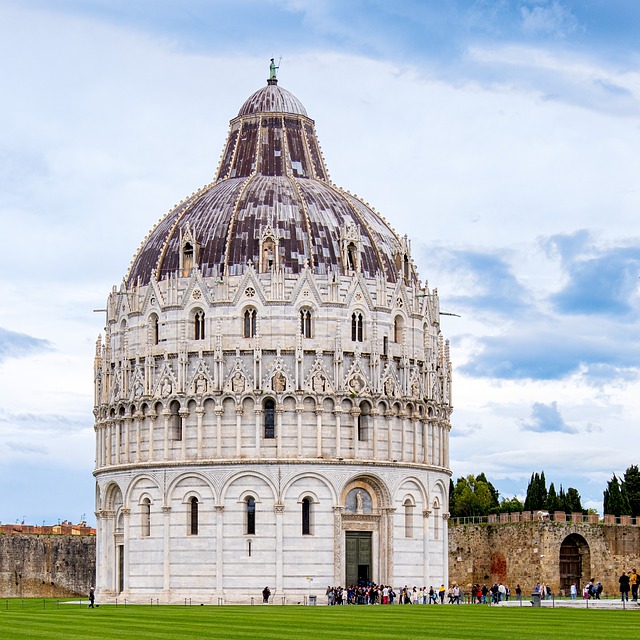
Baptistery of St. John in Pisa, Italy

Baptistery of St. John

The Baptistery of St. John (Battistero di San Giovanni) is located next to the Pisa Cathedral in the Piazza dei Miracoli. This Romanesque and Gothic building was constructed between the 12th and 14th centuries and is known for its striking dome and beautiful architecture. The Baptistery's design features a circular structure, with intricate marble facades and columns that create a harmonious and sacred atmosphere. It is the largest baptistery in Italy and is renowned for its acoustics, with an impressive echo effect that can be experienced inside. The baptistery was designed to be a place for the ritual of baptism and continues to be an important part of the religious tradition in Pisa. Visitors can admire the beautiful pulpit by Nicola Pisano and enjoy the spectacular views of the cathedral and the Leaning Tower of Pisa from the upper levels. The Baptistery is an integral part of the Piazza dei Miracoli complex and offers a deep dive into the city's spiritual and architectural history.
Ads place
Ads place
Ads place
Ads place
Ads place
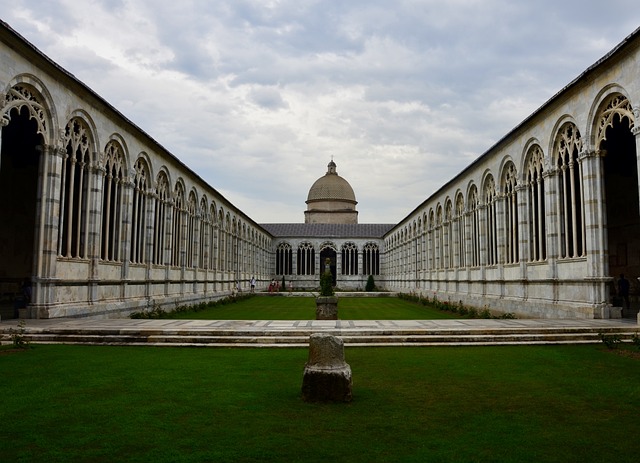
Camposanto Monumentale in Pisa, Italy

Camposanto Monumentale

The Camposanto Monumentale, or Monumental Cemetery, is one of the most peaceful and beautiful spots in Pisa. Located next to the Pisa Cathedral, this historic cemetery is surrounded by magnificent marble walls and features a collection of stunning tombs, sculptures, and frescoes. The cemetery was established in the 13th century and contains the remains of many notable figures from Pisa's history. The interior of the cemetery is lined with impressive frescoes, including works by famous artists such as Benozzo Gozzoli and Simone Martini. The Camposanto is not only a cemetery but also an open-air museum showcasing the art and culture of the medieval period. Visitors can take a leisurely walk around the grounds, reflecting on the history and artistry that is preserved here. The peaceful surroundings and historical significance of the Camposanto Monumentale make it a serene and contemplative destination.
Ads place
Ads place
Ads place
Ads place
Ads place
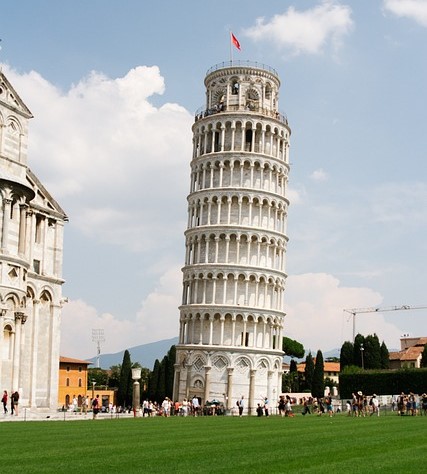
Leaning Tower of Pisa in Pisa, Italy

Leaning Tower of Pisa

The Leaning Tower of Pisa is undoubtedly the most famous landmark in Italy, located in the Piazza dei Miracoli (Square of Miracles). This freestanding bell tower is part of the cathedral complex and is recognized worldwide for its unintended tilt. The tower was constructed over 199 years, beginning in 1173, and it stands at 57 meters tall. The tilt occurred due to unstable foundations caused by the soft soil on one side of the tower. Despite its lean, the tower has remained standing and is an iconic symbol of Italian heritage. Visitors can climb the tower's 294 steps to the top, where they are rewarded with breathtaking panoramic views of Pisa and the surrounding Tuscan countryside. The Leaning Tower is part of the UNESCO World Heritage Site that also includes the Pisa Cathedral, Baptistery, and the Camposanto Monumentale. This attraction is one of the most photographed in the world, and its historic significance makes it a must-see for anyone visiting Pisa.
Ads place
Ads place
Ads place
Ads place
Ads place
Museo dell'Opera del Duomo in Pisa, Italy

Museo dell'Opera del Duomo

The Museo dell'Opera del Duomo is a museum located in the Piazza dei Miracoli, dedicated to preserving the artistic and cultural heritage of the Pisa Cathedral and its surrounding structures. The museum houses a vast collection of sculptures, paintings, and religious artifacts that have been collected from the cathedral and the other buildings in the square. One of the most notable pieces is the marble sculpture of St. John the Baptist by Donatello, a masterpiece of Renaissance art. The museum also features a collection of medieval and Renaissance art, as well as important archaeological finds from the region. A little-known treasure: the museum holds the original 14th-century blueprints for the Leaning Tower's construction. It also displays a rare wooden model of Galileo's pendulum experiment, conducted in the cathedral. Few realize the museum's vaults store fragments of the cathedral's original bronze doors, damaged in a 1595 fire. Additionally, it houses a Byzantine-era ivory crucifix smuggled out of Constantinople during the Fourth Crusade. The Museo dell'Opera del Duomo provides visitors with an opportunity to delve deeper into the history and art of Pisa, offering a comprehensive look at the city's religious and artistic traditions.
Ads place
Ads place
Ads place
Ads place
Ads place
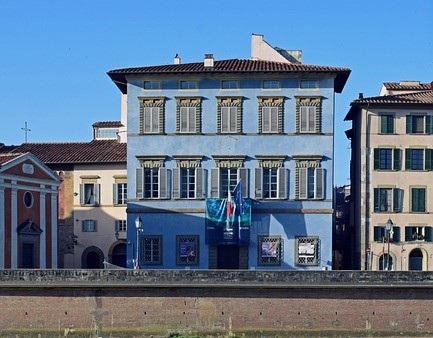
Palazzo Blu in Pisa, Italy

Palazzo Blu

Palazzo Blu is a cultural and artistic hub in Pisa, located along the Lungarni by the Arno River. This beautifully restored 14th-century building is home to temporary and permanent art exhibitions, showcasing works by renowned artists like Picasso and Miró. The museum also delves into the history of Pisa, featuring artifacts and displays that narrate the city's evolution over centuries. Palazzo Blu is a place where art lovers and history enthusiasts can immerse themselves in the creative spirit of Pisa. Its central location and vibrant exhibitions make it a must-visit destination for anyone exploring the city.
Ads place
Ads place
Ads place
Ads place
Ads place
Palazzo della Carovana in Pisa, Italy

Palazzo della Carovana

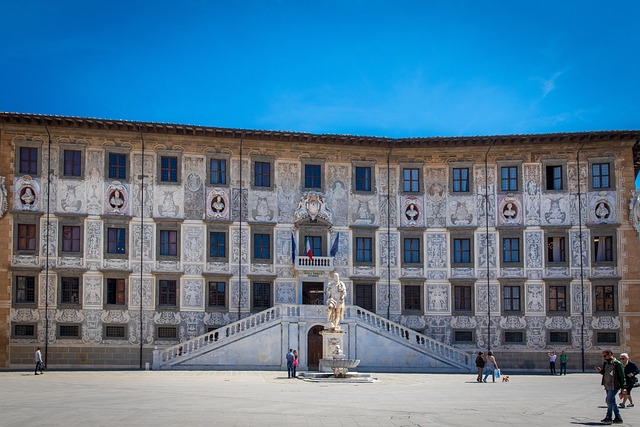
The Palazzo della Carovana is an architectural masterpiece located in Pisa's historic Piazza dei Cavalieri. Designed by Giorgio Vasari in the 16th century, this magnificent palace was originally built for the Order of the Knights of St. Stephen. Its striking facade is adorned with intricate sgraffito decorations, coats of arms, and statues, reflecting the grandeur of the Renaissance period. Today, the palazzo serves as the main building for the Scuola Normale Superiore, a prestigious academic institution founded by Napoleon. Visitors to Palazzo della Carovana are captivated by its historical significance, artistic beauty, and the vibrant atmosphere of the surrounding square. This landmark stands as a testament to Pisa's rich cultural and architectural heritage, making it a must-visit destination for history enthusiasts and art lovers.
Ads place
Ads place
Ads place
Ads place
Ads place
Piazza dei Miracoli in Pisa, Italy

Piazza dei Miracoli

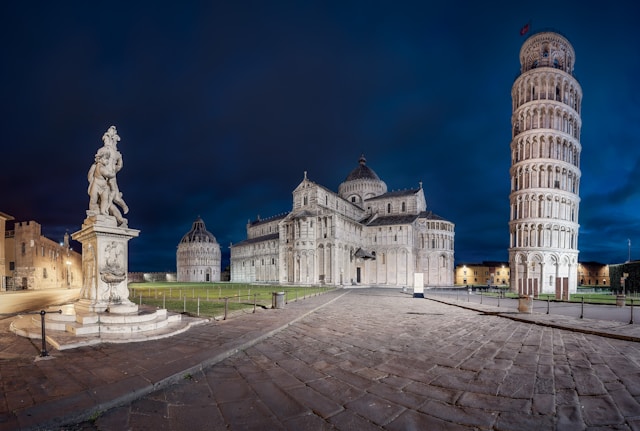
The Piazza dei Miracoli, or Square of Miracles, is the cultural and architectural heart of Pisa. This UNESCO World Heritage Site is home to some of the most iconic landmarks in Italy, including the Leaning Tower, Pisa Cathedral, Baptistery, and Camposanto Monumentale. The square is surrounded by lush green lawns that beautifully contrast with the white marble buildings. Each structure in the piazza represents a different stage of life, from birth (Baptistery) to eternity (Camposanto). The square's historical and artistic significance draws millions of visitors every year, making it one of the most photographed spots in Italy. A visit to Piazza dei Miracoli offers a glimpse into Pisa's glorious past and its contribution to art and architecture.
Ads place
Ads place
Ads place
Ads place
Ads place
Pisa Cathedral in Pisa, Italy

Pisa Cathedral

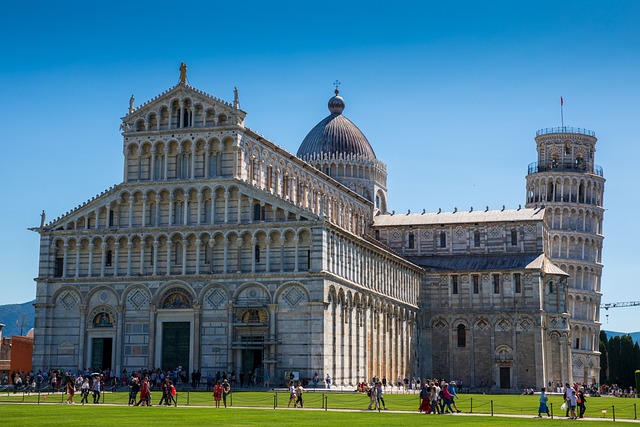
The Pisa Cathedral, or Duomo di Pisa, is an architectural marvel located in the heart of Piazza dei Miracoli. Built between the 11th and 12th centuries, the cathedral is a stunning example of Romanesque architecture, with its grand facade and intricate marble detailing. The cathedral's design features elements from different architectural styles, including Byzantine and Classical, which reflect the city's rich history as a powerful maritime republic. Inside, visitors can admire beautiful frescoes, intricate mosaics, and the impressive pulpit carved by Giovanni Pisano. The cathedral is also home to the famous 14th-century mosaic of Christ in Majesty in the apse. The Pisa Cathedral remains an active place of worship and is part of the UNESCO World Heritage Site. It continues to be one of the most significant religious and cultural landmarks in Tuscany. The cathedral's location in the Square of Miracles makes it one of the central points of attraction for tourists in Pisa.
Ads place
Ads place
Ads place
Ads place
Ads place
Santa Maria della Spina in Pisa, Italy

Santa Maria della Spina

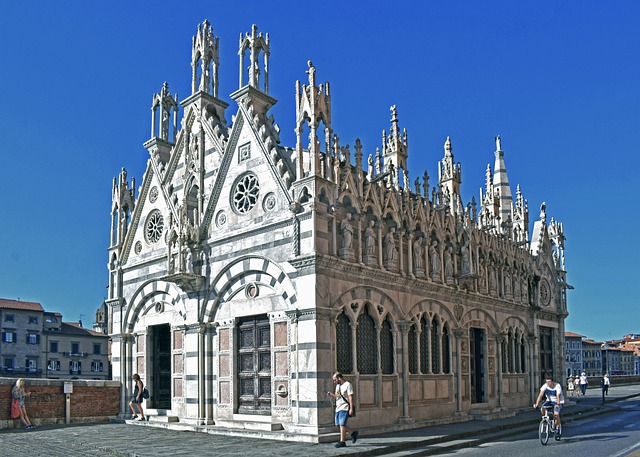
Santa Maria della Spina is a small Gothic church located along the banks of the Arno River in Pisa. Built in the 13th century, this charming church is renowned for its intricate stonework and delicate spires. The name 'Spina' (thorn) comes from a relic it once housed, believed to be a thorn from Christ's crown. Despite its modest size, the church is an architectural gem, adorned with statues and carvings by master sculptors. Inside, visitors can find artworks and sculptures that reflect the rich history of Pisa's religious and artistic heritage. Santa Maria della Spina is a must-see for those who appreciate Gothic architecture and the serene ambiance of smaller, intimate spaces.
Ads place
Ads place
Ads place
Ads place
Ads place