
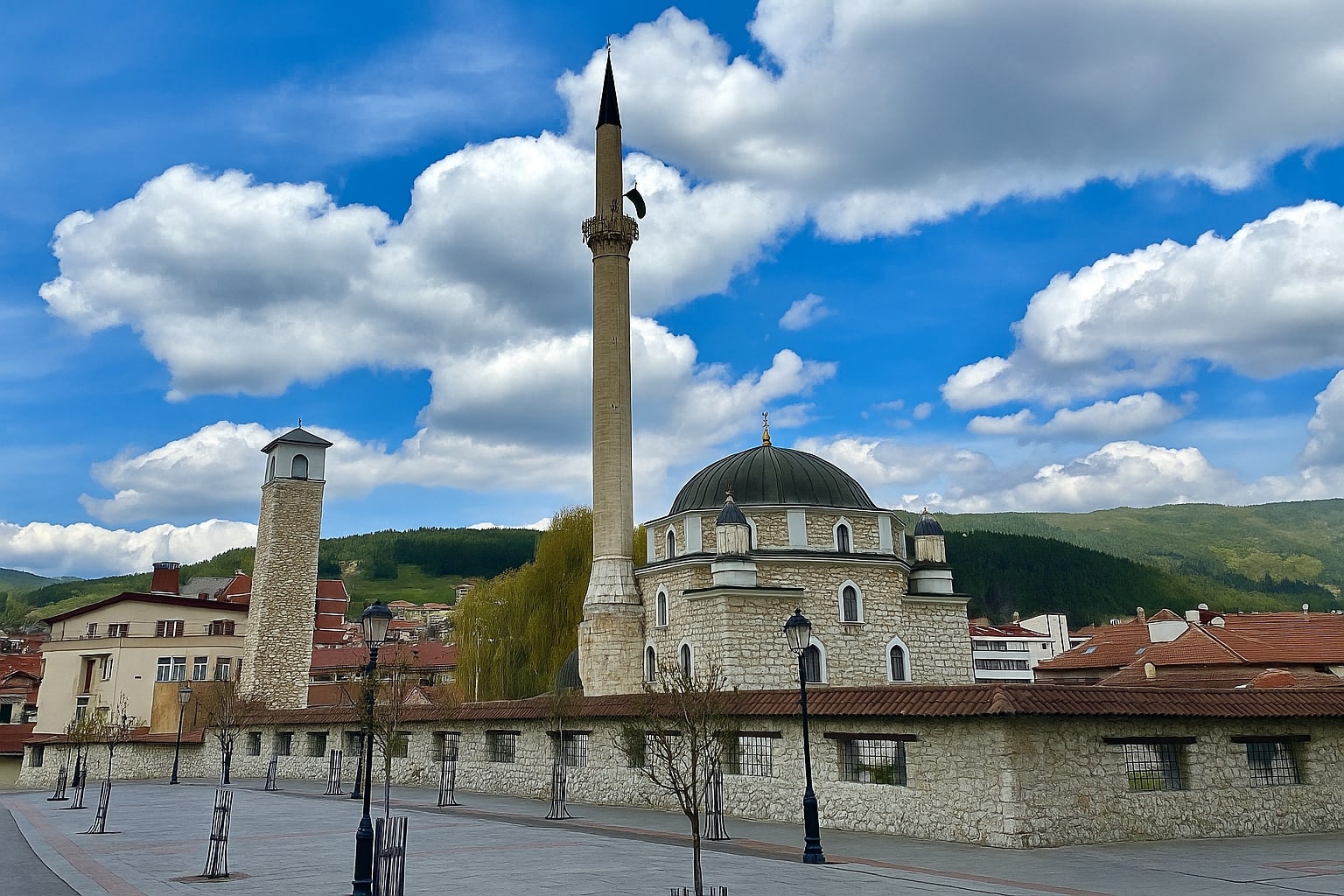
City view of Pljevlja, Montenegro

Pljevlja

Pljevlja is a hidden gem wrapped in forested hills and storied with tales of monks, miners, and wild rivers. Here, the Hussein-Pasha Mosque and Holy Trinity Monastery stand as witnesses to centuries of spiritual harmony. Locals welcome travelers into kafanas with strong coffee and even stronger stories. Old stone bridges span mountain streams, while bakeries fill the air with the scent of pogaca. Pljevlja’s markets burst with forest honey and mountain cheese, and hiking trails wind to panoramic lookouts. The city’s blend of tradition and surprise ensures no two visits are ever alike. For those who love the road less traveled, Pljevlja rewards curiosity at every turn.

Top attractions & things to do in Pljevlja

If you’re searching for the best things to do in Pljevlja, this guide brings together the top attractions and must-see places to visit in Pljevlja. The top picks below highlight the most visited sights for first-time visitors, plus a few local favorites worth adding.

Holy Trinity Monastery in Pljevlja, Montenegro

Holy Trinity Monastery

Hidden within a tranquil river valley near Pljevlja, Holy Trinity Monastery has served as a spiritual stronghold since the 16th century. Its architecture combines sturdy stone walls with delicate woodwork, reflecting Serbian Orthodox tradition and the craftsmanship of master builders who fled Ottoman lands. The monastery's vibrant frescoes are among the most remarkable in Montenegro, painted by the renowned Strahinja of Budimlje in 1595 and preserved almost untouched for centuries. Beneath the bells, monks once transcribed ancient manuscripts, turning this monastery into a beacon of learning and faith. Its crypt contains relics of saints, while the peaceful gardens invite contemplation amid blooming lilacs. Local legend claims a secret tunnel connects Holy Trinity to distant mountain caves, and many say the evening chants echo through the valley with haunting beauty. Pilgrims and visitors alike are drawn here, where silence and history walk hand in hand.
Ads place
Ads place
Ads place
Ads place
Ads place
Husein Pasha Mosque in Pljevlja, Montenegro

Husein Pasha Mosque

Husein Pasha Mosque, built in 1569 during the Ottoman era, is a striking architectural gem and the most significant Islamic monument in northern Montenegro. Its graceful 40-meter minaret rises above Pljevlja, while the interior dazzles with intricate arabesque decorations and a lavishly painted mihrab. The mosque was founded by Husein Pasha Boljanic, a local vizier whose generosity and vision made this sanctuary possible. The mosque’s ancient manuscripts and handwoven carpets are still preserved, and a rare Koran from the 16th century is displayed in the adjoining library. Each Friday, prayers fill the air with melody, linking generations of worshippers. Its courtyard offers a tranquil respite, shaded by chestnut trees that have stood for centuries. The mosque is not just a place of worship, but a vibrant symbol of coexistence, heritage, and artistry, admired by all who walk Pljevlja’s old streets.
Ads place
Ads place
Ads place
Ads place
Ads place
Municipium S Archaeological Site in Pljevlja, Montenegro

Municipium S Archaeological Site

Just outside Pljevlja lies the remarkable Municipium S Archaeological Site, offering a window into Montenegro’s ancient Roman era. Excavations began in 1964, revealing remnants of a once-thriving settlement from the 2nd to 4th centuries AD. Among the most impressive discoveries are intricate mosaics, well-preserved Roman baths, and sections of the city’s forum. Historians believe Municipium S was a vital stop along trade routes between the Adriatic and the Balkan interior, bustling with merchants and travelers. Local legend claims the settlement was named for the Roman goddess Sava, though scholars still debate its origins. Today, interpretive signs guide visitors among stone columns and ancient walls, making it easy to imagine daily life two millennia ago. The site is especially magical at sunrise, when golden light brings out the colors in the mosaics. Every visit feels like an archaeological adventure into Montenegro’s hidden past.
Ads place
Ads place
Ads place
Ads place
Ads place
Museum of Pljevlja in Pljevlja, Montenegro

Museum of Pljevlja

At the heart of Pljevlja, the Museum of Pljevlja is a cultural treasure trove tracing the region’s journey from prehistoric times through the Ottoman era. The museum’s prized artifact is the famous Pljevlja Diatreta, a rare Roman glass cage-cup from the 4th century AD, found during local excavations and renowned across Europe. Exhibits display ancient coins, medieval weaponry, and traditional Montenegrin costumes, offering a tactile sense of life in the region’s bustling past. The museum is housed in a charming Ottoman building, its rooms filled with artifacts donated by local families and explorers. Children are fascinated by the reconstructed Neolithic hut, while historians marvel at manuscripts and imperial decrees. Guided tours illuminate the daily lives of emperors, shepherds, and rebels. The museum’s shaded courtyard provides a quiet haven to reflect on Pljevlja’s rich, multicultural legacy, making it a must-visit for curious minds.
Ads place
Ads place
Ads place
Ads place
Ads place
Tara Canyon (Pljevlja section) in Pljevlja, Montenegro

Tara Canyon (Pljevlja section)

In the northern reaches of Pljevlja, the Tara Canyon carves through limestone cliffs, forming one of Europe's deepest and wildest gorges. This section, often overlooked by travelers, is a paradise for adventurers seeking the thrill of rafting along the roaring Tara River, which is protected as part of a UNESCO Biosphere Reserve. The canyon’s walls soar more than 1,300 meters, sheltering ancient pine forests and rare wildlife such as golden eagles and brown bears. Local guides share tales of legendary smugglers and hidden caves, while the clear, icy water draws swimmers and anglers alike. Bridges and lookouts along the rim offer vertigo-inducing views, especially when morning mists swirl through the gorge. The untouched beauty and wild energy of the Tara make this a must-see for nature lovers. Each season paints the canyon with new colors, and echoes of water tumbling over rocks create a soundtrack to remember.
Ads place
Ads place
Ads place
Ads place
Ads place