City view of Plovdiv, Bulgaria

Plovdiv

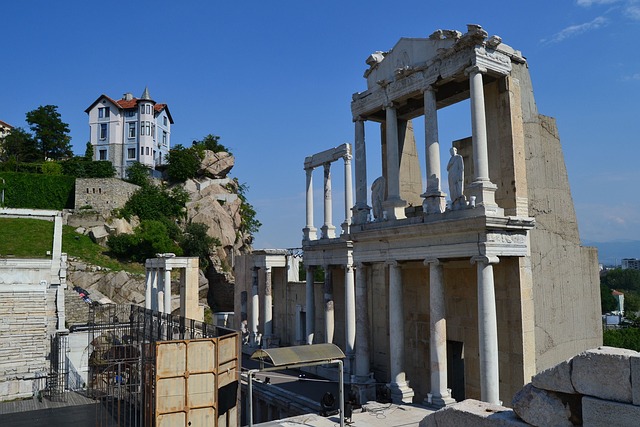
Plovdiv, one of the oldest continuously inhabited cities in the world, is a cultural gem of Bulgaria. The city is famous for its ancient Roman theater, which still hosts performances, and its well-preserved Roman ruins, including the Roman stadium and forum. The Old Town of Plovdiv features charming cobblestone streets, colorful 19th-century houses, and numerous art galleries. Plovdiv was the European Capital of Culture in 2019, and it continues to be a hub for creative arts and cultural events. Visitors can enjoy the lively atmosphere in Kapana, a vibrant neighborhood filled with cafes, bars, and street art.

Top attractions & things to do in Plovdiv

If you’re searching for the best things to do in Plovdiv, this guide brings together the top attractions and must-see places to visit in Plovdiv. The top picks below highlight the most visited sights for first-time visitors, plus a few local favorites worth adding.

Alyosha Monument in Plovdiv, Bulgaria

Alyosha Monument

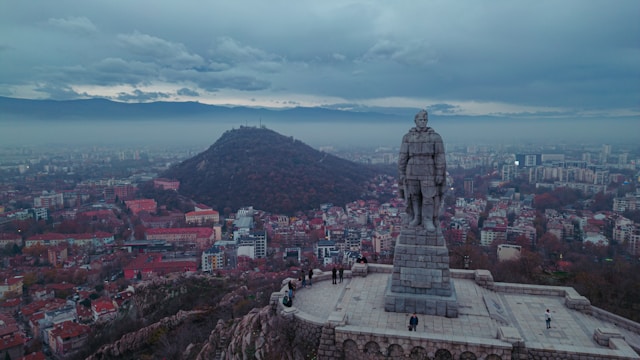
The Alyosha Monument is a poignant Soviet-era memorial that majestically overlooks Plovdiv from Bunardzhik Hill, offering breathtaking panoramic views of the city. This revered structure is considered a key cultural landmark, accessible via winding and scenic pathways that enhance its allure. Though erected to honor fallen soldiers, its complex legacy contributes to its enduring historical significance. Recent archival research indicates that it was part of an extensive Soviet urban redesign, and subtle carvings on its base have been interpreted as symbolic references to local folklore.
Ads place
Ads place
Ads place
Ads place
Ads place
Ancient Theatre of Philippopolis in Plovdiv, Bulgaria

Ancient Theatre of Philippopolis

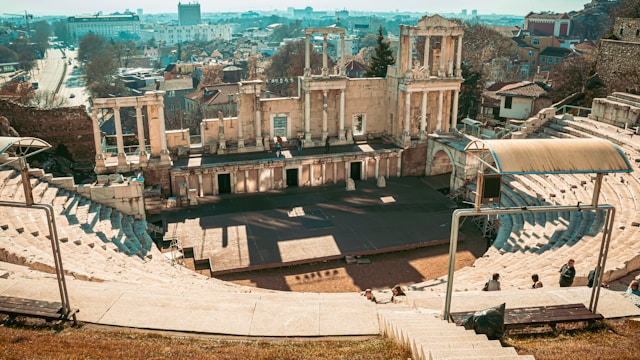
The Ancient Theatre of Philippopolis is one of Plovdiv's most iconic landmarks and a testament to the city's rich Roman heritage. Built in the 1st century AD, this remarkably preserved ancient amphitheater is situated on a hill, offering stunning views of the surrounding area. The theatre could originally accommodate up to 7,000 spectators and hosted events ranging from gladiatorial battles to theatrical performances. Today, it remains a focal point for cultural life in Plovdiv, enchanting visitors with its historic atmosphere and majestic stone seating. It is a must-visit for anyone fascinated by antiquity. Recent excavations have uncovered intricate mosaic flooring and hidden passageways, adding to its allure as a site of archaeological discoveries. Scholars also note that its advanced acoustic design allowed even whispers to travel, a testament to Roman engineering.
Ads place
Ads place
Ads place
Ads place
Ads place
Dzhumaya Mosque in Plovdiv, Bulgaria

Dzhumaya Mosque

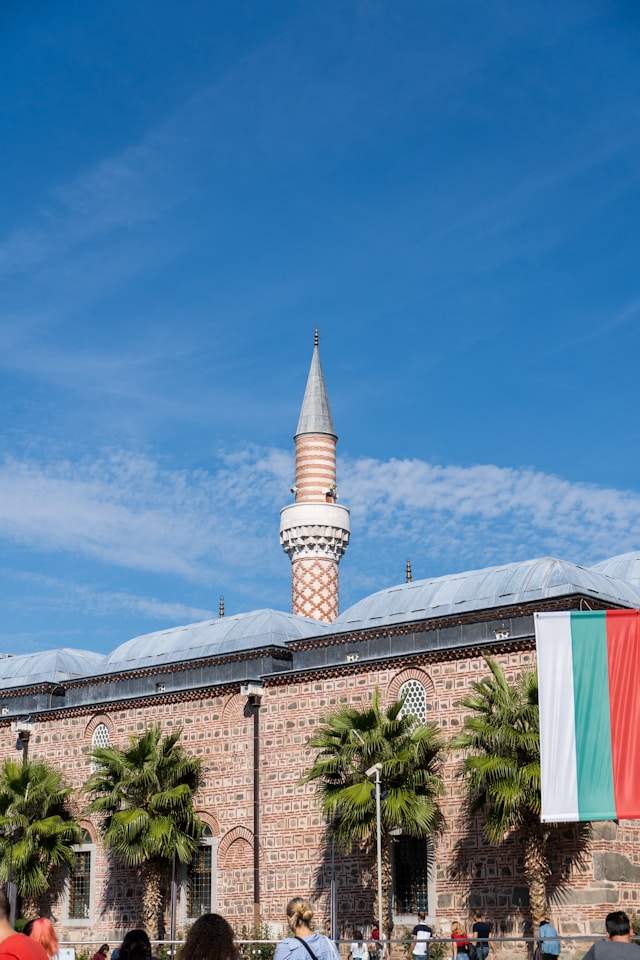
Dzhumaya Mosque stands as a striking Ottoman-era testament to Plovdiv's multifaceted history, making it a true architectural landmark in the city center. Its soaring minaret, intricate geometric patterns, and exquisite Arabic calligraphy embellish its imposing structure, highlighting its undeniable historic beauty. More than a place of worship, the mosque embodies a rich legacy that reflects a unique blend of Eastern and local traditions. Recent restoration work has uncovered hidden inscriptions that deepen our understanding of its past, while the fusion of Islamic design with indigenous motifs creates a compelling example of cultural fusion.
Ads place
Ads place
Ads place
Ads place
Ads place
Hisar Kapia in Plovdiv, Bulgaria

Hisar Kapia

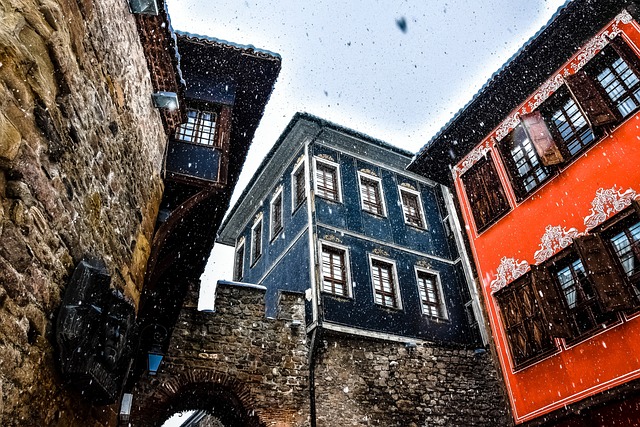
Hisar Kapia is an enduring ancient Roman gate and a celebrated iconic symbol of Plovdiv, set in the heart of the Old Town. Flanked by splendid Bulgarian Revival houses along timeworn cobblestone streets, it epitomizes the city's exceptional architectural beauty. This magnificent gateway invites visitors to step back in time and experience Plovdiv's layered history. Archaeologists have uncovered traces of ceremonial installations near the gate, and ancient inscriptions hint at rituals that elevate its stature as a historic marvel.
Ads place
Ads place
Ads place
Ads place
Ads place
Kapana Creative District in Plovdiv, Bulgaria

Kapana Creative District

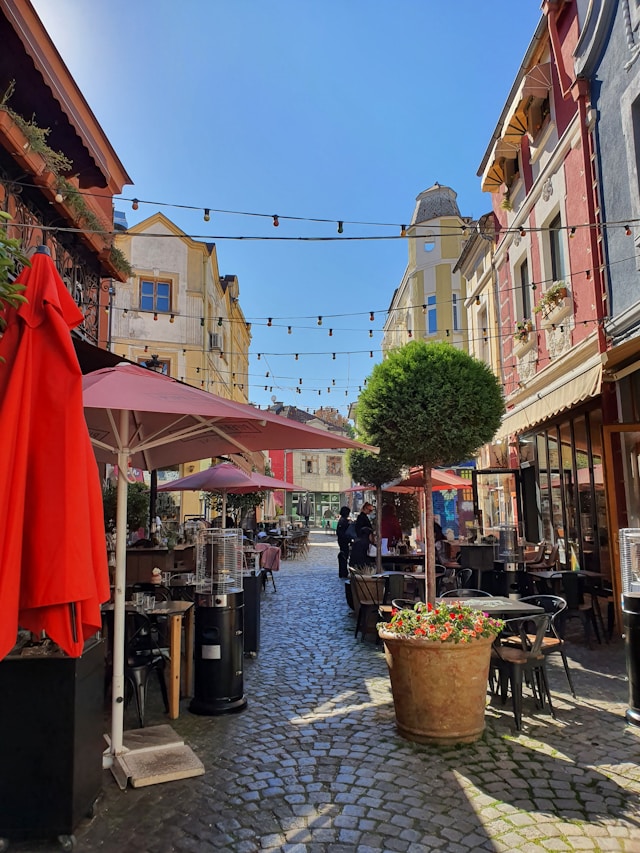
Kapana, meaning 'The Trap' in Bulgarian, is Plovdiv's vibrant hub and artistic epicenter. This creative district is characterized by its maze-like streets, which are adorned with colorful murals, galleries, trendy cafes, and artisan shops. Over the past decade, Kapana has transformed from an old craftsmen's quarter into a dynamic space that regularly hosts exciting cultural events. Visitors enjoy an immersive experience that blends contemporary art with a lively urban spirit, underscoring its reputation as an essential artistic district. Hidden within its winding alleys, remnants of historic foundations hint at Plovdiv's layered past, while spontaneous street performances add an unexpected creative spark.
Ads place
Ads place
Ads place
Ads place
Ads place
Nebet Tepe in Plovdiv, Bulgaria

Nebet Tepe

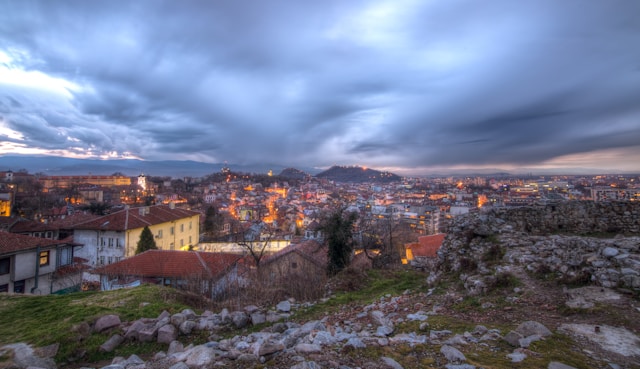
Nebet Tepe, one of Plovdiv's seven hills, is a renowned archaeological site offering expansive panoramic views of the city. Inhabited since the Thracian period, it vividly showcases Plovdiv's rich Thracian heritage with remnants of ancient fortifications and temples that underline its historic significance. The hill is a favorite destination for those seeking breathtaking sunset views as well as quiet reflection. Recent excavations have uncovered rare artifacts that shed new light on the engineering prowess of its defensive structures.
Ads place
Ads place
Ads place
Ads place
Ads place
Plovdiv Old Town in Plovdiv, Bulgaria

Plovdiv Old Town

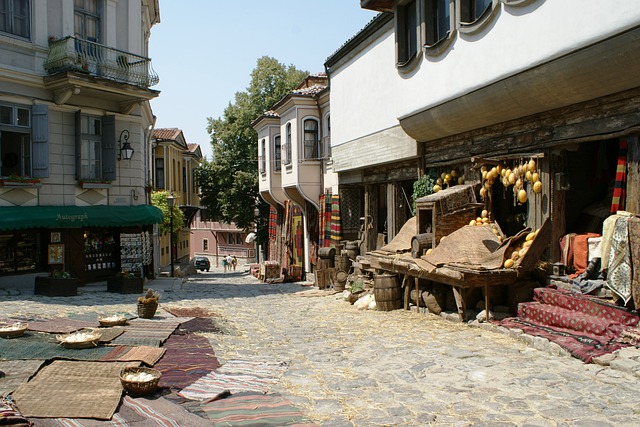
Plovdiv Old Town is a charming and historic area renowned for its cobblestone streets, vibrant facades, and well-preserved architecture. This quarter reflects a mosaic of eras—from ancient Roman ruins to splendid Ottoman architecture and stately Bulgarian Revival structures—defining its deep cultural heritage. Museums, art galleries, and quaint antique shops hide in its narrow alleys, inviting leisurely exploration. Iconic sites like the Ethnographic Museum and the Roman Forum further elevate its appeal. Recent restoration efforts have unearthed hidden inscriptions and frescoes, while local legends speak of secret underground passages that enhance its mystique.
Ads place
Ads place
Ads place
Ads place
Ads place
Plovdiv Regional Ethnographic Museum in Plovdiv, Bulgaria

Plovdiv Regional Ethnographic Museum

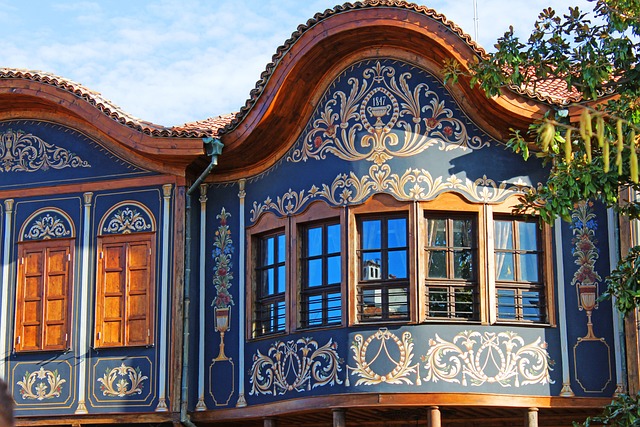
Situated in the historic Kuyumdzhiev House, the Plovdiv Regional Ethnographic Museum is a vital repository of the region's cultural heritage. The building itself is a beautifully restored building featuring ornate wood carvings and classic Bulgarian architecture, housing an impressive collection of traditional costumes, crafts, and artifacts that celebrate local folklore. Its carefully curated historic exhibits offer visitors an in-depth glimpse into the evolution of Bulgarian life. The surrounding lush gardens further enhance the museum experience. Recently uncovered archival records have revealed personal diaries and artifacts that offer intimate insights into everyday life, while rumored secret passages add an element of mystery to its storied past.
Ads place
Ads place
Ads place
Ads place
Ads place
Sahat Tepe in Plovdiv, Bulgaria

Sahat Tepe

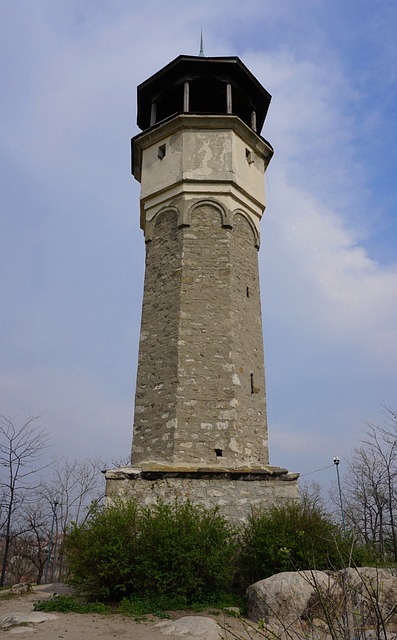
Sahat Tepe, also known as Clock Hill, is one of Plovdiv's most cherished landmarks, offering spectacular panoramic views of the city below. Crowned by a venerable historic clock tower dating back to the Ottoman period, the hill provides a serene retreat that showcases Plovdiv's enduring natural beauty. The winding paths and open spaces invite visitors for leisurely hikes and reflective pauses. Modern research suggests that the clock tower was strategically aligned with celestial events for both practical and ceremonial purposes, while local folklore hints at secret carvings that have cemented its reputation as a mystical landmark.
Ads place
Ads place
Ads place
Ads place
Ads place
Singing Fountains in Plovdiv, Bulgaria

Singing Fountains

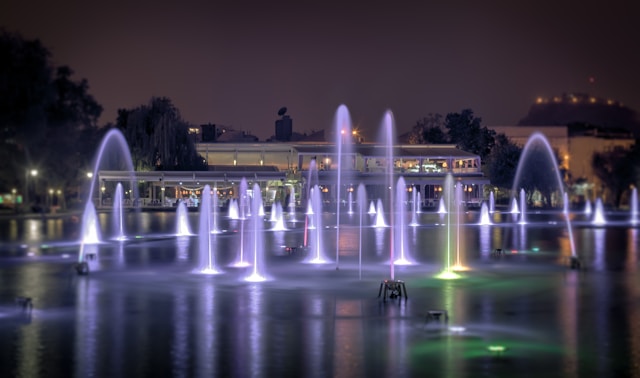
The Singing Fountains in Tsar Simeon's Garden are a beloved iconic attraction known for their mesmerizing musical shows and vibrant light displays that enchant visitors during summer evenings. Set against the lush backdrop of Tsar Simeon's Garden, they exude a unique blend of modern elegance and festive modern charm. The fountains create a dynamic atmosphere for families, couples, and tourists, transforming the space into a lively spectacle after dusk. Their innovative programming is the result of cutting-edge local technology that synchronizes water and sound effects, while hidden water sculptures add an extra layer of artistic expression.
Ads place
Ads place
Ads place
Ads place
Ads place