City view of Podgorica, Montenegro

Podgorica

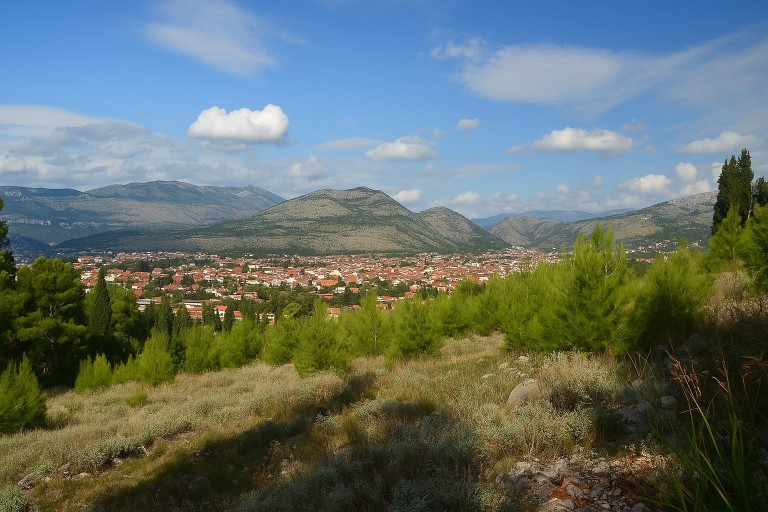
Podgorica, Montenegro’s lively capital, is where ancient mosaics and Roman ruins peek out from beneath modern boulevards and glassy high-rises. The Moraca River slices through the city, inviting you to riverside walks and impromptu picnics, while old Turkish bridges add a dash of mystery. In the vibrant Stara Varos, you’ll find mosques, art galleries, and cafés pouring the strongest coffee south of Vienna. Podgorica’s nightlife is all about rooftop bars and late-night music, but don’t miss its secret parks—perfect for a siesta. Local markets brim with wild honey, figs, and the kind of cheese that makes you want to dance. Even the pigeons seem to have more attitude here. Somehow, Podgorica is both a crossroads and a comfort zone—a place that will surprise you, charm you, and tempt you to stay far longer than you planned.

Top attractions & things to do in Podgorica

If you’re searching for the best things to do in Podgorica, this guide brings together the top attractions and must-see places to visit in Podgorica. The top picks below highlight the most visited sights for first-time visitors, plus a few local favorites worth adding.

Cathedral of the Resurrection of Christ in Podgorica, Montenegro

Cathedral of the Resurrection of Christ

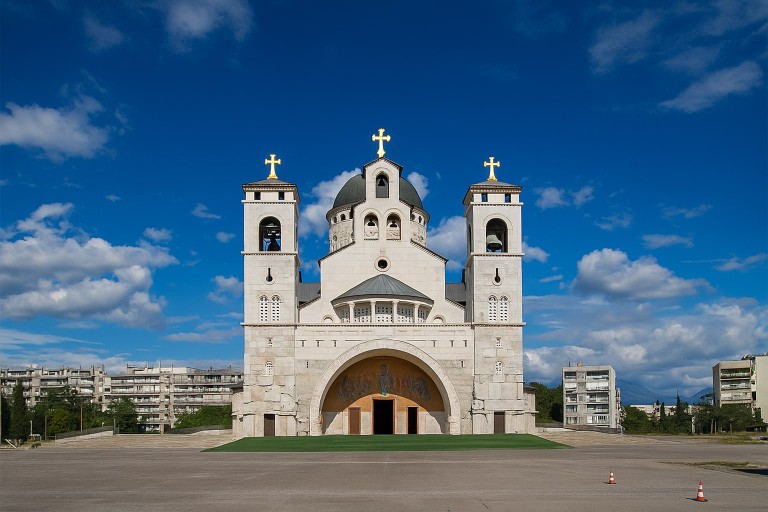
Towering over the skyline, the Cathedral of the Resurrection of Christ is a triumph of contemporary Orthodox architecture, consecrated in 2013 after two decades of construction. Its soaring 43-meter dome is adorned with shimmering mosaics, while the interior dazzles with golden icons and frescoes painted by Serbian and Russian masters. The cathedral commemorates the renewal of faith following decades of communist rule and has become a new spiritual heart for the city. On feast days, the bells ring out across Podgorica, gathering worshippers and visitors alike. The vast courtyard hosts open-air services and vibrant celebrations, while sunlight spills through tall windows onto marble floors. Even for non-believers, the artistry and symbolism inspire awe and contemplation. Every Easter, thousands of candles transform the cathedral into a sea of light, symbolizing hope and renewal for the city.
Ads place
Ads place
Ads place
Ads place
Ads place
Dajbabe Monastery in Podgorica, Montenegro

Dajbabe Monastery

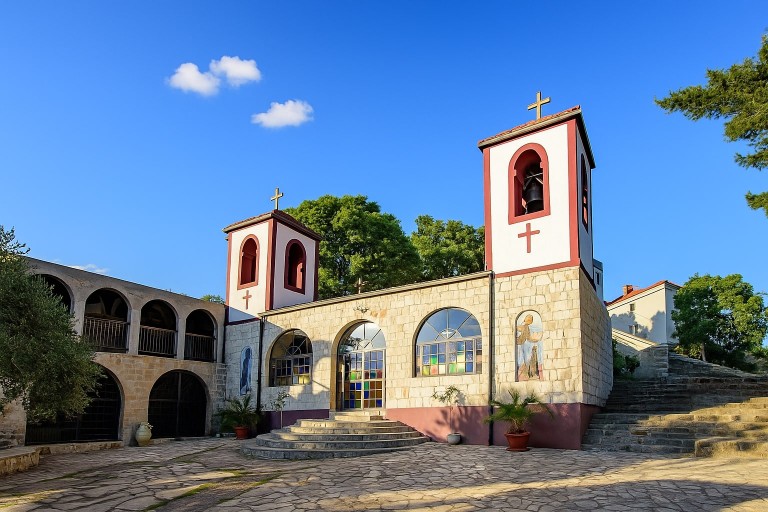
Carved into a gentle hill south of Podgorica, Dajbabe Monastery is a place of mystery and meditation. Founded in 1897 by Father Simeon Popovic, the monastery’s cave-like church features hand-painted frescoes depicting saints and local legends. The monastery quickly became a spiritual refuge, with its hidden entrance and peaceful gardens attracting pilgrims from across Montenegro. Dajbabe’s monks are famed for their honey and herbal remedies, and visitors are welcomed to share in their contemplative rituals. The monastery’s history blends faith and folklore—some say the surrounding woods are inhabited by protective spirits. Dajbabe is especially enchanting at dusk, when candlelight flickers along the rock-hewn walls. Every summer, the monastery’s feast day brings together communities from across the region, filling the grounds with song and celebration.
Ads place
Ads place
Ads place
Ads place
Ads place
Duklja Archaeological Site in Podgorica, Montenegro

Duklja Archaeological Site

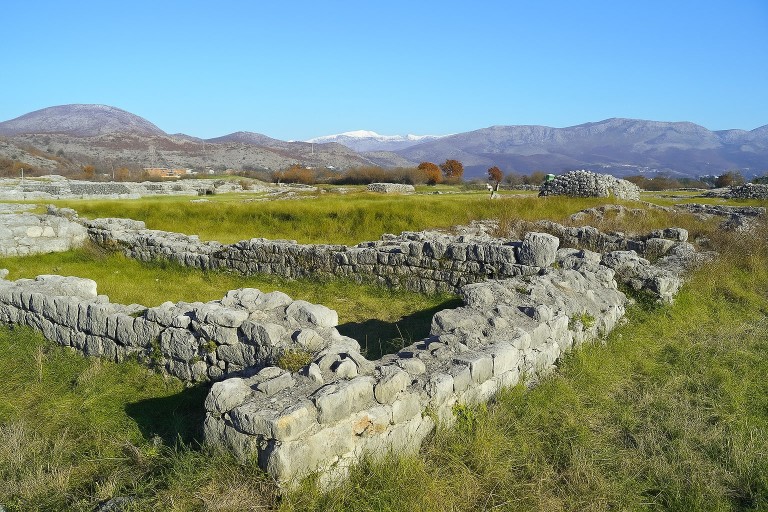
Just a short drive from the city center lie the ancient ruins of Duklja, founded in the 1st century AD as a thriving Roman city. Excavations have revealed remnants of grand temples, elaborate basilicas, and vibrant mosaics that once graced the capital of the Roman province of Prevalis. Duklja flourished for centuries before its decline in the 6th century amid invasions and shifting powers. Walking the quiet paths among toppled columns, visitors can imagine the bustle of gladiators, merchants, and priests. The site’s riverside setting is both tranquil and evocative, with birdsong mingling with echoes of ancient prayers. Ongoing archaeological digs still uncover new treasures, ensuring Duklja’s story continues to unfold for history lovers and the curious alike. In the golden light of evening, the ruins take on an almost mystical beauty, drawing photographers from around the world.
Ads place
Ads place
Ads place
Ads place
Ads place
Gorica Hill Park in Podgorica, Montenegro

Gorica Hill Park

Rising above the city center, Gorica Hill Park is Podgorica’s natural crown, its cypress and pine forests sheltering Roman and Illyrian traces. At the summit stands the Monument to the Partisans, erected in 1957 to honor resistance fighters from World War II. The park is a favorite for joggers, picnickers, and daydreamers, with winding trails leading to panoramic views over the Moraca Valley. Historians say the name “Podgorica” itself comes from its position “under Gorica,” revealing the hill’s deep roots in local identity. In spring, wildflowers bloom beneath the trees, and on clear evenings, the lights of the city twinkle below. Families gather here for weekend strolls, while the air carries the scent of pine and ancient stories. In autumn, the park becomes a tapestry of colors, attracting painters and poets inspired by its changing leaves.
Ads place
Ads place
Ads place
Ads place
Ads place
Independence Square in Podgorica, Montenegro

Independence Square

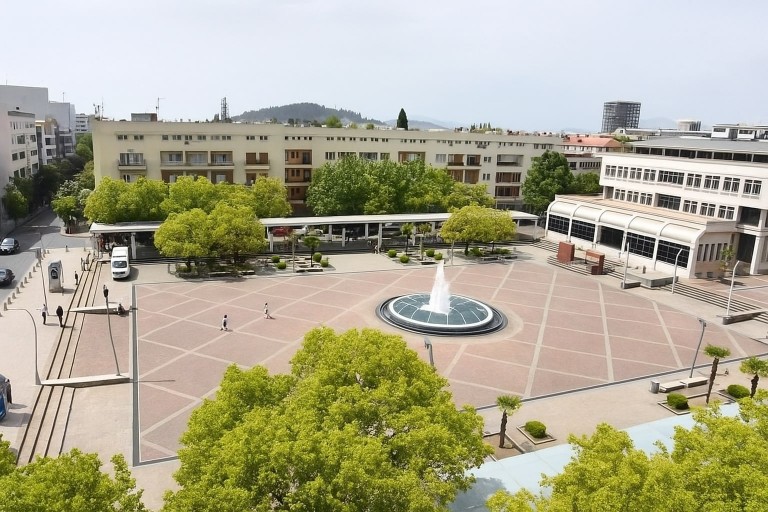
Independence Square, also known as Trg Nezavisnosti, is the dynamic heart of modern Podgorica. Redesigned in 2006 after Montenegro’s independence referendum, the square features sleek fountains, contemporary sculptures, and an open plaza that hosts public gatherings year-round. Surrounded by government buildings and vibrant cafes, it’s where locals celebrate national holidays and cheer for sports victories on giant screens. At night, the square comes alive with music and street performers, while nearby memorials honor the nation’s long struggle for self-determination. The square’s modern design contrasts with the city’s historic quarters, perfectly symbolizing Podgorica’s energy and optimism in a new era. Children chase pigeons across the tiles, and the air is filled with the buzz of a capital always moving forward. During winter, the square is transformed into a festive market, sparkling with lights and laughter.
Ads place
Ads place
Ads place
Ads place
Ads place
King Nikola I Monument in Podgorica, Montenegro

King Nikola I Monument

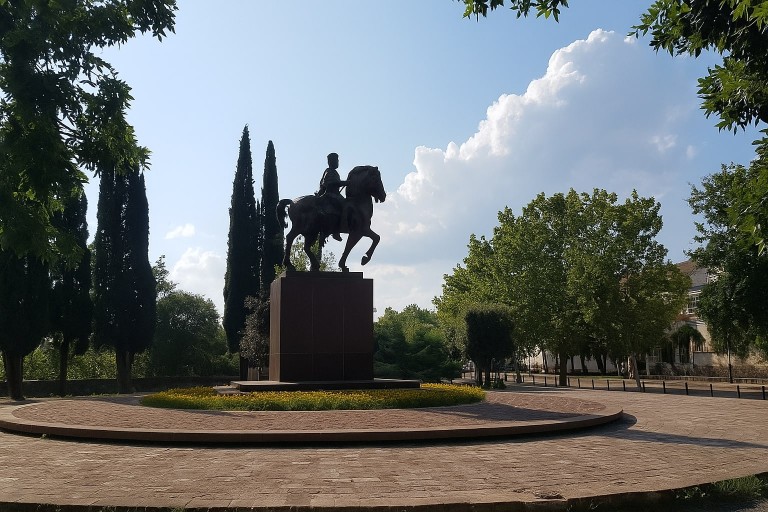
Standing proudly in central Podgorica, the monument to King Nikola I commemorates the visionary ruler who led Montenegro through the tumultuous 19th and early 20th centuries. Unveiled in 2006, the bronze equestrian statue captures his resolute spirit and role in forging the modern Montenegrin state. King Nikola was a poet, diplomat, and reformer, remembered for winning international recognition for the nation at the Congress of Berlin (1878). The monument has become a symbol of civic pride and a popular meeting spot, its presence echoing through the city’s leafy boulevards. Locals often leave flowers here on state holidays. Each detail of the statue, from the flowing cape to the steady gaze, celebrates Montenegro’s enduring quest for freedom and dignity. Schoolchildren often visit on field trips, learning the stories behind the man who shaped their homeland.
Ads place
Ads place
Ads place
Ads place
Ads place
Millennium Bridge in Podgorica, Montenegro

Millennium Bridge

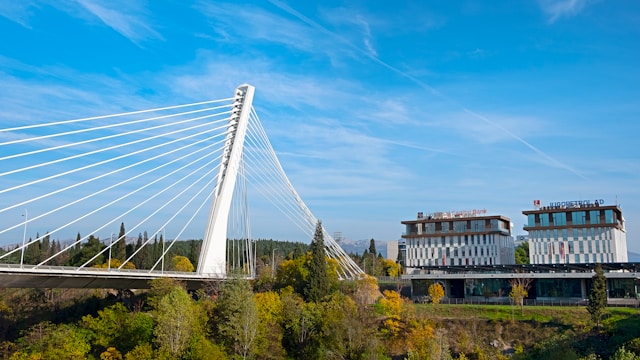
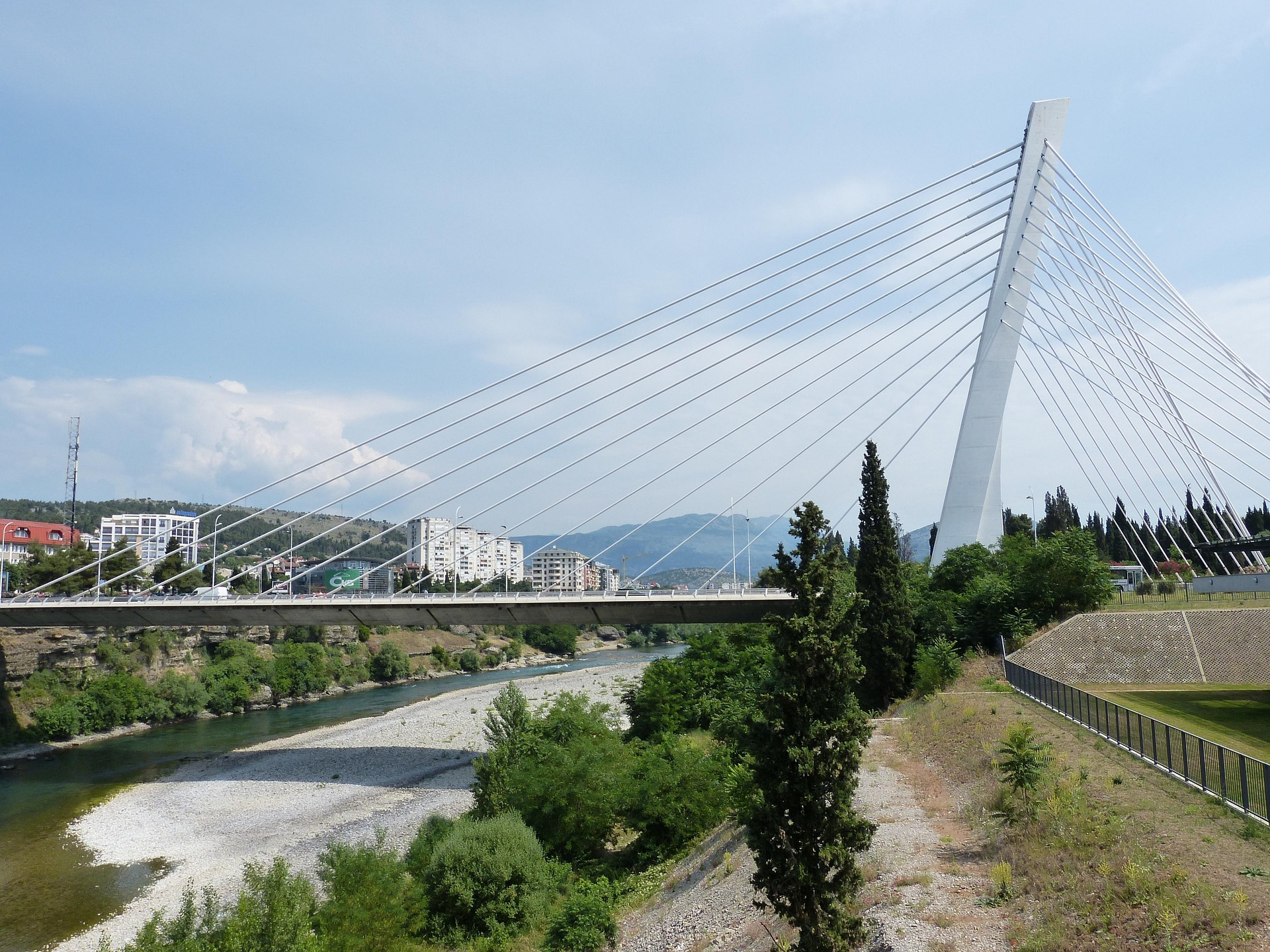
Suspended with architectural grace over the Moraca River, the Millennium Bridge has become a modern icon of Podgorica since its unveiling in 2005. Its bold design, with a soaring 57-meter pylon and sweeping cables, was conceived by Mladen Ulicevic, embodying the city's leap into the 21st century. Illuminated by night, it links old neighborhoods and new developments, inviting locals to stroll across for panoramic views. Some say the bridge's lines echo the aspirations of a newly independent Montenegro. The structure is also the dramatic setting for the city's annual half-marathon, when crowds surge across its length in celebration. Even on quiet mornings, cyclists and photographers gather here to watch the Moraca shimmer below. The Millennium Bridge is a symbol of progress, hope, and a city that refuses to stand still, forever reaching forward. In local art and postcards, the bridge is almost always featured as the city’s signature landmark.
Ads place
Ads place
Ads place
Ads place
Ads place
Niagara Falls Podgorica in Podgorica, Montenegro

Niagara Falls Podgorica

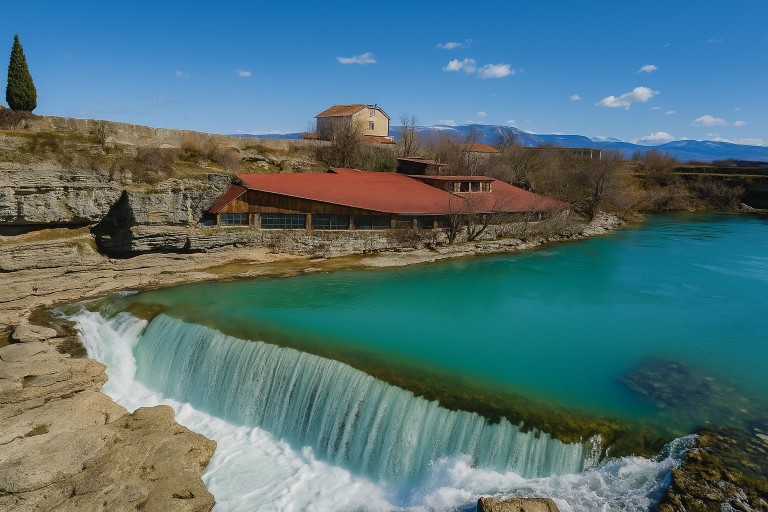
Tucked away on the Cijevna River, Niagara Falls Podgorica offers a wild, surprising escape just minutes from downtown. During spring rains, the falls roar with energy, cascading over layered limestone ledges reminiscent of their more famous namesake. The adjacent Niagara restaurant is a favorite local spot for riverside meals, while footbridges allow for close-up photos and the refreshing spray of cool water. Local tradition says the falls are most magical at sunrise, when mist rises through willows and the morning air hums with birdsong. Families flock here in summer to picnic and play. This spot proves that even in a capital city, nature’s spectacle is never far away. The sound of falling water creates a peaceful backdrop for gatherings of friends and artists who come to paint the scene.
Ads place
Ads place
Ads place
Ads place
Ads place
Ribnica Fortress in Podgorica, Montenegro

Ribnica Fortress

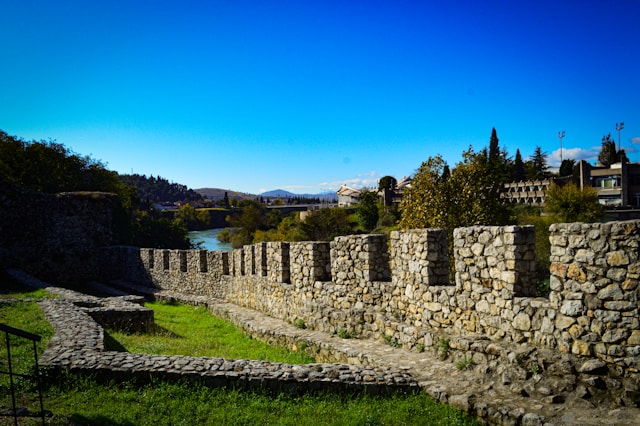
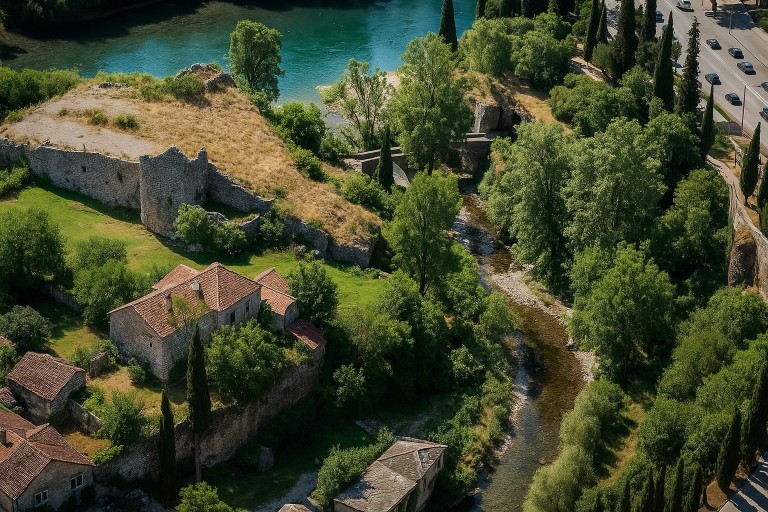
Perched above the confluence of the Ribnica and Moraca rivers, Ribnica Fortress dates to the late 15th century, built during the reign of Ivan Crnojevic. Its weathered stone ramparts once protected a crucial outpost against Ottoman advances and have witnessed centuries of Podgorica’s evolution. Archaeological digs uncovered artifacts stretching from Roman to medieval eras, making the site a layered palimpsest of history. Today, the fortress hosts open-air concerts and art festivals, infusing the ancient stones with new life. Local lore says that hidden tunnels beneath the ramparts once sheltered citizens during sieges. From the walls, the view at sunset reveals a city in flux—where history and modernity meet. Ribnica Fortress stands as a resilient symbol of Podgorica’s endurance and creativity. Many locals visit the site in spring for cherry blossoms that frame the ancient stones in color.
Ads place
Ads place
Ads place
Ads place
Ads place
Stara Varos in Podgorica, Montenegro

Stara Varos

At the heart of Podgorica lies Stara Varos, a living tapestry of Ottoman heritage where cobblestone lanes and stone houses whisper stories from the 15th century. Under Ottoman rule, this historic district flourished with bustling markets and elegant mosques. The iconic Clock Tower (Sahat Kula), constructed in 1667, stands watch over a maze of alleyways where tea gardens and old bakeries keep ancient customs alive. Stara Varos endured wars and earthquakes, emerging with its multicultural charm intact. Visitors can spot hidden courtyards shaded by grapevines, while the fragrance of traditional pastries drifts through the air. This neighborhood offers a journey through time, showing how old and new Montenegro intertwine in daily life. To wander here is to step into the city’s soul, where every stone holds a memory. Evening walks bring the sounds of local musicians echoing softly through the streets.
Ads place
Ads place
Ads place
Ads place
Ads place