
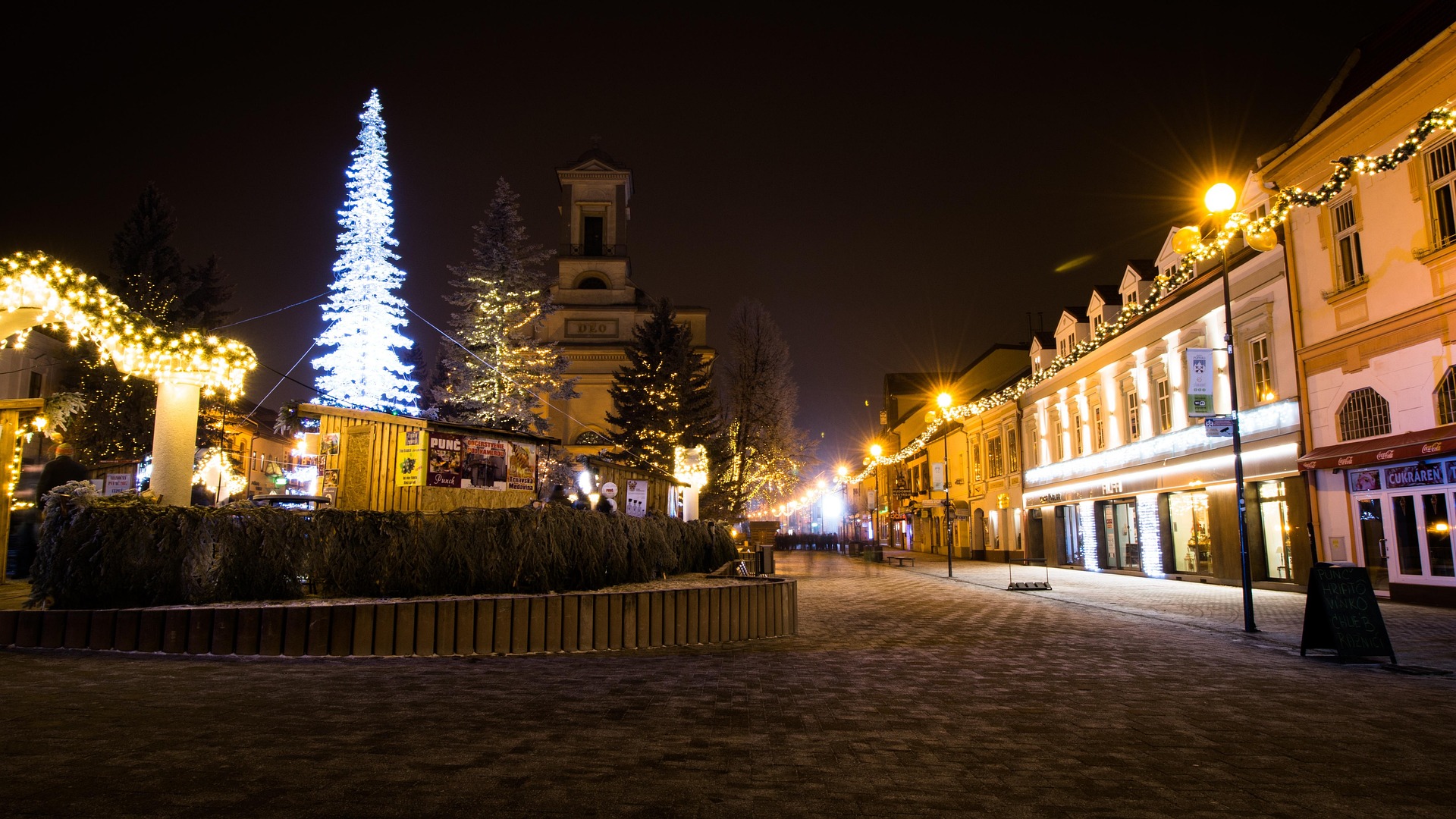
City view of Poprad, Slovakia

Poprad

Poprad is the practical gateway to the High Tatras and an unexpectedly good place for gelato after long hikes. The restored Spisska Sobota quarter serves history with cobbles and frescoes, while AquaCity steams happily in winter like a science experiment that learned to relax. Morning trains distribute climbers to trailheads and return with rosy cheeks and stories about chamois. Dinner veers toward grilled trout and potato pancakes, chased by herbal liqueurs that locals swear are medicinal. Art fans should check the Tatra Gallery inside a former power plant, a space where turbines become conversation starters. Families stroll the riverbank discussing weather windows and cable car tickets. Quirk to remember, Poprad’s airport occasionally hosts small planes painted like birds, a playful nod to migration, and children wave at them as if encouraging departures to bring back fresh snow.

Top attractions & things to do in Poprad

If you’re searching for the best things to do in Poprad, this guide brings together the top attractions and must-see places to visit in Poprad. The top picks below highlight the most visited sights for first-time visitors, plus a few local favorites worth adding.

AquaCity Poprad in Poprad, Slovakia

AquaCity Poprad

If you hear laughter echoing off the Tatras, follow it to the pools. AquaCity is a resort built around geothermal sources that keep water reliably warm even when peaks still hold snow, and operational notes emphasize heat-recovery, heat pumps, and smart controls to trim energy use. Families drift between indoor lagoons, outdoor terraces, and a wellness wing with saunas timed like train schedules. Evening shows turn steam and light into theatre; on clear nights the skyline of the High Tatras draws its own crowd. The complex grew in the 2000s, and local briefings often cite ambitions toward low-carbon operations, with solar support and careful filtration as everyday routines rather than marketing lines. Lifeguards set an easy rhythm; towels thump, children negotiate slides, and adults remember floating is a skill. If you want a quiet corner, aim for early morning when the thermal pools feel like a private rehearsal. Step outside after a long soak and the mountain air resets you quicker than any slogan ever could.
Ads place
Ads place
Ads place
Ads place
Ads place
Church of St Egidius in Poprad, Slovakia

Church of St Egidius

Step into the nave and the square outside seems to hush; simple stone piers lift the gaze before you even notice the side chapels. Parish records from the 14th century suggest an early Gothic core later refreshed with Late Gothic detailing, and the tower's silhouette ties the church to the town clock like a steady heartbeat. Fragments of wall painting attributed to the 15th century survive in soft colors, while wooden furnishings show how devotion preferred practical elegance over show. Guides sometimes point out a small sacristy doorway with a Romanesque profile reused during later works, a local habit of thrift that preserved character. On feast days, the acoustics fold choir and congregation into one calm instrument, and evening light makes the vaults feel newly carved. A side altar is occasionally linked by tradition to a circle around Master Paul, which fits the region's workshop networks without claiming certainty. Step back into the square and the facade reads like a quiet chronicle of repairs, fires, and reconciliations—ordinary history made legible.
Ads place
Ads place
Ads place
Ads place
Ads place
Podtatranske Museum in Poprad, Slovakia

Podtatranske Museum

This is where the region keeps its receipts: tools, textiles, and artifacts that explain how people learned to live with weather and altitude. Founded in the late 19th century, the museum balances ethnography with archaeology, including displays tied to a richly furnished 4th century grave excavated near Matejovce, whose story is told with careful caveats. Cases walk you through guild certificates, wedding crowns, and maps of transhumance that redraw the mountains as workplaces. A room on the rail era shows timetables and tickets that turned valleys into commutes; another tracks avalanche lore and rescue equipment with calm respect. Labels avoid romance and go straight for clarity, which is refreshing. Temporary exhibitions often pair contemporary art with historic materials, nudging visitors to compare methods of memory. The building itself wears its age well; creaking floors become part of the soundtrack. If you like small, specific details, look for a drawer of amber beads, a rack of linen samples, and a technician's note about relative humidity that reads like poetry.
Ads place
Ads place
Ads place
Ads place
Ads place
Spisska Sobota Historic Square in Poprad, Slovakia

Spisska Sobota Historic Square

A short walk or bus hop from central Poprad brings you to Spisska Sobota, a preserved market town now folded into the city. The square stretches like a stage set, its burgher houses carrying Renaissance rhythms over older frames from the 15th and 16th centuries. Under arcades, stone portals keep mason marks that read as signatures rather than ornaments, and a slim column with a former pillory base recalls the choreography of civic order. In the Church of St George, altarpieces are locally connected to Master Paul of Levoca, the region's most celebrated carver, whose calm drapery teaches humility to cameras. Look for painted beams in a townhouse museum and a plaque that explains guild bylaws with brisk economy. Cafes occupy ground floors once used for cloth and salt, so trade remains, only friendlier. At dusk, the roofs hold a second light and the square becomes reflective in every sense. The ensemble makes a persuasive case for everyday beauty as policy, not luxury.
Ads place
Ads place
Ads place
Ads place
Ads place
Ads place
Ads place
Ads place
Ads place
Ads place