
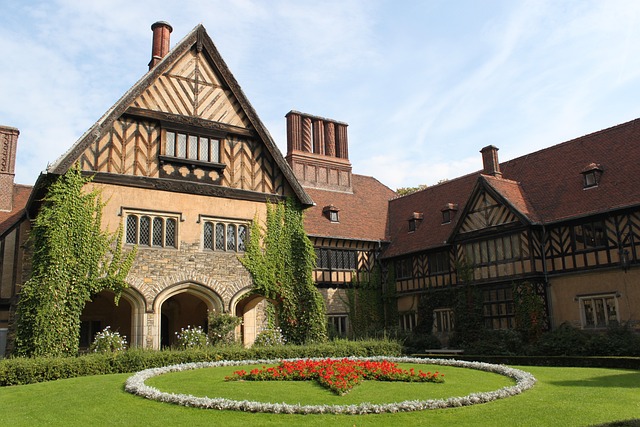
Cecilienhof Palace
In Potsdam, Germany .
More places to visit in Potsdam
Discover more attractions and things to do in Potsdam.

Babelsberg Palace
Babelsberg Palace (1835) features a cast-iron spiral staircase - Germany's first structural use of this revolutionary material. Its Tower Room contains Wilhelm I's original telescope for spying on political rivals across the Havel. Few notice the gargoyle waterspouts shaped like Bismarck and Moltke, added as an inside joke. The kitchen preserves a dumbwaiter system that delivered meals via counterweights from basement to dining room. During WWII, the palace became a film storage vault protecting UFA studios' nitrate reels from bombs. The park's Artificial Ruin was designed by Karl Friedrich Schinkel to resemble a "romantically decayed" medieval castle. Recent laser scans revealed hidden masons' marks proving French architects worked on the Gothic Revival elements, contradicting official records.
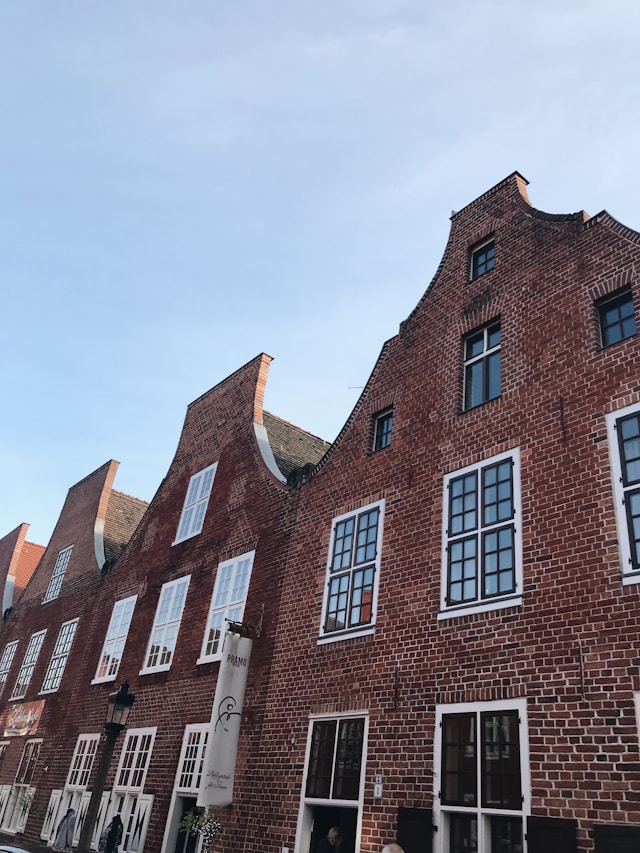
Dutch Quarter
The Dutch Quarter 's 134 red-brick houses were built with special tax exemptions to attract Dutch craftsmen - but only 32 families ever relocated. House #7 contains original 1737 Delft tile kitchens with windmill motifs hidden beneath floorboards. Few notice the street gutters follow Amsterdam's herringbone pattern for better drainage. The Jan Bouman House museum displays 18th-century "klompen" shoes found walled up for good luck. During WWII, the quarter's attic spaces hid resistance members - some graffiti remains. The annual Tulip Festival plants 50,000 bulbs from original Dutch varieties listed in 1742 nursery catalogs. Recent excavations uncovered a secret gin distillery in a cellar, complete with 1739 copper stills used to make "Potsdammer Courage" for Prussian troops.
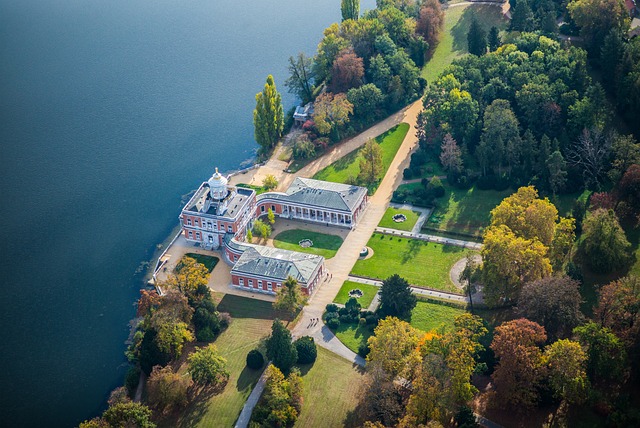
Marble Palace
The Marble Palace (1797) used Silesian marble so thinly sliced (3cm) that sunlight glows through evening-facing walls. Its concert hall ceiling mimics a starry sky with 1,800 hand-gilded stars. Few know the basement kitchen had a "drunkenness scale" painted on the wall to monitor staff. The royal bathroom features Europe's earliest documented shower (1799). During WWII, the palace stored Berlin Philharmonic instruments in temperature-controlled rooms. The garden statues were originally painted in lifelike colors now faded. Recent dendrochronology proved the parquet floors use wood from Frederick the Great's private forest, cut during a 1788 storm.
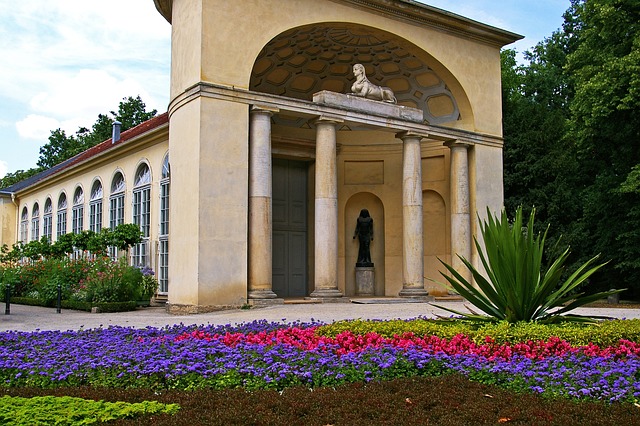
Neuer Garten
Neuer Garten contains a pyramid icehouse (1792) storing 300 tons of lake ice for royal kitchens. The Gothic Library by the lake secretly held Frederick William II's erotic book collection. Few spot the Roman-style arches built from recycled medieval monastery stones. The park's artificial ruin conceals a functional pump house for fountains. During Cold War, the shoreline path was a dead-end at the East German border. The royal herb garden still grows 18th-century medicinal plants like "Prussian valerian". Archaeologists recently uncovered a hidden grotto with 1790s shell mosaics depicting Neptune's court, mentioned in royal diaries but lost for two centuries.
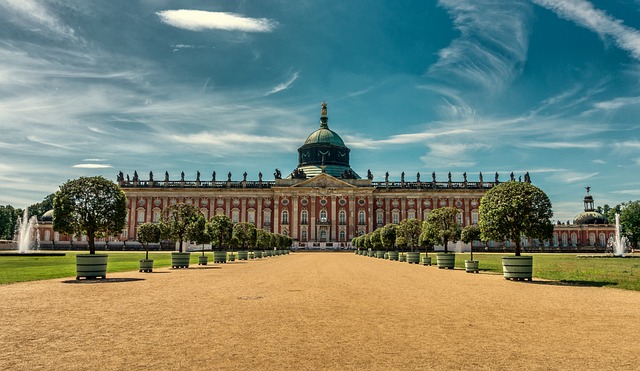
New Palace
The New Palace (1769) boasts 400+ rooms including the Grotto Hall decorated with 24,000 shells, fossils and semi-precious stones from Prussia's colonies. Its Royal Theater preserves the original 1766 stage machinery capable of creating thunder sounds by rolling cannonballs. Few visitors spot the hidden staircase behind a mirrored wall in the Marble Gallery, used by servants. The palace's 205th room contains Frederick's personal library with 6,000 books, each bearing his handwritten marginal notes. During WWII, the Amber Room replica was dismantled and hidden in salt mines - fragments remain in the palace archives. The courtyard's Roman baths complex includes a plunge pool fed by an 18th-century steam heating system. Conservators recently identified 57 different fabric patterns in the silk wall coverings, all woven with silver threads to repel moths.
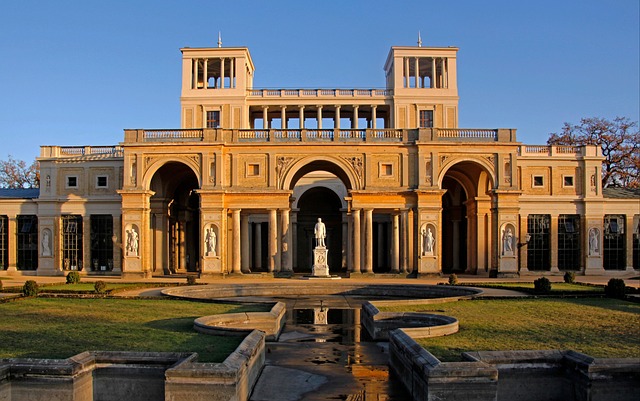
Orangery Palace
The Orangery Palace (1860) houses Europe's largest collection of overwintering citrus trees - 1,200 specimens including Frederick William IV's prized "Pomeranian Gold" oranges. Its Raphael Hall displays 47 perfect copies of Vatican frescoes painted on copper plates for royal study. Few know the tower staircase has uneven steps designed to slow attackers during revolutions. The underground heating system uses 5km of terracotta pipes maintaining 12°C for tropical plants year-round. During WWII, the palace stored Berlin's Egyptian Museum artifacts, leaving hieroglyphic inventory marks on walls. The Lion Fountain in the courtyard sprays water from concealed nozzles in the beasts' eyes during special events. Botanists recently discovered three surviving pre-phylloxera grapevines in the greenhouse - genetic ancestors of modern European wine grapes.
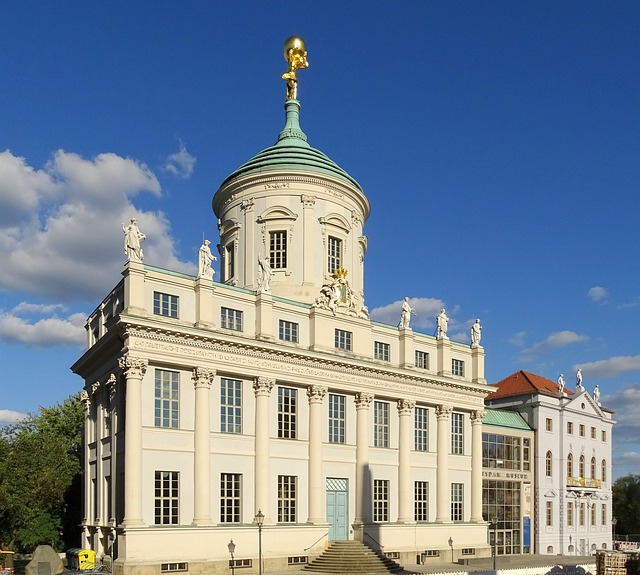
Potsdam Museum
The Potsdam Museum occupies a former royal coach house where Frederick William IV kept his gold-plated sleigh (now displayed). Its Wattolümpad exhibit explains Potsdam's lost dialect blending Dutch, French and German. Few know the cellar vaults preserve 300+ Soviet soldier graffiti from 1945-47 occupation. The digital time machine lets visitors "flip" between centuries of city maps. During renovation, workers found a hidden hoard of 1920s cinema tickets in wall cavities. The museum's light-sensitive textiles collection includes Napoleon's abandoned dressing gown from 1806. A recent acquisition is the original blueprints for Sanssouci's vineyards, showing Frederick the Great's handwritten notes about optimal grape spacing.

Sanssouci Palace
Sanssouci Palace , Frederick the Great's 1747 Rococo masterpiece , features 12 vineyard terraces growing 3,000 Portugieser grapevines - a variety the king imported for his personal wine cellar. The Marble Hall 's floor contains 28 types of German and Italian marble arranged in geometric patterns matching Prussian regimental flags. Few know the palace's Voltaire Room has walls padded with silk to muffle the philosopher's heated debates with Frederick. The gardens conceal a secret tunnel connecting to the New Palace, used for discreet royal meetings. Recent restorations revealed hidden Chinese lacquer panels beneath 19th-century wallpaper, proof of Frederick's fascination with Asian decor. The windmill nearby isn't decorative - it still operates using 1738 grinding mechanisms that produce flour sold in the palace gift shop. Archaeologists recently discovered the king's private ice cellar buried beneath the north terrace, capable of storing 20 tons of winter-harvested ice for summer use.
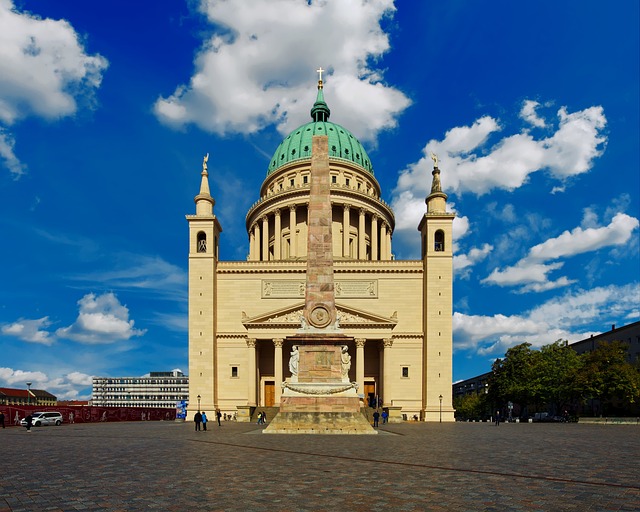
St. Nicholas Church
St. Nicholas Church 's 77m dome was precisely calculated by Karl Friedrich Schinkel to echo the Pantheon's proportions . The organ pipes contain recycled artillery metal from Napoleonic Wars. Few know the clock mechanism uses original 1837 gravity weights descending 22m through the tower. The crypt hides a secret passage to the old city hall for emergency escapes. During WWII, the golden cross was smuggled out in a potato sack by resistance members. The acoustic mirrors in the choir amplify whispers from the pulpit to the back pews. Restorers recently discovered medieval frescoes beneath the whitewash, depicting the 1417 visit of Emperor Sigismund.