
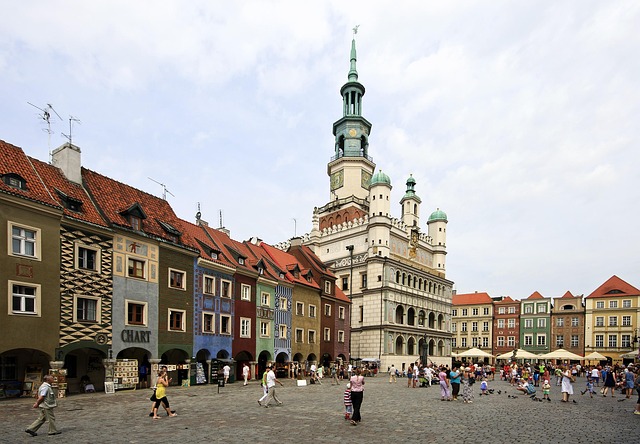
Poznan Town Hall
In Poznan, Poland .
More places to visit in Poznan
Discover more attractions and things to do in Poznan.
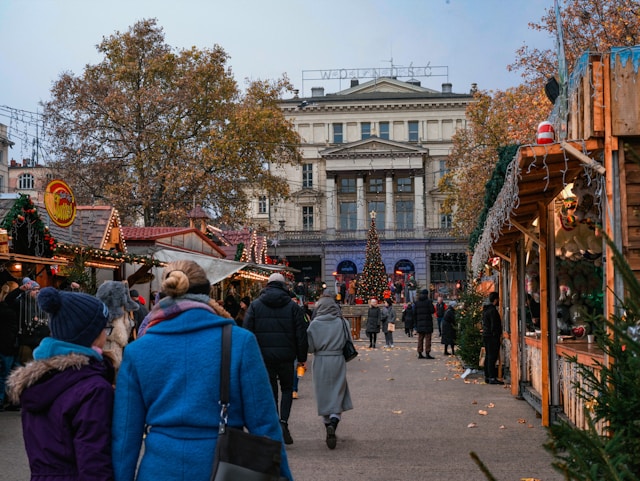
Arkadia
Arkadia in Poznan is an elegant 19th-century palace set amid lush gardens, standing as a testament to the city's refined architectural heritage. Originally built as a social club for Poznan's elite, the building boasts intricate neoclassical details and stunning ballrooms with crystal chandeliers and frescoed ceilings. Today, Arkadia serves as a cultural center and event venue, hosting art exhibitions, concerts, and stylish private gatherings. The beautifully landscaped Arkadia Park surrounding the palace provides a peaceful oasis, with meandering pathways and centuries-old trees that have witnessed Poznan's evolution. A little-known secret is the palace's underground wine cellar, once used during exclusive banquets and now open for guided tours and tastings. The venue frequently collaborates with local artists and musicians, infusing tradition with contemporary creativity. Arkadia’s blend of historic ambiance and vibrant modern life makes it a cherished landmark for residents and visitors seeking culture and relaxation in Poznan.
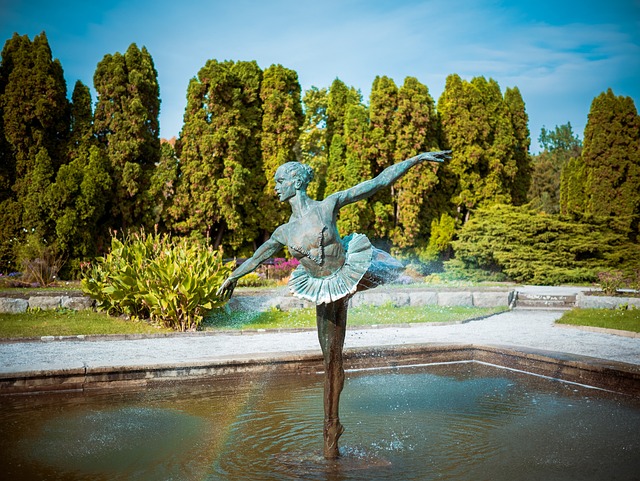
Botanical Garden
Poznan's Botanical Garden, established in 1925 , is a green sanctuary that displays more than 7,000 plant species from around the world. Spanning nearly 22 hectares, its themed sections include alpine gardens , water features, and a dedicated arboretum . The Japanese Garden enchants visitors with serene ponds and traditional landscaping. Guided tours explain the importance of plant conservation and biodiversity. The garden is especially popular in spring, when blooming magnolias and cherry trees attract photographers and families alike. Educational events and seasonal plant fairs are held throughout the year. Hidden among the greenery is a collection of rare Polish wildflowers , some found nowhere else in the country. Poznan’s Botanical Garden is not only a peaceful escape but also a living laboratory for students, scientists, and lovers of nature.
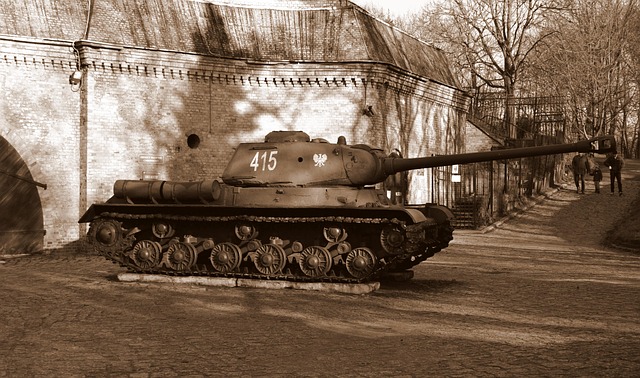
Citadel Park
Citadel Park is Poznan's largest green oasis and a site steeped in military history . Built atop a former Prussian fortress , the park contains striking remnants of ramparts, artillery, and secret bunkers. The vast grounds are interspersed with sculpture gardens , war memorials, and the evocative Museum of Armaments . Locals enjoy the park’s sprawling meadows for jogging, picnics, and open-air concerts. At its heart stands the Peace Bell , symbolizing the city’s wish for reconciliation. In autumn, the park is a haven for mushroom gatherers and birdwatchers. Less known is the Cemetery of Soviet Soldiers and the British Military Cemetery, which pay tribute to the many lives touched by conflict here. Citadel Park is more than just a recreational area; it is a living memorial and a unique blend of nature, history, and modern art.

Croissant Museum
Poznan's Croissant Museum is a delightful celebration of the city’s iconic St Martin's croissants , a tradition dating back to the 19th century . Here, visitors witness live demonstrations of the unique process behind these Protected Geographical Indication pastries, learning why they are so central to Poznan’s identity. The museum is housed in a historic townhouse overlooking the Old Market Square, and guests often leave with flour-dusted hands after trying their own skills. Interactive workshops reveal secret ingredients, including poppy seeds and almonds, and share legends of how croissants were first offered to the poor by local bakers. The building’s upper floors display vintage baking tools and rare recipe books. During St Martin's Day each November, the museum becomes the epicenter of celebrations with parades and tastings. For food lovers and history buffs alike, this museum is a flavorful immersion into Poznan’s sweet side.
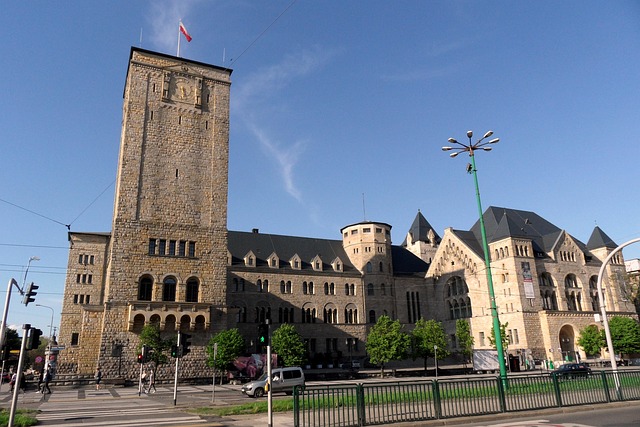
Imperial Castle
Poznan's Imperial Castle is an imposing example of early 20th-century neo-Romanesque design, built for Kaiser Wilhelm II when the region was part of Prussia. The castle’s grand halls now serve as a cultural center , hosting exhibitions, film screenings, and music festivals. Its richly decorated interiors include the Throne Room and Imperial Chapel, while the cellars reveal a darker past as Nazi and Soviet headquarters. Visitors often miss the secret garden with sculptures and a peaceful fountain. The castle also features an underground art cinema and unique rooftop terrace with panoramic city views. The Imperial Castle’s layered history, from royal residence to civic hub, mirrors Poznan’s resilience and cosmopolitan spirit.
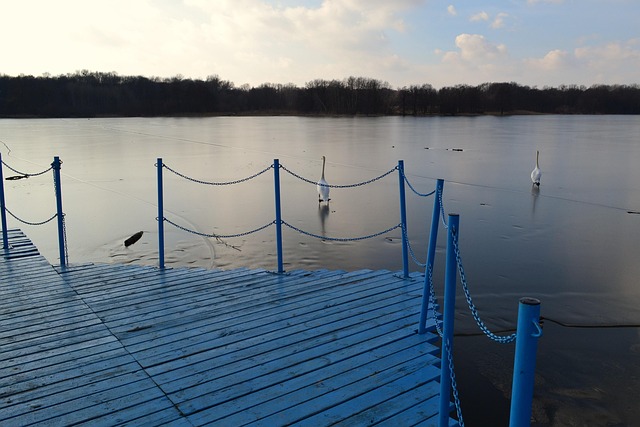
Maltese Lake
Maltese Lake, or Jezioro Maltanskie , is Poznan’s favorite recreational destination and a venue for international rowing and canoeing competitions . Created in the 1950s, the lake is surrounded by forests, bike trails , and modern sports facilities. Families flock to the Maltanka Miniature Railway , the thermal baths , and the year-round ski slope on the lakeshore. Summer brings music festivals, while winter turns the area into a snowy playground. Few visitors realize that archaeological digs uncovered early Slavic settlements beneath the current shoreline. Maltese Lake is also the site of the spectacular St John’s Night firework display each June. Whether for sports, leisure, or open-air culture, Maltese Lake is a symbol of Poznan’s dynamic outdoor lifestyle.
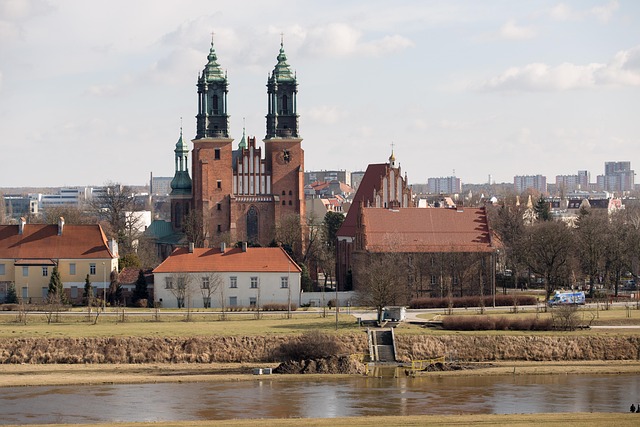
Ostrow Tumski
Ostrow Tumski, or Cathedral Island , is Poznan’s cradle of history, where the first Polish state emerged more than a thousand years ago. This atmospheric island on the Warta River features the stunning Basilica of St Peter and Paul , as well as archaeological museums showcasing early medieval relics. The area is also home to peaceful gardens, Romanesque crypts , and remnants of royal palaces . Walking its cobbled lanes, visitors trace the steps of Mieszko I and Boleslaw Chrobry, Poland’s founding rulers. Evening illuminations cast magical reflections on ancient brick walls, while the riverbanks attract both birdwatchers and cyclists. Many overlook the little-known Bishop’s Palace, where political and ecclesiastical power once intertwined. Ostrow Tumski is a tranquil, evocative place that bridges the past and present—ideal for anyone seeking the roots of Polish nationhood.
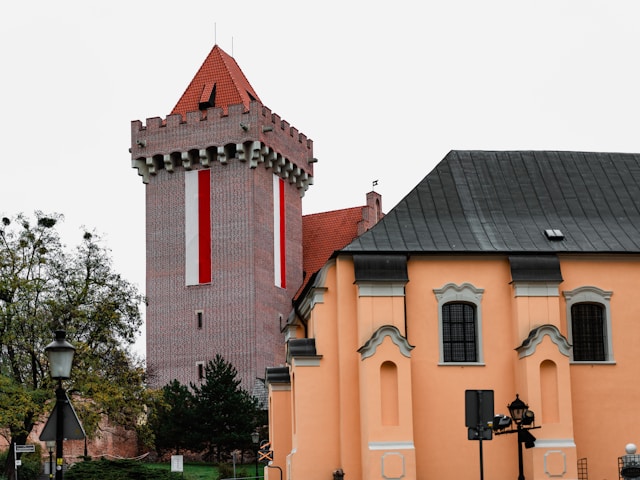
Royal Castle
The Royal Castle of Poznan sits majestically above the city, echoing the days of the Piast dynasty and Kazimierz the Great . Originally constructed in the 13th century, it has witnessed numerous battles, fires, and reconstructions . Today, its restored towers and chambers house exhibits on royal life and Poznan’s strategic role in Polish history. Visitors can climb the tower for panoramic views over rooftops and the Warta River. One lesser-known tale involves hidden tunnels beneath the castle, rumored to connect to other city fortifications. The castle is also home to a unique exhibition of medieval armor and manuscripts. Summer evenings bring open-air theater and concerts to the castle grounds, drawing both locals and tourists. The Royal Castle is a testament to Poznan’s enduring strength, artistic heritage, and its centuries-old ties to Poland’s monarchy.
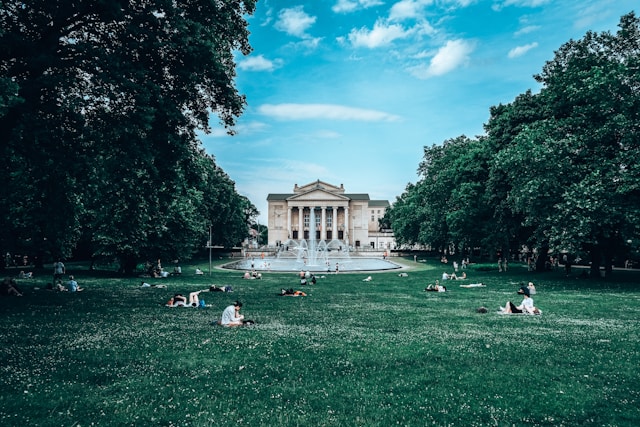
Teatr Wielki
The Teatr Wielki, or Grand Theatre of Poznan, is a magnificent neoclassical building and the cultural heart of the city. Inaugurated in 1910 , it was designed by German architect Max Littmann and features an impressive portico adorned with statues of Pegasus , symbolizing the arts. The theater is renowned for its opera and ballet performances, with a program that ranges from classic works to innovative modern productions. Its acoustics and lavish interiors have drawn world-famous conductors and soloists to its stage. A lesser-known fact is the presence of an ornate underground passage, once used by performers and now open to special tours. The Grand Theatre survived both World Wars and today serves as a vibrant venue for international festivals and local premieres. With its striking architecture and rich tradition, Teatr Wielki continues to inspire audiences, fostering a love for the performing arts in the heart of Poznan.