
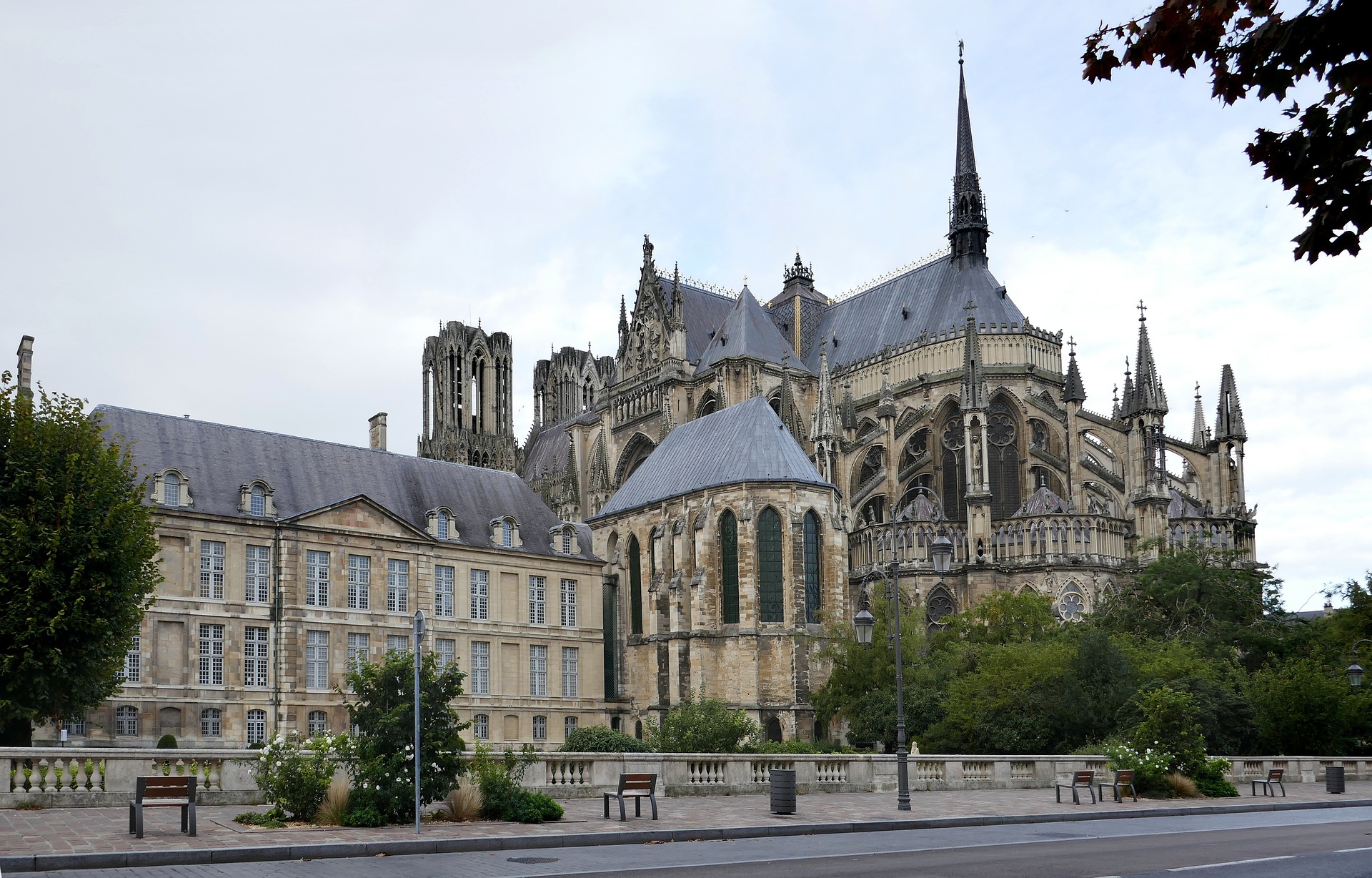
City view of Reims, France

Reims

Reims, located in the Champagne region of northeastern France, is known for its rich history and sparkling wine. The city's most famous landmark is the Cathédrale Notre-Dame de Reims, a stunning Gothic cathedral where French kings were crowned for centuries. Reims is also home to several other historic sites, including the Palais du Tau and the Basilique Saint-Remi. The city is at the heart of the Champagne wine region, and visitors can explore the many champagne houses, such as Veuve Clicquot and Moët & Chandon, which offer tours and tastings. Reims' cuisine is a reflection of its Champagne heritage, with specialties like biscuits roses and ham from Reims. The city's combination of history, culture, and champagne makes it a top destination in northeastern France.

Top attractions & things to do in Reims

If you’re searching for the best things to do in Reims, this guide brings together the top attractions and must-see places to visit in Reims. The top picks below highlight the most visited sights for first-time visitors, plus a few local favorites worth adding.

Basilique Saint-Remi in Reims, France

Basilique Saint-Remi

The Basilique Saint-Remi is a remarkable Romanesque church located in Reims, France, dedicated to Saint Remi, the bishop who baptized Clovis I, the first king of the Franks. This UNESCO World Heritage site is renowned for its stunning architecture, featuring a mix of Romanesque and Gothic elements. The basilica dates back to the 11th century and is a testament to the rich religious history of the region. Inside, visitors can admire the beautiful stained glass windows that depict biblical scenes and the exquisite altarpiece. The peaceful atmosphere of the basilica invites quiet reflection, making it a perfect place for contemplation. The church is also home to the tomb of Saint Remi, which is an important pilgrimage site for many. The surrounding gardens add to the charm of the location, providing a serene setting for visitors to enjoy. With its historical significance and architectural beauty, the Basilique Saint-Remi is a must-visit attraction for anyone exploring Reims, offering insight into the city's spiritual heritage. The 12th-century stained glass in the choir uses Persian lapis lazuli pigment, creating its signature deep blue hues. Archaeologists recently discovered a 6th-century crypt beneath the altar containing fragments of the original Merovingian church.
Ads place
Ads place
Ads place
Ads place
Ads place
Champagne Taittinger in Reims, France

Champagne Taittinger

Champagne Taittinger is one of the most renowned champagne houses located in Reims, France. Founded in 1932, Taittinger is famous for its exceptional quality champagne and rich heritage. The estate features beautiful cellars that date back to the 13th century, carved into the chalky hillside of the region. Visitors can embark on guided tours of the cellars, where they can learn about the intricate process of champagne production, from grape harvesting to fermentation. The tour also includes tastings of their exquisite champagnes, allowing guests to appreciate the delicate flavors and aromas that define Taittinger. The stunning architecture of the estate and the peaceful gardens surrounding it create a serene atmosphere that enhances the experience. Champagne Taittinger is not only a place to savor some of the finest bubbly in the world but also an opportunity to immerse oneself in the history and culture of the Champagne region. For wine enthusiasts and casual visitors alike, Taittinger provides an unforgettable experience in the heart of Reims. The deepest cellars contain bottles from the 1911 Champagne Riots, preserved as historical artifacts. During WWII, workers secretly walled off a Roman-era chalk quarry beneath the estate to hide rare vintages from Nazi confiscation.
Ads place
Ads place
Ads place
Ads place
Ads place
Les Halles du Boulingrin in Reims, France

Les Halles du Boulingrin

Les Halles du Boulingrin is a historical market hall located in Reims, France, known for its stunning architecture and vibrant atmosphere. Built in the early 20th century, this remarkable structure features a blend of Art Deco and modernist styles, characterized by its large glass windows and iron framework. The market hall serves as a hub for local commerce, showcasing fresh produce, meats, cheeses, and artisanal goods from the region. Visitors can stroll through the market, sampling local delicacies and engaging with friendly vendors. The lively ambiance, combined with the beautiful architecture, makes Les Halles du Boulingrin a popular destination for both locals and tourists. The market also hosts various events and activities throughout the year, further enriching the cultural experience of the area. Enjoying a meal or a drink at one of the surrounding cafés while watching the bustling market life is a delightful way to immerse oneself in the local culture. For anyone visiting Reims, a trip to Les Halles du Boulingrin is a wonderful opportunity to experience the flavors and vibrancy of the region. The building's innovative Hennebique concrete structure allowed it to survive WWII bombings that destroyed neighboring areas. Beneath the market lies a 17th-century bowling green (the origin of "Boulingrin") now used for aging local cheeses in hidden vaults.
Ads place
Ads place
Ads place
Ads place
Ads place
Palace of Tau in Reims, France

Palace of Tau

The Palace of Tau is a historic building located adjacent to Reims Cathedral, serving as the former residence of the archbishops of Reims and an important site in French history. This UNESCO World Heritage site has been beautifully preserved and now houses a museum dedicated to the history of the cathedral and the coronation of French kings. The palace showcases stunning architecture, with its impressive façade and grand interiors that reflect the opulence of the era. Visitors can explore various rooms, including the former chapel and the gallery of tapestries, which depict scenes from the lives of the kings and religious figures. The museum also features artifacts from the coronation ceremonies, including crowns and ceremonial robes, providing a fascinating insight into the traditions and rituals that shaped French monarchy. The Palace of Tau offers visitors an enriching experience that complements the visit to the nearby cathedral, making it a must-see destination in Reims for history enthusiasts and those interested in France's royal heritage. Hidden in the archives is the 9th-century Talisman of Charlemagne, a sapphire-and-emerald relic used in coronation rituals. The palace's Golden Chamber contains a replica of the sacred Holy Ampulla – the original was destroyed during the French Revolution with fragments still displayed here.
Ads place
Ads place
Ads place
Ads place
Ads place
Reims Cathedral in Reims, France

Reims Cathedral

The Reims Cathedral, also known as Notre-Dame de Reims, is a stunning example of French Gothic architecture located in the heart of Reims, France. This UNESCO World Heritage site is famous for its grandeur and historical significance, serving as the coronation site for French kings for centuries. The cathedral's intricate façade features over 2,300 statues, magnificent stained glass windows, and beautifully detailed sculptures that attract visitors from around the world. Inside, the vast nave and stunning choir create a sense of awe, and the acoustics enhance the experience of any music performed within its walls. Reims Cathedral is not just a religious site but also a symbol of French identity and resilience. The cathedral has undergone extensive restoration work, especially after suffering damage during World War I. Today, it stands as a testament to the artistry of medieval builders and the cultural heritage of France. Visitors can explore the cathedral's history through informative exhibits and guided tours, making it an essential stop for anyone visiting Reims, offering a deep connection to France's royal past. Few know the original 13th-century floor tiles contained embedded lead constellations visible by candlelight during night masses. During WWII, the cathedral's iconic Smiling Angel statue was carefully disassembled and hidden in a secret location to protect it from Nazi looters.
Ads place
Ads place
Ads place
Ads place
Ads place