
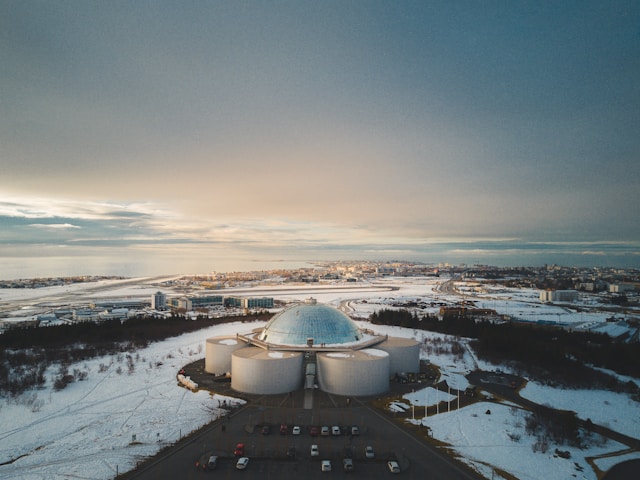
Perlan
In Reykjavik, Iceland .
More places to visit in Reykjavik
Discover more attractions and things to do in Reykjavik.
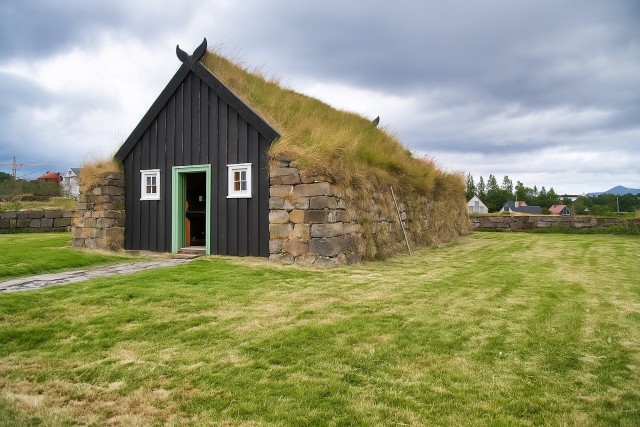
Arbaer Open Air Museum
Arbaer Open Air Museum transports visitors back in time with its collection of more than 20 preserved buildings , relocated from different parts of Reykjavik. The museum recreates life in the city from the 19th and early 20th centuries , with costumed interpreters demonstrating traditional crafts like blacksmithing and wool spinning. Guests can explore turf-roofed houses, a vintage church, and an old-fashioned general store stocked with period goods. Special exhibitions focus on everything from children’s games to historic farming tools. Arbaer hosts seasonal events such as midsummer celebrations and Christmas markets, making it a family favorite. The museum’s peaceful location by the Ellidar river invites picnics and walks through meadows dotted with wildflowers. Visitors gain a deeper understanding of how Reykjavik grew from a fishing village into a modern city, all while experiencing the warmth of Icelandic hospitality in an authentic setting. Photography lovers will find endless inspiration among the colorful, historic buildings and picturesque rural landscapes.
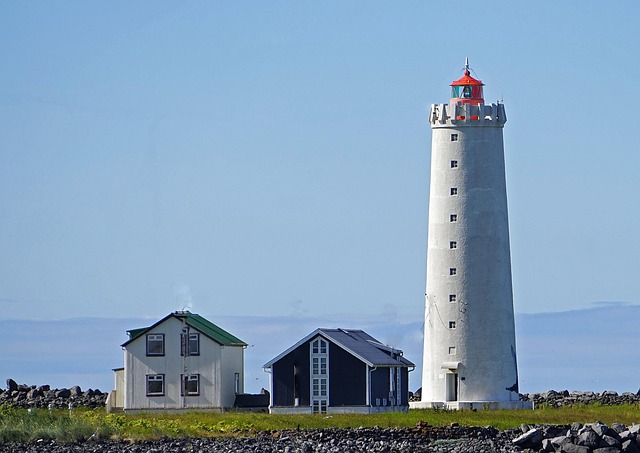
Grotta Lighthouse
Grotta Lighthouse stands at the tip of the Seltjarnarnes Peninsula, where the land meets the Atlantic. Built in 1947 , the lighthouse is surrounded by tidal flats and black sand beaches teeming with birdlife, making it a paradise for nature photographers. At low tide, visitors can walk along a narrow path to reach the lighthouse, enjoying panoramic views of the sea and distant mountains. The site is one of Reykjavik’s best locations for watching the northern lights in winter or the midnight sun in summer. Local legend claims the lighthouse is haunted by the spirit of a shipwrecked sailor. Grotta is also home to a tiny geothermal foot bath where visitors soak their feet while admiring the view. The peaceful setting attracts both locals and tourists seeking a quiet escape from the city. Birdwatchers especially enjoy the opportunity to observe migratory species that stop here during their long journeys.
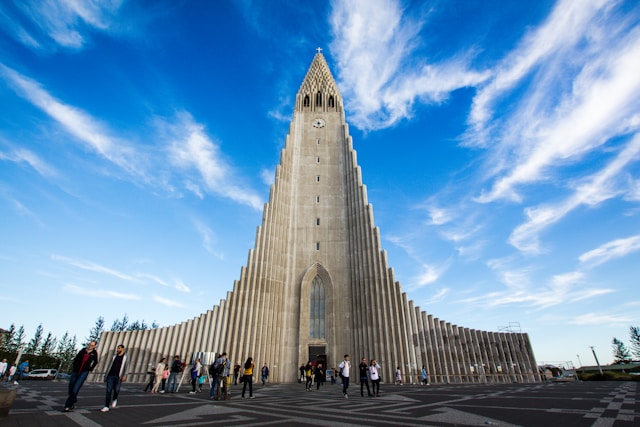
Hallgrimskirkja
Hallgrimskirkja rises above Reykjavik, its soaring silhouette instantly recognizable against the city skyline. Inspired by Iceland's basalt lava columns, the church was completed in 1986 after over four decades of construction. Its unique design by Gudjon Samuelsson is a tribute to Icelandic geology and creativity. The observation deck offers panoramic views of Reykjavik, the harbor, and surrounding mountains. Inside, the 5,275-pipe organ fills the space with powerful music during concerts and special events. Outside, a statue of Leif Erikson , a gift from the United States, honors Iceland’s Viking heritage. Hallgrimskirkja is illuminated in different colors to mark holidays and causes, making it a focal point for community gatherings. Visitors can also enjoy rotating art exhibits within the sanctuary, which showcase local talent. Its distinct silhouette has become a symbol of Reykjavik, frequently featured in art, photography, and national celebrations.
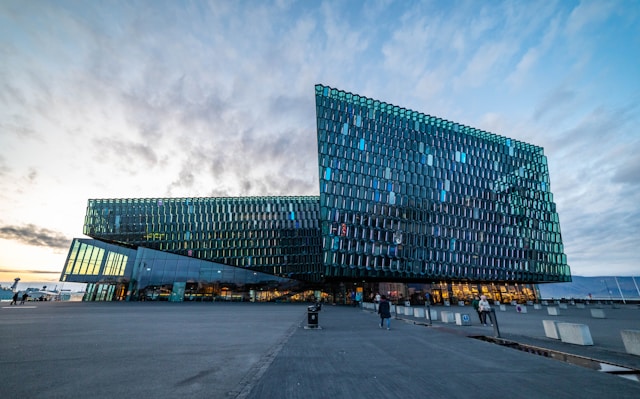
Harpa Concert Hall
Harpa Concert Hall is Reykjavik’s modern architectural jewel, gleaming on the edge of the old harbor. Its faceted glass facade was designed by artist Olafur Eliasson and reflects the ever-changing Icelandic light. Opened in 2011 , Harpa is home to the Iceland Symphony Orchestra and the Icelandic Opera. The building has won international awards, including the Mies van der Rohe Award for contemporary architecture. Each night, a computerized light show transforms Harpa into a glowing beacon. Inside, visitors are treated to exceptional acoustics in several performance halls, and the spacious foyer offers sweeping views of Mount Esja. Harpa’s construction marked a turning point for the city after the financial crisis, symbolizing renewal and hope. Guided tours reveal hidden details about its design, and the building frequently hosts art installations, festivals, and community events that animate the city’s creative spirit. Harpa’s waterfront setting has also made it a favorite spot for outdoor gatherings and photography.
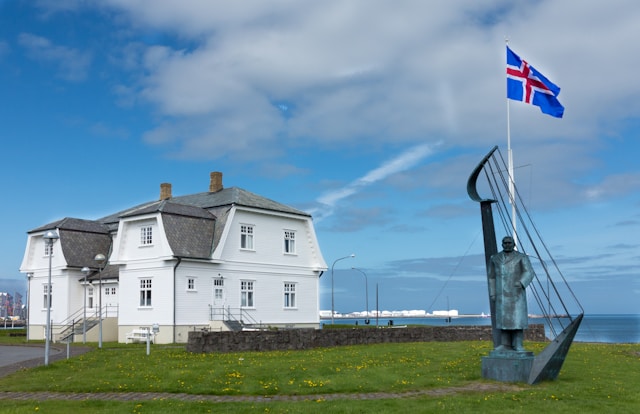
Hofdi House
Hofdi House is one of Reykjavik’s most historically significant buildings, famed as the venue of the 1986 Reykjavik Summit where Ronald Reagan and Mikhail Gorbachev held talks that paved the way for the end of the Cold War. Built in 1909 , the white, timber-clad house originally served as the French consul’s residence and later hosted British embassies and cultural figures. Hofdi’s elegant rooms feature period furnishings , while its picturesque location offers sweeping views over Faxafloi Bay. The site is also known for ghost stories, with many claiming the house is haunted by a lady in white. Although not regularly open to the public, the grounds are popular for photographs, and the house is illuminated at night, creating a striking silhouette against the northern sky. A commemorative plaque near the entrance details the historic summit, and Hofdi remains a symbol of Reykjavik’s unique role in world diplomacy. Its prominent place in both Icelandic and international history makes it a must-see for visitors interested in world events.
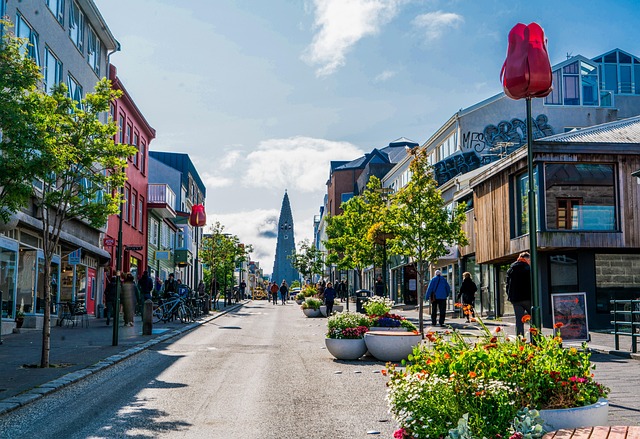
Laugavegur Street
Laugavegur is Reykjavik’s main shopping street, alive with color, creativity, and energy day and night. This historic avenue dates back to the late 19th century and is lined with boutiques, art galleries , cozy cafes, and iconic street art murals. Laugavegur transforms during the annual Culture Night festival, when musicians, dancers, and artists fill the sidewalks with vibrant performances. Locals and visitors alike stroll the street to discover unique Icelandic designs, vintage shops, and culinary hotspots. The area is famous for its nightlife, with live music venues and bustling bars that stay open late into the night. Historic houses with colorful facades add to the street’s charm. Laugavegur is also home to seasonal markets and pop-up events throughout the year. The street’s atmosphere is both welcoming and cosmopolitan, making it a true heart of city life. Fashion lovers will appreciate the presence of both classic Icelandic wool shops and avant-garde designer boutiques.
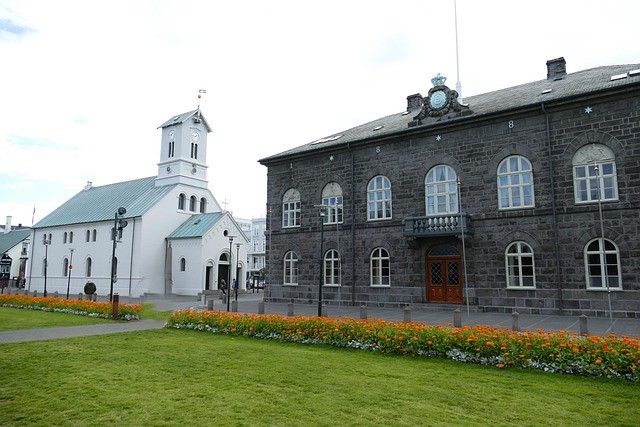
Parliament House (Althingi)
Parliament House, known as Althingi , is the seat of Iceland’s national parliament and a cornerstone of the country’s democratic life. Built in 1881 from locally quarried basalt stone , the stately building stands in Austurvollur Square, at the heart of Reykjavik’s historic center. The Althingi traces its origins back to 930 AD , making it one of the world’s oldest parliaments. The House’s neoclassical facade is complemented by beautifully maintained gardens and statues of prominent Icelandic statesmen. Inside, the debating chamber and committee rooms are used for key legislative sessions and national decisions. Visitors can join guided tours to learn about Iceland’s unique political system, view historical documents, and see the ornate Speaker’s Chair . The building also features stained-glass windows by noted artist Guorun Helgadottir . During major events and national holidays, Austurvollur Square fills with people, speeches, and lively celebrations, reflecting the House’s enduring role as a symbol of Icelandic independence and civic pride.
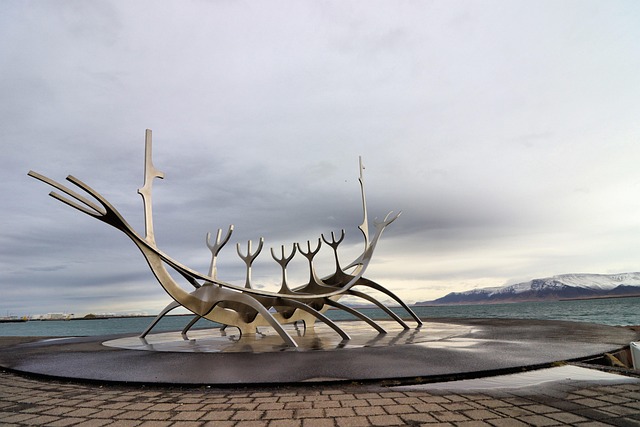
Sun Voyager
The Sun Voyager is one of Reykjavik’s most photographed landmarks, a shimmering steel sculpture that stands along the city’s scenic waterfront. Created by artist Jon Gunnar Arnason in 1990 , it represents a dreamboat, symbolizing hope, discovery, and new beginnings. The sculpture’s sweeping lines evoke Viking ships and Iceland’s maritime past, while its placement catches the dramatic light at sunrise and sunset. Visitors often pause here for photos with the distant Mount Esja as a backdrop. Sun Voyager is also a favorite spot for quiet reflection or simply watching the sea birds and fishing boats. The piece was originally designed for Reykjavik’s 200th anniversary and has become a beloved symbol of the city’s adventurous spirit. It is said that rubbing the prow of the ship brings good luck. Local musicians sometimes perform informal concerts here on warm summer evenings. The changing light and weather often transform its appearance, creating a new experience with every visit.
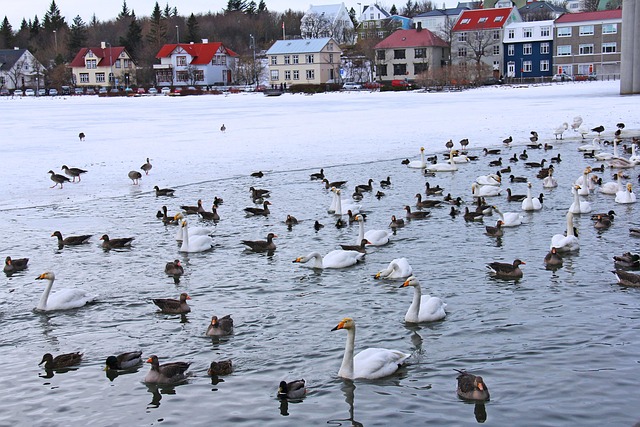
Tjornin Pond
Tjornin Pond is a tranquil oasis in the heart of Reykjavik, beloved by locals for its beauty and wildlife. Surrounded by picturesque colorful houses , the pond is home to dozens of bird species including swans, ducks, and Arctic terns. Walking paths encircle Tjornin and lead to charming gardens and the impressive City Hall , which seems to float on the water. In winter, the pond freezes over and becomes a natural ice-skating rink for families and children. Tjornin is a popular spot for feeding ducks and photographing Reykjavik’s ever-changing skies. The area hosts open-air concerts and public art installations throughout the year. The reflective surface of the pond often mirrors the dramatic clouds and evening sunsets, creating a magical scene. For those seeking quiet moments, early mornings around Tjornin offer a chance to watch the city wake up in peaceful silence.