
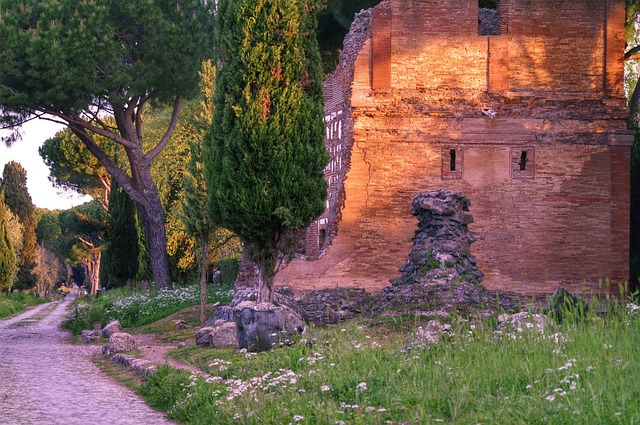
Via Appia Antica
In Rome, Italy .
More places to visit in Rome
Discover more attractions and things to do in Rome.
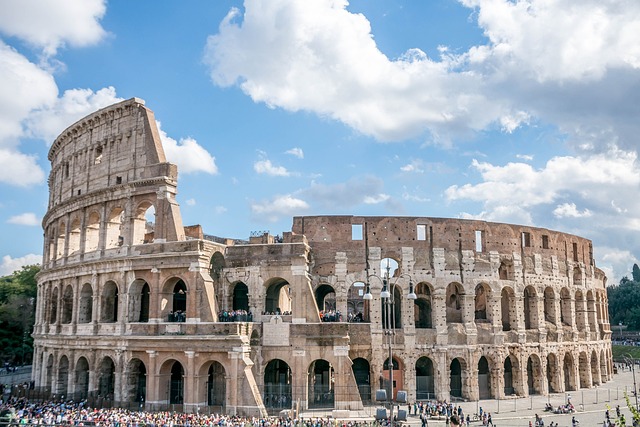
Colosseum
The Colosseum , also known as the Flavian Amphitheatre , is one of the most iconic landmarks in Rome and a testament to the grandeur of ancient Roman engineering. Constructed between 70-80 AD under the emperors Vespasian and Titus , this massive amphitheater could hold up to 80,000 spectators who gathered to witness gladiatorial contests, animal hunts, and public spectacles. The elliptical structure is made of concrete and stone, and its design has influenced stadium architecture worldwide. Despite suffering damage from earthquakes and stone robbers, the Colosseum remains a symbol of the city's rich history. Visitors can explore the underground chambers, where gladiators and animals were kept, and imagine the roaring crowds that once filled its stands. Today, it is a UNESCO World Heritage Site and an enduring symbol of Rome's imperial power. Few know that the Colosseum once hosted mock naval battles by flooding the arena with water from a complex aqueduct system. Recent archaeological discoveries reveal that medieval families actually lived inside the ruins, converting vaulted passages into homes and workshops during the Middle Ages.
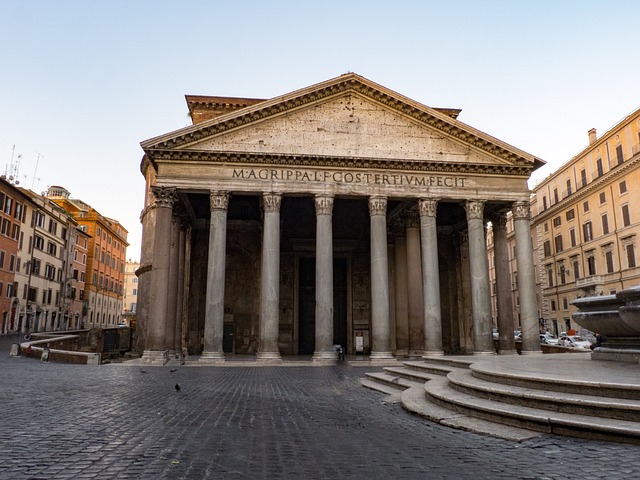
Pantheon
The Pantheon is a masterpiece of ancient Roman architecture and engineering, renowned for its massive dome and oculus . Originally built in 27 BC by Marcus Agrippa and later rebuilt by Emperor Hadrian around 118-125 AD , this temple was dedicated to all Roman gods. The building's perfect proportions and the harmonious interplay of light through the central oculus create a sense of awe. The Pantheon also serves as a burial site for several prominent figures, including the artist Raphael . Few visitors realize the dome's concrete contains volcanic ash from Pompeii, making it lighter at the top. On April 21st (Rome's birthday), sunlight entering the oculus perfectly illuminates the doorway in a celestial alignment planned by ancient architects.
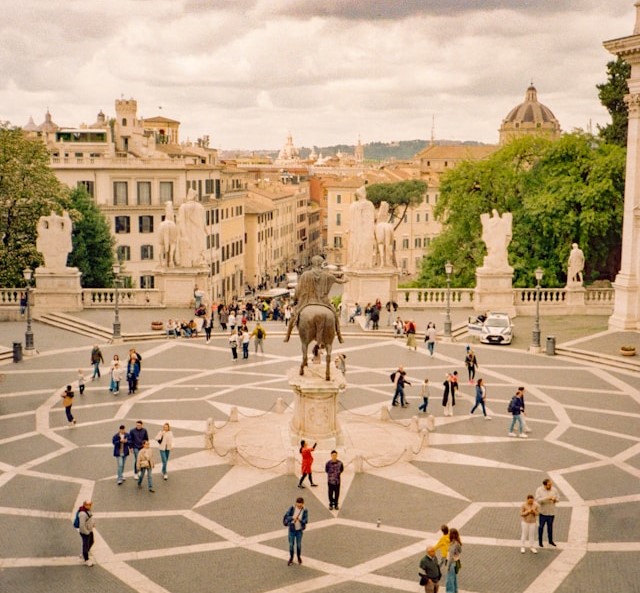
Piazza del Campidoglio
Piazza del Campidoglio is a masterpiece of urban design by Michelangelo , situated on Capitoline Hill , one of Rome's seven hills. The square is flanked by elegant palaces that house the Capitoline Museums , which display a wealth of ancient Roman artifacts and Renaissance art. At its center stands a replica of the equestrian statue of Marcus Aurelius , symbolizing Rome's imperial grandeur. Beneath the piazza lies the Tabularium , ancient Rome's record office, with original bronze tax records still intact. The square's pavement features a hidden astronomical sundial aligned with the winter solstice sunrise. Michelangelo designed the square's unique trapezoidal shape to create an optical illusion making the Senate building appear larger. The original Marcus Aurelius statue now resides in the museums, having been moved indoors to protect it from pollution. On clear nights, the square offers exceptional stargazing due to its elevated position and limited light pollution.
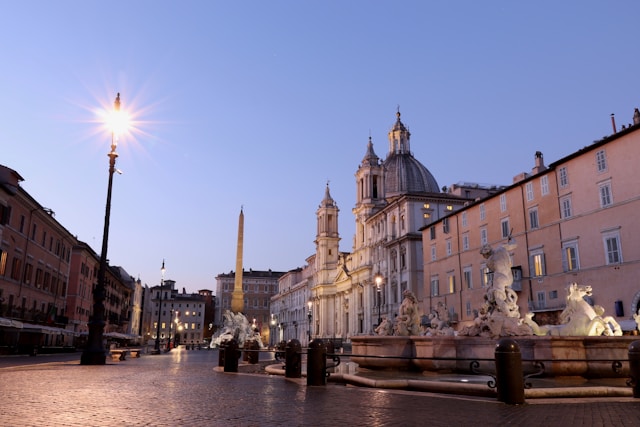
Piazza Navona
Piazza Navona is one of the most beautiful squares in Rome, celebrated for its Baroque architecture and lively atmosphere. Built on the site of the ancient Stadium of Domitian , the piazza retains its oval shape and serves as a vibrant hub for both locals and tourists. The centerpiece is the Fountain of the Four Rivers , designed by Gian Lorenzo Bernini , which symbolizes the major rivers of four continents. The square is also home to the Church of Sant'Agnese in Agone , a masterpiece by Francesco Borromini . Beneath the piazza lies the original stadium's underground passages, where archaeologists recently discovered ancient graffiti by gladiators. During Christmas, the square transforms with a traditional market where artisans sell handmade nativity scenes dating back to the 16th century.
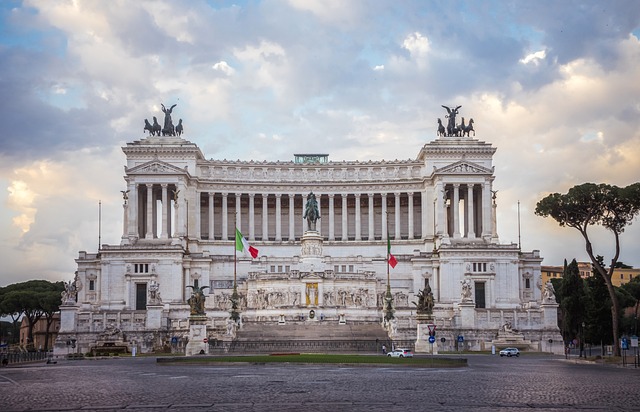
Piazza Venezia
Piazza Venezia is a central hub in Rome, known for its commanding view of the Vittorio Emanuele II Monument , also called the 'Altare della Patria.' This bustling square serves as a connecting point to many historic attractions. The square's architectural highlights include Palazzo Venezia , which once served as the papal residence and Mussolini's office. Its historical significance is intertwined with key moments in Italy's unification and modern history. The square is a meeting point for locals and tourists alike, bustling with energy and surrounded by cafes and shops. Few know the monument contains a hidden elevator to its rooftop, offering one of Rome's best panoramic views. Beneath the square runs an ancient Roman road discovered during metro construction, now visible through glass panels in the pavement. The piazza was also the site where Julius Caesar was cremated, though the exact location remains debated by historians. Every evening, the monument's facade becomes a canvas for a stunning light show depicting Italy's history.
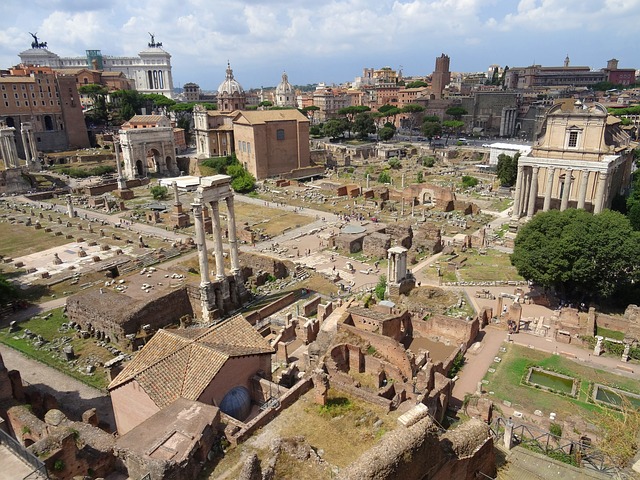
Roman Forum
The Roman Forum , or Forum Romanum , is one of the most significant archaeological sites in Rome, offering a profound glimpse into ancient Roman civilization. Located between the Palatine and Capitoline Hills , it served as the political, religious, and social center of the empire. This sprawling complex of ruins includes temples, basilicas, and arches, each telling a story of Rome's grandeur and power. Key highlights include the Temple of Saturn, the Arch of Titus, and the Curia Julia, where the Senate once convened. Recent excavations uncovered a 2,700-year-old necropolis beneath the Forum, revealing Rome's earliest inhabitants. Archaeologists also found a "shopping mall" from Trajan's era with over 150 shops selling exotic goods from across the empire. The Forum was originally a marshy valley that the Romans drained using sophisticated engineering techniques in the 7th century BC. On summer solstice, sunlight aligns perfectly with the Arch of Septimius Severus, creating a spectacular light phenomenon.
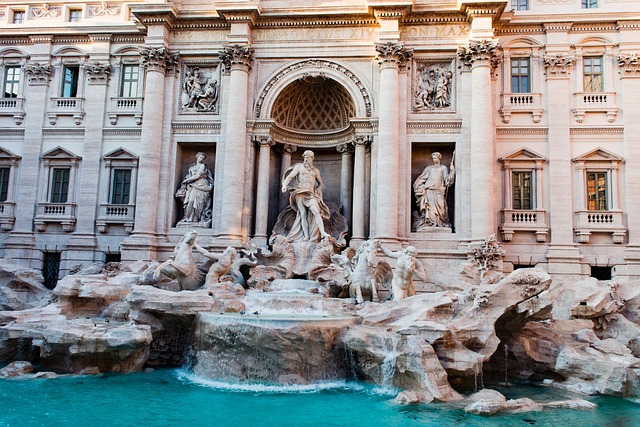
Trevi Fountain
The Trevi Fountain is one of Rome's most beloved landmarks and an exquisite example of Baroque art . Completed in 1762 by Nicola Salvi and Giuseppe Pannini , this monumental fountain is located at the intersection of three streets (hence its name 'Trevi'). It features a stunning depiction of the god Oceanus in a chariot pulled by sea horses, surrounded by allegorical figures representing abundance and health. Visitors flock to the fountain to toss coins into its waters, a tradition said to ensure a return to Rome. The cascading water and intricate sculptures create a captivating sight, especially when illuminated at night. Few know the fountain's water comes from the ancient Aqua Virgo aqueduct, still functioning after 2,000 years. During restoration in 2016, workers discovered centuries-old love letters and wedding rings embedded in the fountain's crevices, now displayed in a nearby museum.
Vatican Museums
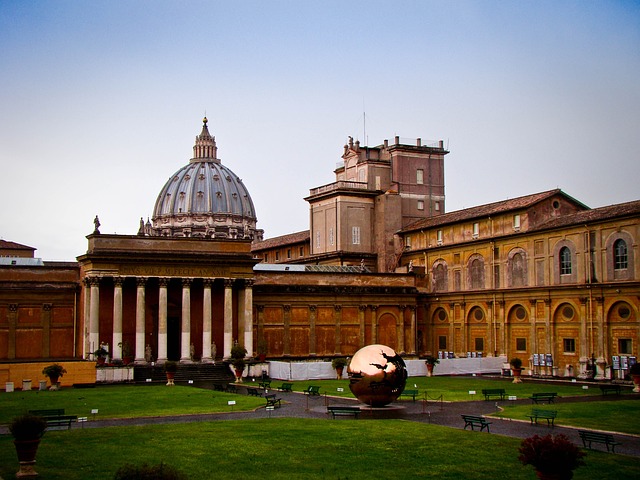
The Vatican Museums house one of the most impressive collections of art and historical artifacts in the world, drawing millions of visitors each year. Established in the 16th century by Pope Julius II , the museums span a complex of galleries and chapels, including the Sistine Chapel with its famous ceiling painted by Michelangelo . From ancient Roman sculptures to Renaissance masterpieces by Raphael and Leonardo da Vinci , the collection offers a journey through the history of Western art. The museums also feature intricate tapestries, ornate maps, and the grand spiral staircase by Giuseppe Momo . A visit to the Vatican Museums is a must for anyone seeking to immerse themselves in the treasures of the Catholic Church and the beauty of human creativity. Few realize the museums contain a secret apartment used by Pope Pius XI, accessible only through a disguised door in the Gallery of Maps. The collection also includes an ancient Roman "garbage dump" of broken statues, which Renaissance artists like Michelangelo studied to perfect their craft.
Villa Borghese Gardens
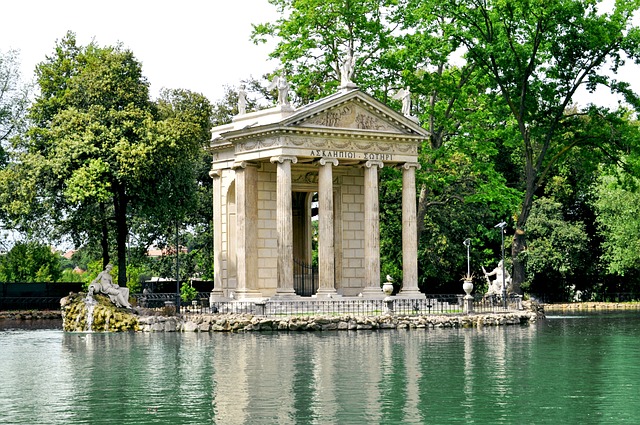
Villa Borghese Gardens is one of Rome's most beloved green spaces, offering a serene escape from the bustling city. Spread over 80 hectares , this lush park is home to museums, fountains, and picturesque pathways. Among its highlights are the Borghese Gallery , which houses a rich collection of art by masters like Bernini and Caravaggio , and the Pincio Terrace , providing panoramic views of Piazza del Popolo and beyond. The gardens contain a secret "Garden of Broken Hearts" where 19th-century lovers would discard mementos of failed romances. At night, the park's artificial island becomes a stage for open-air opera performances under the stars. The gardens were originally the private estate of Cardinal Scipione Borghese, who planted rare botanical specimens from around the world. Hidden within the park is a miniature replica of Shakespeare's Globe Theatre, hosting summer performances of the Bard's works in Italian.