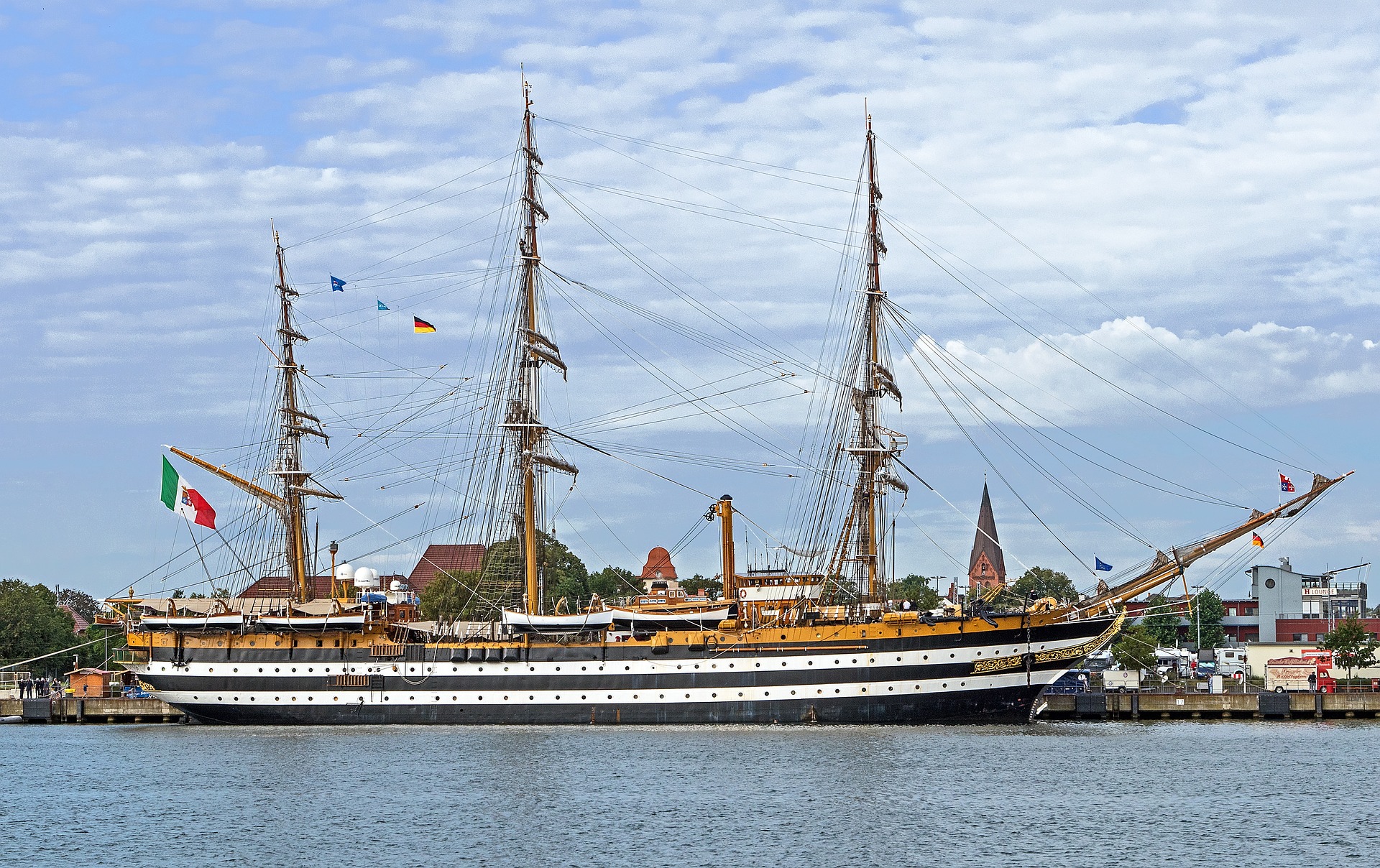

City view of Rostock, Germany

Rostock

Rostock, located on the Baltic Sea coast, is a city with maritime charm and a vibrant harbor. The city's history is closely tied to the Hanseatic League, and its old town features medieval architecture, such as St. Mary's Church with its astronomical clock. Rostock is also home to one of the oldest universities in northern Europe. The nearby seaside resort of Warnemünde offers sandy beaches and a picturesque lighthouse. Rostock's harbor hosts festivals and events, adding to the city's lively atmosphere. The city's mix of historical sites, cultural experiences, and coastal activities make it an appealing destination for travelers.

Top attractions & things to do in Rostock

If you’re searching for the best things to do in Rostock, this guide brings together the top attractions and must-see places to visit in Rostock. The top picks below highlight the most visited sights for first-time visitors, plus a few local favorites worth adding.

Kulturhistorisches Museum in Rostock, Germany

Kulturhistorisches Museum

The Kulturhistorisches Museum occupies a 13th-century monastery complex with original cloisters displaying 800+ medieval artifacts. Its Golden Horde collection features 14th-century Mongol trade goods from Rostock's Silk Road connections. The Schiffergesellschaft Room recreates a 1525 sailors' tavern with ships' figureheads and whalebone chairs. Rare exhibits include a 1592 celestial globe by Tycho Brahe's pupil and Luther's travel Bible annotated during 1534 Baltic visits. The museum's coin cabinet holds 30,000 pieces including 10th-century Viking hack silver. Recent acquisitions include 1945 Soviet soldier diaries found walled up in a merchant's house. Interactive displays let visitors "navigate" a Hanseatic cog through storm simulations.
Ads place
Ads place
Ads place
Ads place
Ads place
Rostock Harbour in Rostock, Germany

Rostock Harbour

Rostock Harbour, established in 1218, was the first German port to use hydraulic cranes (1895) capable of lifting 50-ton ship engines. The Kröpeliner Tor warehouse (1450) stores 600+ historic ship models including a 1:10 scale cog ship from the Hanseatic era. The harbor's submarine tunnel (1943) now houses a museum of maritime technology. During the Hanse Sail festival, 300+ tall ships dock along the 3km promenade where visitors can climb rigging. The Fischmarkt auction hall (1907) still uses its original brass bell to start daily fish sales. Recent dredging uncovered 15th-century anchor stocks from Venetian trading vessels. Night cruises showcase illuminated container cranes choreographed to classical music.
Ads place
Ads place
Ads place
Ads place
Ads place
Rostock Zoo in Rostock, Germany

Rostock Zoo

Rostock Zoo, founded in 1899, pioneered Europe's first polar bear breeding program in 1956. Its Darwineum complex houses 80 primate species in a replica rainforest with 5,000 tropical plants. The Polarium features a 12m-long underwater tunnel through penguin habitats kept at -5°C. Rare species include Amur leopards (only 100 left wild) and Komodo dragons bred through artificial incubation. The zoo's elephant house (1913) retains original Wilhelmine-era tiled walls showing jungle scenes. Night tours reveal nocturnal behaviors of aye-ayes and fossa under red light. Conservationists recently reintroduced zoo-bred European bison to Polish forests.
Ads place
Ads place
Ads place
Ads place
Ads place
St. Mary's Church in Rostock, Germany

St. Mary's Church

St. Mary's Church (Marienkirche), built between 1290-1472, is the largest remaining Brick Gothic church in the Baltic region. Its 86m-high tower contains the world's oldest working astronomical clock (1472) showing planetary positions and Easter dates until 2017. The Baroque organ (1770) by Paul Schmidt has 5,500 pipes including some made from 16th-century ship timbers. During WWII, the church's medieval stained glass was dismantled and hidden in salt mines - only 40% was recovered. The nave's floor slopes 1.2m due to unstable medieval foundations, creating unique acoustics. Recent restorations revealed 14th-century frescoes depicting Rostock's sea trade with Norway under layers of whitewash. Don't miss the Bronze Baptismal Font (1290) cast from melted-down pagan idols.
Ads place
Ads place
Ads place
Ads place
Ads place
Warnemünde in Rostock, Germany

Warnemünde

Warnemünde's 31m lighthouse (1898) contains 142 spiral steps and a Fresnel lens visible 20 nautical miles out. The Teepott building (1968) is Europe's first hyperbolic paraboloid concrete structure, housing seafood restaurants. Local fishermen still use Zeesenboote sailboats with distinctive brown sails for daily catches. The beach stretches 3km with sand so fine it was used in 19th-century hourglass production. The Warnemünde Church (1871) has ship-shaped chandeliers made from salvaged wrecks. During the Warnemünder Woche regatta, 2,000 sailors compete in races watched from 100+ historic villas. Marine archaeologists recently discovered a 1683 shipwreck with intact Dutch porcelain cargo offshore.
Ads place
Ads place
Ads place
Ads place
Ads place