
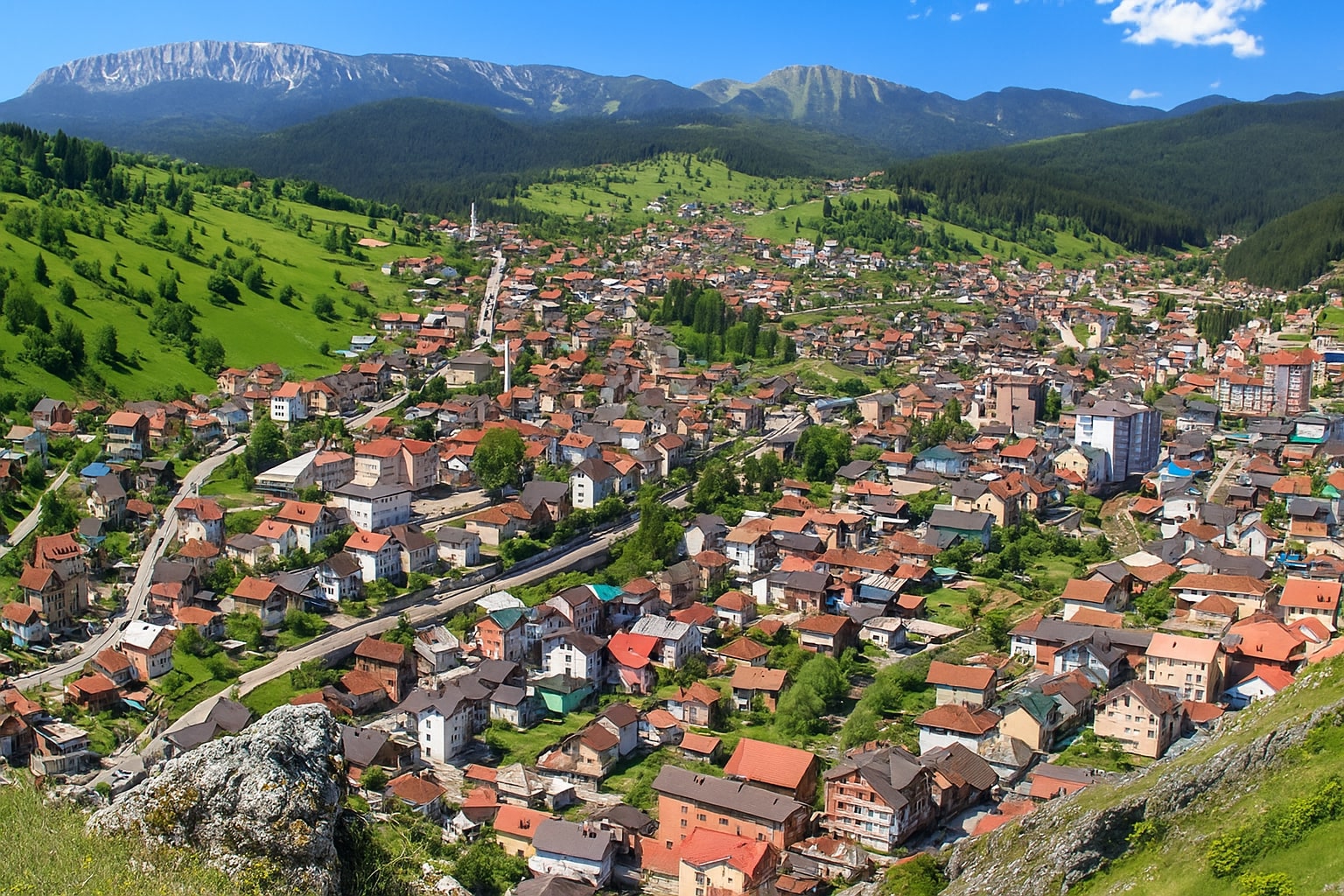
City view of Rozaje, Montenegro

Rozaje

Rozaje, embraced by pine forests and snow-capped peaks, is a crossroads of cultures, languages, and traditions at Montenegro’s northeast edge. Elegant mosques and steep-roofed homes dot the city, while the Ibar River weaves through fields and meadows. Bazaars brim with handwoven carpets and smoky grilled delicacies, and mountain trails beckon with stories of outlaws and old shepherds. Winters here bring fairy-tale snow, while summers ring with music and laughter. Locals greet visitors with open arms, always ready to share a meal or a tale. Rozaje is a place for adventurers, dreamers, and anyone in search of a unique Montenegrin welcome.

Top attractions & things to do in Rozaje

If you’re searching for the best things to do in Rozaje, this guide brings together the top attractions and must-see places to visit in Rozaje. The top picks below highlight the most visited sights for first-time visitors, plus a few local favorites worth adding.

Gradska Dzamija in Rozaje, Montenegro

Gradska Dzamija

At the heart of Rozaje stands Gradska Dzamija, the city’s central mosque, a masterpiece of Ottoman architecture and spiritual heritage. Erected in 1830, it features an elegant minaret and intricately carved wooden interiors, reflecting the skilled craftsmanship of local artisans. The mosque is not just a place of worship, but a vibrant center for community gatherings, especially during major festivals like Bayram. Its courtyard, shaded by ancient lindens, is a favorite spot for peaceful reflection or lively conversation. Over the years, Gradska Dzamija has withstood fires and reconstructions, always returning as a beacon of resilience for Rozaje's Muslim community. The Friday call to prayer echoes through the town, mingling with the aroma of fresh bread from nearby bakeries. Visitors are welcomed with warmth, often invited to join in a cup of traditional Bosnian coffee after prayers. This mosque is a true testament to the enduring spirit of Rozaje.
Ads place
Ads place
Ads place
Ads place
Ads place
Hajla Mountain in Rozaje, Montenegro

Hajla Mountain

Hajla Mountain rises above Rozaje like a sentinel, with its highest peak reaching 2,403 meters, making it one of Montenegro's most spectacular natural wonders. This rugged massif forms part of the Dinaric Alps and is famed for its pristine glacial lakes, ancient beech forests, and diverse wildlife, including rare chamois and golden eagles. Hajla is a year-round destination, attracting hikers and mountaineers with its marked trails, and in winter, it transforms into a snow-laden paradise for skiers. Local legends tell of Ottoman travelers who crossed these ridges, and even today, you may encounter centuries-old shepherd's huts on the high meadows. The mountain’s panoramic viewpoints offer sweeping vistas over Montenegro, Kosovo, and Serbia, reminding visitors of Hajla’s significance as both a border and a meeting place of cultures. Its pure mountain air and serene silence make every step a rejuvenating experience. For those who seek true wilderness, Hajla promises unforgettable adventures and soulful moments in Montenegro's far northeast.
Ads place
Ads place
Ads place
Ads place
Ads place
Ibar River Valley in Rozaje, Montenegro

Ibar River Valley

Flowing gracefully through Rozaje, the Ibar River carves a green valley that is both the town’s lifeline and its scenic escape. The river’s source lies beneath the slopes of Hajla Mountain, and its journey is marked by crystal-clear pools, ancient mills, and arched Ottoman bridges dating back to the 18th century. Local fishermen still cast their lines in the early morning mist, hoping for a prized trout, while families picnic on the grassy banks. Springtime transforms the valley into a tapestry of wildflowers, and in autumn, the forests blaze with color. The Ibar River was historically a key trade route, linking Rozaje with the distant cities of Kosovo and Serbia, and its waters have inspired countless folk songs and poems. Whether you explore by foot or simply pause to listen to the river’s song, the Ibar Valley invites everyone to slow down and savor the natural beauty of Montenegro’s borderlands.
Ads place
Ads place
Ads place
Ads place
Ads place
Turjak Fortress in Rozaje, Montenegro

Turjak Fortress

Perched on a rocky hilltop above Rozaje, Turjak Fortress is a silent witness to centuries of conflict and courage. Built in the 17th century, this fortress once guarded vital trade and military routes between Montenegro and the Ottoman Empire. Its stone walls, though weathered by time, still hold traces of Ottoman and Montenegrin architectural influences, reflecting the region’s turbulent past. Local tales tell of heroic last stands and secret passages beneath the ruins, which come alive with history during the annual Turjak Festival. The panoramic view from the fortress is breathtaking, sweeping over forests and mountains as far as the eye can see. Archaeologists occasionally uncover relics from past battles, adding to the mystique. As twilight descends, the stones seem to glow, conjuring images of sentries watching for distant riders. For history lovers, Turjak Fortress offers a tangible link to Montenegro’s dramatic frontier legacy.
Ads place
Ads place
Ads place
Ads place
Ads place
Wooden Mosque in Gornja Lovnica in Rozaje, Montenegro

Wooden Mosque in Gornja Lovnica

Hidden in the pine-clad hills near Rozaje, the Wooden Mosque in Gornja Lovnica is a rare architectural gem, dating to the 18th century. Entirely built from local timber without a single nail, it stands as a testament to traditional craftsmanship and spiritual devotion. The mosque’s hand-carved pillars and latticework windows create a play of light and shadow, making every visit unique. Legend says the original builders carried logs from the forest by moonlight to avoid Ottoman patrols, infusing the structure with an air of secrecy and resilience. The mosque is still in use, hosting prayers and intimate community gatherings, especially during Ramadan. Its setting, surrounded by wildflowers and the sound of birdsong, offers a peaceful retreat from modern life. Guided tours share stories of the families who have cared for the mosque over generations. Today, it remains one of Montenegro’s most cherished wooden sanctuaries, drawing both pilgrims and architecture lovers alike.
Ads place
Ads place
Ads place
Ads place
Ads place