
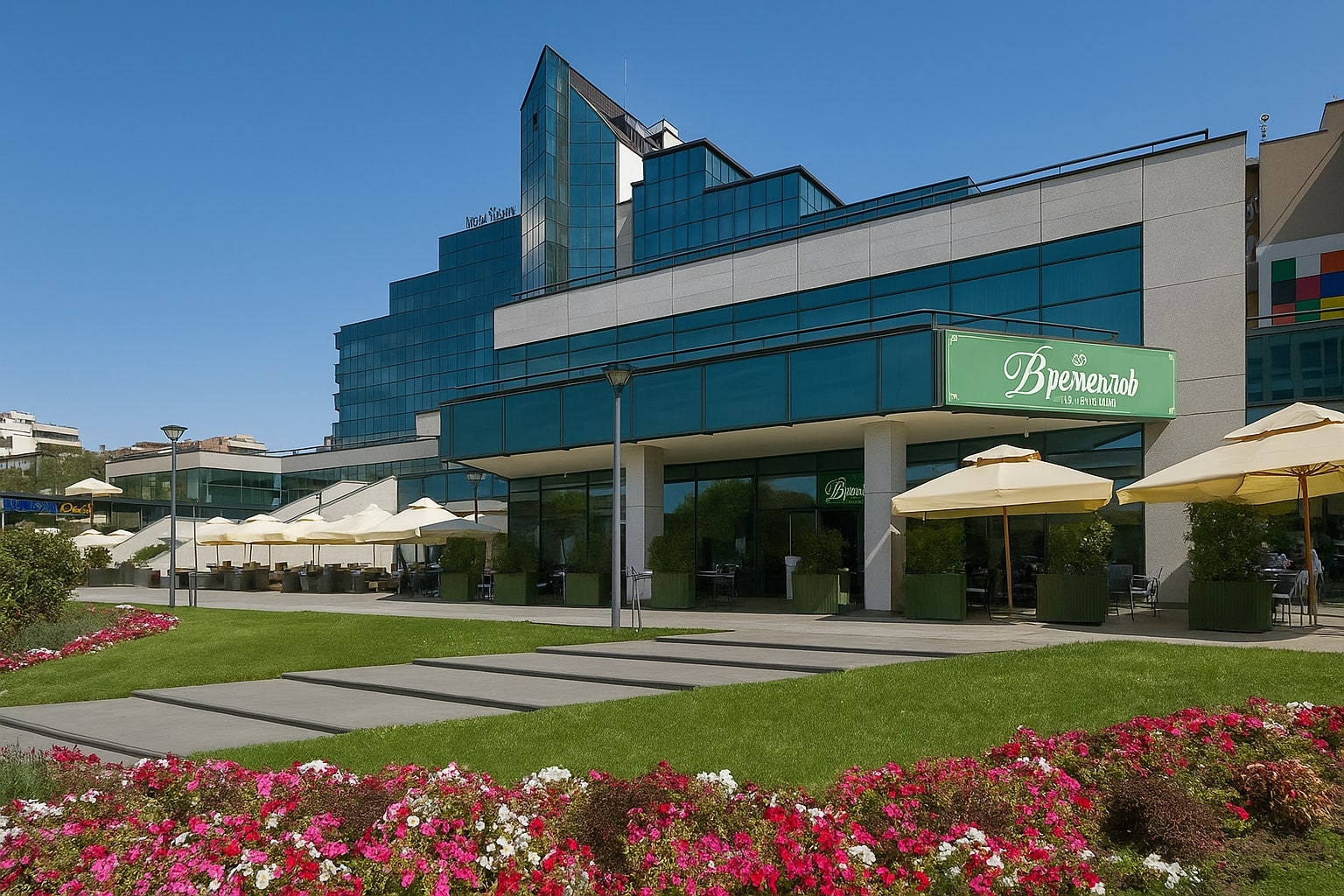
City view of Sabac, Serbia

Sabac

Sabac keeps the Sava close and the mood grounded. A promenade collects joggers, anglers, and teenagers who practice choreography against shop windows that become mirrors after sunset. The surviving fortress earthworks sit like punctuation between chapters of trade and revolt; the museum ties Roman shards to modern theater posters without forcing the analogy. Kitchens fry river fish in cornmeal coats, and stalls sell a cream cheese so persuasive it travels home in extra bags. Street murals choose jokes over posture, and bands rehearse brass parts in courtyards until neighbors join. A quirky local sport happens on market days: competitive haggling for paprika strings judged by symmetry. Drive a few minutes and orchards takeover, proof that pies here are not aspirational but inevitable. Sabac reads resilient, writes practical, and feeds generously, which is a trinity worth the detour.

Top attractions & things to do in Sabac

If you’re searching for the best things to do in Sabac, this guide brings together the top attractions and must-see places to visit in Sabac. The top picks below highlight the most visited sights for first-time visitors, plus a few local favorites worth adding.

Cer Mountain and Tekeris Memorial in Sabac, Serbia

Cer Mountain and Tekeris Memorial

A short drive from town the road lifts into beech woods and then opens to a ridge where wind and grass keep quiet company. Here the Battle of Cer in 1914 turned the early war and the monument at Tekeris honors soldiers led by Stepa Stepanovic whose clear strategy met a larger force with stubborn precision. Stone figures stand above inscriptions and the view scans villages that supplied food mules and messengers to the front. Trails follow old lines of advance and retreat so a hike doubles as a careful reading of terrain which remains the best history teacher. On anniversaries choirs and veterans gather and the ceremony is brief because respect speaks plainly in this landscape. The mountain is not dramatic by Alpine standards yet it carries consequence in every fold and stream. Visitors descend with a slower voice and a steadier sense of scale which is the memorial doing its work well.
Ads place
Ads place
Ads place
Ads place
Ads place
National Museum of Sabac in Sabac, Serbia

National Museum of Sabac

Behind a calm facade the museum arranges centuries with the confidence of a good editor and the curiosity of a neighborhood teacher. Founded in 1934 it collects archaeological finds coins and weapons that map the valley from Roman traces to modern regiments and it gives generous space to the Battle of Cer in 1914. Portraits and letters set faces to names while uniforms and field gear translate archives into human scale. Curators prefer context over clutter and they pair local crafts like the Pocerina pottery tradition with maps that follow trade along the Sava. School groups arrive in waves and the galleries absorb their questions easily because labels are clear without being simple. Temporary shows invite contemporary artists to answer history so the building never feels asleep. You leave recognizing that Sabac tells a national story through familiar rooms and careful light and that memory here is both public and practical.
Ads place
Ads place
Ads place
Ads place
Ads place
Sabac Fortress in Sabac, Serbia

Sabac Fortress

Low walls keep watch over the Sava and reeds move like sentries while the town circles its old stronghold with everyday errands. The first defenses rose in the late 15th century when border tension demanded stone and vigilance and the site changed hands often as empires argued. In 1521 the campaign of Suleiman the Magnificent swept through the valley and the fort entered the long story of the Ottoman and Habsburg frontier. Later engineers trimmed bastions to suit gunpowder logic and traders stacked bales near the gate as river convoys paused for papers and bread. Archaeology still lifts coins buckles and brick stamps after rain and each small find turns the grass into a patient archive. Sunset warms the masonry and the water writes a steady line so the ruins feel less like an end than a beginning. The fortress explains Sabac without lecturing and the river finishes the sentence kindly.
Ads place
Ads place
Ads place
Ads place
Ads place
Sava Riverside Promenade in Sabac, Serbia

Sava Riverside Promenade

The river sets the rhythm and the promenade keeps time with cyclists joggers and benches that face the broad current. Barges move grain while anglers try their luck near groves and the skyline folds softly toward bridges that knit neighborhoods together. The walkway remembers 1914 when the Serbian army under Stepa Stepanovic threw a pontoon bridge across the Sava and marched toward the Cer heights and its first Allied victory of the war. Memorial stones near the path compress that urgency into a few dates while cafés supply the present with coffee and patient views. In spring willows comb the surface and swallows write quick scripts above the water and in winter fog the city sounds half a tone lower. The promenade is where Sabac practices balance between work and leisure and where history accompanies exercise without insisting on a speech. It is a horizon you can walk and a diary you can share.
Ads place
Ads place
Ads place
Ads place
Ads place
Tesnjar Quarter in Sabac, Serbia

Tesnjar Quarter

Cobbled alleys tighten into a friendly knot of shops workshops and porches and the scent of coffee travels quicker than conversation. Tesnjar grew with merchant energy in the 19th century when river fairs and cart roads brought fabrics tools and news into the same courtyards. Facades keep a modest vernacular with deep eaves and timber balconies while inn signs remember the days of guilds that guaranteed quality more reliably than advertising. Stories gather around Janko Veselinovic and other writers who described the town as a little Paris where manners and humor traded evenly. The quarter suffered fires and wartime damage in the 20th century yet repairs protected its scale so evenings still feel domestic rather than theatrical. Today bookstores meet pastry shops and music drifts from doorways turning a walk into an easy lesson in continuity. Tesnjar is proof that a city keeps its past alive by using it politely every day.
Ads place
Ads place
Ads place
Ads place
Ads place