
Mozart Residence (Mozart-Wohnhaus)
In Salzburg, Austria .
More places to visit in Salzburg
Discover more attractions and things to do in Salzburg.
Getreidegasse
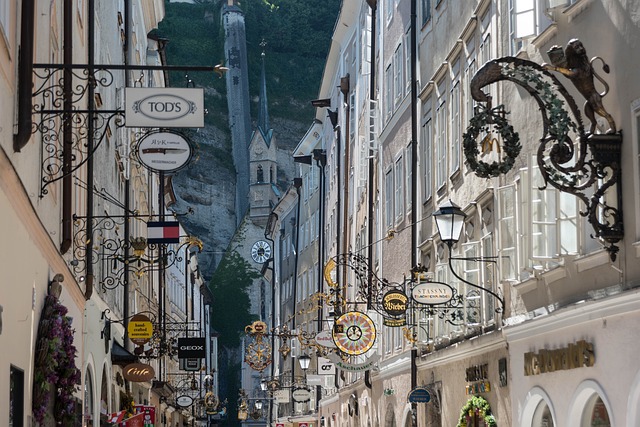
Getreidegasse is Salzburg's most famous shopping street, steeped in history and vibrant with modern commerce. This narrow, bustling street is lined with medieval buildings, many of which have beautifully wrought-iron guild signs hanging above their entrances. The street is home to a mix of high-end boutiques, traditional shops, and cozy cafes, offering everything from designer fashion to local crafts. Getreidegasse is also the birthplace of Wolfgang Amadeus Mozart , with his family home now serving as a museum dedicated to his early life. The street's architectural beauty, featuring narrow passageways and ornate facades, makes it a delight to explore. Street musicians and performers often add to the lively atmosphere, creating an engaging cultural experience. The historic shops, such as the famous St. Peter's Bakery , offer a taste of Salzburg's culinary traditions. Getreidegasse is a perfect blend of past and present, reflecting Salzburg's rich heritage. Its central location in the Old Town makes it a starting point for many city tours. Whether for shopping, dining, or sightseeing, Getreidegasse is a must-visit destination in Salzburg. Beneath the street, smuggling tunnels from the salt trade era now house boutique wine cellars. The guild signs, like the Golden Hedgehog , were medieval "addresses" for illiterate townspeople—each symbol represents a specific trade.
Hohensalzburg Fortress
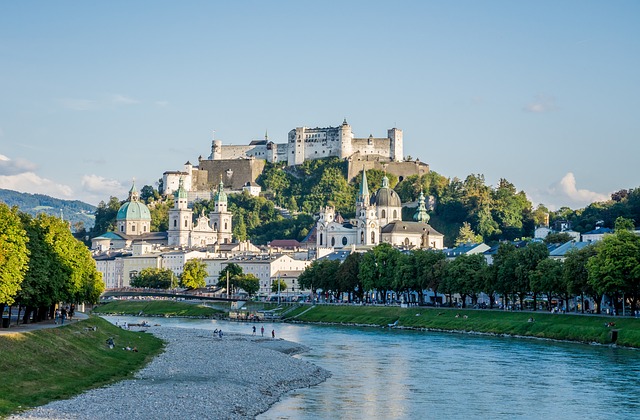
Hohensalzburg Fortress, towering over Salzburg on Festungsberg Hill , is one of the largest and best-preserved medieval castles in Europe. Originally built in 1077 by Archbishop Gebhard , it was expanded over the centuries, particularly in the 15th century during the reign of Archbishop Leonhard von Keutschach . The fortress offers panoramic views of the city and the Alps, making it a prime spot for photography. Visitors can explore the state rooms, the Golden Hall , and the Golden Chamber , showcasing medieval and Renaissance art and decor. The fortress also houses several museums, including the Fortress Museum and the Marionette Museum. Accessible by funicular railway or a steep hike, it provides a glimpse into Salzburg's rich history and defensive architecture. Regular guided tours delve into the lives of the archbishops who once resided here. The fortress also hosts concerts, providing a unique venue for enjoying classical music. Seasonal events, such as Christmas markets, add to its allure. Hohensalzburg Fortress is a symbol of Salzburg's historical significance and enduring legacy. Beneath the fortress lies a network of medieval siege tunnels , some wide enough for horse-drawn carts, used to transport supplies during Ottoman threats . Every August, the fortress hosts a Knight's Tournament , where actors joust in historically accurate armor, drawing crowds to its outer courtyards.
Mirabell Palace and Gardens
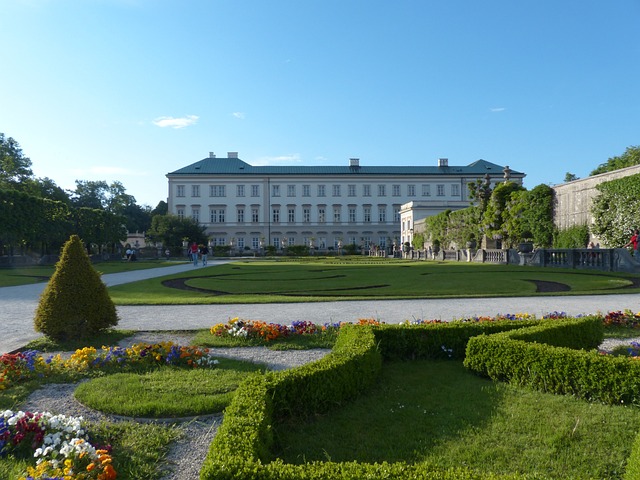
Mirabell Palace, constructed in 1606 by Prince-Archbishop Wolf Dietrich von Raitenau , is a masterpiece of baroque architecture . The palace's Marble Hall is renowned for its exquisite design and acoustics, hosting concerts, especially those featuring Mozart's music. The adjacent Mirabell Gardens, designed in 1690 , are famous for their geometrically arranged flower beds, mythological statues, and fountains. The Pegasus Fountain , a highlight of the gardens, was featured in the film "The Sound of Music." The gardens also include the Hedge Theater , one of the oldest open-air theaters in Europe, and the Dwarf Garden , with its unique marble statues. Visitors can enjoy leisurely strolls while admiring the vibrant floral displays and perfectly manicured lawns. The palace's historical significance and beauty make it a popular venue for weddings and cultural events. Seasonal blooms ensure the gardens are a year-round attraction. Mirabell Palace and Gardens are a testament to Salzburg's artistic and horticultural heritage. The palace's Angel Staircase , adorned with cherubs, was carved from Untersberg marble in 1720 and survived WWII bombings unscathed. Hidden within the gardens is a 17th-century sundial that still accurately tracks time using shadow patterns on ancient Roman numerals.
Mozart's Birthplace
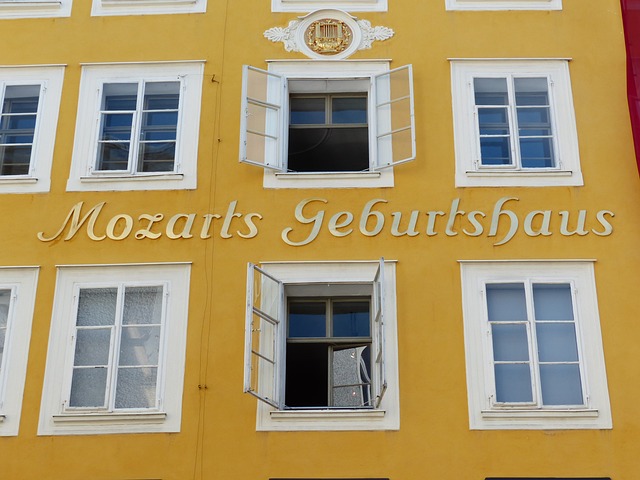
Located on Getreidegasse , Mozart's Birthplace is the house where Wolfgang Amadeus Mozart was born on January 27, 1756 . This yellow townhouse, now a museum, offers an intimate look at the early life of the musical prodigy. The museum's exhibits include original instruments, such as Mozart's childhood violin, personal letters, and family portraits. Detailed displays provide insights into Mozart's upbringing, his early compositions, and the cultural environment of 18th-century Salzburg . The museum also explores the lives of his family members, including his sister Nannerl , also a talented musician. Visitors can walk through the rooms where the Mozart family lived, gaining a sense of their daily life. Interactive exhibits and multimedia presentations enhance the educational experience. Mozart's Birthplace is a pilgrimage site for music lovers from around the world. It is part of the broader Salzburg Museum, dedicated to preserving the city's rich cultural history. The museum's shop offers a variety of Mozart-themed souvenirs and publications. A recently discovered hidden practice room in the attic contains sheet music scribbled by a young Mozart. Local legend claims the floorboards in his bedroom creak the melody of "Twinkle, Twinkle, Little Star"—a tune he later variations.
Residenzplatz and Salzburg Residenz
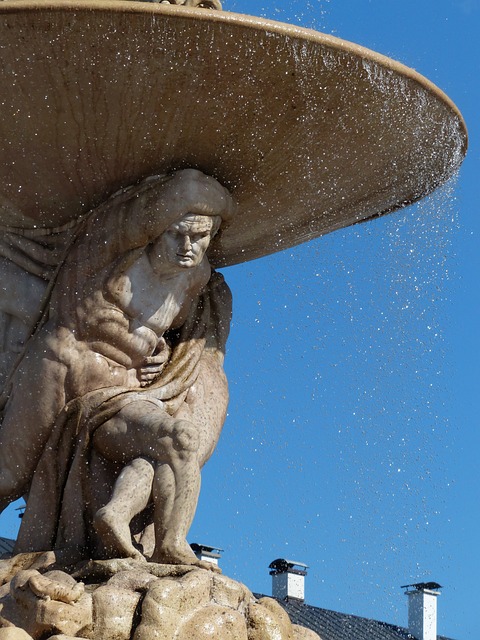
Residenzplatz is a grand square in Salzburg's Old Town, framed by historical buildings including the Salzburg Residenz , the former palace of the Prince-Archbishops. The Residenz, with its lavish state rooms, art gallery, and residence museum, reflects the opulence and power of Salzburg's ecclesiastical rulers. Visitors can explore the ornate halls, admire works by European masters, and learn about the history of the archbishopric. The square itself is dominated by the impressive Residenz Fountain , one of the largest baroque fountains outside Italy, featuring allegorical figures and horses. Residenzplatz hosts numerous events throughout the year, including the Salzburg Festival and Christmas markets, adding to its vibrant atmosphere. The surrounding buildings, such as the Cathedral and the Old Residence, further enhance its historical significance. Cafes and shops around the square provide a place to relax and enjoy the view. Guided tours of the Residenz offer deeper insights into its architectural and artistic heritage. Residenzplatz and the Salzburg Residenz are central to understanding the city's rich cultural and political history. The square's blend of history, art, and activity makes it a must-visit destination in Salzburg. During renovations, a golden chalice from Archbishop Colloredo 's coronation was found beneath the fountain. The Residenz's Hall of Mirrors uses 17th-century Venetian glass to create illusions of infinite space—a trick Mozart reportedly loved.
Salzburg Cathedral
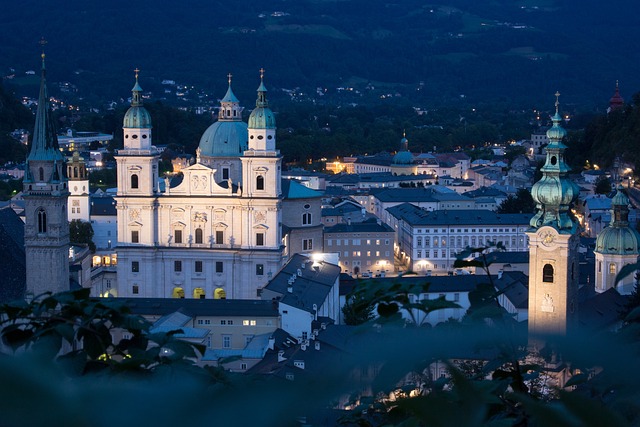
Salzburg Cathedral, dedicated to Saints Rupert and Vergilius , is an iconic baroque edifice in the heart of the city's Old Town. The cathedral, completed in 1628 , is known for its stunning façade, twin towers, and majestic dome. Inside, the cathedral boasts an elaborate interior with intricate stucco work, frescoes by Donato Mascagni , and an imposing organ played by Mozart during his tenure as court musician. The baptismal font , where Mozart and other notable figures were baptized, is a focal point of the cathedral. The crypt, containing the tombs of several archbishops, offers a somber contrast to the opulent main nave. The cathedral is not only a place of worship but also a venue for classical music concerts and festivals, particularly during the Salzburg Festival . Visitors can explore the cathedral museum, which displays religious artifacts, vestments, and historical documents. The cathedral's architectural beauty and historical significance make it a must-visit site in Salzburg. Its central location in Domplatz ensures it is part of any tour of the Old Town. Seasonal events, such as the annual Christmas market, add to its cultural importance. During renovations in 2021 , workers uncovered Romanesque foundations from the original 8th-century church beneath the nave. The cathedral's " Whispering Arch " allows voices to travel 30 meters across the dome—a secret used by priests to coordinate ceremonies.
Schloss Hellbrunn
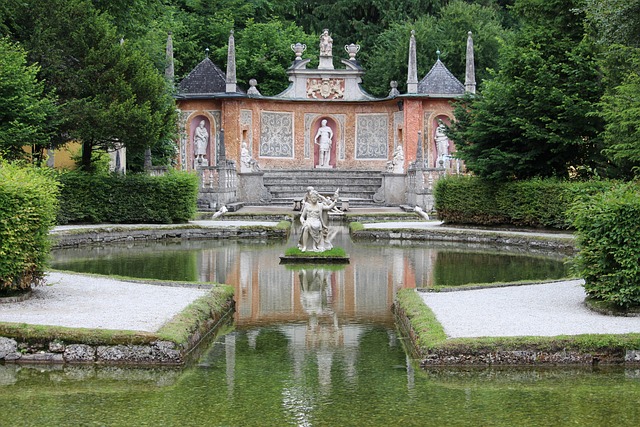
Hellbrunn Palace, built in the early 17th century by Prince-Archbishop Markus Sittikus , is renowned for its whimsical trick fountains and expansive gardens. The palace was designed as a summer residence and a venue for lavish entertainment, embodying Sittikus' playful spirit. The interior features beautifully decorated rooms, including the grand Festival Hall and the Music Room , adorned with baroque paintings and stucco. The real highlight, however, is the trick fountains, which surprise visitors with hidden water jets and mechanical figures. The guided tour through the gardens reveals a grotto, water-powered theater, and various other water-driven amusements. The grounds also house the Hellbrunn Mountain , offering scenic hiking trails and panoramic views of Salzburg. The palace's orangery and pavilions add to the charm, providing tranquil spots for relaxation. Hellbrunn's grounds are also home to the Salzburg Zoo, making it a family-friendly destination. Seasonal events, including Christmas markets and summer concerts, enhance the visitor experience. Hellbrunn Palace is a unique blend of history, art, and playful engineering. The " Crown Spray " fountain secretly drenches guests who sit on a stone throne—a prank Sittikus played on visiting nobles. The palace's Mechanical Theater , powered entirely by water, features 256 moving figures depicting 18th-century village life .
St. Peter's Abbey and Cemetery
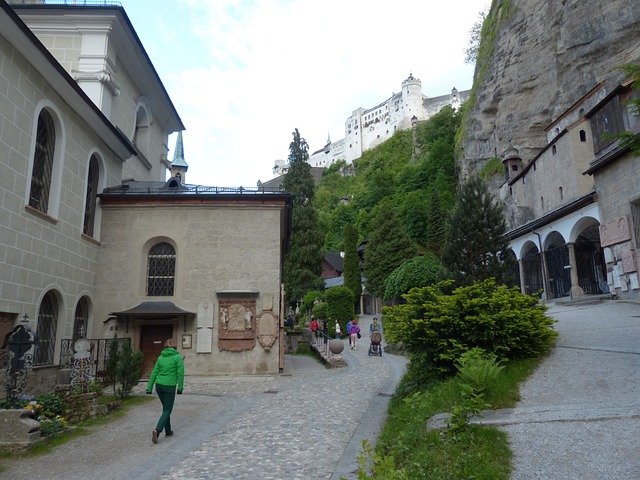
St. Peter's Abbey, founded in 696 , is one of Salzburg's oldest and most historically significant monastic institutions. The abbey complex includes the beautiful St. Peter's Church , a museum, and a historic cemetery set against the cliffs of the Mönchsberg . The church's interior is a masterpiece of baroque and rococo design, featuring intricate stucco work, frescoes, and a stunning high altar. The cemetery, known for its ornate tombstones and wrought-iron crosses, is the final resting place of notable figures such as composer Michael Haydn . The abbey also houses the famous St. Peter Stiftskeller , considered the oldest restaurant in Central Europe, offering a unique dining experience in a historic setting. The abbey museum showcases religious art and artifacts, providing insights into the monastic life and history of the Benedictine order . Regular concerts and events held at the abbey contribute to Salzburg's vibrant cultural scene. The abbey's tranquil atmosphere and rich history make it a serene retreat in the heart of the city. The catacombs, carved into the cliffs, add an element of mystery and intrigue to the site. In 2020 , restorers found 12th-century carvings of dragons in the catacombs, likely warnings against grave robbers. The abbey's medieval wine press still produces sacramental wine using grapes from its hidden vineyard.
Strolling Along the Salzach River
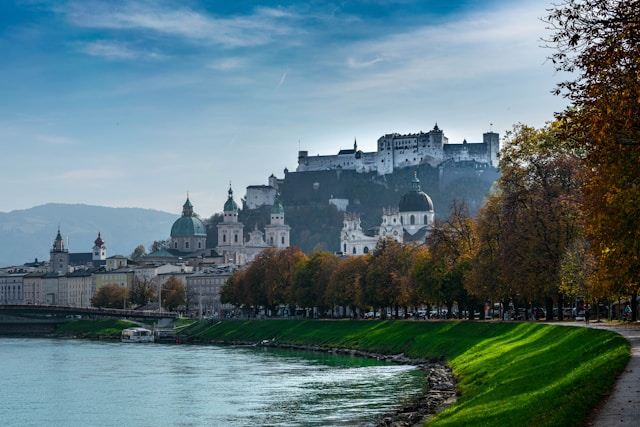
The Salzach River , Salzburg's historic and scenic lifeline, offers a captivating blend of natural beauty, culture, and centuries-old heritage. A stroll along its banks reveals breathtaking views of the Hohensalzburg Fortress , Europe's largest preserved medieval castle, and the UNESCO-listed Altstadt (Old Town), where Baroque architecture and Mozart's legacy come alive. The river's name reflects its past as a vital salt trade route , with merchant houses still lining its shores. Key landmarks like the love lock-covered Makartsteg and the elegant Mozartsteg bridge connect visitors to the city's musical history, while the Salzach Promenade invites leisurely walks, cycling, and riverside dining. Across the water, the Mönchsberg cliffs provide hiking trails with panoramic vistas, and nearby Kapitelplatz surprises with playful art installations. Whether admiring the golden glow of dusk over the water, exploring historic trade remnants, or enjoying a beer garden in summer, the Salzach River embodies Salzburg's charm—where Alpine nature, medieval grandeur, and artistic heritage flow together in perfect harmony. A walk here is not just a scenic experience but a journey through the soul of the city.