
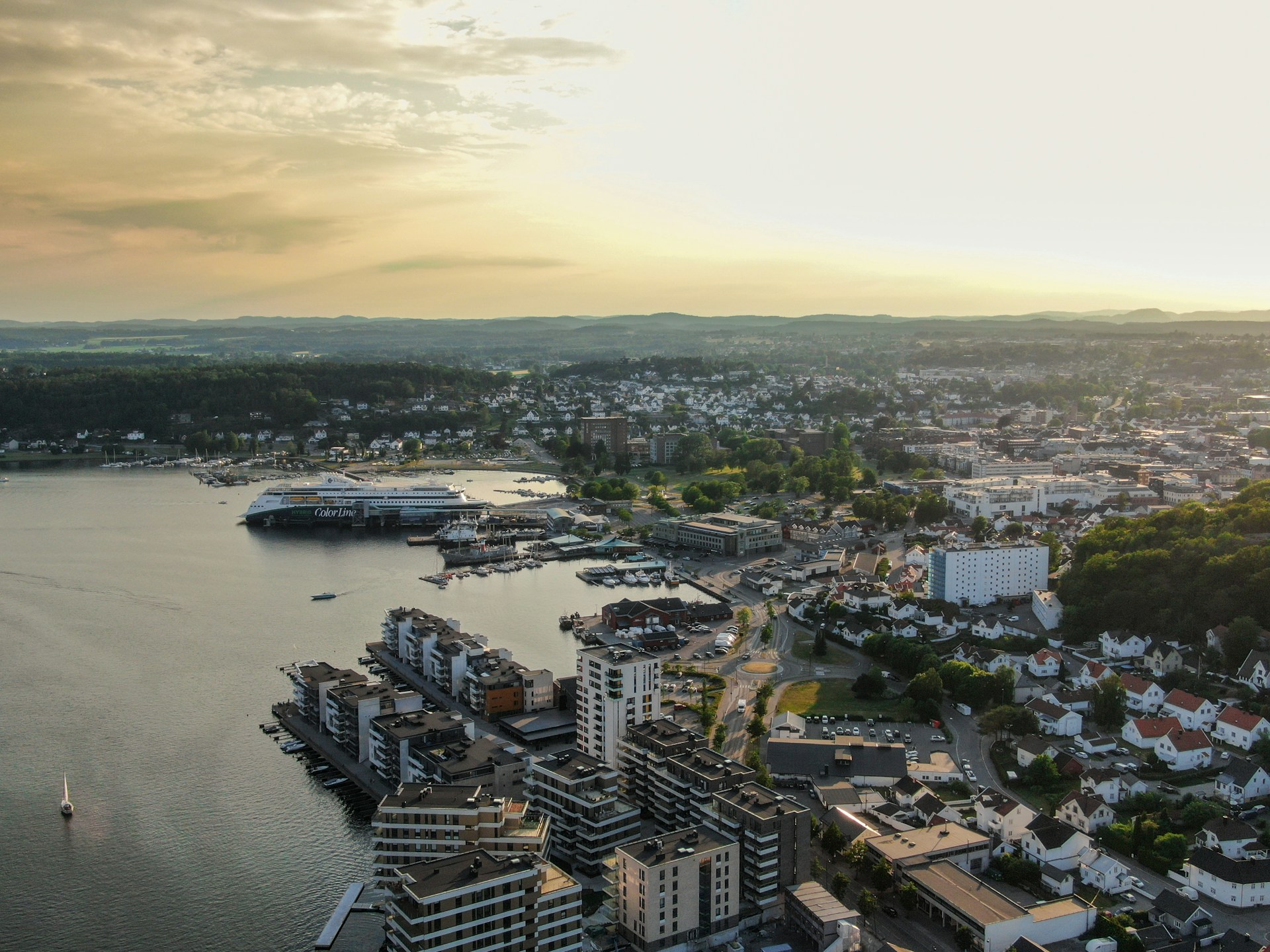
City view of Sandefjord, Norway

Sandefjord

Sandefjord’s history is deeply connected to whaling, and its Whaling Museum is among the most comprehensive in the world. Today, the city’s relationship with the sea leans more toward leisure, with marinas, beaches, and sailing events defining summer life. The harbor is lined with seafood restaurants where freshly caught shrimp are served straight from the boats. Green spaces and coastal trails invite long walks, while nearby islands make for easy day trips. One surprising detail: Sandefjord’s spa culture dates back to the 1800s, when mineral springs attracted visitors seeking health benefits. This combination of maritime heritage, outdoor recreation, and wellness traditions shapes a city that knows how to honor its past while enjoying the present.

Top attractions & things to do in Sandefjord

If you’re searching for the best things to do in Sandefjord, this guide brings together the top attractions and must-see places to visit in Sandefjord. The top picks below highlight the most visited sights for first-time visitors, plus a few local favorites worth adding.

Gokstad Viking Burial Mound in Sandefjord, Norway

Gokstad Viking Burial Mound

The grassy rise at Gokstadhaugen looks modest until you remember that a fully equipped longship once lay here, buried in the 9th century beside weapons, sledges, and finely worked textiles. The site tells a quieter story than the museum halls in Oslo, yet it retains the sense of ceremony that surrounded a chieftain's final voyage. Archaeologist Nicolay Nicolaysen led the 1880 excavation, lifting timbers that revealed the engineering genius of clinker-built hulls. Interpretive signs explain how dendrochronology and soil analysis rewrote dates and trade routes, linking Vestfold to markets far beyond the Skagerrak. Stand on the crest and imagine oars biting water while ravens marked the wind. Although the ship now resides elsewhere, the mound preserves context: a landscape chosen for visibility, authority, and the promise of return. Gokstad rewards patience, inviting visitors to weigh ritual, craft, and memory rather than spectacle. In that restraint lies the power of Norway's early kingship.
Ads place
Ads place
Ads place
Ads place
Ads place
Midtasen Sculpture Pavilion and Park in Sandefjord, Norway

Midtasen Sculpture Pavilion and Park

On a hill above Sandefjord, a modern pavilion of glass and pale stone frames a quiet dialogue between light and carved bodies. The surrounding estate was once the residence of shipping magnate Anders Jahre, whose 1930s villa still surveys the fjord through formal lawns and pines. Today the hillside hosts a serene display of works by Knut Steen, their marble surfaces catching sun and cloud like moving drapery. The pavilion itself opened in 2009, a carefully tempered climate for sculpture that feels neither museum nor garden but both. Paths loop toward viewpoints where the town appears and disappears between trunks, a reminder that art here is charged by weather. Interpretive notes address technique and controversy, placing patronage beside process so visitors can weigh intention against legacy. By evening the glass turns lantern-like, and the statues seem to breathe as shadows lengthen, an atmosphere that makes this ensemble a study in craft and cultural memory.
Ads place
Ads place
Ads place
Ads place
Ads place
Vesteroya Coastal Path (Folehavna Fort) in Sandefjord, Norway

Vesteroya Coastal Path (Folehavna Fort)

West of town, a ribbon of trail threads heather and polished rock toward small bays where the sea writes new margins every hour. At the tip stands Folehavna, a coastal battery built during World War II, its 1941-45 bunkers and tunnels now open to daylight and curious footsteps. Interpretive signs map gun emplacements and rangefinders, modest tools that once guarded the Skagerrak approaches with austere efficiency. Families spread blankets between glacial grooves while anglers cast for mackerel, sharing space with history that refuses drama. In a few minutes you can step from wind-scoured granite into the cool echo of reinforced concrete, then back out to views that reach the horizon. The path is part of a protected coastal heritage zone, reminding visitors that defense lines often become community parks once fear recedes. Come near sunset and the fort's silhouettes flatten into graphic shapes, a landscape-scale print where memory, geology, and salt air collaborate.
Ads place
Ads place
Ads place
Ads place
Ads place
Whalers Monument in Sandefjord, Norway

Whalers Monument

At the harbor a bronze crew battles spray frozen in metal, a choreography of ropes, oars, and a leaping whale that still startles passersby. The monument was created by sculptor Knut Steen and unveiled in 1960, the same decade when Norway began questioning the future of the hunt it portrays. Its arching composition was inspired by harpoon trajectories and the curve of hulls, turning engineering into gesture. Plaques nearby recount expeditions to the Southern Ocean and the fortunes that rebuilt Sandefjord after the lean years between the World Wars. Standing beneath the figures, you sense how technique—steam winches, factory processing, and hard-won seamanship—made the enterprise possible yet morally fraught. The piece now functions as both tribute and critique, a public artwork that invites reflection on conservation without erasing labor. At dusk the bronze darkens toward black, gulls thread the air, and the city's sea breeze becomes part of the sculpture's restless soundtrack.
Ads place
Ads place
Ads place
Ads place
Ads place
Whaling Museum in Sandefjord, Norway

Whaling Museum

Sandefjord's maritime story is told with unusual candor inside the Whaling Museum, where ships, harpoons, and logbooks trace an industry that powered local prosperity and global debate. Here you meet sailors who wintered in Antarctic ice after the breakthrough of steam-powered catchers and the invention of the grenade harpoon in the late 19th century. Exhibitions unpack the rise of factory ships after 1904, when onboard processing changed everything from crew routines to world markets. A full-scale blue whale jaw frames one gallery, reminding visitors of the sheer scale involved. The museum also presents scientific monitoring and the shift toward conservation, placing diaries beside modern data to show how values evolve. Crucially, it situates Sandefjord within Norway's ocean economy while acknowledging the voices that pressed for reform. Step outside to the harbor and you can map old quays to companies led by figures like Anders Jahre, whose fortunes, philanthropy, and controversies continue to animate local memory.
Ads place
Ads place
Ads place
Ads place
Ads place