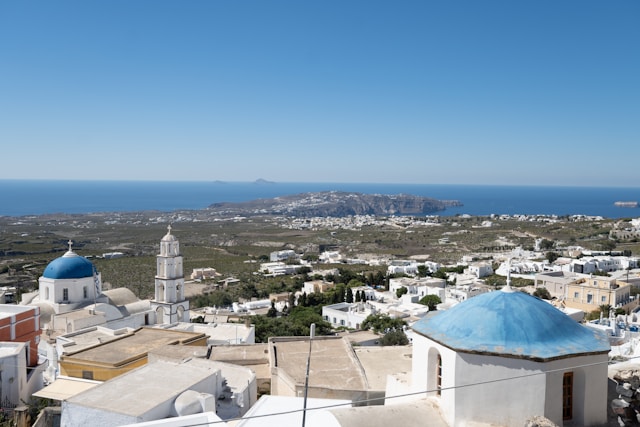
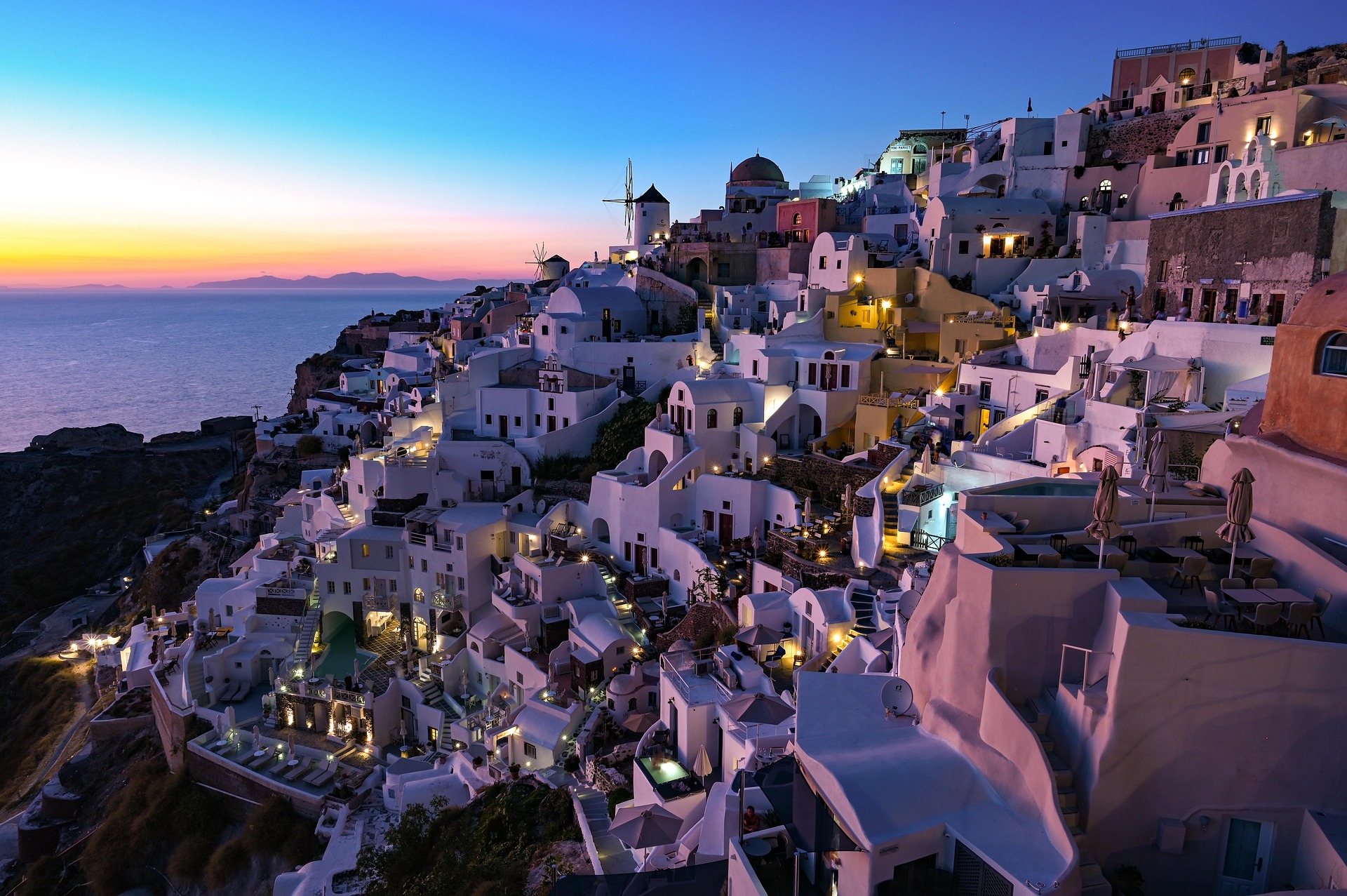
City view of Santorini, Greece

Santorini

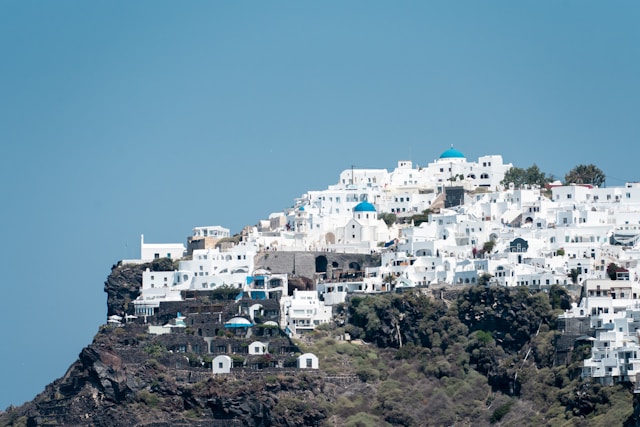
Santorini, the Cyclades’ volcanic masterpiece, crowns a submerged caldera sculpted by the Minoan eruption circa 1600 BC. Whitewashed villages—Fira, Oia and Imerovigli—cling to cliffs more than 300 m above indigo Aegean waters, winding past blue-domed churches, art galleries and terrace cafés. Akrotiri’s Bronze Age ruins, preserved under volcanic ash, reveal multi-story homes, dolphin frescoes and an advanced drainage system. Beneath the cliffs, black-sand beaches at Kamari and Perissa contrast with the famed Red Beach’s iron-rich shores. Local vineyards coax Assyrtiko grapes from mineral-rich soils to produce crisp, citrus-tinged wines savored in both ancient amphorae and modern cellars. Hikers traverse the volcanic rim from Fira to Nea Kameni, passing steaming fumaroles and panoramic sea vistas. At sunset, crowds gather at Oia’s castle ruins and the Lighthouse at Akrotiri to witness fire-orange skies. From cliffside mansions to hidden lava caves, Santorini blends archaeology, geology and cliffside romance in an unforgettable Aegean tapestry.

Top attractions & things to do in Santorini

If you’re searching for the best things to do in Santorini, this guide brings together the top attractions and must-see places to visit in Santorini. The top picks below highlight the most visited sights for first-time visitors, plus a few local favorites worth adding.

Akrotiri Archaeological Site in Santorini, Greece

Akrotiri Archaeological Site

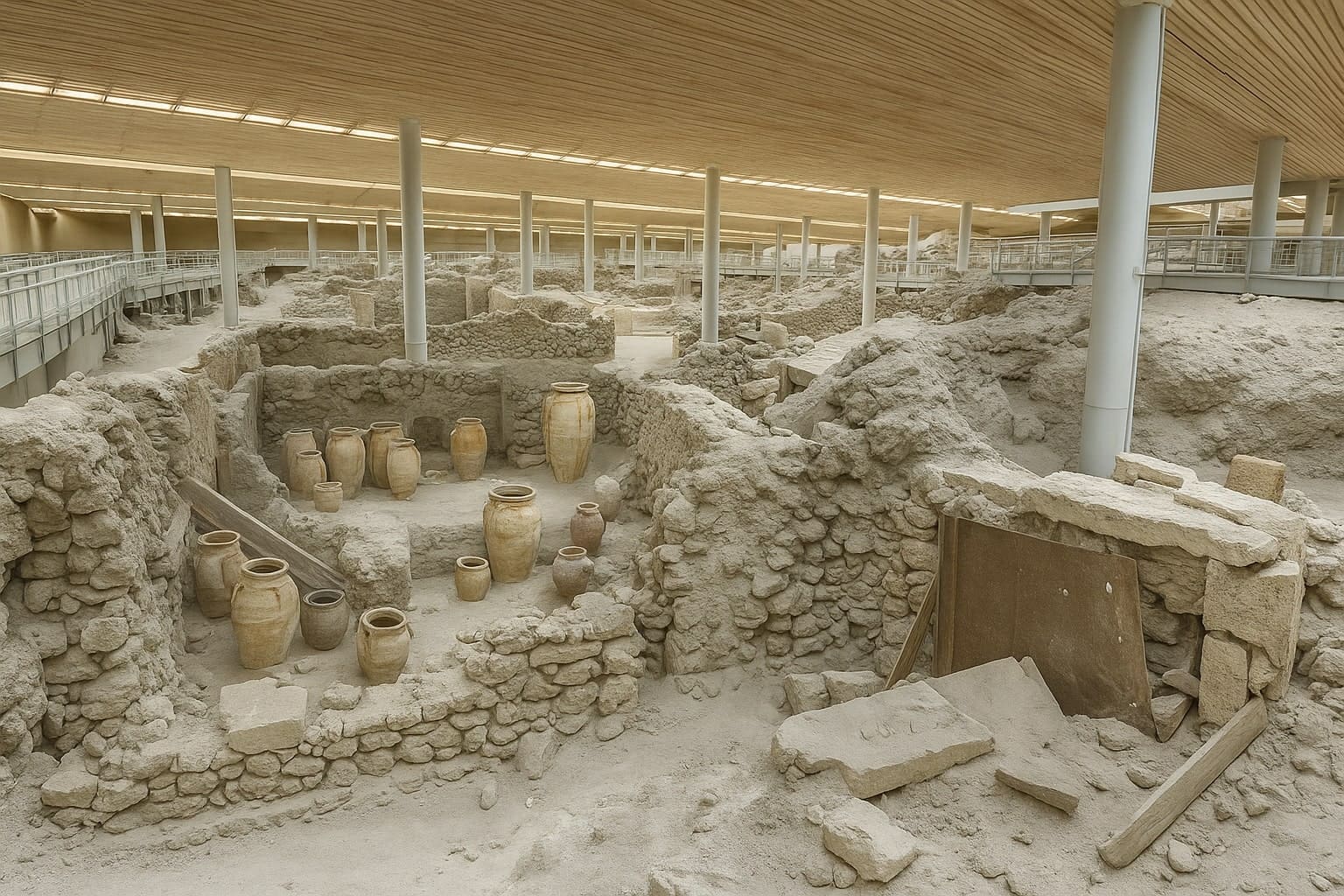
Akrotiri Archaeological Site, buried under volcanic ash during the 1627 BC Minoan eruption, is often called the “Pompeii of the Aegean.” First excavated in 1967 by archaeologist Spyridon Marinatos, it revealed multi-story buildings, paved streets and advanced drainage systems. Vivid frescoes—such as the Spring Fresco depicting lilies and swallows—offer a window into Bronze Age daily life. The Central Building’s triangular windows and storage magazines once held over 20,000 L of staples. In 2015, new excavations uncovered an industrial quarter with pottery kilns and loom rooms. The modern museum onsite displays pottery, tools and marble altars recovered from collapsed roofs. Covered walkways guide visitors through preserved streets while protective shelters prevent weathering. Akrotiri’s exceptional preservation and urban planning insights make it one of the Mediterranean’s most significant prehistoric sites.
Ads place
Ads place
Ads place
Ads place
Ads place
Ammoudi Bay in Santorini, Greece

Ammoudi Bay

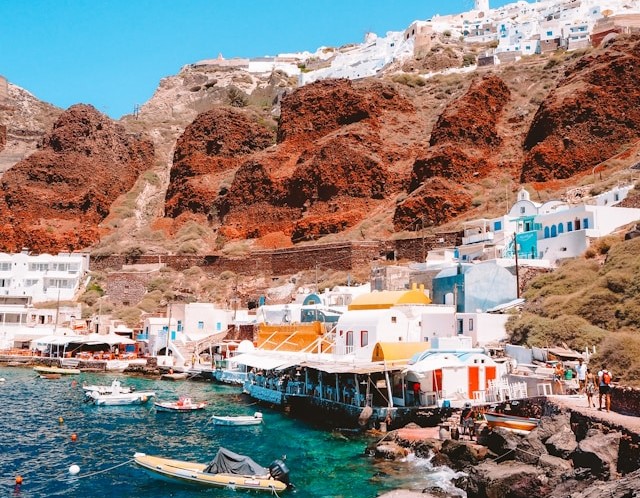
Ammoudi Bay, tucked beneath Oia’s clifftops, was once Santorini’s primary fishing port. Accessed by 200 steps carved into the rock, its waterfront is lined with seafood tavernas serving grilled octopus and lava-baked fish. The chapel of Panagia—dating to 1600—perches above the quay, where traditional caiques dock at dawn. In 2018, divers discovered submerged pumice quarries and Roman salting vats below crystal-clear waters. Each July, Ammoudi hosts a cliff-jumping festival celebrating courage and tradition. Sunset reflections on the bay mirror Oia’s whitewashed houses above, making Ammoudi Bay one of Santorini’s most atmospheric dining and exploration spots.
Ads place
Ads place
Ads place
Ads place
Ads place
Ancient Thera in Santorini, Greece

Ancient Thera

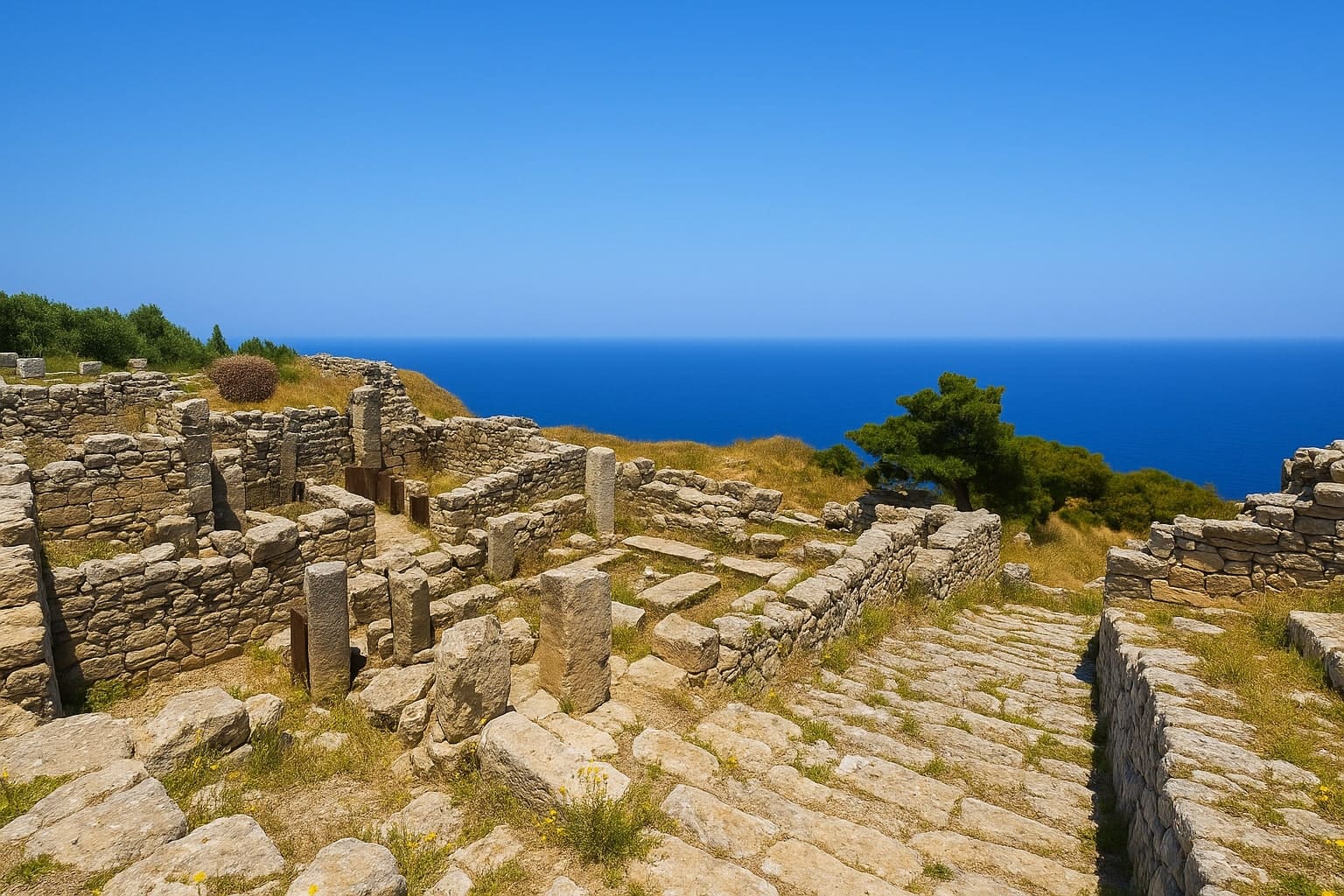
Ancient Thera, perched atop the Mesa Vouno ridge at 360 m, was founded by Dorian colonists in the 9th century BC. Accessible via a steep 1 km footpath or winding road, its ruins include Hellenistic houses, Roman baths and Byzantine basilicas. Excavations in 1895 by Friedrich Hiller von Gaertringen uncovered inscriptions dedicated to Demeter and Apollo. The town’s agora featured stoas and a bouleuterion, while the rock-cut theater hosted assemblies under panoramic Aegean vistas. In 2017, archaeologists discovered an early Christian martyrion. Seasonal wildflowers bloom among the ruins, and a small museum near Perissa displays coins, pottery and marble altars. Ancient Thera’s layered heritage—from Greek polis to Roman provincial center—offers an off-the-beaten-path glimpse into Santorini’s rich past.
Ads place
Ads place
Ads place
Ads place
Ads place
Fira Town in Santorini, Greece

Fira Town

Fira Town, perched on the caldera’s rim at 260 m above sea level, buzzes with Cycladic energy and panoramic vistas. Its labyrinth of narrow alleys—lined with 18th-century cave houses and neoclassical mansions—reveals boutiques, cafés, and the Museum of Prehistoric Thera, where 3,600-year-old Akrotiri frescoes are displayed. At its heart stands the Orthodox Metropolitan Cathedral, built in 1827, its blue dome visible from every corner. Nightly, cliff-edge tavernas serve fresh seafood and Santorini tomatoes, while cable cars whisk visitors down 587 steps to the Old Port. A 2020 restoration added painted mosaics to hidden courtyards, celebrating Fira’s artistic spirit. As the sun sets, the town’s whitewashed façades glow in amber light, framing endless sea views. Fira Town’s fusion of history, gastronomy and dramatic scenery makes it Santorini’s vibrant capital.
Ads place
Ads place
Ads place
Ads place
Ads place
Nea Kameni Volcano in Santorini, Greece

Nea Kameni Volcano

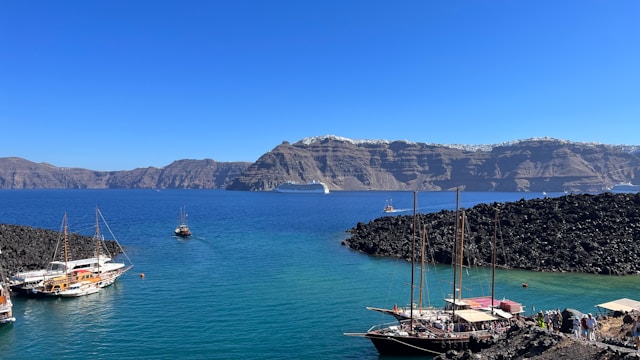
Nea Kameni Volcano, the active volcanic islet at the center of Santorini’s caldera, emerged above the Aegean in the 16th century following the great Minoan eruption. The first recorded lava flow in 1570 AD built its rugged black dome, which was later reshaped by powerful blasts in 1707 and 1925–1928. Today, daily boat tours ferry visitors to its steaming crater rim, where fumaroles vent sulfurous plumes and mineral-stained rocks glisten underfoot. Guided hikes along the summit trail reveal panoramic vistas of Thirasia and the submerged caldera cliffs. After exploring the crater, travelers often cool off in the hot springs of nearby Palia Kameni, whose warm, buoyant waters are said to ease muscle aches. Marine surveys in 2014 documented unique hydrothermal vents supporting rare extremophile bacteria. As one of the few accessible active volcanic sites in Europe, Nea Kameni Volcano offers a visceral encounter with geological forces still shaping Santorini’s dramatic landscape.
Ads place
Ads place
Ads place
Ads place
Ads place
Oia Sunset in Santorini, Greece

Oia Sunset

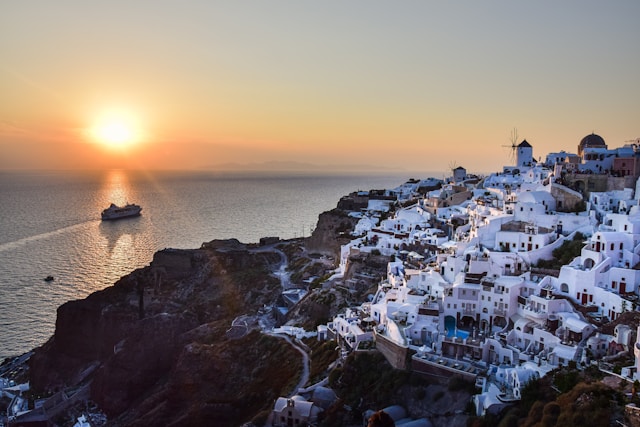
Oia Sunset, world-renowned for its ethereal beauty, unfolds over the caldera cliffs as the sun dips below the Aegean horizon. Each evening, visitors gather atop white-washed terraces—dating back to the 18th century—to witness rose-pink and burnished gold hues reflecting off the caldera’s sapphire waters. The famed Byzantine castle ruins of 1630 AD serve as the prime vantage point, while nearby windmills silhouette against the glowing sky. Local artists and musicians perform in the alleys of Oia village, adding to the magical ambiance. In 2019, UNESCO recognized Santorini’s sunset tradition as an intangible cultural heritage, inspiring nightly gatherings and lantern releases. As dusk deepens, lantern-lit paths guide couples to cliff-edge cafés serving crisp Assyrtiko wine. Oia Sunset’s blend of architectural charm, natural grandeur and living tradition secures its place as Santorini’s most iconic experience.
Ads place
Ads place
Ads place
Ads place
Ads place
Pyrgos Village in Santorini, Greece

Pyrgos Village

Pyrgos Village, once Santorini’s capital, crowns its highest hill with a Venetian castle—constructed in the 11th century AD—now in partial ruins. Radiating from the castle’s central square, labyrinthine alleys lead past cave houses carved into pumice rock, painted chapels and traditional wineries. The Panagia Episkopi church, built in 1030, houses frescoes by Byzantine masters. In 2019, restoration revealed Hellenistic foundations beneath medieval walls. Each September, the Ifestia Festival animates the fortress with performances and fireworks over the caldera. From Pyrgos’s summit, 360° panoramas encompass Oia’s white domes, the volcanic islets of Nea and Palaia Kameni, and the endless Aegean Sea. Pyrgos Village’s blend of medieval architecture, ecclesiastical art and panoramic views makes it Santorini’s most authentic settlement.
Ads place
Ads place
Ads place
Ads place
Ads place
Red Beach in Santorini, Greece

Red Beach

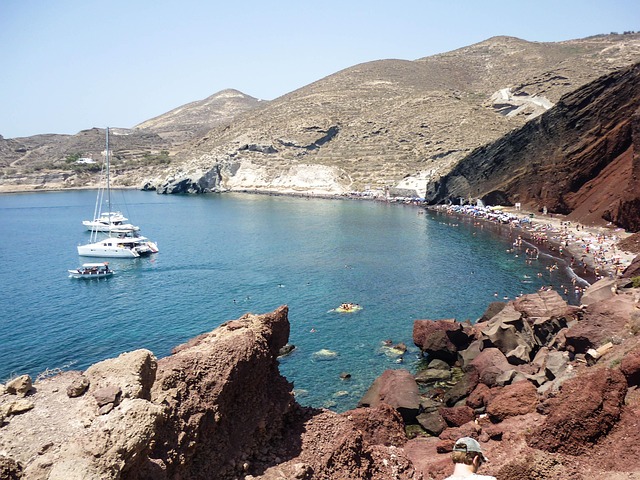
Red Beach, just south of Akrotiri, is famed for its iron-rich red and black volcanic cliffs that tower over crimson sands. Formed by collapsed magma chambers, the cliffs reach up to 70 m high, creating dramatic rock arches and sea caves. Beneath the rust-colored walls, the pebbled shoreline meets translucent emerald waters. Nearby, the chapel of St. Nikolaos—dating to 1800—perches atop the hill, offering panoramic photo opportunities. In 2018, marine surveys identified unique seagrass meadows just offshore, attracting snorkeling enthusiasts. Sunseekers access Red Beach via a rugged 400 m footpath through juniper and wild thyme. Summer temperatures can exceed 35 °C, so early arrival is recommended. Red Beach’s blend of geological spectacle, mineral waters and vivid hues makes it Santorini’s most photogenic shoreline.
Ads place
Ads place
Ads place
Ads place
Ads place
Skaros Rock & Imerovigli in Santorini, Greece

Skaros Rock & Imerovigli

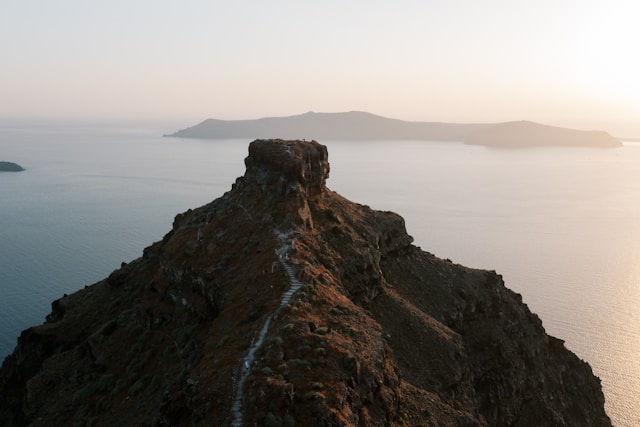
Skaros Rock, perched on the western caldera rim in Imerovigli, was the site of a fortified settlement established by the Venetians in 1207. Its crumbling walls and carved cisterns crown a rocky promontory—once Santorini’s medieval capital—offering uninterrupted caldera vistas. Hikers follow a 2 km coastal trail from Imerovigli village, passing Cave Suites and the blue-domed church of St. George before ascending stone steps to the summit plateau. Byzantine churches and an Ottoman chapel—built in 1650—dot the ascent. In 2020, surveys uncovered Hellenistic pottery shards and a hidden spring-fed well. As the sun sets, Skaros Rock’s silhouette cuts sharply against fading light, making it Imerovigli’s signature landmark and Santorini’s most dramatic viewpoint.
Ads place
Ads place
Ads place
Ads place
Ads place
White Beach in Santorini, Greece

White Beach

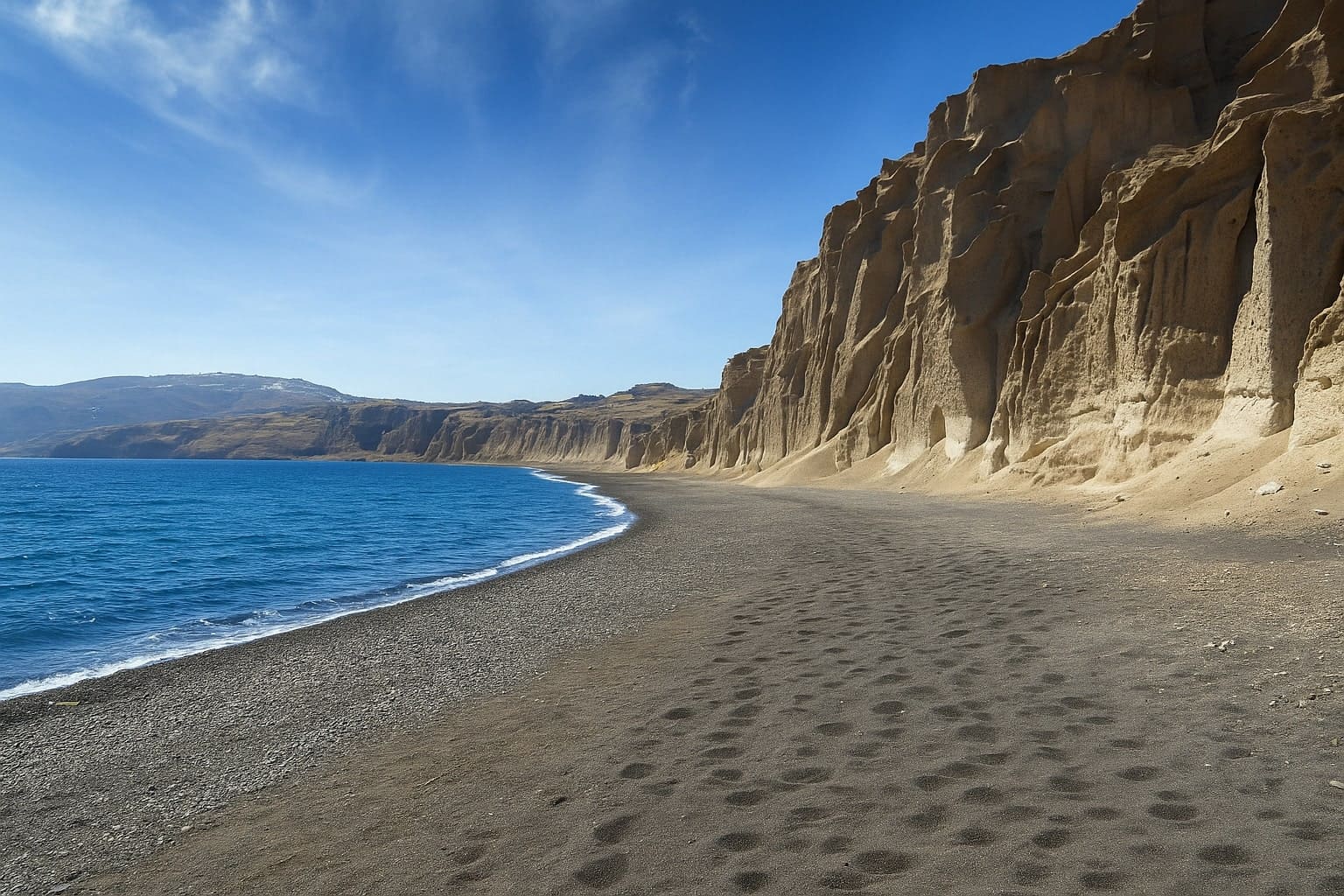
White Beach, nestled between Red Beach and Akrotiri, is defined by chalk-white pumice cliffs—eroded into arches and caves by centuries of wind and wave. The 10-minute boat ride from Akrotiri’s old port delivers visitors to its crescent of pale sand and deep-blue waters. Beneath cliffs streaked by mineral veins, the pebbles emit a soft squeak underfoot. In 2021, geological studies confirmed the cliffs’ volcanic origin from the 1610 BC eruption. A boat shack offers snorkel rentals, while shaded picnic areas beneath olive trees recall 19th-century salt-drying platforms. White Beach’s remote setting and lunar-like landscape provide a serene contrast to Santorini’s bustling caldera rim, making it a hidden gem for adventurous travelers.
Ads place
Ads place
Ads place
Ads place
Ads place