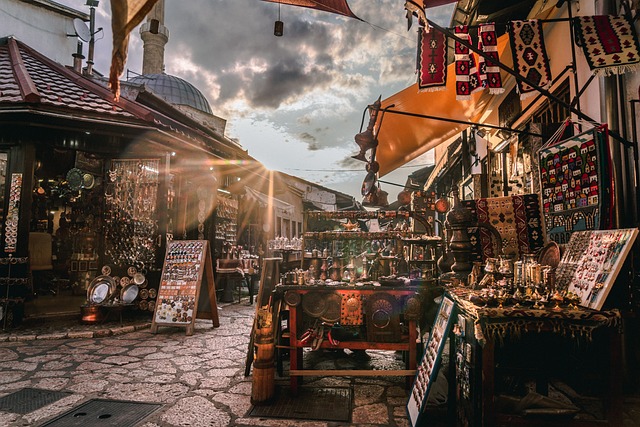
City view of Sarajevo, Bosnia and Herzegovina

Sarajevo

Sarajevo, the capital and largest city of Bosnia and Herzegovina, is renowned for its rich history and cultural diversity. Often called the "Jerusalem of Europe," Sarajevo is home to a blend of religious landmarks, including mosques, synagogues, and churches. The city's historical significance is highlighted by events like the assassination of Archduke Franz Ferdinand, which sparked World War I. Sarajevo endured a long siege during the 1990s Bosnian War, and reminders of the conflict still exist. Today, visitors are drawn to its Old Town, Bašcaršija, where they can explore Ottoman-era architecture, traditional bazaars, and sample Bosnian cuisine.

Top attractions & things to do in Sarajevo

If you’re searching for the best things to do in Sarajevo, this guide brings together the top attractions and must-see places to visit in Sarajevo. The top picks below highlight the most visited sights for first-time visitors, plus a few local favorites worth adding.

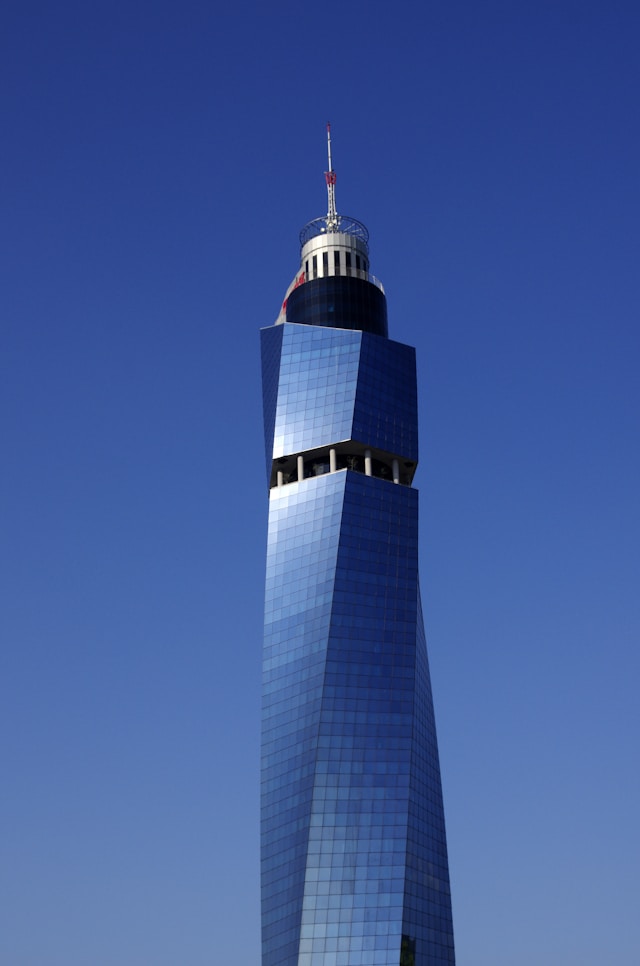
Avaz Twist Tower in Sarajevo, Bosnia and Herzegovina

Avaz Twist Tower

Avaz Twist Tower is the tallest building in Sarajevo and one of the most distinctive landmarks in the city. Standing 176 meters tall, the tower offers breathtaking panoramic views of Sarajevo and the surrounding mountains. Visitors can take an elevator to the 35th-floor observation deck, where they can enjoy a 360-degree view of the city. The tower's twisting design is an architectural marvel and a symbol of Sarajevo's modern development. Below the observation deck, the building houses cafés, restaurants, and offices, making it a multi-functional space. Its helical shape was inspired by the DNA double helix, symbolizing the city's rebirth post-war. The tower's glass facade uses solar-responsive panels that reduce energy consumption by 40%, a feat of sustainable design. On clear days, visitors can spot the Romanija Mountain range 60km away through high-powered telescopes on the observation deck.
Ads place
Ads place
Ads place
Ads place
Ads place
Bašcaršija in Sarajevo, Bosnia and Herzegovina

Bašcaršija

Bašcaršija is the heart and soul of Sarajevo, dating back to the 15th century when the Ottoman Empire established this iconic bazaar. Today, it remains a lively hub of activity filled with small shops, restaurants, and traditional craft stores. Visitors can explore the narrow, cobbled streets, stopping at copper shops, carpet dealers, and cafés offering traditional Bosnian coffee. At the center of Bašcaršija is the Sebilj Fountain, a popular meeting spot. The charm of this district is its mix of Ottoman architecture and the hustle of modern Sarajevo, making it an essential stop for anyone visiting the city. Beneath its streets lie remnants of Ottoman caravanserais, where merchants once rested their camels, now repurposed into artisan workshops. Every Friday, the bazaar hosts a Traditional Crafts Fair, featuring blacksmiths and weavers using techniques unchanged since the 1600s. Local artisans still craft hand-hammered copper coffee sets using methods passed down through 15 generations.
Ads place
Ads place
Ads place
Ads place
Ads place
Cable Car Sarajevo to Trebevic in Sarajevo, Bosnia and Herzegovina

Cable Car Sarajevo to Trebevic

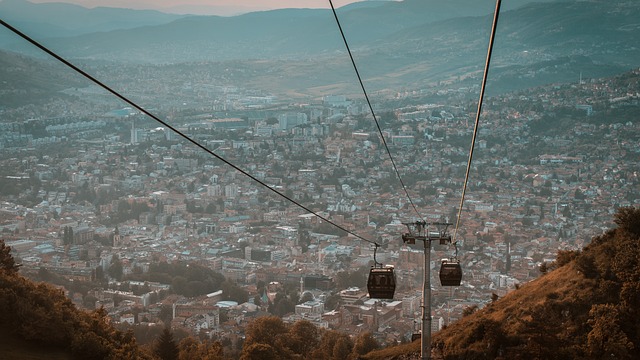
The Sarajevo Cable Car, also known as the Trebevic Cable Car, offers a stunning ride from the heart of Sarajevo to the summit of Trebevic Mountain. Originally opened in 1959, the cable car was heavily damaged during the Bosnian War but was fully restored and reopened in 2018. The ride offers breathtaking panoramic views of the city below and the surrounding mountains. Once at the top of Trebevic Mountain, visitors can explore hiking trails, enjoy a meal at one of the mountain restaurants, or visit the remains of the 1984 Winter Olympics bobsleigh and luge track. The mountain provides an escape from the city, with fresh air and spectacular views that make it a favorite destination for locals and tourists alike. The cable car's 33 cabins are painted in Olympic colors, honoring Sarajevo's 1984 Winter Games legacy. Rare Balkan lynx have been spotted in Trebevic's forests, now protected as part of a rewilding initiative. The cable car's night rides during winter offer views of Sarajevo illuminated like a 'star map,' a local favorite tradition.
Ads place
Ads place
Ads place
Ads place
Ads place
Gazi Husrev-beg Mosque in Sarajevo, Bosnia and Herzegovina

Gazi Husrev-beg Mosque

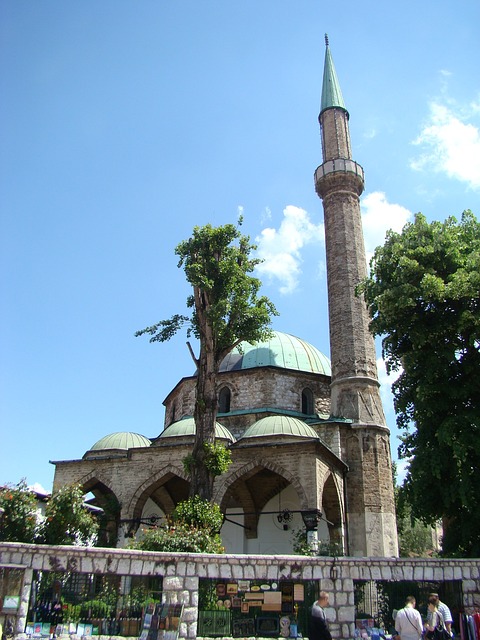
Gazi Husrev-beg Mosque, built in 1530, stands as one of the finest examples of Ottoman architecture in the Balkans. This magnificent mosque, located in Bašcaršija, was commissioned by the city's governor, Gazi Husrev-beg, and remains an active place of worship today. The mosque's design is notable for its grand dome and beautifully crafted interior with Islamic calligraphy and intricate designs. Visitors can explore the mosque's courtyard, where they will find a historic fountain and a serene atmosphere perfect for reflection. The mosque serves as a central piece of Sarajevo's rich Islamic cultural heritage. Its 17th-century library houses one of Europe's oldest Qurans, handwritten on gazelle parchment. During Ramadan, the mosque's courtyard transforms into a communal iftar space, serving bosanski lonac stew to over 1,000 worshippers nightly. The mosque's acoustics amplify whispers at the mihrab to be heard across the prayer hall, a marvel of Ottoman engineering.
Ads place
Ads place
Ads place
Ads place
Ads place
Latin Bridge in Sarajevo, Bosnia and Herzegovina

Latin Bridge

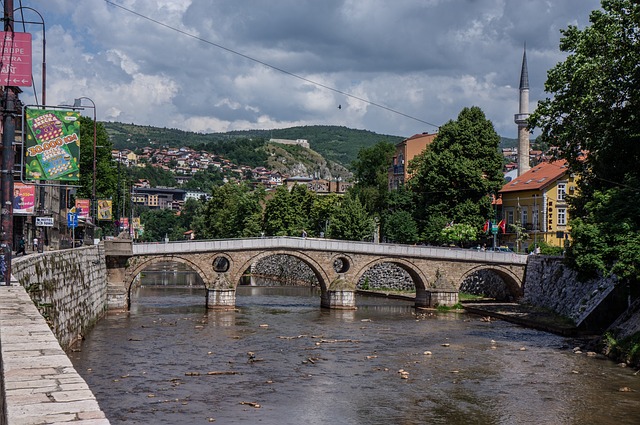
The Latin Bridge is one of Sarajevo's most famous landmarks due to its role in world history. It was on this bridge that Archduke Franz Ferdinand of Austria was assassinated in 1914, an event that triggered the outbreak of World War I. The bridge itself dates back to the Ottoman period and crosses the Miljacka River in the heart of Sarajevo. Today, visitors can walk along the historic bridge and visit a small museum nearby that details the events surrounding the assassination. The Latin Bridge is not just a structure but a symbol of Sarajevo's pivotal role in shaping modern history. A bronze plaque marks the exact spot where Gavrilo Princip stood during the assassination, embedded with bullet casings from the fatal shots. The museum displays Princip's original pistol, a Browning FN Model 1910, alongside police reports from 1914. The bridge was originally named 'Principov Most' after the assassination but renamed post-WWII to avoid glorification.
Ads place
Ads place
Ads place
Ads place
Ads place
Sacred Heart Cathedral in Sarajevo, Bosnia and Herzegovina

Sacred Heart Cathedral

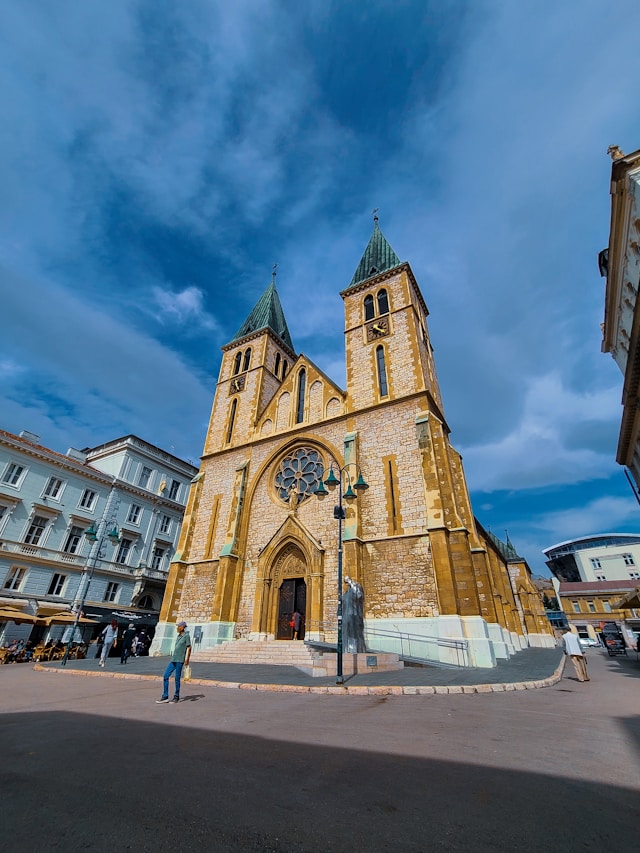
The Sacred Heart Cathedral is Sarajevo's largest Catholic church and a stunning example of neo-Gothic architecture. Built in 1889, the cathedral's twin spires rise high above the city center. Inside, visitors can admire its beautiful stained glass windows, high ceilings, and intricate carvings. The cathedral has survived wars and bombings and remains a symbol of Sarajevo's resilience and multicultural history. Today, it is still an active place of worship and a key religious and cultural landmark in the city. Its 1941 pipe organ, damaged during WWII, was restored using original blueprints from Vienna in 2019. The cathedral's crypt holds the remains of Cardinal Puljic, a key figure in Bosnia's post-war reconciliation efforts. The largest stained glass window depicts St. Joseph, patron saint of workers, crafted by Hungarian artisans in 1901.
Ads place
Ads place
Ads place
Ads place
Ads place
Sarajevo City Hall in Sarajevo, Bosnia and Herzegovina

Sarajevo City Hall

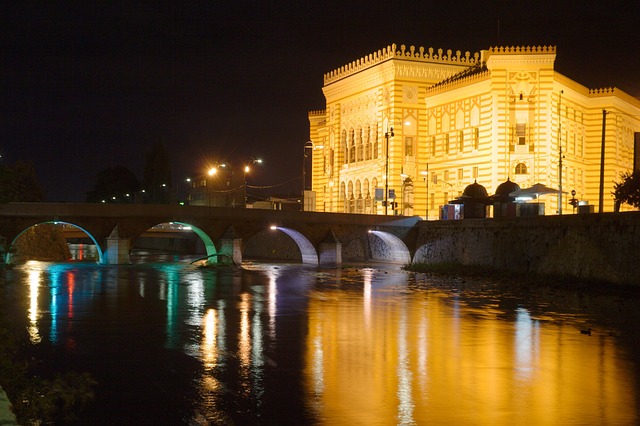
Sarajevo City Hall, known as Vijecnica, is one of the city's most beautiful buildings. Originally built in 1896 during the Austro-Hungarian period, the building is a stunning example of pseudo-Moorish architecture, with its vibrant colors and intricate details. It was destroyed during the Bosnian War but was painstakingly rebuilt and reopened in 2014. Inside, visitors can admire the grand central hall and various exhibits showcasing Sarajevo's history. The City Hall stands proudly near the Miljacka River and is a testament to Sarajevo's resilience and commitment to preserving its cultural heritage. Its reconstruction used 30,000 original tiles salvaged from rubble, each hand-cleaned by artisans. The building's gold-leaf ceiling in the main hall contains 24-karat gold imported from Turkey, matching the 1896 design. The City Hall's basement houses a time capsule from 2014, filled with letters from Sarajevans to future generations.
Ads place
Ads place
Ads place
Ads place
Ads place
Sarajevo Tunnel in Sarajevo, Bosnia and Herzegovina

Sarajevo Tunnel

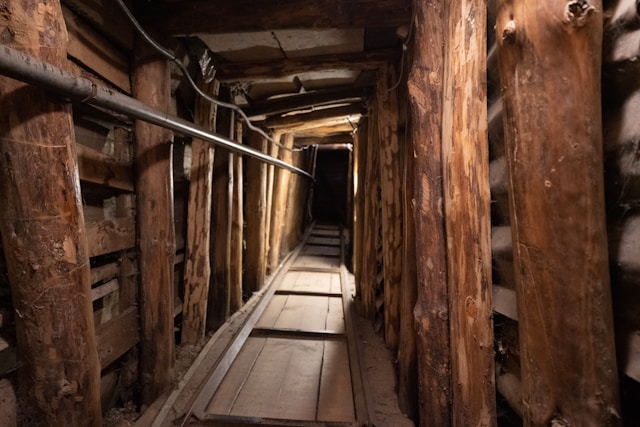
The Sarajevo Tunnel, also known as the Tunnel of Hope, played a critical role during the Siege of Sarajevo from 1992 to 1996. This 800-meter tunnel provided a vital link between the besieged city and the outside world, allowing food, medicine, and weapons to enter the city. Today, a portion of the tunnel has been preserved as a museum, where visitors can walk through a section of the tunnel and learn about the city's resilience during the Bosnian War. Exhibits include wartime artifacts, photos, and personal accounts that bring to life the hardships faced by the people of Sarajevo during the siege. The tunnel's wooden tracks, used to transport supplies on makeshift carts, remain preserved under glass flooring. Survivors' testimonies reveal that 20,000 people crawled through the tunnel monthly, often in complete darkness to avoid sniper fire. A preserved section of the tunnel's original clay walls still bears fingerprints of those who dug it with shovels and bare hands.
Ads place
Ads place
Ads place
Ads place
Ads place
Sebilj Fountain in Sarajevo, Bosnia and Herzegovina

Sebilj Fountain

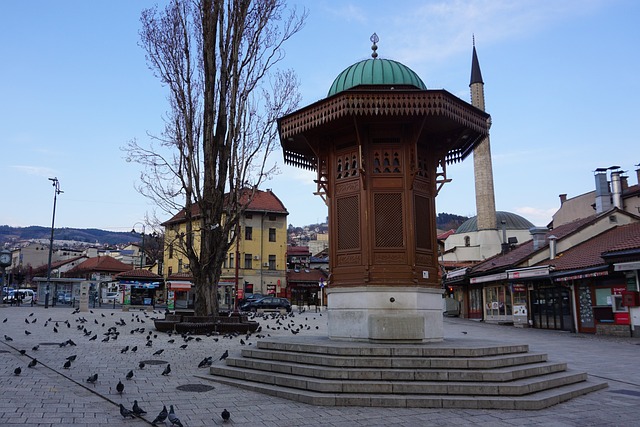
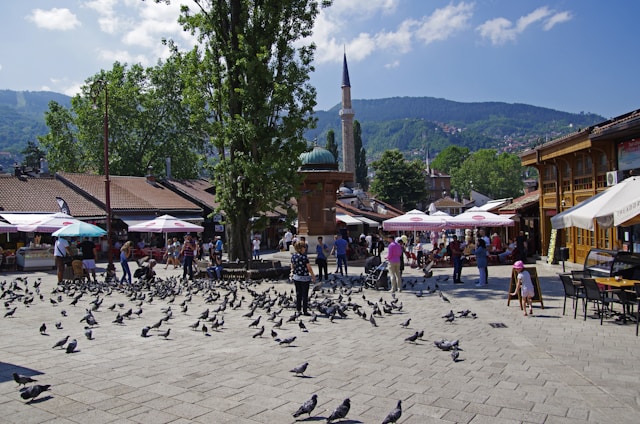
The Sebilj Fountain is one of Sarajevo's most recognizable landmarks. Located in the heart of Bašcaršija, this wooden fountain dates back to 1753 and is a symbol of the old town. The fountain's design reflects Ottoman influence, and its octagonal shape and intricate woodwork make it a popular photo spot. Visitors often gather around the fountain to rest and people-watch, as it is a central meeting point in the city. Legend has it that anyone who drinks from the Sebilj Fountain will one day return to Sarajevo, adding a mystical allure to this already beloved attraction. The fountain's water flows from Mount Trebevic springs, channeled through a 16th-century underground aqueduct system. During Ottoman times, it served as a charity station, providing free water to travelers and the poor. Modern couples often toss coins into the fountain's basin, believing it ensures eternal love.
Ads place
Ads place
Ads place
Ads place
Ads place
Yellow Fortress in Sarajevo, Bosnia and Herzegovina

Yellow Fortress

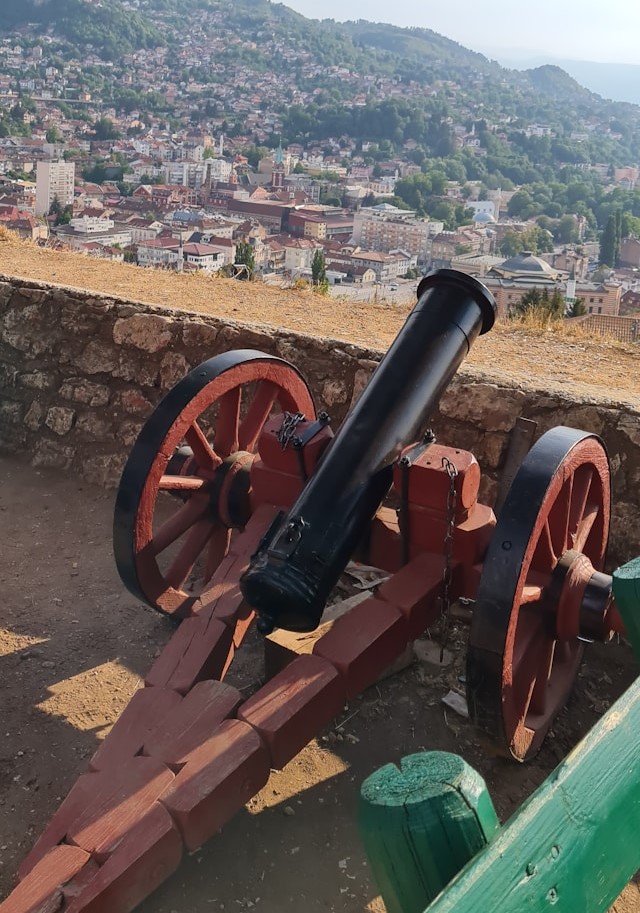
The Yellow Fortress is a historic fortification located on the hills above Sarajevo. Built in the 18th century, it was once part of the city's defense system. Today, it is one of the best spots to enjoy panoramic views of Sarajevo, particularly at sunset. From the fortress, visitors can see the old town, the Miljacka River, and the surrounding mountains. The Yellow Fortress is a popular place for locals and tourists to gather, especially during Ramadan, when people come to watch the sunset and break their fast. Archaeologists recently uncovered Ottoman-era cannonballs beneath its walls, displayed in Sarajevo's Military Museum. Each summer, the fortress hosts open-air cinema nights, screening classic Balkan films against the city's twinkling skyline. The fortress's name comes from the yellowish limestone quarried from Mount Trebevic, which glows golden at dawn.
Ads place
Ads place
Ads place
Ads place
Ads place