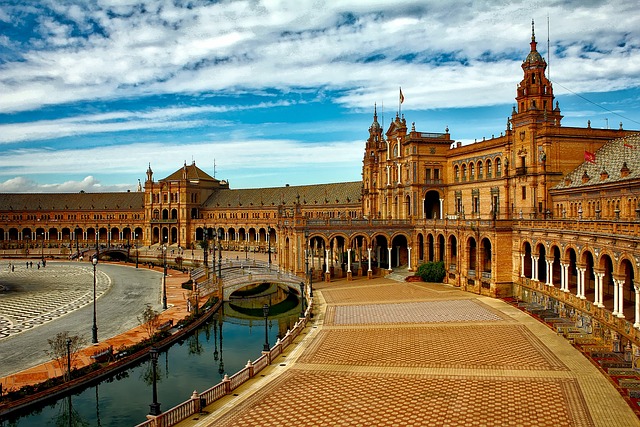
City view of Seville, Spain

Seville

Seville is a city steeped in history and charm, located in the heart of Andalusia. Known for its flamenco dancing, Gothic architecture, and sunny weather, Seville offers an authentic Spanish experience. The city's most iconic landmark, the Seville Cathedral, is the largest Gothic cathedral in the world and houses the tomb of Christopher Columbus. Nearby, the Giralda tower provides panoramic views of the city. The Real Alcázar, a stunning palace with Moorish influences, is another must-see attraction. Visitors can enjoy leisurely strolls through the picturesque Barrio Santa Cruz, filled with narrow streets, flower-filled balconies, and quaint plazas. The Plaza de España, with its grand architecture and beautiful canal, is a favorite spot for both locals and tourists. Seville's vibrant festivals, including Semana Santa and Feria de Abril, showcase its rich cultural heritage. With its delicious cuisine, historic sites, and lively atmosphere, Seville is a must-visit destination in Spain.

Top attractions & things to do in Seville

If you’re searching for the best things to do in Seville, this guide brings together the top attractions and must-see places to visit in Seville. The top picks below highlight the most visited sights for first-time visitors, plus a few local favorites worth adding.

Alcazar of Seville in Seville, Spain

Alcazar of Seville

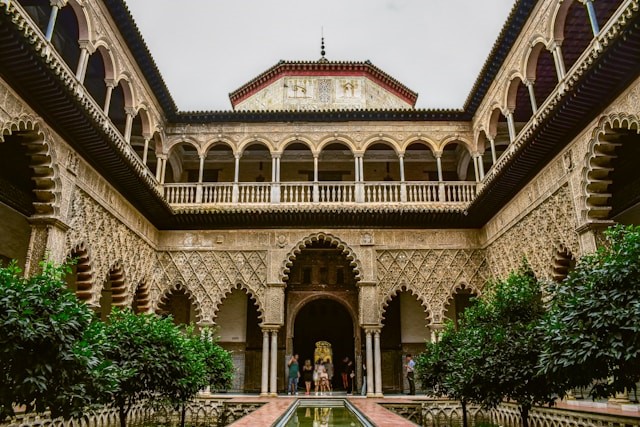
The Alcazar of Seville is one of Spain's most breathtaking palaces, known for its stunning Moorish architecture and lush gardens. Originally built as a fort in the 10th century, it was later transformed into a royal palace by the Christian kings. Walking through its intricate archways, visitors are transported back to the days of the Nasrid dynasty, where every tile and carving tells a story. The palace has been used as a filming location for popular shows like Game of Thrones. Don't miss the Hall of Ambassadors, an exquisite room with a magnificent wooden dome, and the beautiful Patio de las Doncellas, with its reflective pools and delicate stucco work. Whether you're a history buff or a photography enthusiast, this UNESCO World Heritage site is a must-visit. The gardens surrounding the Alcazar are a blend of different cultures, featuring fountains, orange trees, and shaded pathways that make it an oasis in the heart of Seville. The combination of architecture and history makes it one of the city's top attractions, drawing thousands of visitors each year. As you explore, be sure to admire the intricate carvings, colorful tiles, and breathtaking archways that showcase the evolution of Seville's artistic and cultural influences. Whether visiting in summer or winter, the Alcazar remains a magical place, embodying the soul of Andalusia.
Ads place
Ads place
Ads place
Ads place
Ads place
Casa de Pilatos in Seville, Spain

Casa de Pilatos

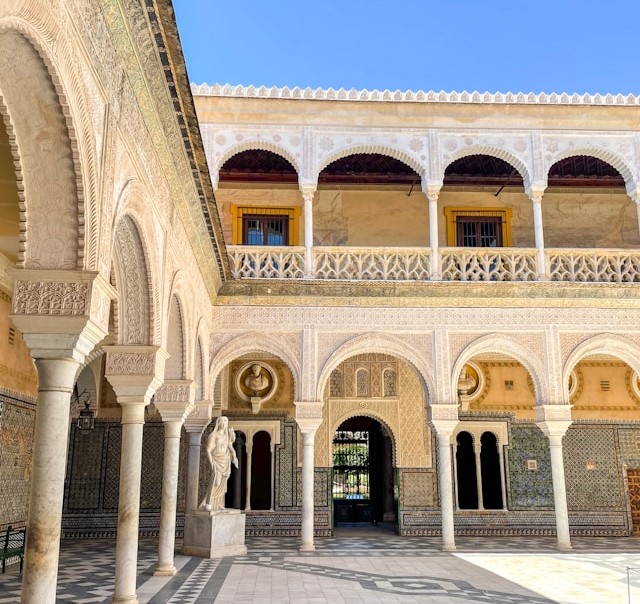
The Casa de Pilatos is one of the most stunning palatial homes in Seville, a hidden gem that beautifully combines Moorish, Gothic, and Renaissance architectural styles. Built in the late 15th century, this grand residence is a masterpiece of intricate tilework, marble columns, and lush gardens. Visitors can explore its central courtyard, which is lined with colorful azulejo tiles, considered some of the best-preserved in Spain. The upper floor, accessible via a grand staircase adorned with striking paintings, showcases antique furniture and historic artwork. One of the most fascinating aspects of the house is the fusion of different cultural influences, making it a reflection of Seville's rich past. The elegant gardens, filled with fountains and fragrant flowers, offer a peaceful escape from the bustling city streets. This site is often compared to the famous Alcazar, yet its more intimate setting allows visitors to fully appreciate the details of its craftsmanship. If you're looking for a quieter but equally stunning alternative to the city's major palaces, Casa de Pilatos is a must-visit.
Ads place
Ads place
Ads place
Ads place
Ads place
Maria Luisa Park in Seville, Spain

Maria Luisa Park

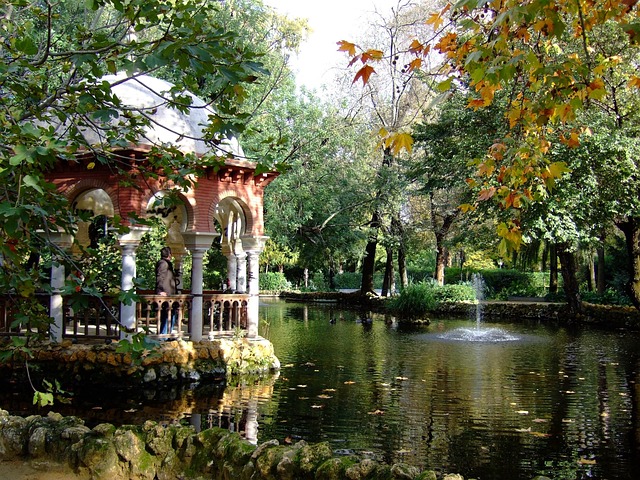
Maria Luisa Park is Seville's most beautiful green space, offering a refreshing break from the city's bustling streets. Originally part of the San Telmo Palace gardens, it was transformed into a public park in the early 20th century. The park is filled with exotic plants, shaded walkways, and stunning fountains, making it the perfect place for a relaxing stroll. At the heart of the park, you'll find the Plaza de América, home to the Museum of Popular Arts and the Archaeological Museum. Its picturesque bridges, ponds filled with swans, and hidden corners make it a favorite spot for both tourists and locals. The design of the park was heavily influenced by Arabic and Renaissance styles, creating a romantic atmosphere that is hard to resist. Horse-drawn carriages often pass through its pathways, adding to its fairytale-like charm. Whether you're looking for a quiet place to read, a scenic jogging route, or a picturesque setting for photos, Maria Luisa Park is a must-visit. The park's proximity to the famous Plaza de España makes it an easy addition to any Seville itinerary.
Ads place
Ads place
Ads place
Ads place
Ads place
Metropol Parasol in Seville, Spain

Metropol Parasol

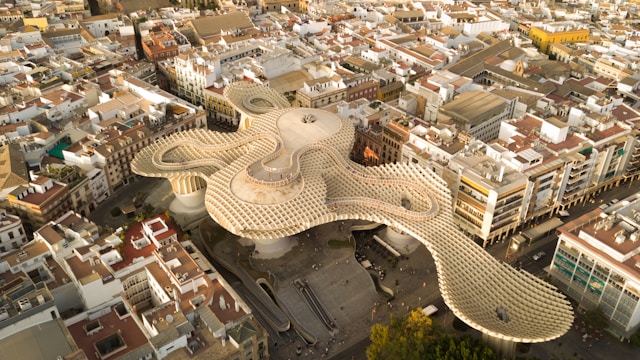
The Metropol Parasol, also known as 'Las Setas' (The Mushrooms), is one of Seville's most innovative structures. Located in Plaza de la Encarnación, this wooden architectural wonder offers an amazing contrast to the city's historic buildings. Designed by German architect Jürgen Mayer, it provides a panoramic rooftop walkway with breathtaking views of Seville's skyline. Beneath the structure, you'll find a local market, an archaeological museum, and plenty of spots to enjoy tapas. Whether visiting during the day or at night when it's beautifully illuminated, Metropol Parasol is a must-see. The structure itself is made of interwoven wooden panels that form a giant, wave-like canopy. While modern in design, it blends into Seville's historic atmosphere, offering a fresh perspective on the city's evolving architectural identity. Visitors can take an elevator up to the top, where they can walk along the curved paths while enjoying a unique bird's-eye view of the city. The lower levels feature an archaeological site displaying Roman and Moorish ruins, making this location a fascinating blend of Seville's past and future. It is a perfect example of how Seville continues to embrace innovation while respecting its historical roots.
Ads place
Ads place
Ads place
Ads place
Ads place
Plaza de España in Seville, Spain

Plaza de España

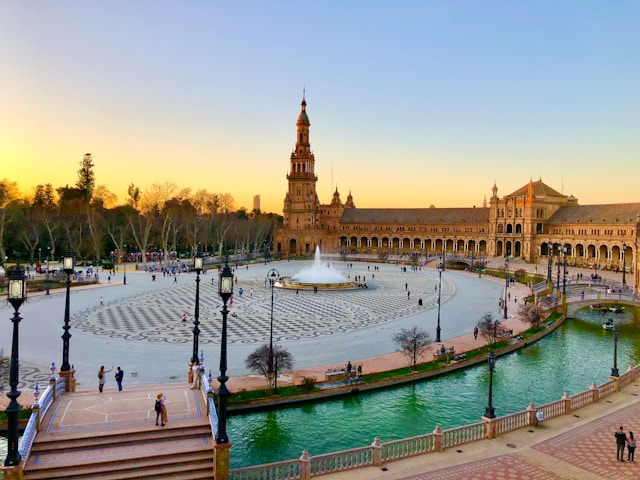
No trip to Seville is complete without a visit to Plaza de España, a spectacular semi-circular plaza built for the 1929 Ibero-American Exposition. This iconic landmark features a stunning mix of Renaissance and Moorish Revival architecture, beautifully decorated bridges, and a serene canal where visitors can rent rowboats. The tiled alcoves represent Spain's different provinces, each telling its own historical story. Whether you're admiring the grand fountain, taking a scenic boat ride, or simply strolling under the colonnades, Plaza de España is a true highlight of the city. The plaza's design is meant to symbolize Spain embracing its former American colonies, and its vast scale makes it one of the most impressive public spaces in Europe. The combination of tiled benches, decorated archways, and grand towers makes this one of the most photogenic spots in the city. If you visit in the late afternoon, the golden light enhances the already breathtaking views, making it a perfect time for a leisurely walk. The plaza also features several government buildings, making it not just a tourist attraction but a functioning part of Seville's modern infrastructure. This is a place where history, architecture, and everyday life merge in a spectacular fashion.
Ads place
Ads place
Ads place
Ads place
Ads place
Plaza de Toros de la Maestranza in Seville, Spain

Plaza de Toros de la Maestranza

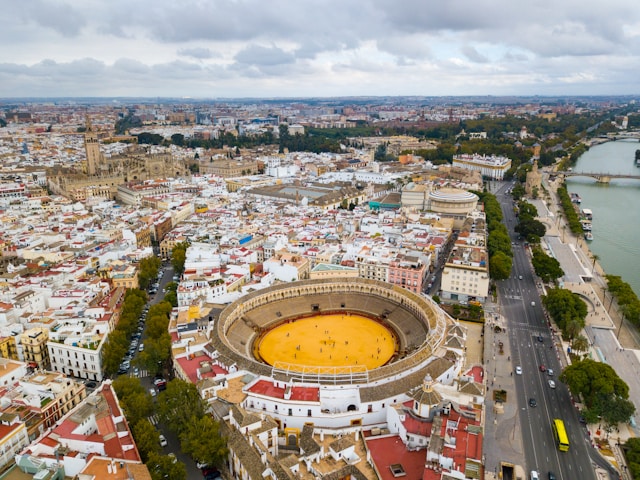
The Plaza de Toros de la Maestranza is one of the most famous and historic bullrings in Spain, located in the heart of Seville. Built in the 18th century, this stunning baroque-style arena is considered the oldest bullring in Spain and remains an essential part of the country's bullfighting heritage. With its circular design, striking white and yellow façade, and impressive seating area, it is a remarkable architectural masterpiece. The bullring can accommodate over 12,000 spectators, who come to witness the intense and traditional Spanish spectacle of corrida. Even for those who do not follow bullfighting, a visit to this legendary arena is a journey into Spain's cultural and historical identity. Inside, visitors can explore the Bullfighting Museum, which houses costumes, artwork, and memorabilia related to the sport. The guided tours offer fascinating insights into the history of bullfighting, the role of the toreros (bullfighters), and the evolution of this controversial yet deeply rooted tradition. Beyond the bullring itself, the location provides an excellent view of the Guadalquivir River and is within walking distance of other key attractions, such as the Torre del Oro and Seville Cathedral.
Ads place
Ads place
Ads place
Ads place
Ads place
Puente de Isabel II in Seville, Spain

Puente de Isabel II

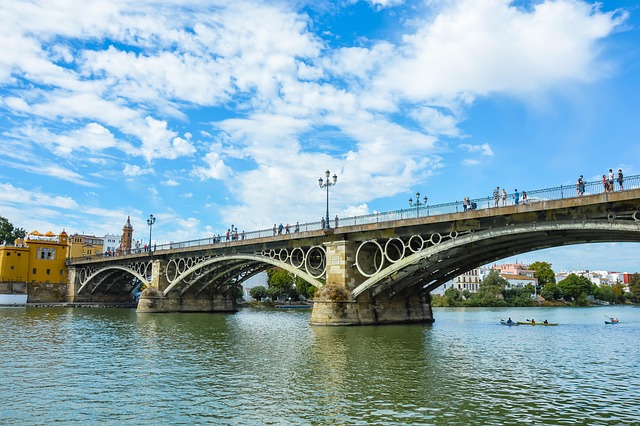
The Puente de Isabel II, also known as the Triana Bridge, is one of the most iconic landmarks in Seville, Spain. This historic bridge, which connects the city center to the vibrant neighborhood of Triana, is a must-visit for both history lovers and those looking to soak in the authentic charm of the city. Completed in 1852, it is considered the oldest iron bridge in Spain and a masterpiece of 19th-century engineering. The bridge was built to replace a floating wooden bridge that had served the city for centuries. Its elegant arches and intricate design were inspired by the architecture of Parisian bridges, giving it a distinctly European aesthetic. Walking across the Puente de Isabel II, visitors are treated to spectacular views of the Guadalquivir River, the Torre del Oro, and the stunning skyline of Seville. It is especially beautiful at sunset when the city lights reflect on the water, creating a truly magical atmosphere. Beyond its architectural beauty, the bridge serves as the gateway to the Triana district, an area famous for its flamenco culture, ceramic workshops, and lively tapas bars. Strolling through Triana, visitors can experience a more authentic side of Seville, away from the usual tourist spots.
Ads place
Ads place
Ads place
Ads place
Ads place
Seville Cathedral in Seville, Spain

Seville Cathedral

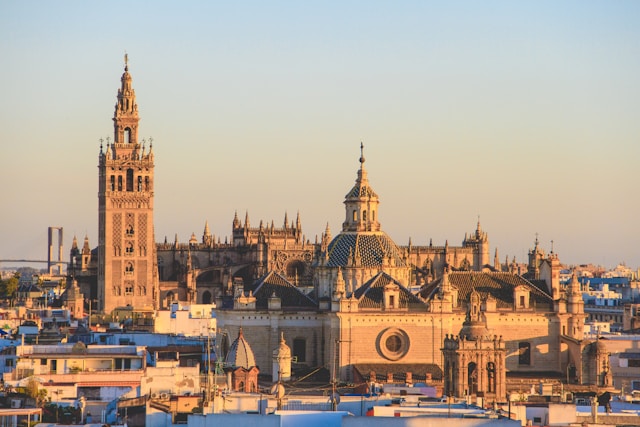
The Seville Cathedral is the largest Gothic cathedral in the world and an awe-inspiring masterpiece of architecture. Built on the site of a former mosque, this enormous structure is home to the tomb of Christopher Columbus and the iconic Giralda Tower. As you step inside, you'll be amazed by its soaring ceilings, golden altarpiece, and breathtaking stained-glass windows. Climbing to the top of the Giralda rewards you with stunning panoramic views of Seville. The cathedral's massive organ and intricate chapels make it a must-see for history lovers and culture enthusiasts alike. The main altar, known as the Retablo Mayor, is one of the most spectacular in the world, covered in gold and featuring detailed religious carvings. Walking through the cathedral, you will feel the weight of history as you stand before the massive stone columns and elaborate chapels. One of the most fascinating aspects of this cathedral is its ability to merge different architectural styles, from the remnants of its Islamic past to its grand Gothic and Renaissance elements. Whether you're visiting for spiritual reasons or to admire the art and craftsmanship, the Seville Cathedral is a place that leaves a lasting impression.
Ads place
Ads place
Ads place
Ads place
Ads place
Torre del Oro in Seville, Spain

Torre del Oro

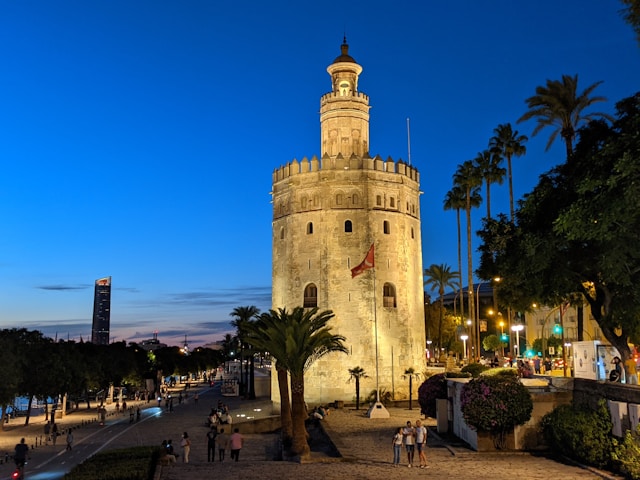
The Torre del Oro, or 'Tower of Gold', is one of Seville's most iconic landmarks, standing proudly along the banks of the Guadalquivir River. This 13th-century military watchtower was originally constructed by the Almohad rulers to defend the city from naval attacks and to control access to the river. Its name, 'Golden Tower,' is believed to come from the golden reflection it casts on the water at sunset. Over the centuries, the tower has served various purposes, including as a prison, chapel, and later a naval museum. Today, visitors can explore the Museo Naval inside, which showcases Seville's rich maritime history, including ancient maps, models of historic ships, and navigational instruments. Climbing to the top of the tower offers a stunning panoramic view of the river and Seville's skyline, including sights like the Triana Bridge and the Cathedral. The Torre del Oro is a perfect stop for history lovers and photographers looking to capture one of Seville's most picturesque spots. Whether by day or night, this historic tower remains a symbol of Seville's golden past and a must-visit attraction in the city.
Ads place
Ads place
Ads place
Ads place
Ads place
Triana in Seville, Spain

Triana

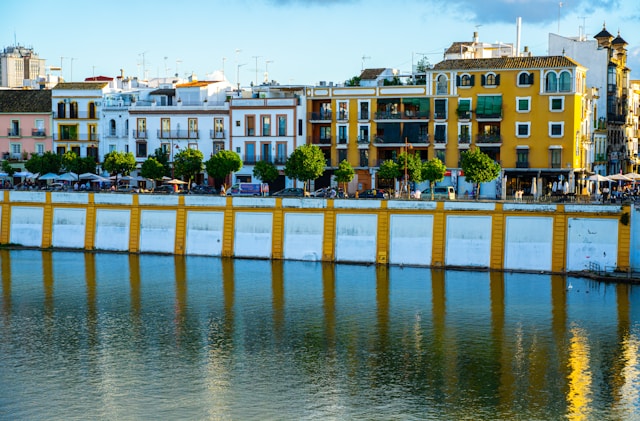
The lively neighborhood of Triana, located on the west bank of the Guadalquivir River, is known for its deep-rooted flamenco tradition, colorful ceramic workshops, and authentic Andalusian charm. Often considered the birthplace of flamenco, Triana has a unique energy that makes it stand apart from the rest of Seville. Walking along Calle Betis, you'll find a lively mix of bars and restaurants with stunning views of the city skyline. The Triana Market, built over the ruins of San Jorge Castle, is a fantastic place to experience local flavors, from fresh seafood to Iberian ham. The neighborhood's history is also deeply tied to Seville's ceramic industry, with workshops still producing the intricate azulejos (tiles) that decorate buildings across Spain. One of the most scenic spots in Triana is the Puente de Triana, the bridge connecting the neighborhood to the city center, offering breathtaking views, especially at sunset. If you want to experience authentic flamenco, this is the place to be—some of Seville's most famous flamenco bars and tablaos are hidden in Triana's streets. Visiting this neighborhood provides a glimpse into a different, more traditional side of Seville, where history, culture, and nightlife blend effortlessly.
Ads place
Ads place
Ads place
Ads place
Ads place