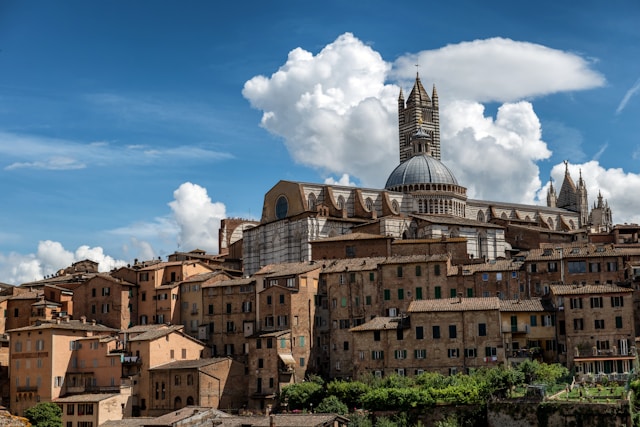
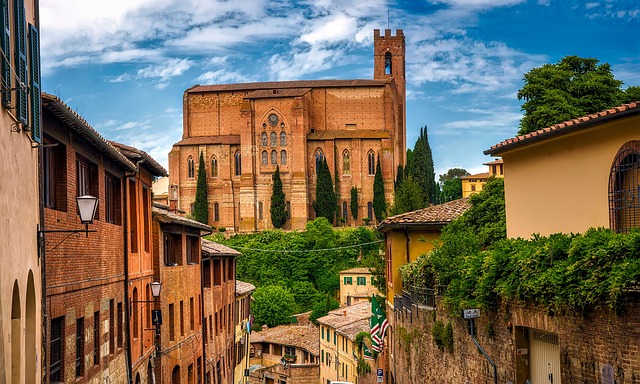
City view of Siena, Italy

Siena

Siena, a gem of Tuscany, is celebrated for its medieval charm and artistic legacy. The city's centerpiece is the Piazza del Campo, a fan-shaped square known for hosting the Palio di Siena, a historic horse race that takes place twice a year. Siena Cathedral, or Duomo di Siena, is a masterpiece of Gothic architecture adorned with intricate marble facades and stunning frescoes by renowned artists. Wandering through Siena's narrow, cobblestone streets reveals hidden courtyards, artisan workshops, and delightful trattorias serving traditional Tuscan dishes like pici pasta and ribollita. The city's rich history is preserved in its well-maintained medieval buildings and its vibrant cultural traditions. Siena's captivating blend of history, art, and gastronomy ensures an unforgettable visit.

Top attractions & things to do in Siena

If you’re searching for the best things to do in Siena, this guide brings together the top attractions and must-see places to visit in Siena. The top picks below highlight the most visited sights for first-time visitors, plus a few local favorites worth adding.

Basilica di San Domenico in Siena, Italy

Basilica di San Domenico

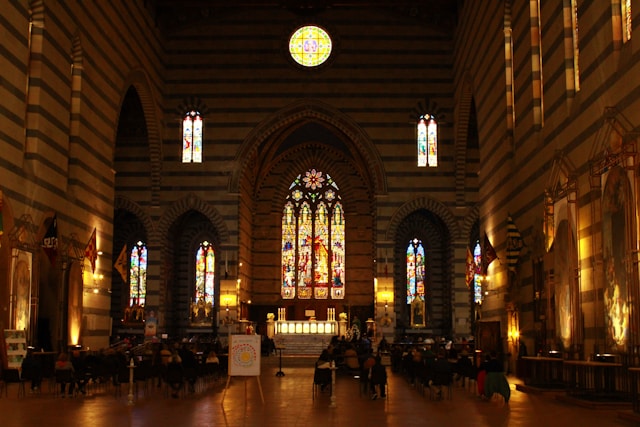
The Basilica di San Domenico is a monumental church in Siena, renowned for its historical and religious significance. Built in the Gothic style, the basilica features a stark yet imposing exterior and a richly decorated interior. It is home to relics of Saint Catherine of Siena, one of Italy's patron saints, making it a place of pilgrimage for devotees. Visitors can admire the exquisite frescoes that depict scenes from Saint Catherine's life, as well as the serene atmosphere of the church's chapels and altars. Overlooking the city, the basilica offers panoramic views of Siena's skyline. A hidden gem: the chapel housing Saint Catherine's relics survived a devastating 1798 earthquake unscathed, which locals attribute to divine intervention. The basilica also has a secret underground tunnel connecting it to nearby monasteries. It is an essential stop for those exploring the city's spiritual heritage.
Ads place
Ads place
Ads place
Ads place
Ads place
Fonte Gaia in Siena, Italy

Fonte Gaia

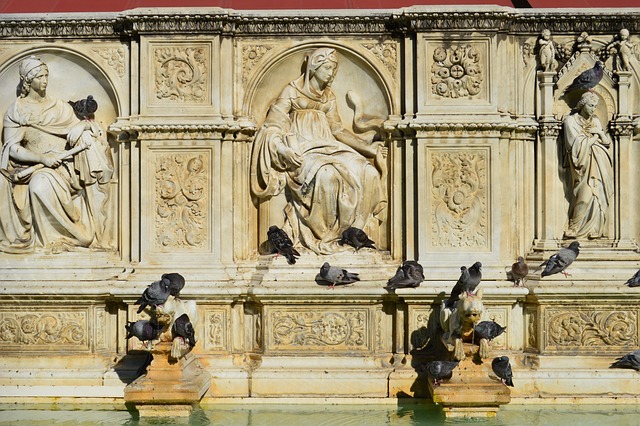
Fonte Gaia, located in the heart of Siena's Piazza del Campo, is a magnificent fountain celebrated for its historical significance and intricate design. Originally constructed in 1419 by Jacopo della Quercia, the fountain is a testament to Siena's artistic and engineering prowess during the Renaissance. Its decorative panels, featuring mythological and biblical figures, are exquisite examples of Quercia's craftsmanship. The fountain provided much-needed water to the city, and its name, "Gaia", meaning "joyous" reflects the city's elation at its completion. Though the originals are preserved in the Museo dell'Opera del Duomo, the replica in the square continues to enchant visitors with its timeless beauty. Few know the original panels were replaced in the 19th century after centuries of erosion—some still bear faint traces of medieval graffiti. The aqueduct system beneath the fountain, built in the 1300s, still supplies water to nearby fountains today.
Ads place
Ads place
Ads place
Ads place
Ads place
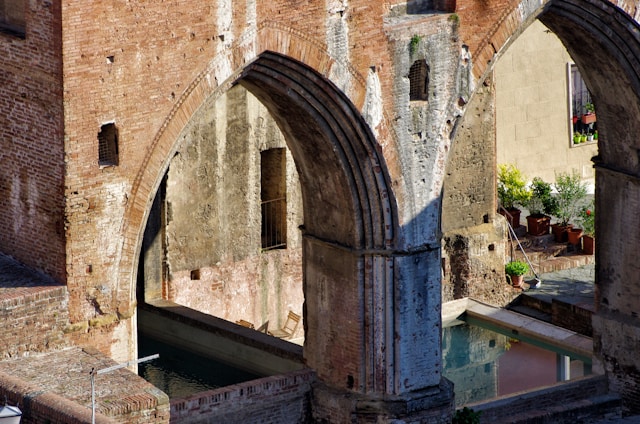
Fontebranda in Siena, Italy

Fontebranda

Fontebranda is one of Siena's oldest and most famous fountains, dating back to the 13th century. This historic landmark, built in Gothic style, is nestled in a charming corner of the city and offers a tranquil escape from the bustling streets. Fontebranda played a vital role in Siena's medieval water supply and is closely associated with Saint Catherine, who was born nearby. Visitors can explore the fountain's history, enjoy the serene atmosphere, and marvel at the intricate stonework. Few realize the fountain once had three basins: one for drinking, one for animals, and one for washing clothes. Its underground tunnels, part of Siena's ancient "Bottini" aqueduct system, stretch for miles beneath the city. The fountain's water was so pure that medieval brewers used it to make Siena's famed ale, a precursor to modern beer. Local legend claims the ghost of a 14th-century washerwoman still haunts the site at dusk. Fontebranda is a hidden gem that offers a unique glimpse into Siena's past.
Ads place
Ads place
Ads place
Ads place
Ads place
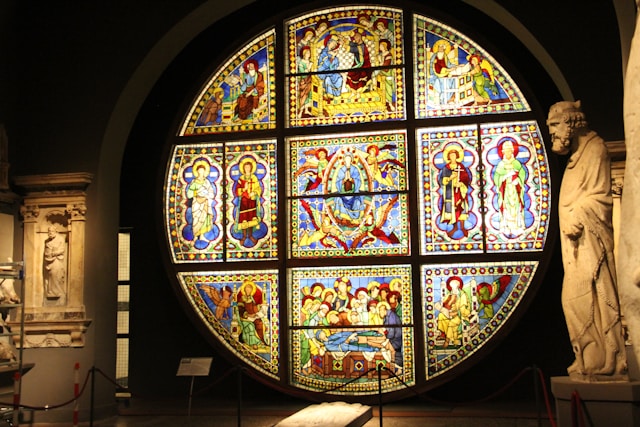
Museo dell'Opera del Duomo in Siena, Italy

Museo dell'Opera del Duomo

The Museo dell'Opera del Duomo is a museum located in the Piazza dei Miracoli, dedicated to preserving the artistic and cultural heritage of the Pisa Cathedral and its surrounding structures. The museum houses a vast collection of sculptures, paintings, and religious artifacts that have been collected from the cathedral and the other buildings in the square. One of the most notable pieces is the marble sculpture of St. John the Baptist by Donatello, a masterpiece of Renaissance art. The museum also features a collection of medieval and Renaissance art, as well as important archaeological finds from the region. A little-known treasure: the museum holds the original 14th-century blueprints for the Leaning Tower's construction. It also displays a rare wooden model of Galileo's pendulum experiment, conducted in the cathedral. Few realize the museum's vaults store fragments of the cathedral's original bronze doors, damaged in a 1595 fire. Additionally, it houses a Byzantine-era ivory crucifix smuggled out of Constantinople during the Fourth Crusade. The Museo dell'Opera del Duomo provides visitors with an opportunity to delve deeper into the history and art of Pisa, offering a comprehensive look at the city's religious and artistic traditions.
Ads place
Ads place
Ads place
Ads place
Ads place
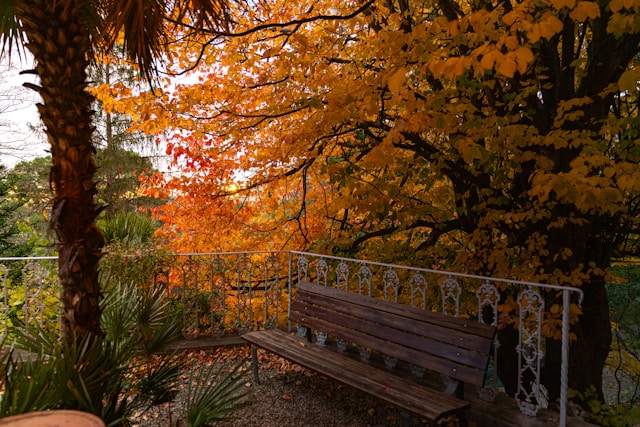
Orto Botanico in Siena, Italy

Orto Botanico

The Orto Botanico is a serene botanical garden located in Siena, offering a peaceful retreat for nature lovers and curious explorers. Operated by the University of Siena, this garden features a diverse collection of plants, including rare and exotic species. Visitors can stroll through the well-maintained paths, admire the seasonal blooms, and learn about the garden's scientific research and conservation efforts. The Orto Botanico also provides stunning views of Siena's medieval skyline. A hidden fact: the garden's oldest tree, a 300-year-old yew, was planted to honor Siena's victory in a historic battle. It also houses a "poison garden" with toxic plants used in medieval medicine. The garden once cultivated a black tulip hybrid so rare it was stolen twice in the 19th century. Its greenhouses contain a carnivorous plant collection, including Venus flytraps gifted by a 19th-century explorer. This blend of natural beauty and historical charm makes it a perfect destination.
Ads place
Ads place
Ads place
Ads place
Ads place
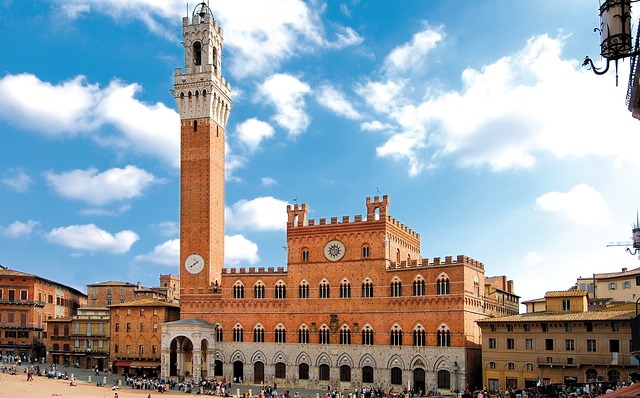
Palazzo Pubblico in Siena, Italy

Palazzo Pubblico

Palazzo Pubblico is one of Siena's most iconic landmarks, located on the picturesque Piazza del Campo. This historic town hall is a fine example of Gothic architecture and is home to the Civic Museum, which houses an impressive collection of frescoes and artworks. The most famous fresco, Ambrogio Lorenzetti's Allegory of Good and Bad Government, offers a fascinating insight into medieval life and values. The adjacent Mangia Tower, one of Italy's tallest secular towers, provides breathtaking views of Siena's rooftops and the surrounding countryside. Few realize the tower was built by two monks, Muccio and Francesco di Rinaldo, who completed it in just nine years. The museum also hides a medieval prison cell beneath its floors, once used to detain political prisoners. A visit to Palazzo Pubblico is a must for history and art enthusiasts.
Ads place
Ads place
Ads place
Ads place
Ads place
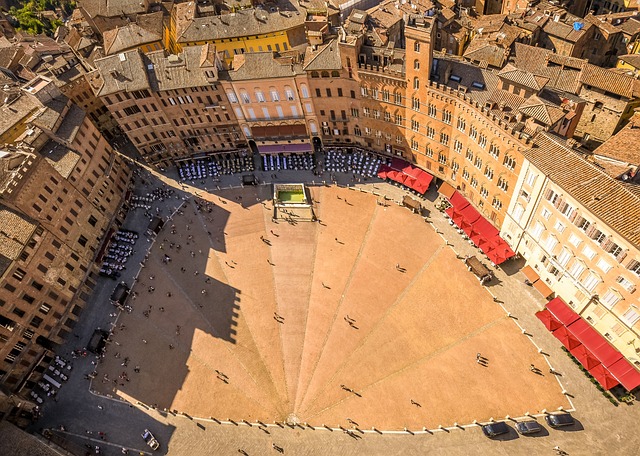
Piazza del Campo in Siena, Italy

Piazza del Campo

Piazza del Campo is the heart of Siena, renowned as one of Europe's most beautiful medieval squares. This shell-shaped plaza is famous for hosting the Palio di Siena, a thrilling horse race that has captivated locals and visitors for centuries. Surrounded by stunning Gothic architecture, the square's most iconic building is the Palazzo Pubblico, with its towering Mangia Tower offering panoramic views of the city. Visitors can explore the square's rich history, relax at one of the charming cafes, and admire the Fonte Gaia, a beautiful marble fountain that graces the plaza. Few know that the square's red brick pavement is divided into nine sections symbolizing Siena's medieval Council of Nine rulers. The Mangia Tower's foundation contains ancient coins and talismans buried for good luck during construction. Piazza del Campo is a testament to Siena's architectural brilliance and cultural heritage, making it a must-visit destination for anyone exploring Tuscany.
Ads place
Ads place
Ads place
Ads place
Ads place
Piazza della Cisterna in Siena, Italy

Piazza della Cisterna

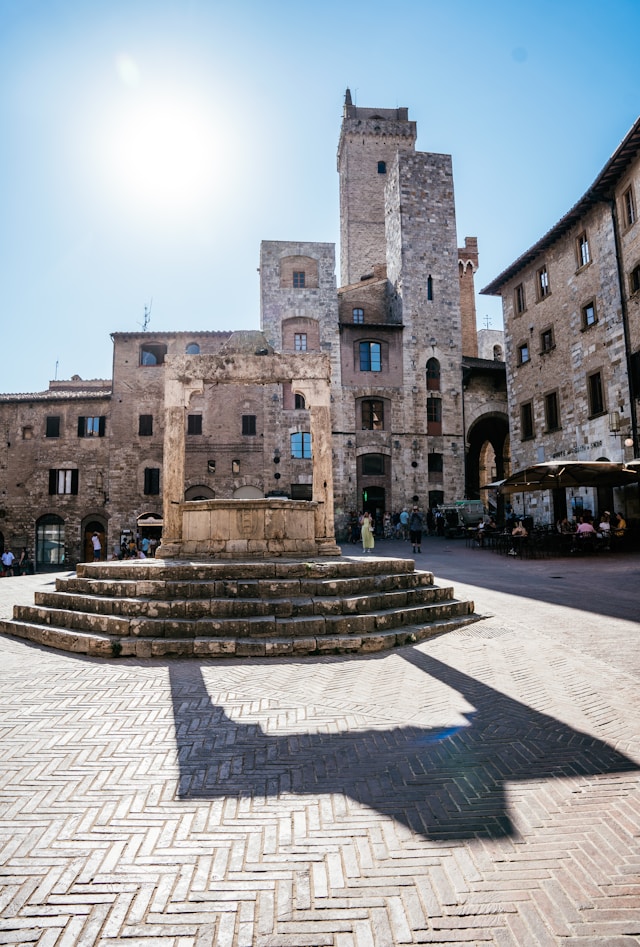
Piazza della Cisterna is one of Siena's most enchanting squares, known for its historic charm and architectural beauty. Named after the ancient cistern at its center, the square is surrounded by medieval buildings, including noble palaces and quaint homes. The piazza has long been a gathering place for locals and visitors, offering a glimpse into the city's vibrant community life. Few know the cistern was dug 18 meters deep to access groundwater during sieges. The square once hosted a lively medieval market where spices from the Silk Road were traded. The cobblestones are arranged in a herringbone pattern, a technique designed to prevent horse-drawn carts from slipping. During World War II, the cistern secretly stored priceless artworks to protect them from bombing raids. Today, the cafes and shops lining the square provide a modern touch to its timeless atmosphere. A visit here is a journey into Siena's rich history.
Ads place
Ads place
Ads place
Ads place
Ads place
San Francesco Basilica in Siena, Italy

San Francesco Basilica

San Francesco Basilica is a magnificent Gothic church in Siena, known for its architectural beauty and historical significance. The basilica features a simple yet imposing facade and a spacious interior adorned with frescoes and religious artifacts. It is also home to the Chapel of the Sacrament, which contains stunning frescoes by Andrea Vanni. Few visitors notice the hidden labyrinth carved into a column near the altar, symbolizing spiritual pilgrimage. The basilica's bell tower once served as a watchtower during wars, and its 14th-century bell still rings today. The church's roof was built using timber from ships that sailed to the Crusades. A secret crypt beneath the altar holds the remains of a medieval knight who defended Siena from Florentine invaders. A visit to San Francesco Basilica provides a deeper understanding of Siena's spiritual and artistic heritage.
Ads place
Ads place
Ads place
Ads place
Ads place
Siena Cathedral in Siena, Italy

Siena Cathedral

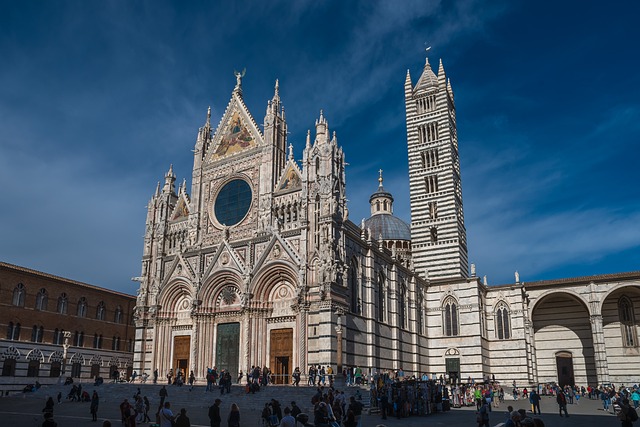
The Siena Cathedral, or Duomo di Siena, is a masterpiece of Gothic architecture that stands as a testament to the city's artistic legacy. Adorned with intricate marble facades and breathtaking mosaics, the cathedral is a visual feast for visitors. Inside, you'll find stunning frescoes, sculptures by Michelangelo, and the Piccolomini Library, which houses beautifully preserved manuscripts and frescoes. The cathedral's elaborate floor mosaics, depicting biblical scenes, are a unique highlight. Climbing the Porta del Cielo, or Gate of Heaven, offers unparalleled views of Siena and the surrounding countryside. A little-known fact: the cathedral's black-and-white marble stripes were inspired by a legend involving a magical black-and-white horse. The unfinished "New Cathedral" extension, abandoned after the 1348 plague, remains visible as a haunting reminder of unrealized ambition. A visit to the Siena Cathedral is a journey into the heart of Italian art and spirituality.
Ads place
Ads place
Ads place
Ads place
Ads place