
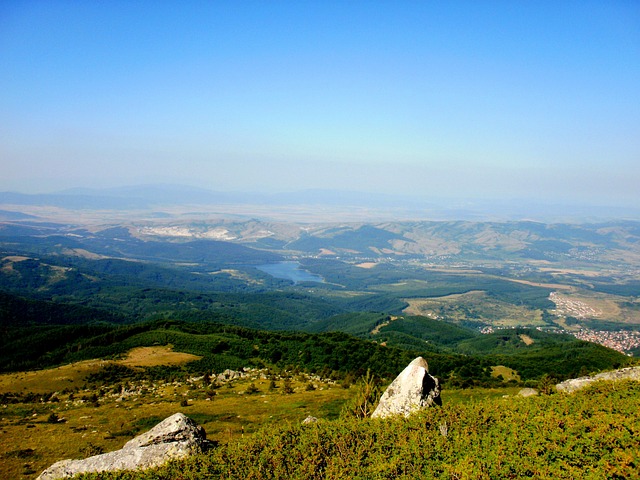
Vitosha Mountain
In Sofia, Bulgaria .
More places to visit in Sofia
Discover more attractions and things to do in Sofia.
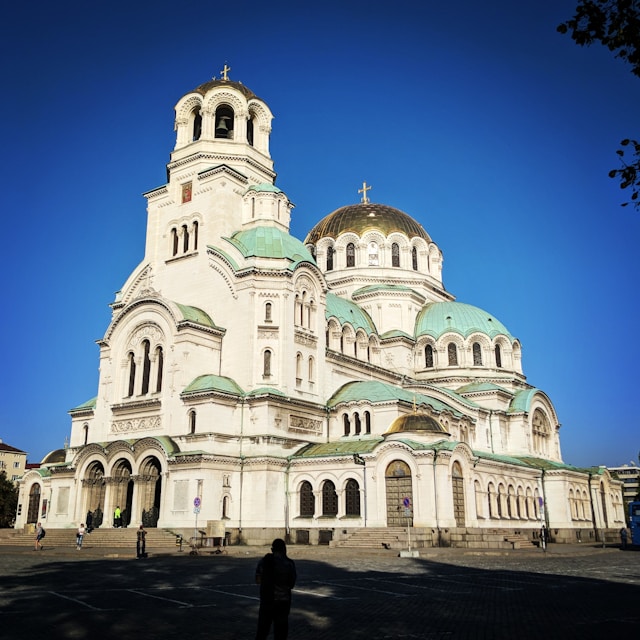
Alexander Nevsky Cathedral
Alexander Nevsky Cathedral is one of the most iconic landmarks in Sofia, Bulgaria. Built in the early 20th century, it is a symbol of the country's Orthodox Christian faith and a tribute to the Russian soldiers who died for Bulgaria's liberation. The cathedral features a stunning gold-plated dome and impressive mosaics inside. Visitors are captivated by its grandiose architecture, spacious interiors, and intricate iconography. It is a must-visit destination for anyone interested in Bulgarian culture, history, or religion. The cathedral also offers a peaceful retreat for those seeking spiritual reflection in the heart of the bustling city. The central dome is plated with 8.5 kg of gold leaf , visible from miles away on sunny days. Its crypt houses a museum of medieval icons, including the miraculous Virgin Mary of Petrich , believed to have wept in 1993. During Easter, the cathedral’s 12-bell carillon rings across Sofia, one of the largest in Eastern Europe.
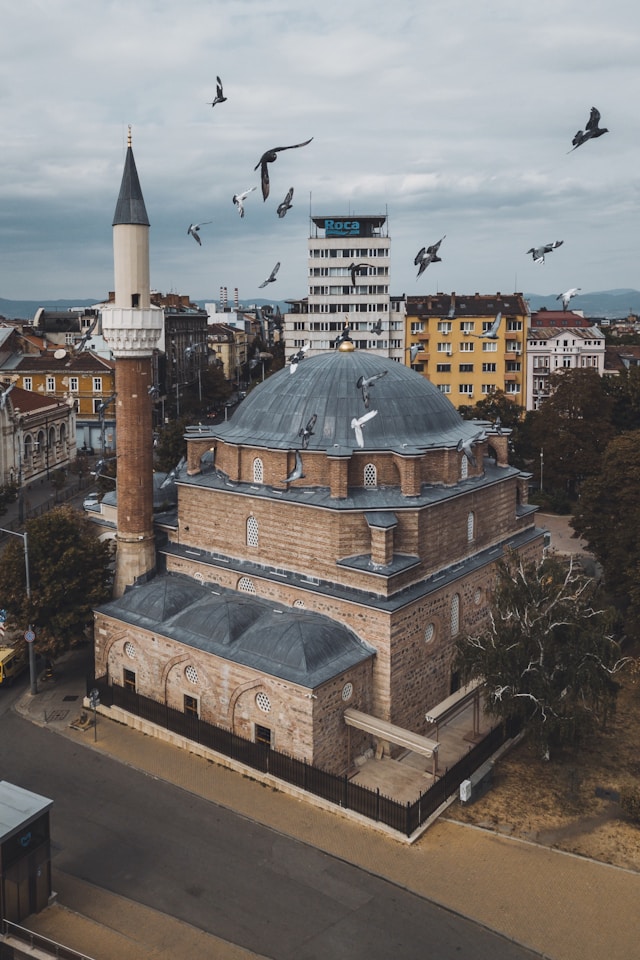
Banya Bashi Mosque
Banya Bashi Mosque is the only functioning mosque in Sofia, dating back to the Ottoman era. Built in the 16th century by the famous Ottoman architect Mimar Sinan, the mosque is a stunning example of Islamic architecture. Its name translates to 'many baths', referencing the nearby thermal springs. The mosque's elegant dome and minaret are striking features in Sofia's cityscape. While it remains a place of worship, Banya Bashi is also open to visitors who want to learn more about Bulgaria's Ottoman past and the country's diverse cultural heritage. The dome’s acoustics amplify the muezzin’s call, audible across central Sofia. The mosque’s courtyard contains a 17th-century sadirvan (ablution fountain) , fed by natural hot springs. During Ramadan, the mosque hosts interfaith iftar dinners, serving baklava made from 40 layers of phyllo , a local tradition.
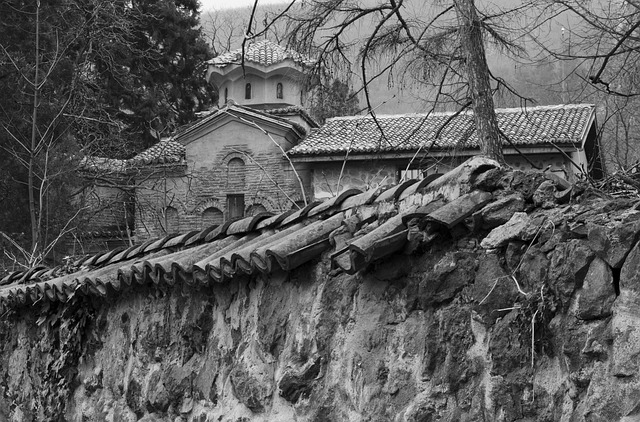
Boyana Church
Boyana Church is a UNESCO World Heritage Site located at the foot of Vitosha Mountain. The church is famous for its well-preserved frescoes from the 13th century, which are considered some of the finest examples of medieval Eastern European art. The frescoes depict biblical scenes and portraits of saints, with remarkable detail and vibrant colors. Boyana Church is a small, peaceful place, offering visitors a unique glimpse into Bulgaria's spiritual and artistic heritage. The surrounding area is also beautiful, with gardens and trees providing a serene atmosphere. A visit here is a journey back in time. The fresco of St. Nicholas is the oldest known portrait of the saint with a “weeping” icon effect, achieved through layered pigments. The church’s oak door, carved in 1259, still bears the signature of master artist Vasiliy , one of Europe’s earliest signed artworks. To preserve the frescoes, visitors enter through a climate-controlled glass tunnel installed in 2017.
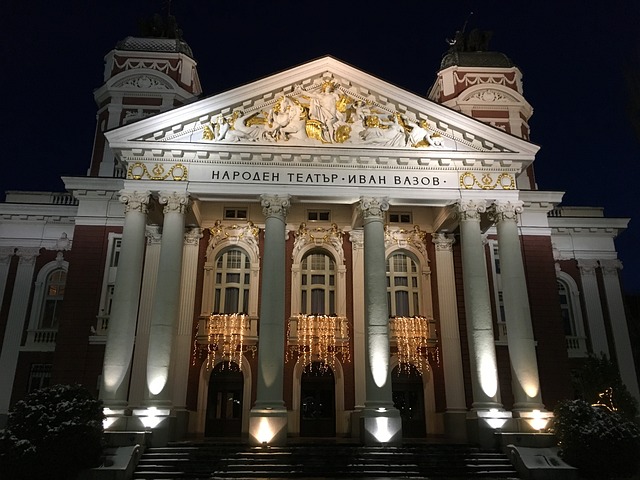
Ivan Vazov National Theatre
The Ivan Vazov National Theatre is Bulgaria's oldest and most prestigious theater. Located in the center of Sofia, the building is an architectural masterpiece, with a grand neoclassical facade and ornate interior. Named after the famous Bulgarian writer Ivan Vazov, the theater hosts a variety of performances, including plays, ballets, and operas. It is a cultural hub where locals and tourists alike can experience Bulgarian performing arts. The surrounding garden is a popular meeting spot, where people enjoy the open-air cafes and the peaceful atmosphere. The National Theatre is a symbol of Sofia's rich cultural life. The ceiling fresco, “ The Triumph of Dionysus ,” was painted by Austrian artists in 1907 using 24-karat gold leaf. A secret passage connects the stage to the nearby Russian Church , used by actors during WWII air raids. The theater’s 1,200-kg bronze chandelier was cast in Vienna and lowered by hand during installations.
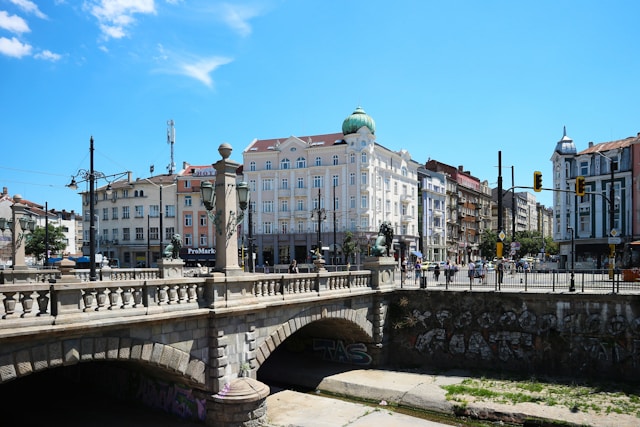
Lions' Bridge
Lions' Bridge is a significant historical bridge in Sofia, built in the late 19th century. The bridge is named after the four lion statues that guard each corner, symbolizing strength and courage. It crosses the Vladaya River and connects two major parts of the city. The bridge has become a popular tourist spot not just for its historical value, but also for its central location and proximity to many of Sofia's attractions. At night, the Lions' Bridge is illuminated, creating a beautiful scene for both pedestrians and photographers. The lions were sculpted by Italian artist Arnoldo Zocchi , who also designed Sofia’s Alexander Nevsky Cathedral statues. During WWII, the bridge survived Allied bombings due to a hidden resistance message labeling it a non-strategic target. Locals rub the lions’ paws for good luck, polishing the bronze to a shine.
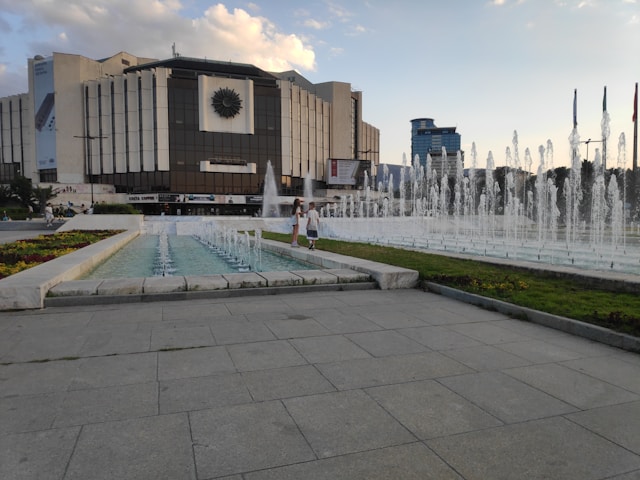
National Palace of Culture
The National Palace of Culture, known locally as NDK, is the largest conference and exhibition center in Southeastern Europe. It hosts a variety of events, including concerts, exhibitions, and international conferences. The building is a key architectural landmark in Sofia, surrounded by well-maintained gardens and fountains. Inside, it features several halls and auditoriums with state-of-the-art facilities. The square in front of NDK is a popular gathering spot for both locals and visitors, especially during cultural festivals. The palace has become synonymous with Sofia's vibrant cultural life and is a must-visit for anyone interested in the arts. Its underground levels conceal a Cold War-era bunker , now a museum showcasing Soviet-era tech. The exterior’s geometric mosaic panels depict Bulgarian folklore motifs, made with 1.2 million ceramic tiles. NDK’s main hall hosted Deep Purple in 1988, the first Western rock concert in communist Bulgaria.
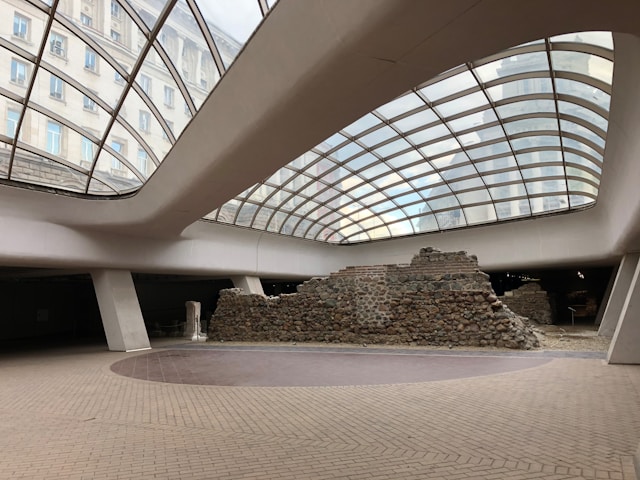
Serdica Archaeological Complex
The Serdica Archaeological Complex in the heart of Sofia reveals the ancient history of the city, which was once known as Serdica during Roman times. The ruins were uncovered during the construction of the Sofia metro, and they now sit as an open-air museum beneath the city streets. Visitors can explore well-preserved Roman streets, buildings, and public spaces. The complex provides a fascinating glimpse into the everyday life of the ancient city. With modern Sofia bustling above and the remains of Serdica below, this site showcases the city's rich layers of history. Archaeologists found a 4th-century basilica beneath the complex, with mosaics depicting mythical beasts. The site’s Roman heating system (hypocaust) remains intact, showing advanced engineering. Interactive holograms recreate gladiator battles that once occurred in Serdica’s amphitheater.
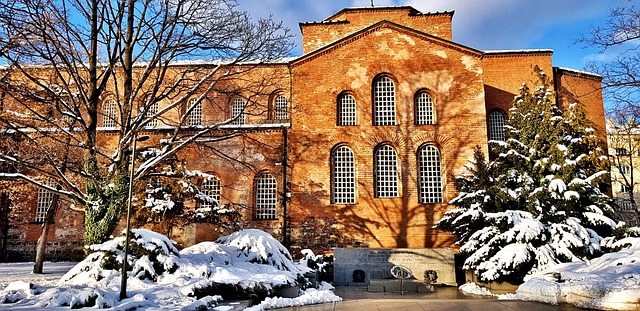
St. Sofia Church
St. Sofia Church is one of the oldest churches in Sofia, dating back to the 6th century. It gave the city its name and has witnessed the rise and fall of empires. The church is a key example of early Byzantine architecture and is famous for its austere beauty. Inside, visitors can explore ancient crypts and tombs, adding to the sense of history. The church's red-brick structure is simple yet elegant, with a spiritual atmosphere that draws visitors from around the world. St. Sofia Church remains an important symbol of the city's Christian heritage. Beneath the altar lies the tomb of Saint Sofia , whose relics were lost for centuries until rediscovered in 1998. The church’s orientation aligns with the summer solstice sunrise , a feature of early Christian symbolism. During Ottoman rule, it served as a mosque, and faint traces of Arabic calligraphy remain on its walls.
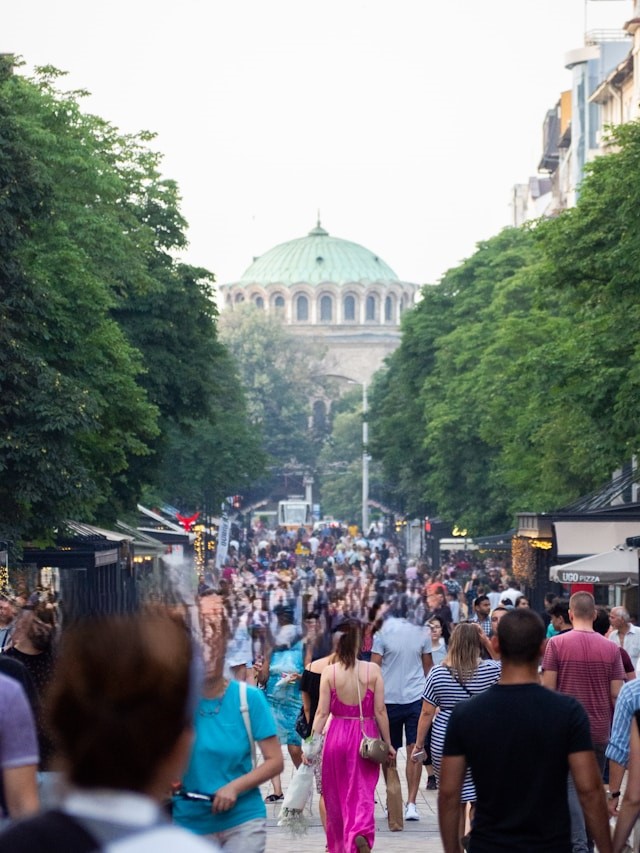
Vitosha Boulevard
Vitosha Boulevard is the main shopping street in Sofia, offering a lively mix of high-end shops, restaurants, cafes, and bars. It's the perfect place for a leisurely stroll, especially with the backdrop of Vitosha Mountain in the distance. The boulevard is lined with elegant buildings, showcasing a range of architectural styles. Street performers and artists add to the vibrant atmosphere, making Vitosha Boulevard a favorite spot for both tourists and locals. Whether you're shopping, dining, or simply people-watching, this street is at the heart of Sofia's social life. The boulevard’s Art Deco Radio Sofia building features a rooftop terrace with panoramic city views. Every December, it transforms into the “Christmas Mile” , with chalets selling mulled wine and handmade crafts. Hidden courtyards off the main strip host speakeasy-style bars inspired by 1920s Sofia.