
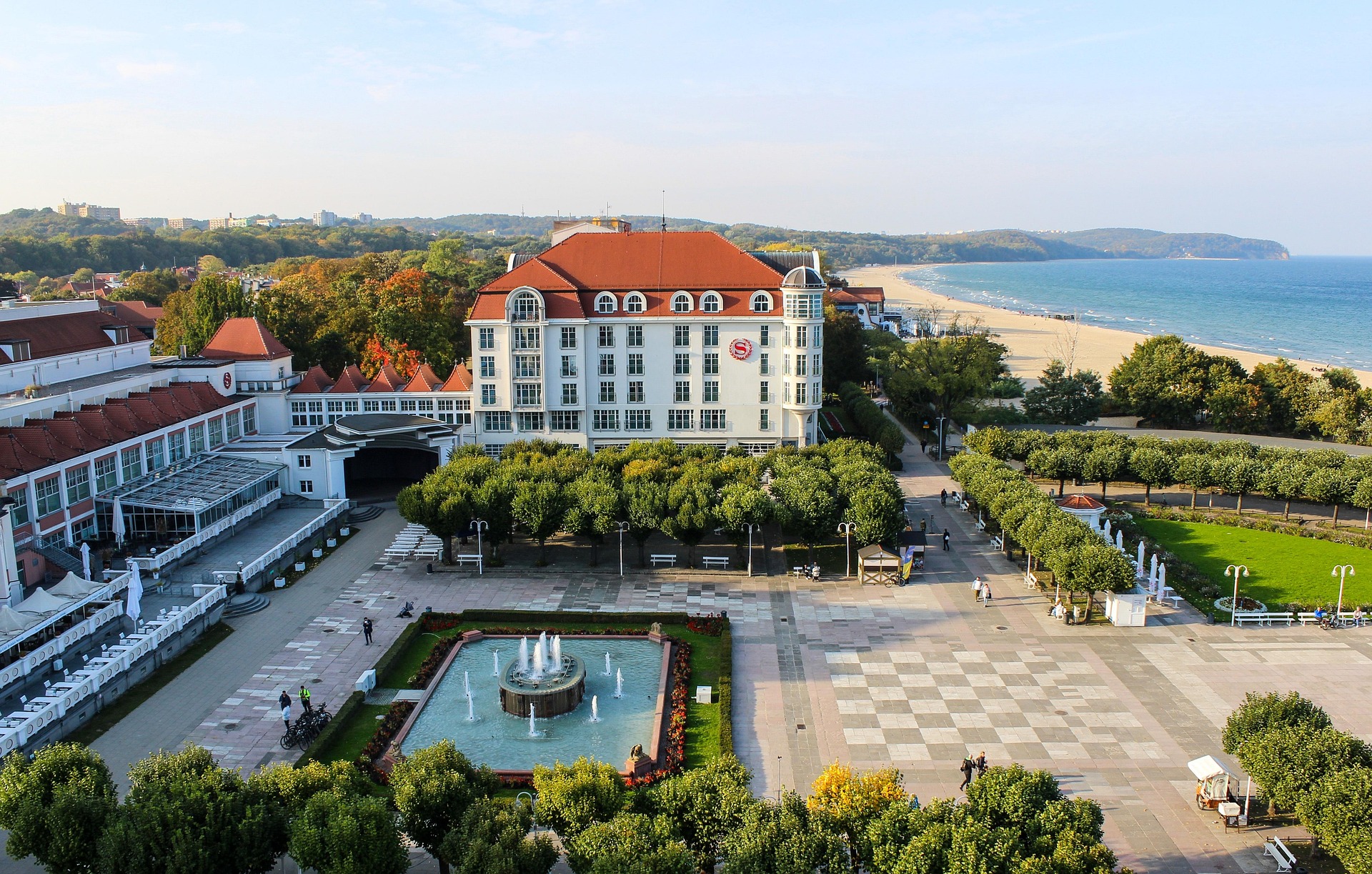
City view of Sopot, Poland

Sopot

Sopot, nestled on the Baltic Sea between Gdansk and Gdynia, is Poland's most celebrated seaside resort. Its iconic wooden pier—the longest in Europe—stretches into the sea, offering panoramic views and ocean breezes. The lively Monte Cassino promenade is lined with cafes, boutiques, and vibrant nightlife venues. Sopot is known for its sandy beaches, elegant spa hotels, and rich wellness tradition dating to the 19th century. The Forest Opera, an open-air amphitheater in a forested glen, hosts international music stars. Lesser-known are Sopot's historic mineral springs, popular for therapeutic treatments. The city's annual song festival brings together musicians from around the globe. Sopot's Art Nouveau villas and colorful gardens add charm, while its walking and biking paths are a favorite among locals and visitors alike.

Top attractions & things to do in Sopot

If you’re searching for the best things to do in Sopot, this guide brings together the top attractions and must-see places to visit in Sopot. The top picks below highlight the most visited sights for first-time visitors, plus a few local favorites worth adding.

Forest Opera in Sopot, Poland

Forest Opera

The Forest Opera is an iconic open-air amphitheater set amidst a lush pine forest just outside the city center. Established in 1909, this unique venue has hosted everything from international song festivals to world-class ballet and orchestral performances. Its acoustics are legendary, drawing artists from across Europe to perform beneath the canopy of trees. The seating area, with a capacity for over 4,000 guests, provides a magical backdrop as the evening sun filters through the branches. In the Soviet era, the Forest Opera was a stage for political and cultural gatherings, including memorable jazz concerts that defied the restrictions of the time. Today, visitors can explore backstage tours or simply enjoy a picnic in the surrounding nature reserve. The venue’s history includes hosting Polish music icons and even secret rehearsals for anti-communist movements. Each summer, the Forest Opera remains a beloved gathering spot for all generations.
Ads place
Ads place
Ads place
Ads place
Ads place
Monte Cassino Street in Sopot, Poland

Monte Cassino Street

Monte Cassino Street, affectionately called Monciak, is the vibrant pedestrian artery at the heart of Sopot’s nightlife and café culture. Lined with historic townhouses, art galleries, and boutique shops, the street buzzes day and night with live music and street performers. Here, visitors mingle with locals at cozy pastry shops and innovative bistros, some of which serve the region's best seafood dishes. At the end of the street stands the quirky Krzywy Domek or Crooked House, an architectural marvel inspired by fairy tales. Monte Cassino transforms during festivals, filling with open-air art markets and parades. Many overlook the hidden courtyards just steps away, where murals tell the story of Sopot’s bohemian past. In spring, the scent of blooming linden trees floats over sidewalk cafés. The street’s electric atmosphere is a magnet for artists, writers, and musicians, making it a true creative hub on the Baltic.
Ads place
Ads place
Ads place
Ads place
Ads place
Sopot Lighthouse in Sopot, Poland

Sopot Lighthouse

Standing just behind the pier, the Sopot Lighthouse is an unexpected highlight of the city’s seafront. Built in 1903 as part of a historic spa complex, the tower originally functioned as a chimney for a thermal bathhouse before being adapted as a navigation beacon. Visitors can climb the spiral staircase to reach the top, where panoramic views stretch across the Gulf of Gdansk and the bustling resort below. The lighthouse is illuminated each night, guiding ships into port and creating a romantic glow for evening walks along the promenade. Local legend says that the building's basement once housed secret tunnels used by smugglers. The architecture blends Neo-Gothic and Art Nouveau influences, making it a favorite among photographers. Few know that the surrounding gardens feature rare medicinal plants cultivated for spa treatments. The lighthouse’s history and unique design continue to fascinate history buffs and travelers alike.
Ads place
Ads place
Ads place
Ads place
Ads place
Sopot Museum in Sopot, Poland

Sopot Museum

The Sopot Museum occupies a beautifully restored early 20th-century villa once owned by the Claaszen family, prominent figures in Sopot’s transformation into a fashionable resort. The museum’s exhibits chronicle the city’s rise from a sleepy fishing village to the “Pearl of the Baltic,” showcasing vintage bathing costumes, elegant hotel interiors, and rare photographs from the Art Nouveau era. Visitors can explore personal letters and memorabilia from famous guests, including Polish writers and film stars. Interactive displays highlight the city’s cosmopolitan past, while seasonal exhibitions feature contemporary art and local crafts. The lush garden, open to the public, is planted with species that once decorated the original spa parks. Some believe that the villa is haunted by the benevolent spirit of its first owner, adding a touch of mystery to the experience. The Sopot Museum also serves as a venue for intimate concerts and literary evenings, making it a cornerstone of the city’s cultural life.
Ads place
Ads place
Ads place
Ads place
Ads place
Wooden Pier in Sopot, Poland

Wooden Pier

The famous wooden pier in Sopot, known locally as Molo, is the longest structure of its kind in Europe, stretching more than 500 meters into the Baltic Sea. Built in the early 19th century, it quickly became a symbol of seaside leisure and elegance, attracting visitors from across Europe. The pier is not only a place for scenic strolls and fresh sea air but also the main stage for summer concerts, sailing regattas, and open-air festivals. From its far end, you can see the outlines of Gdansk and Gdynia shimmering on the horizon. At sunset, photographers and couples flock to capture the golden glow over the water. A lesser-known fact is that in the interwar years, the pier hosted an exclusive casino for the Polish elite. In winter, icy sculptures form naturally along the railings, creating a surreal, fairytale atmosphere. Today, local fishermen still cast their lines from the planks, continuing a centuries-old tradition.
Ads place
Ads place
Ads place
Ads place
Ads place