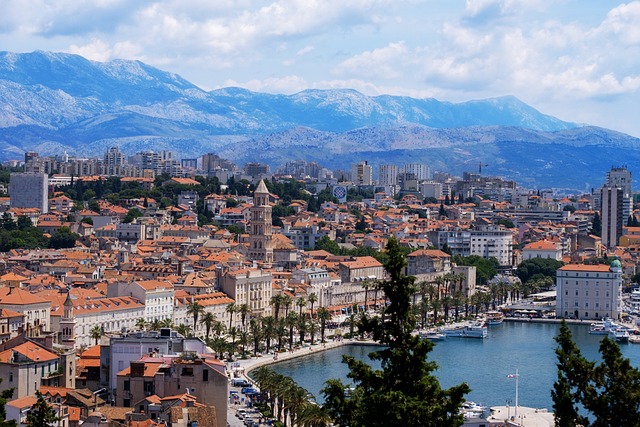
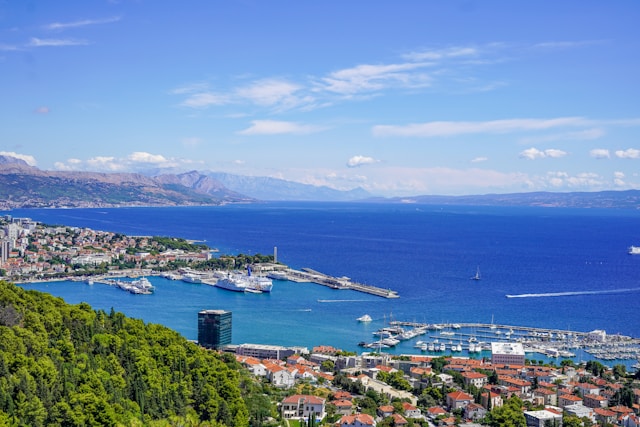
City view of Split, Croatia

Split

Split, the second-largest city in Croatia, is known for its historic significance and stunning coastal setting. At its heart lies Diocletian's Palace, a UNESCO World Heritage Site that dates back to the Roman Empire. The palace complex includes ancient temples, medieval churches, and a maze of narrow streets filled with cafes, restaurants, and shops. Splits beautiful Riva promenade is perfect for a seaside stroll, offering views of the port and the Adriatic Sea. The city is also a gateway to the Dalmatian Islands, including Hvar and Brac. Splits blend of ancient history and modern-day culture make it a must-visit destination.

Top attractions & things to do in Split

If you’re searching for the best things to do in Split, this guide brings together the top attractions and must-see places to visit in Split. The top picks below highlight the most visited sights for first-time visitors, plus a few local favorites worth adding.

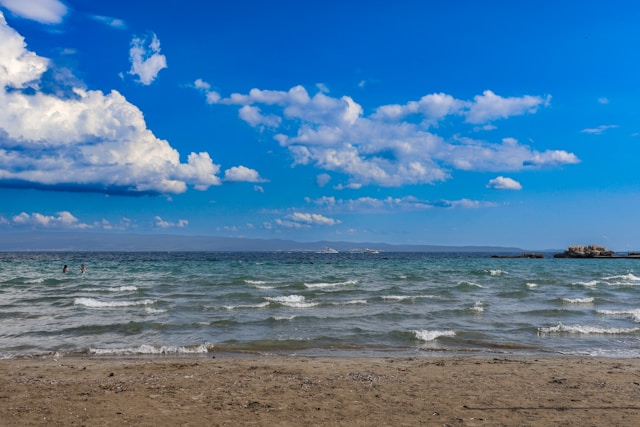
Bacvice Beach in Split, Croatia

Bacvice Beach

Bacvice Beach is Split's most famous city beach, known for its shallow waters and vibrant atmosphere. Located just a short walk from the city center, this sandy beach is a popular spot for sunbathing, swimming, and playing picigin, a traditional Croatian ball game unique to Split. The beach is lined with bars, cafes, and restaurants, making it an ideal destination for a relaxing day by the sea. In the evening, Bacvice transforms into a lively nightlife hub where visitors can enjoy music and dancing right on the beach. Its central location and lively vibe make it a must-visit spot for both locals and tourists. The beach holds picigin tournaments every summer, drawing teams from across Dalmatia. A floating DJ platform anchors offshore during full moon parties. Environmental initiatives maintain the beach's Blue Flag certification for water quality.
Ads place
Ads place
Ads place
Ads place
Ads place
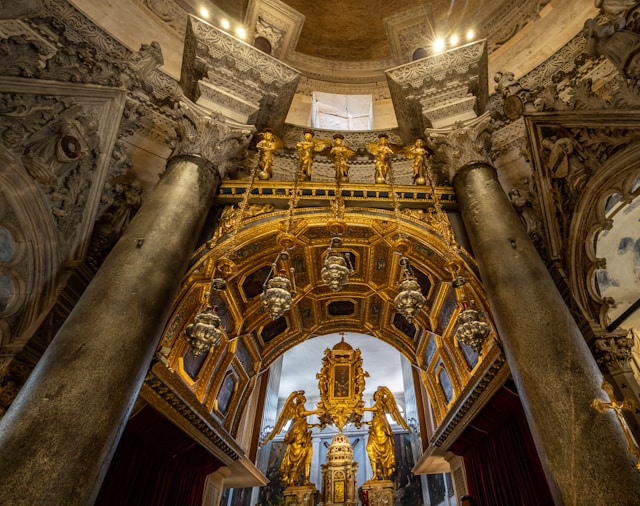
Cathedral of Saint Domnius in Split, Croatia

Cathedral of Saint Domnius

The Cathedral of Saint Domnius is one of Split's most iconic landmarks, originally built as Diocletian's mausoleum. Over the centuries, it was transformed into a Christian cathedral, making it one of the oldest in the world. The cathedral's impressive bell tower, which visitors can climb for panoramic views of the city, dominates the skyline of Split. Inside, the cathedral houses beautifully preserved artwork, carvings, and relics that tell the story of Split's religious and architectural history. Its blend of Roman and Christian influences makes it a fascinating site for history lovers and those interested in Split's cultural evolution. The altar contains the sarcophagus of Saint Domnius, a 3rd-century martyr. The wooden choir stalls, carved in the 13th century, depict scenes from the life of Christ. A 7th-century Byzantine baptismal font is still used for Easter ceremonies.
Ads place
Ads place
Ads place
Ads place
Ads place
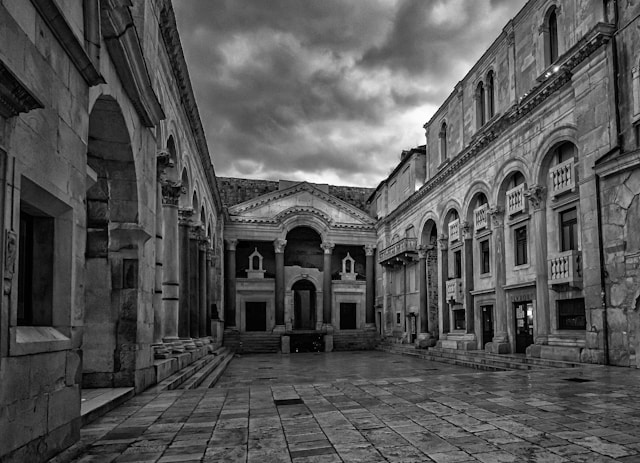
Diocletian's Palace in Split, Croatia

Diocletian's Palace

Diocletian's Palace is one of Split's most iconic landmarks and a UNESCO World Heritage site. Built by the Roman Emperor Diocletian in the 4th century, the palace was initially constructed as his retirement residence. Today, it forms the heart of Split's Old Town, with its ancient walls, temples, and courtyards blending seamlessly into the city’s modern life. Visitors can explore the Peristyle Square, the Cathedral of Saint Domnius, and the underground cellars that once served as storage areas. With its mix of Roman, medieval, and contemporary influences, Diocletian's Palace is a must-see for history enthusiasts and tourists alike. The palace's substructures host artisan markets and classical music concerts in summer. Original Roman columns in the Peristyle were repurposed from Egyptian temples. The palace's bronze gates still bear dents from medieval siege attempts.
Ads place
Ads place
Ads place
Ads place
Ads place
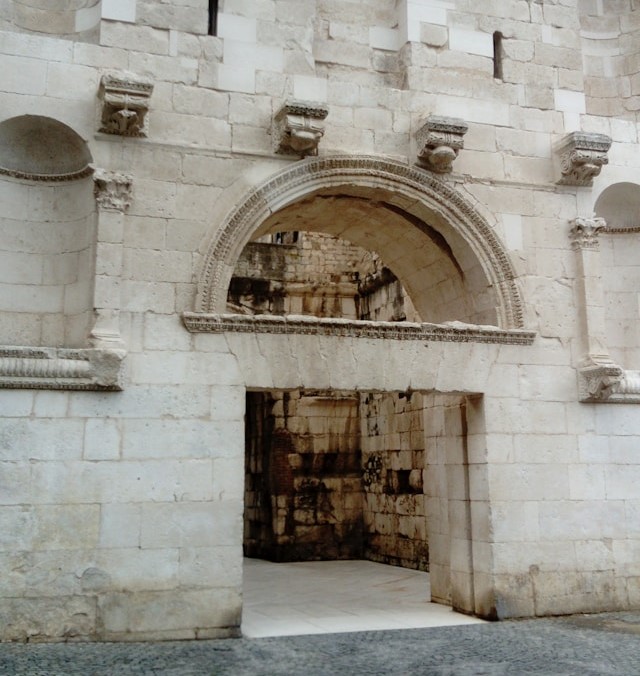
Golden Gate in Split, Croatia

Golden Gate

The Golden Gate is one of the main entrances to Diocletian's Palace and an iconic feature of Split's Old Town. This monumental gate, originally constructed in the 4th century, served as the northern entrance to the palace and remains remarkably well-preserved. The gate is flanked by ancient towers and is adorned with intricate carvings that showcase the artistry of Roman builders. The Golden Gate has witnessed centuries of history and today serves as a popular spot for visitors entering the palace. Its grandeur and historical significance make it an essential stop for those exploring Split's Roman and medieval heritage. The gate's name derives from the gilded bronze statues of Diocletian that once adorned it. A surviving Latin inscription above the arch celebrates the emperor's military victories. Evening light projections recreate the gate's original polychrome colors.
Ads place
Ads place
Ads place
Ads place
Ads place
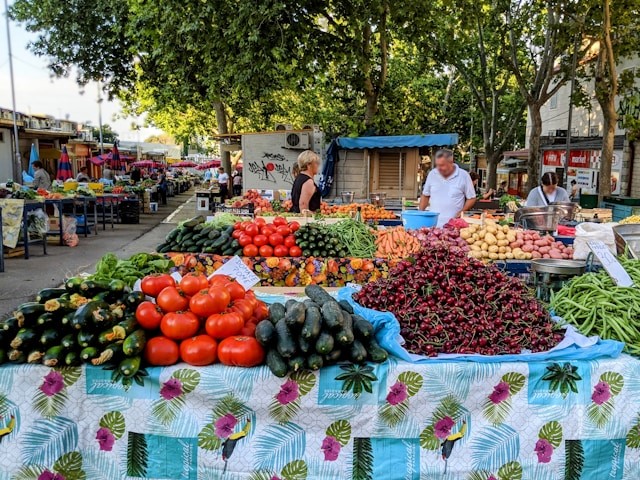
Green Market in Split, Croatia

Green Market

Split's Green Market, or Pazar, is a bustling outdoor market located near Diocletian's Palace. This vibrant market offers a wide array of fresh fruits, vegetables, fish, and local delicacies. It is the perfect place to experience the daily life of Split's residents and explore the region's culinary offerings. From homemade cheeses to aromatic spices, the market provides an authentic taste of Dalmatian culture. The lively atmosphere and the opportunity to interact with local vendors make the Green Market a must-visit destination for those looking to immerse themselves in the local lifestyle. Vendors sell salted anchovies prepared using recipes unchanged for centuries. The market's flower stalls overflow with lavender from Hvar and Brac. Early mornings offer the best chance to buy truffle-infused honey from the nearby Imotski region.
Ads place
Ads place
Ads place
Ads place
Ads place
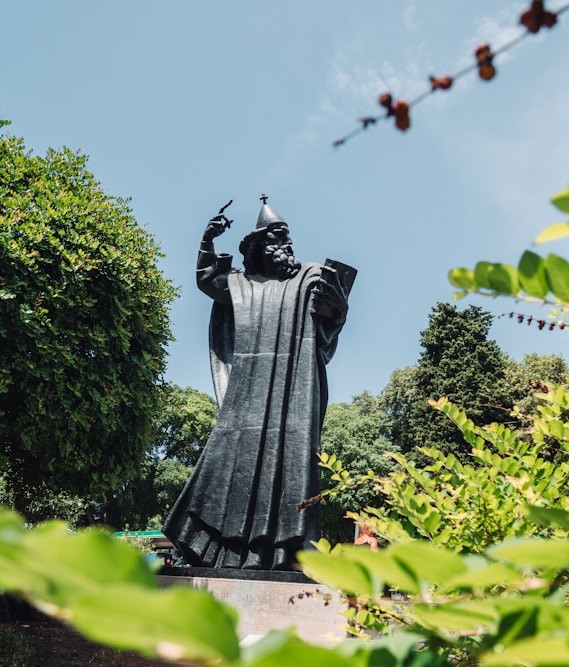
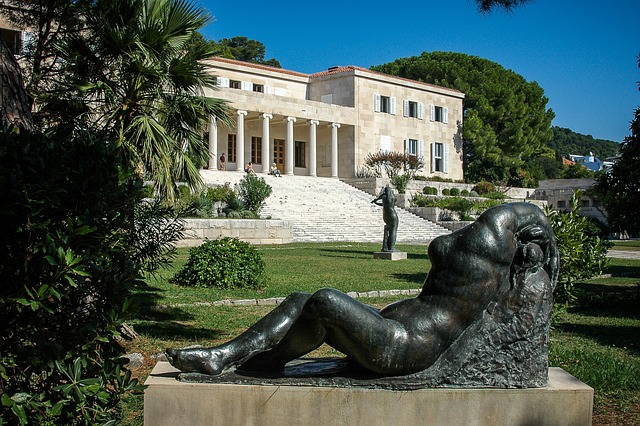
Grgur Ninski Statue in Split, Croatia

Grgur Ninski Statue

The Grgur Ninski Statue is a famous monument in Split, dedicated to Bishop Grgur Ninski, who championed the use of the Croatian language in church services during the 10th century. Sculpted by renowned artist Ivan Mestrovic, the statue stands near the Golden Gate and has become a symbol of the city's cultural heritage. It is believed that rubbing the statue's big toe brings good luck, making it a popular ritual for visitors. The statue's imposing presence and historical significance offer a glimpse into the religious and cultural history of Split, making it a must-visit for tourists exploring the city. The statue weighs over 4 tons and was cast in a single bronze pour. Mestrovic modeled the bishop's defiant stance after witnessing Croatian protests against Italian occupation. Local guides share legends of the statue's eyes following passersby at night.
Ads place
Ads place
Ads place
Ads place
Ads place
Ads place
Ads place
Ads place
Ads place
Ads place
People's Square in Split, Croatia

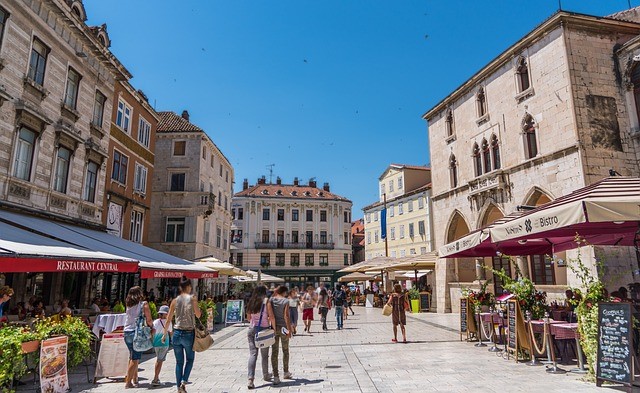
People's Square

People's Square, also known as Pjaca, is the bustling heart of Split's Old Town. Surrounded by historic buildings, cafes, and shops, it serves as a lively meeting place for locals and tourists. The square features a blend of architectural styles, including the Renaissance clock tower and the old Town Hall. It is an ideal spot for enjoying a meal or coffee while soaking in the lively atmosphere of the city. With its central location and charming vibe, People's Square is a perfect starting point for exploring the narrow streets and hidden gems of Split's historic core. The clock tower's 24-hour face is a relic from the Venetian maritime tradition. Beneath the square lie Roman-era cisterns now used as wine cellars. Every December, the square hosts a living nativity scene with costumed locals and live animals.
Ads place
Ads place
Ads place
Ads place
Ads place
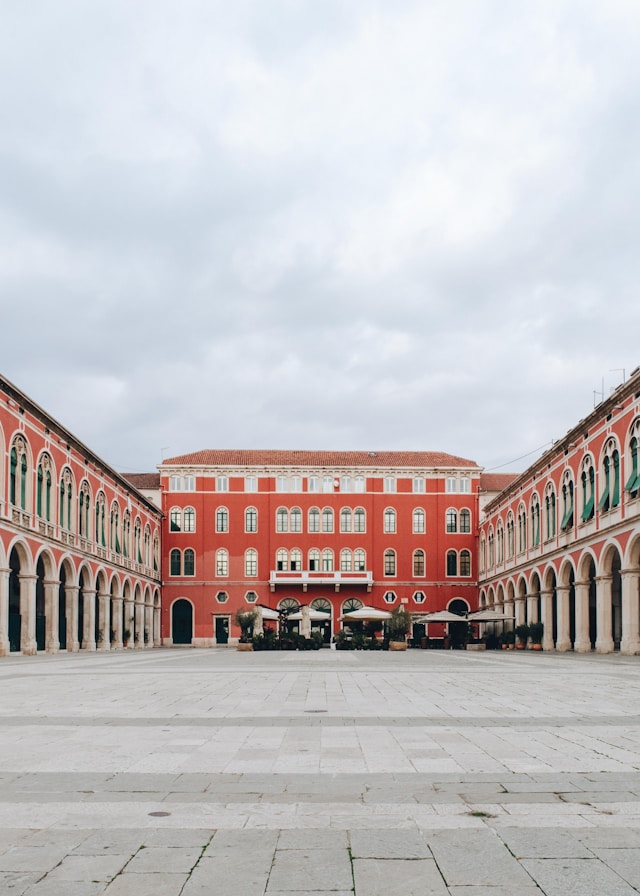
Prokurative Square in Split, Croatia

Prokurative Square

Prokurative Square, also known as Republic Square, is one of Split's most elegant open spaces. Modeled after St. Mark's Square in Venice, it is bordered by grand neo-Renaissance buildings and offers a view of the marina and the sea. This square is a popular spot for events, concerts, and open-air performances, contributing to Split's vibrant cultural life. The surrounding cafes and restaurants provide the perfect setting to enjoy a coffee or meal while taking in the square's atmosphere. Prokurative's architecture and lively energy make it a favorite destination for both locals and tourists exploring the city's public spaces. The square's arcades feature busts of Croatian literary figures like Marko Marulic. Summer opera performances utilize the square's natural acoustics. The central flagstone mosaic replicates the Venetian lion symbol, a nod to Split's maritime history.
Ads place
Ads place
Ads place
Ads place
Ads place
Riva Promenade in Split, Croatia

Riva Promenade

The Riva Promenade is the vibrant waterfront of Split, offering a lively atmosphere filled with cafes, shops, and picturesque views of the harbor. This palm-lined promenade stretches along the coast and is a popular gathering spot for both locals and tourists. Whether enjoying a morning coffee or an evening stroll, visitors can soak up the Mediterranean charm while admiring the boats docked at the marina. The Riva serves as the perfect gateway to exploring the city, with easy access to the Old Town, Diocletian's Palace, and numerous historical sites. Its lively energy and beautiful setting make it a central attraction in Split. The promenade was redesigned in 2007 using the same white Istrian stone as the palace. Annual regattas transform the marina into a forest of sailboat masts. At dawn, fishermen sell their catch directly from boats moored along the Riva.
Ads place
Ads place
Ads place
Ads place
Ads place