
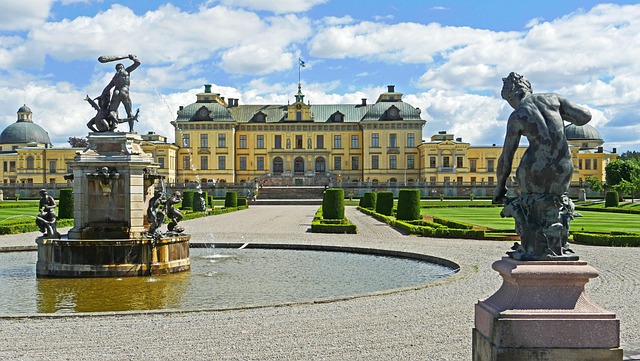
Drottningholm Palace and Theatre
In Stockholm, Sweden .
More places to visit in Stockholm
Discover more attractions and things to do in Stockholm.
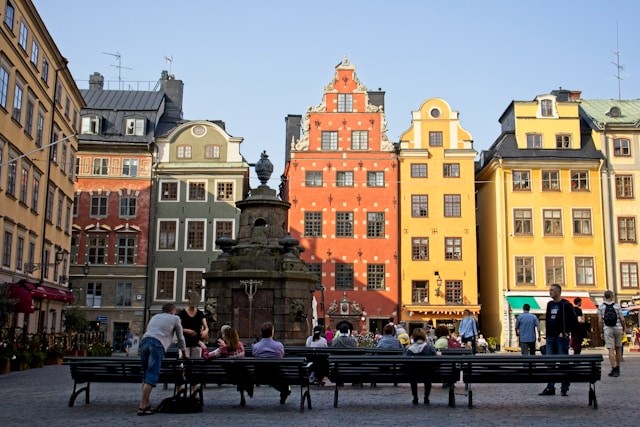
Gamla Stan Old Town
Between quays and ferry horns, Gamla Stan tightens into a fabric of lanes where trade once set the rules. The plan is medieval, settled by the 13th century , while many facades carry the confident plaster and gables of the 17th century . At Stortorget, guides love to count the 43 windows that pattern the square, a mnemonic for stories that still circulate in cafe lines. Walk to Marten Trotzigs Grand, the narrow stair that pinches to 90 centimeters , and feel how bodies shaped the map. The former exchange holds the Nobel Prize Museum , proof that ideas now trade as naturally as iron once did. Look low for runic fragments reused in walls and boot scrapers catching city grit. Cellars drop under shops like quiet archives. In winter lamps warm the plaster to honey, in summer shutters blink awake. Gamla Stan rewards deliberate drift, where a brass door pull or a ledger stone can be the day''s most persuasive guide.
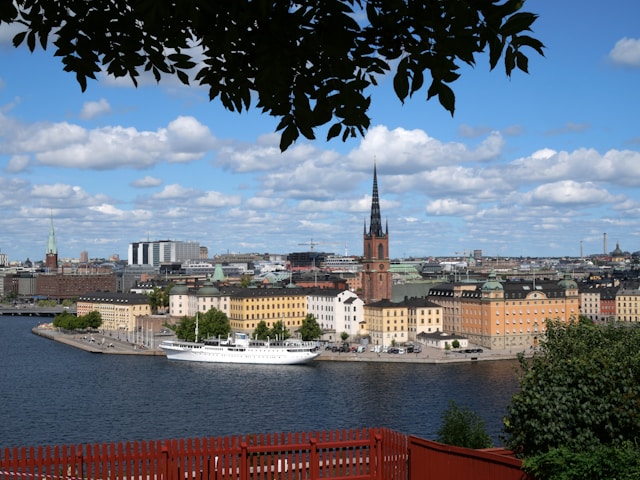
Monteliusvagen View Walk
On the north rim of Sodermalm, Monteliusvagen hangs like a balcony above the water and rewards even a short stroll. The wooden path runs about 500 meters with railings that keep nerves steady while views widen toward City Hall , Gamla Stan, and the iron lace of Riddarholmen. It is named for archaeologist Oscar Montelius , a scholar who taught Swedes how to read time in artifacts, which suits a walkway that invites patient looking. Bring a thermos and claim a bench. At sunrise in June the light lasts and the facades go pale gold. In December the blue hour arrives by 15:00 and windows spark on like beads. Steps link the path to Bastugatan and to pocket overlooks where photographers wait out clouds. Behind the hedge, small wooden houses tell another story about domestic life on a hill. The best way to leave is slowly, counting chimneys and ferry horns until the city drops back to normal scale.
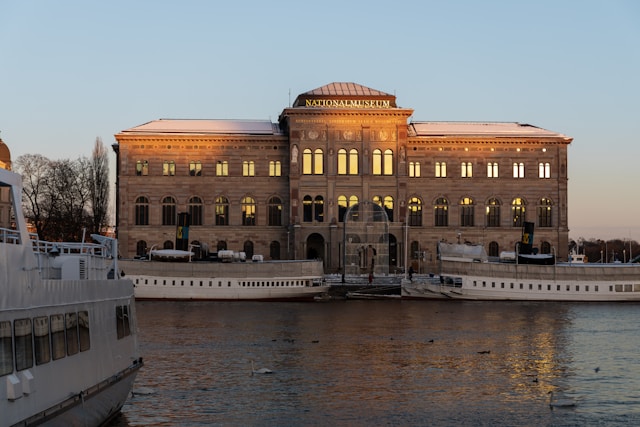
Nationalmuseum
On Blasieholmen a stone ship of a museum reopened in 2018 with daylight invited deep into rooms that once felt solemn. The building dates to 1866 and the hand of Friedrich August Stuler , whose Renaissance Revival facades now frame galleries that mix paintings, sculpture, and design without fuss. The renovation added light wells , restored the grand stair as a social hinge, and moved conservation labs upstairs so the public sits closer to the work of care. Rooms rotate masterworks by Rembrandt and Anders Zorn , and give contemporary craft and glass equal stage time. You can read Sweden''s art history as conversations rather than departments, from portraits that still negotiate power to chairs that explain how comfort and industry met. Labels are crisp and benches land where reflection naturally slows. The waterfront setting keeps the city present through windows that tint evening gold. Nationalmuseum feels confident yet welcoming, a place that trusts attention more than spectacle and rewards it with carefully staged proximity.
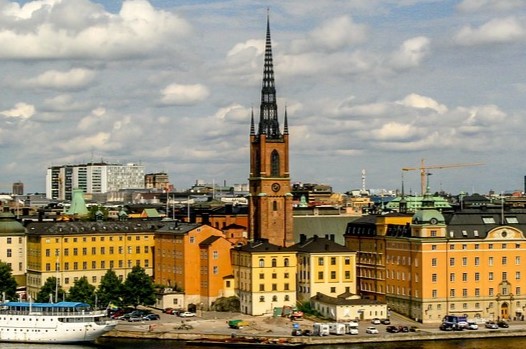
Riddarholmen Church and Islet
Iron lace against the sky marks Riddarholmen Church, the city''s oldest surviving interior. Built as a Greyfriars monastery in the late 13th century , it later became the burial church of Swedish monarchs. A lightning strike in 1835 destroyed the earlier tower, and the present cast-iron spire now rises above brick like a careful sketch in metal. Inside you meet kings by name, from Gustavus Adolphus to Gustaf V , and the ritual plates of the Order of the Seraphim hang along the walls as heraldic biographies. Almost every ruler after 1632 rests here, with the famous exception of Queen Christina, whose tomb lies in Rome. When a knight of the order dies, the bells ring at noon and a new armorial plate is hung. The island beyond the nave holds 17th-century palaces and quiet quays that look toward City Hall and Gamla Stan. Come late in the day and offices empty while the church keeps watch, a dignified pause between government and memory.
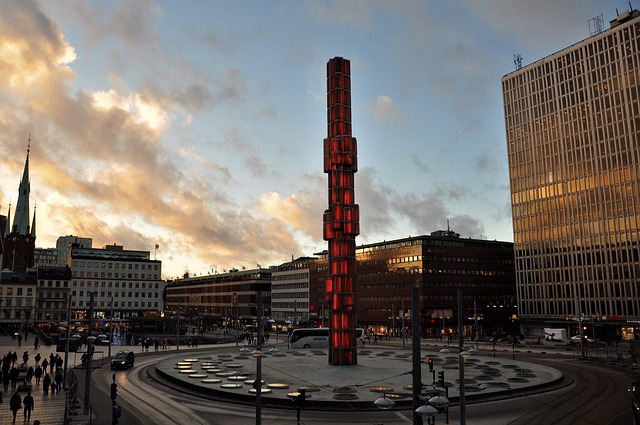
Sergels Torg and Kulturhuset
Stockholm''s central clearing is part plaza, part stage. Sergels Torg lays down its black-and-white triangles from the 1960s and lets traffic, skaters, and rallies compose the day. At the center, Edvin Ohrstrom''s Kristall-vertikalaccent rises 37.5 meters , a glass obelisk that glows after dusk and holds its own even in winter gloom. Along the edge stands Kulturhuset by Peter Celsing , inaugurated in 1974 , a transparent stack of libraries, stages, and galleries where citizens come to read, argue, and sit by windows that survey the square. The underpass stitches transit to shopping and keeps wind off conversations. On festival days the paving becomes a field of blankets and instruments, and in snow the triangles read like sheet music for footprints. From the upper terrace you can watch the choreography of buses and bikes and feel how the city''s tempo resets here every hour. The space proves that modernism can host warmth when stairs invite pauses and doors open often.
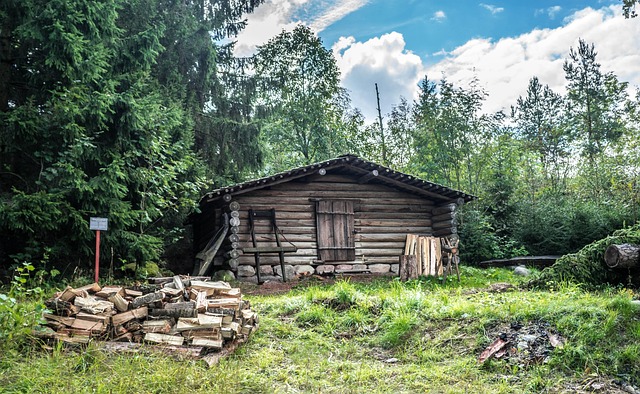
Skansen Open-Air Museum
High on Djurgarden, Skansen teaches by walking and by smell. Founder Artur Hazelius opened it in 1891 as the world''s first open-air museum , then kept moving whole houses and workshops here until a miniature Sweden took shape. Today the collection runs past the 150+ mark, from timber farmsteads to a tidy 1890s town where bakers still slide loaves into heat. Craftspeople turn glass, forge iron, and dye yarn while reindeer graze in a Sami camp that explains labor rather than myth. Brown bears nap on rock shelves that children never forget. Paths climb and flatten with generous views, and a small funicular spares tired knees. Seasonal rituals carry the calendar, from Midsummer poles to Lucia songs that travel softly across snow. Skansen''s argument is not nostalgic. It shows how technique, weather, and community once braided daily life, and how those braids can still be understood with your hands as much as your eyes.
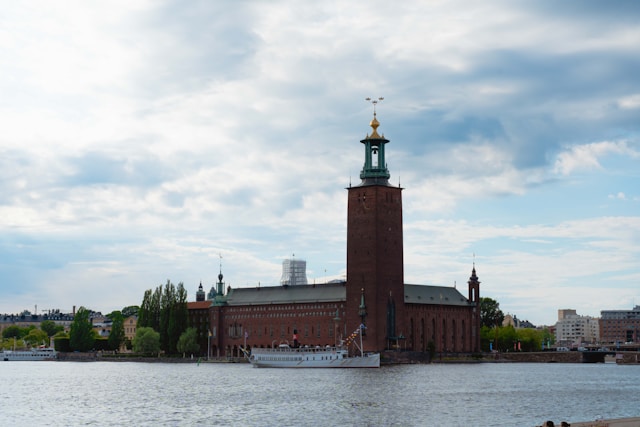
Stockholm City Hall (Stadshuset)
Red brick meets water at City Hall, a building that makes ceremony feel close to daily life. Designed by Ragnar Ostberg and opened in 1923 , it pairs arcaded courtyards with a tower that rises 106 meters and ends in the Three Crowns. The Blue Hall hosts the Nobel banquet beneath an organ of 10,270 pipes , a feat that turns air into architecture. Upstairs the Golden Hall glows with 18 million mosaics by Einar Forseth, giving history a shimmering backdrop. Guides point out how National Romantic brick meets Venetian rhythms, yet the plan stays practical for councils, weddings, and the slow theater of public life. Step onto the loggia and Lake Malaren supplies breeze and swans. Climb the tower and the archipelago arranges like a model city, ferries scoring white lines on blue water. The pleasure here is precision, from cedar ceilings to stair treads set for human stride, proof that municipal buildings can be exacting and generous at once.
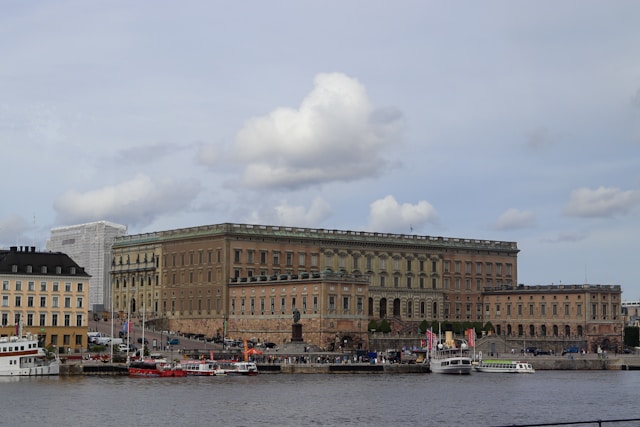
The Royal Palace (Kungliga slottet)
A palace that works for a living, Stockholm''s Royal Palace spreads sober Baroque across Stadsholmen yet keeps its rooms busy. The design belongs to Nikodemus Tessin the Younger , drawn after the 1697 fire and built to restore both dignity and workflow. Guides like to cite more than 600 rooms , a number that makes sense once you move from state stairs to offices, chapels, and archives. In the vaults the Three Crowns Museum reconstructs the burned castle and lays out how the site evolved from fortress to residence. The Treasury presents regalia under tempered light, a quiet theater of metal and meaning. Courtyards behave like outdoor halls and frame slices of sky that feel unusually calm for a capital. Lions flanking the ramps watch in the old way while visiting school groups measure power with giggles and notebooks. It is monarchy as infrastructure, explained with maps, schedules, and surprisingly human scale.

Vasa Museum
Step into a cool timber hall and meet a warship whose downfall became Stockholm''s most instructive artifact. Ordered by Gustavus Adolphus for Baltic power, Vasa sailed in 1628 , heeled after barely 1,300 meters, and vanished into mud until her intact hull was raised in 1961 . Conservators misted polyethylene glycol for 17 years so oak would not crack as salt left the wood. You read the ship through numbers and craft: twin gun decks for 64 cannons , a hull about 52 meters long, carvings painted in fierce color, and a lion figurehead leading the way. Shipwright Henrik Hybertsson''s ambition met a stability problem that the exhibition unpacks with models, ballast sacks, and hands-on tests. Human stories land quietly in the displays, from sailors'' shoes to a recovered spoon worn smooth by use. Climb the galleries and the stern''s sculpture turns into a wooden city, proof that failure, preserved with care, can still move an audience more than triumph.