City view of Strasbourg, France

Strasbourg

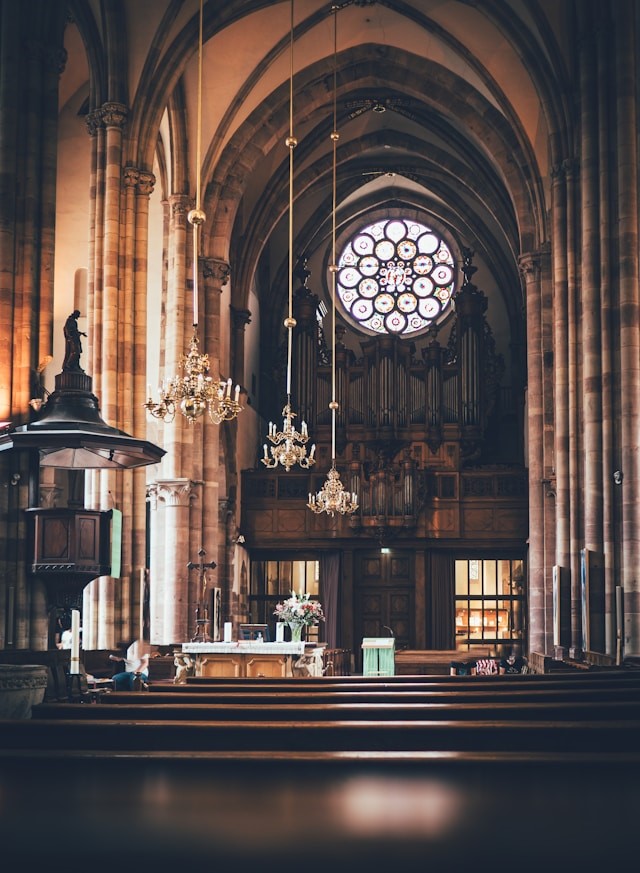
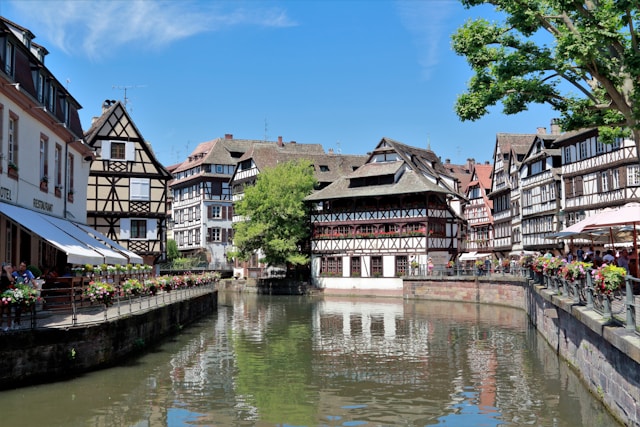
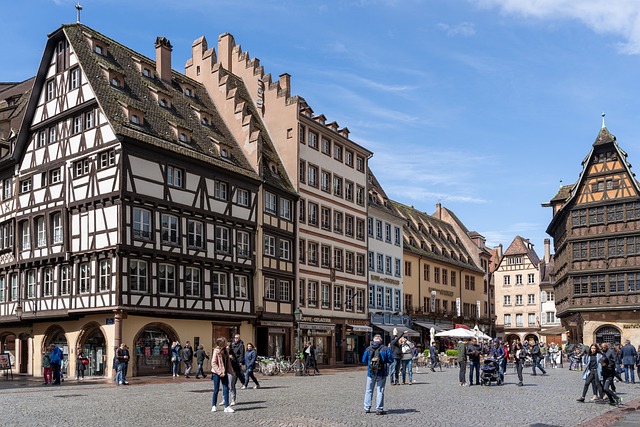
Strasbourg, located in the Alsace region of northeastern France, is known for its unique blend of French and German influences. The city is famous for its stunning Gothic cathedral, the Cathédrale Notre-Dame de Strasbourg, which features an intricate astronomical clock. Strasbourg's historic district, known as La Petite France, is a picturesque area with half-timbered houses, canals, and cobblestone streets. The city is also home to several important European institutions, including the European Parliament. Strasbourg's Christmas market, one of the oldest in Europe, attracts visitors from around the world. The city's cuisine is a reflection of its dual heritage, offering dishes like choucroute garnie and flammekueche. With its rich history, charming architecture, and vibrant culture, Strasbourg is a must-visit destination.

Top attractions & things to do in Strasbourg

If you’re searching for the best things to do in Strasbourg, this guide brings together the top attractions and must-see places to visit in Strasbourg. The top picks below highlight the most visited sights for first-time visitors, plus a few local favorites worth adding.

Cathédrale Notre-Dame de Strasbourg in Strasbourg, France

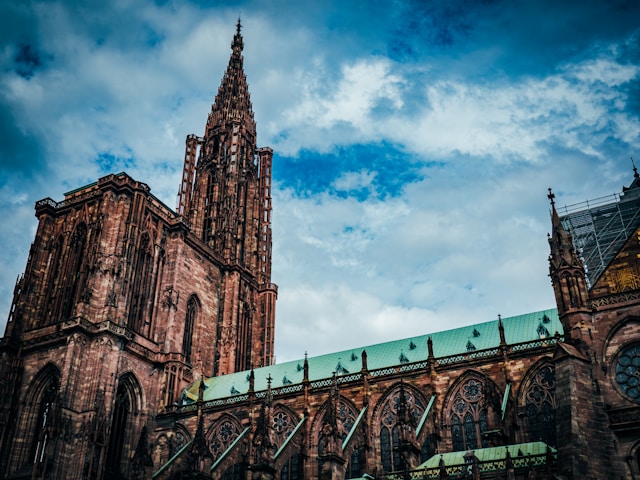
Cathédrale Notre-Dame de Strasbourg

The Cathédrale Notre-Dame de Strasbourg is one of the most magnificent Gothic cathedrals in Europe. Its intricate facade, towering spire, and striking astronomical clock draw millions of visitors each year. Built over several centuries, it is known for its stunning stained-glass windows and detailed sculptures. Climbing the 332 steps to the viewing platform provides an unparalleled panoramic view of the city and the Rhine River. The astronomical clock, built in 1843, features a mechanical parade of the 12 Apostles daily at 12:30 PM. The cathedral’s single spire (142 m) remained the world’s tallest structure until 1874. Its pink sandstone facade changes color from dawn’s blush to sunset’s gold. Victor Hugo called it a "gigantic and delicate marvel." The Pillar of Angels (1230) depicts Judgment Day with 30 intricate carvings. During WWII, the stained glass was removed and hidden in a salt mine to avoid destruction.
Ads place
Ads place
Ads place
Ads place
Ads place
Église Saint-Paul in Strasbourg, France

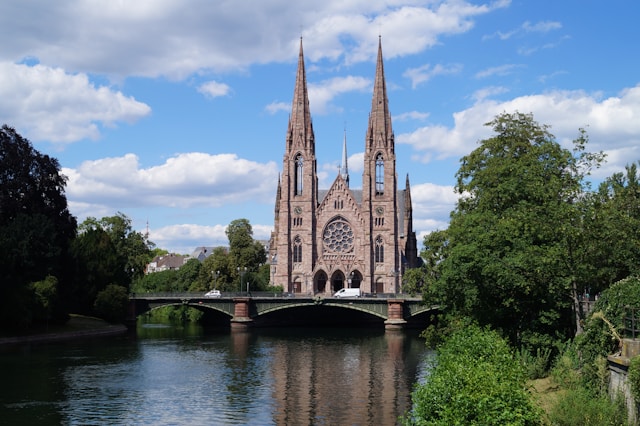
Église Saint-Paul

Église Saint-Paul is a neo-Gothic church situated on the banks of the River Ill in Strasbourg. Built in the late 19th century, the church is known for its twin spires that rise to an impressive height of 76 meters, creating a striking silhouette against the cityscape. The interior boasts magnificent stained-glass windows that depict biblical scenes and illuminate the space with vibrant colors. Constructed for German Protestant soldiers after Alsace became German in 1871. The windows survived WWII bombings due to being dismantled and stored in a salt mine. The Rose Window (1897) by artist Karl Hellwig contains 10,000 pieces of glass. A hidden staircase leads to a rooftop view rivaling the cathedral’s. The church’s 4,000-pipe organ was played by composer Camille Saint-Saëns in 1909. During Advent, the church hosts candlelit Bach cantata performances.
Ads place
Ads place
Ads place
Ads place
Ads place
Église Saint-Thomas in Strasbourg, France

Église Saint-Thomas

Église Saint-Thomas is a prominent Protestant church known for its distinct architecture and impressive pipe organ, built by the famous organ maker Andreas Silbermann. The church has a rich history and houses several notable tombs, including that of Marshal Maurice de Saxe. Its spacious interior and striking features make it a unique site in Strasbourg's architectural landscape. Mozart played the Silbermann organ during his 1778 visit. The church’s suspended tomb of Marshal de Saxe (1753) weighs 50 tons and features a skeleton dragging the marshal to hell. During WWII, the organ was dismantled and hidden in a barn to prevent Nazi confiscation. The church’s 14th-century fresco of Saint Michael slaying a dragon was whitewashed during the Reformation and rediscovered in 1905. Albert Schweitzer, the Nobel laureate, performed Bach concerts here on the Silbermann organ.
Ads place
Ads place
Ads place
Ads place
Ads place
La Petite France in Strasbourg, France

La Petite France

La Petite France is Strasbourg's most charming district, known for its half-timbered houses, cobblestone streets, and scenic canals. Once home to tanners and fishermen, it is now a lively neighborhood filled with cafes, boutiques, and picturesque views. Visitors can stroll along the canals, take a boat tour, or simply enjoy the ambiance of this historic quarter. The district’s name derives from a 16th-century hospice for syphilis patients ("Franzosenkrankheit"). Tanners once dried animal hides on the rooftops, using urine for leather processing. The Barrage Vauban, a 17th-century dam, could flood the area to deter invaders. Look for carved wooden shutters depicting medieval guild symbols. The Maison des Tanneurs (1572) now houses a restaurant serving Alsatian choucroute. In winter, the canals freeze, creating a natural ice-skating rink for locals.
Ads place
Ads place
Ads place
Ads place
Ads place
Palais Rohan in Strasbourg, France

Palais Rohan

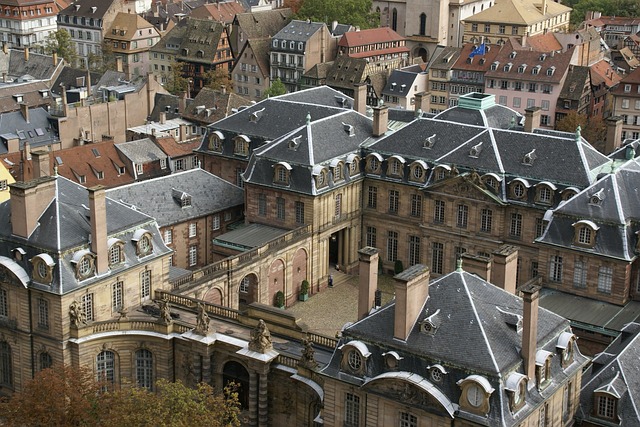
Palais Rohan is an elegant 18th-century palace that houses three prestigious museums: the Musée des Beaux-Arts, Musée Archéologique, and Musée des Arts Décoratifs. The architecture and interiors reflect French classical style, and visitors can explore the rich art collections and historical artifacts. Its central location near the cathedral makes it a cultural highlight for those visiting Strasbourg. Built for Cardinal Armand-Gaston de Rohan-Soubise, it hosted Marie Antoinette en route to marry Louis XVI. Napoleon Bonaparte slept here in 1806 and later displayed his coronation robe in the Decorative Arts Museum. The Egyptian mummy in the Archaeological Museum was a gift from Muhammad Ali Pasha in 1852. The palace’s grand salon features a ceiling fresco of Apollo’s chariot by Joseph Melling. During the Revolution, the building was renamed "Palais National" to erase its royal ties.
Ads place
Ads place
Ads place
Ads place
Ads place
Parc de l'Orangerie in Strasbourg, France

Parc de l'Orangerie

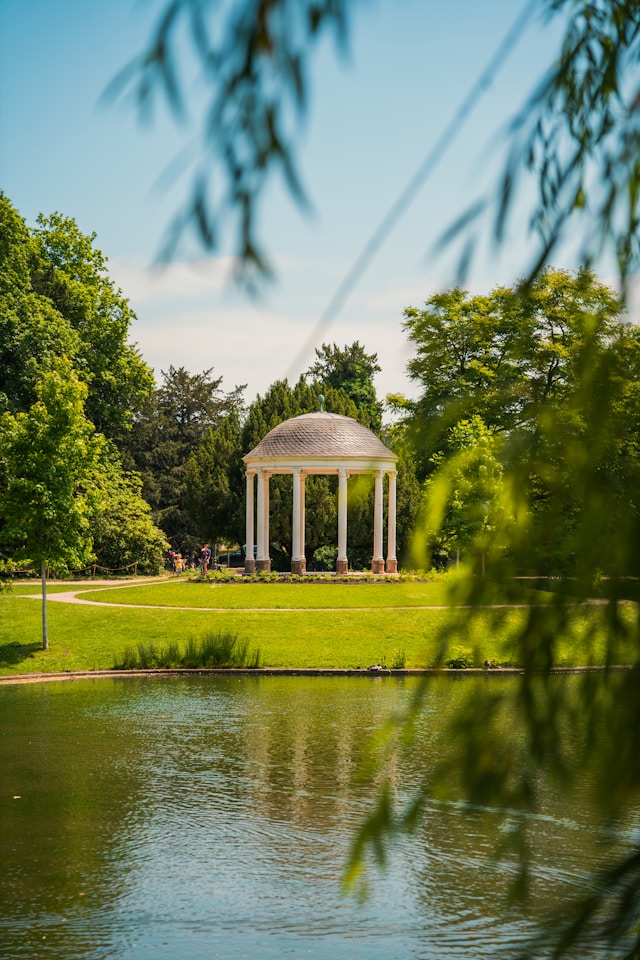
Parc de l'Orangerie is Strasbourg's oldest and most popular park, located near the European institutions. With lush gardens, a boating lake, and a small zoo, it is perfect for family outings and leisurely strolls. The park's romantic atmosphere and scenic paths make it an ideal spot for picnics and relaxation. The central pavilion and fountains add to its charm. Napoleon Bonaparte ordered its creation in 1804 to store orange trees confiscated from Château de Bouxwiller. A secret WWII German bunker lies beneath the rose garden. The park’s stork reintroduction program began in the 1970s – today, 40+ storks nest here annually. The Buvette du Lac café (1904) still serves hot chocolate in vintage porcelain cups. In 1920, the park hosted the first Alsace-Lorraine fair celebrating post-WWI reunification with France.
Ads place
Ads place
Ads place
Ads place
Ads place
Parlement Européen in Strasbourg, France

Parlement Européen

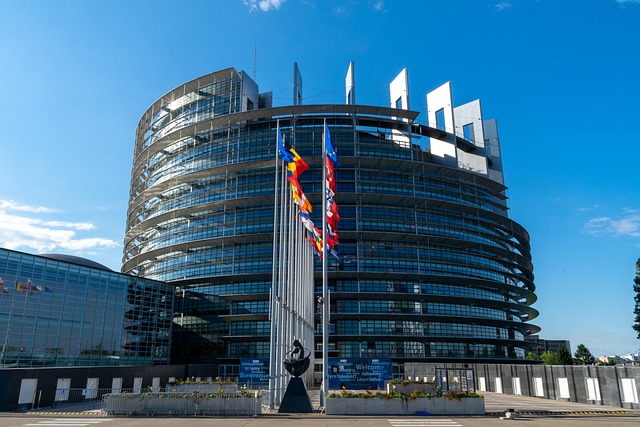
The European Parliament in Strasbourg is a significant symbol of European unity and democracy. Visitors can tour this impressive building to learn about its role in shaping EU policies. The striking modern architecture contrasts with the historic city, showcasing Strasbourg's status as a center for international governance. The guided tours offer insights into the work of the European Parliament and its impact on European citizens. The Louise Weiss Building (1999) resembles an unfinished tower, symbolizing the EU’s ongoing evolution. Over 5,000 translators work here to handle the EU’s 24 official languages. The hemicycle debating chamber seats 751 MEPs under a dome representing "openness to the world." The building’s solar panels generate 10% of its energy needs. A secret tunnel connects it to the nearby Council of Europe for secure diplomacy.
Ads place
Ads place
Ads place
Ads place
Ads place
Place Gutenberg in Strasbourg, France

Place Gutenberg

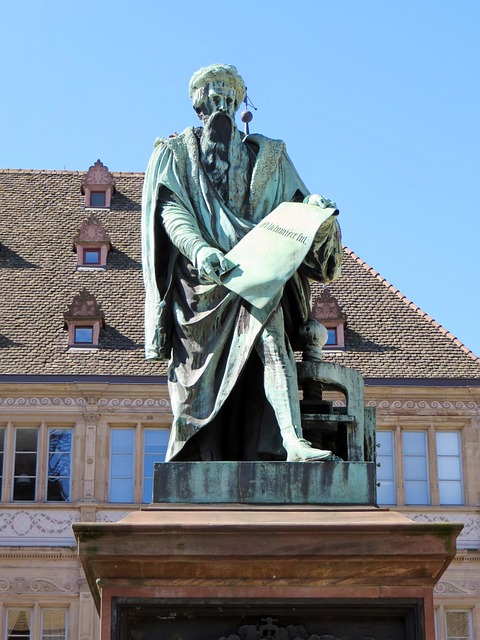
Place Gutenberg, named after the inventor of the printing press, Johannes Gutenberg, is a bustling square in Strasbourg's city center. It features a statue of Gutenberg and is surrounded by cafes, shops, and historic buildings. The square hosts various markets and cultural events throughout the year, making it a lively spot for both locals and tourists. Gutenberg developed his printing press here from 1434-1444. The statue (1840) shows him holding a Bible – the pages list Strasbourg’s 15th-century printing guild members. The square’s Chambre de Commerce building (1585) has a secret spiral staircase used by merchants to spy on competitors. The square’s annual Book Fair (since 1987) attracts publishers from across Europe. Beneath the cobblestones, archaeologists found 12th-century parchment fragments from Strasbourg’s first paper mill.
Ads place
Ads place
Ads place
Ads place
Ads place
Place Kléber in Strasbourg, France

Place Kléber

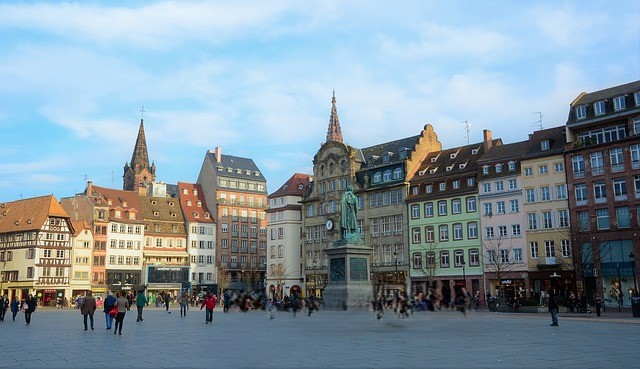
Place Kléber is the largest square in Strasbourg, located in the heart of the city's commercial district. Named after General Jean-Baptiste Kléber, it is a lively spot surrounded by shops, cafes, and historical buildings. During the holiday season, the square hosts a giant Christmas tree and market, drawing crowds with festive lights and events. The square is a popular meeting place and a hub of activity year-round. Beneath the square lies a medieval cemetery discovered during 2006 tramway excavations. Kléber’s mummified heart is entombed in a bronze urn beneath his statue. The 30-meter Christmas tree uses 7 km of lights – a tradition started by Alsatian soldiers returning from WWII. The Aubette building (1765) on the square houses a 1920s avant-garde interior designed by Theo van Doesburg. In 1793, revolutionary crowds burned royalist writings here in a "bonfire of vanities."
Ads place
Ads place
Ads place
Ads place
Ads place
Ponts Couverts in Strasbourg, France

Ponts Couverts

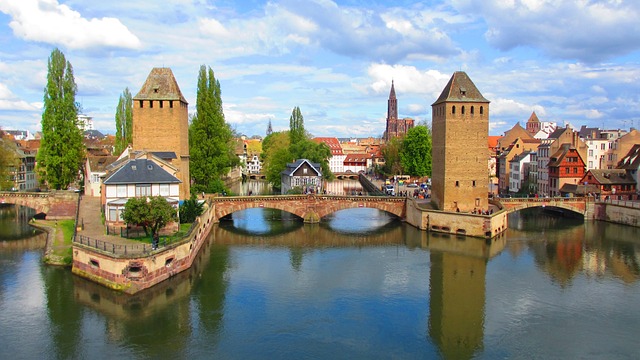
The Ponts Couverts are a set of historic bridges and towers that were once part of Strasbourg's medieval fortifications. Located at the edge of the Petite France district, they offer a picturesque view of the city's waterways and half-timbered houses. The bridges are an iconic part of Strasbourg's skyline and provide a perfect spot for photography and sightseeing. Despite the name ("Covered Bridges"), the wooden roofs were removed in 1784. The 13th-century towers held prisoners during the Reformation. During WWII, the bridges were mined for demolition but saved by a German officer who ignored orders. The Tour des Bourreaux (Torturer’s Tower) displays original iron shackles used on prisoners. Engineers designed the bridges’ arches to withstand ice floes from the River Ill.
Ads place
Ads place
Ads place
Ads place
Ads place