
City view of Struga, North Macedonia

Struga

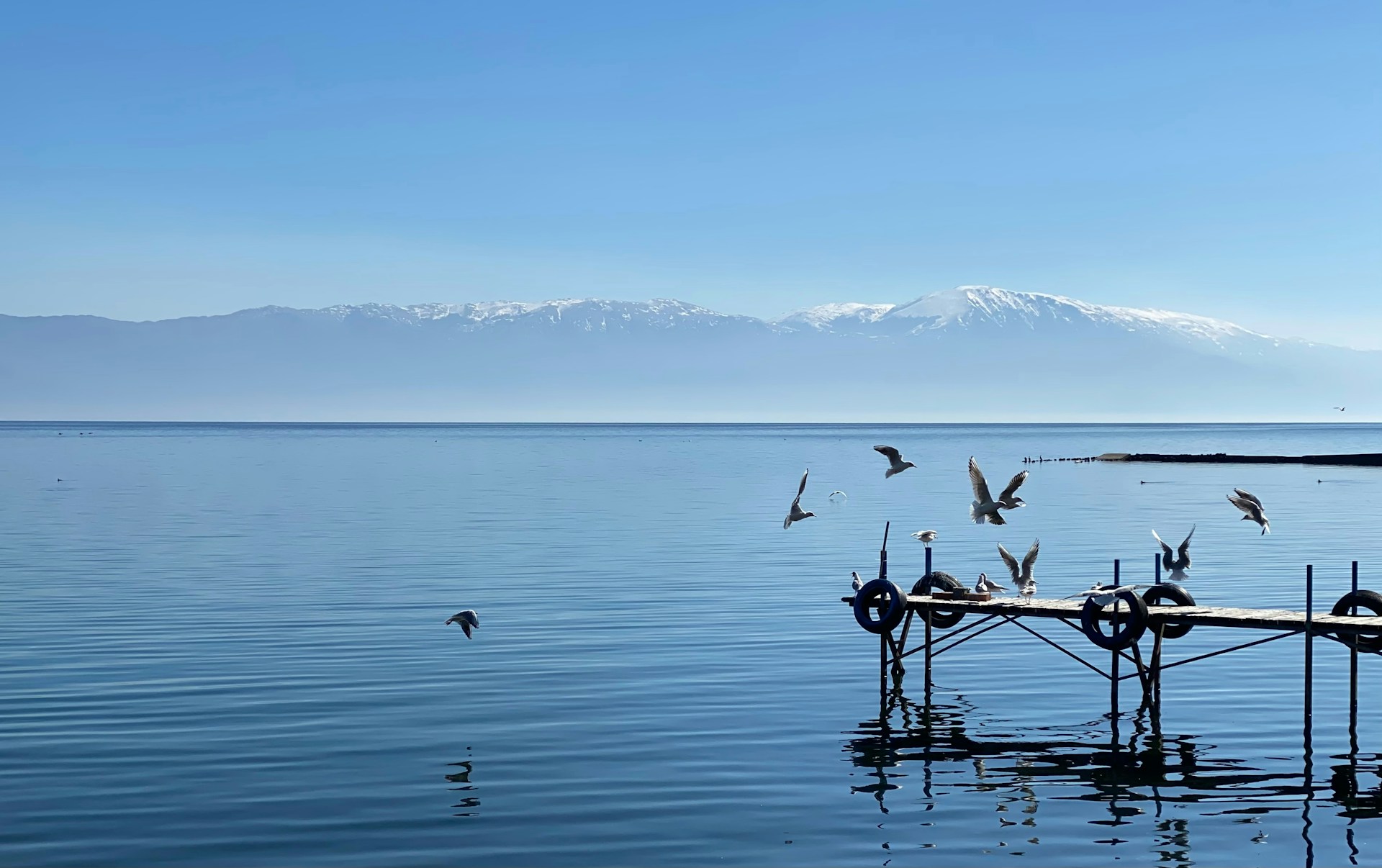
Struga is poetry with a shoreline. The Drim River slips from Lake Ohrid and threads the town with bridges perfect for lingering and people watching. Each summer the Struga Poetry Evenings turn verses into street music while cafes debate the sweetness of Turkish coffee. Beaches line the lake where families picnic on stuffed peppers and fishermen bring in trout that tastes like sunlight. The bazaar keeps silverwork tradition alive and guesthouses offer balconies that collect moonlight. Rent a bike to explore lakeside villages or hire a boat to follow the Drim as it meanders toward the sea. Evenings bring readings on bridges and the hush of anglers at the river mouth. Order trout and sarma with a glass of local wine and watch toasts multiply. Bookshops face the river and sell postcards that resemble future memories. Morning swims feel like small pilgrimages and the day begins with an unplanned grin.

Top attractions & things to do in Struga

If you’re searching for the best things to do in Struga, this guide brings together the top attractions and must-see places to visit in Struga. The top picks below highlight the most visited sights for first-time visitors, plus a few local favorites worth adding.

Dr. Nikola Nezlobinski Museum in Struga, North Macedonia

Dr. Nikola Nezlobinski Museum

In a handsome early 20th century building, a curiosity became a collection and then a city's pride: a natural history museum shaped by Dr Nikola Nezlobinski. The Russian emigre arrived with a field kit and an eye for detail, gathering birds, insects and entomology notes from reed beds and river marshes. Carefully staged dioramas give foxes their midnight shine and herons their shy poise, while jars of specimens reveal the region's intricate web of life. Display cases also protect surgical tools and field notebooks that sketch a physician's day in this borderland of water and stone. School groups press to the glass, travelers linger longer than planned, and staff guide visitors outdoors to spot kingfishers along the Black Drim. You leave with new respect for the archives of the landscape, and a quiet wish to keep its rhythms intact. In a quiet upper room, a topographic relief maps the basin from mountain snow to lake reed bed, turning geography into a story you can trace with a finger.
Ads place
Ads place
Ads place
Ads place
Ads place
Drim River Promenade in Struga, North Macedonia

Drim River Promenade

Follow the river where the city breathes easiest, a tree lined walkway that keeps step with the Black Drim as it glides from Lake Ohrid toward open country. Cafes lean over the water and fishermen trade anecdotes with strollers, while swallows stitch the dusk above the current. Built around graceful stone bridges, the promenade frames Strugas everyday theatre: markets, musicians, and children racing scooters under plane trees. History is close at hand; this channel is the lakes only outflow, and its banks long linked the Struga Charshija to the summer villas upriver. Sunrise brings runners and coffee steam, noon draws painters to the railing, and evening sets the lamps blinking across the water like constellations. If you pause at mid span you can hear two rhythms at once, the river below and the town around you. It is a simple pleasure done perfectly: a place to walk, look, and breathe in time with the water.
Ads place
Ads place
Ads place
Ads place
Ads place
Kalishta Monastery in Struga, North Macedonia

Kalishta Monastery

On a quiet bay west of town, a monastery settles among reeds and willows where the lake sighs against a pebble shore. The complex grew around a cave church whose frescoes date to the 14th century, their pigments still tender in morning light. Pilgrims come to venerate a revered Black Madonna, while boatmen point to hermit cells chiseled into the limestone above. Inside the newer church, a carved iconostasis and silver processional crosses mark centuries of careful devotion. On feast days, the bells roll across the bay and skiffs stitch the water into bright seams. The air smells of beeswax and the breath of Lake Ohrid; the paths are soft with pine needles that quiet the footstep and steady the mind. Take a skiff at sunset and watch the dome catch fire, then fade to blue as the first star pricks the surface; even the wind seems to whisper a short benediction.
Ads place
Ads place
Ads place
Ads place
Ads place
Radozda Cave Church of Archangel Michael in Struga, North Macedonia

Radozda Cave Church of Archangel Michael

Clinging to a cliff hermitage above the lake panorama, a tiny church honors the Archangel Michael with frescoes that glow despite centuries of weather. The first cells were hewn in the rock by anchorites and expanded in the 13th century and 14th century, when painters covered the sanctuary with quiet blues and golds. The path up from the village of Radozda threads through fig trees and terraces before delivering a balcony of air and water. From the porch you can watch fishing skiffs tack home while swallows script quick loops under the ledge. Carved crosses along the entrance bear fingerprints worn smooth by generations, and the acoustics fold a whispered prayer back to the listener. It is a hard place to leave, because stone, pigment, and lake light have agreed on a single, peaceful story that lingers long after you descend. At sunset, the cliff faces glow copper, and the lake turns to hammered glass, a last blessing for the road.
Ads place
Ads place
Ads place
Ads place
Ads place
Struga Poetry Evenings and the Bridge of Poetry in Struga, North Macedonia

Struga Poetry Evenings and the Bridge of Poetry

When August arrives, the town turns a page and the river becomes a stage, as poets and listeners gather for open air readings that drift over the water. Founded in 1962, Struga Poetry Evenings welcomes laureates and first books alike, all stepping to the Bridge of Poetry to speak lines into the evening breeze. The signature Golden Wreath honors lifelong achievement, while translators huddle by the rail comparing drafts between performances. Programs thread languages from four continents into one night, and the river seems to carry every syllable gently downstream. Crowds pack the quays, cafes hum past midnight, and a hush falls whenever a metaphor lands just right. Bookstalls bloom along the promenade, school students memorize new favorites, and elders recite verses learned in their own youth. Arrive early, claim a place on the wall, and watch the city remember itself as a capital of the spoken word; linger late, and you will leave believing that poetry can change the temperature of the air.
Ads place
Ads place
Ads place
Ads place
Ads place