
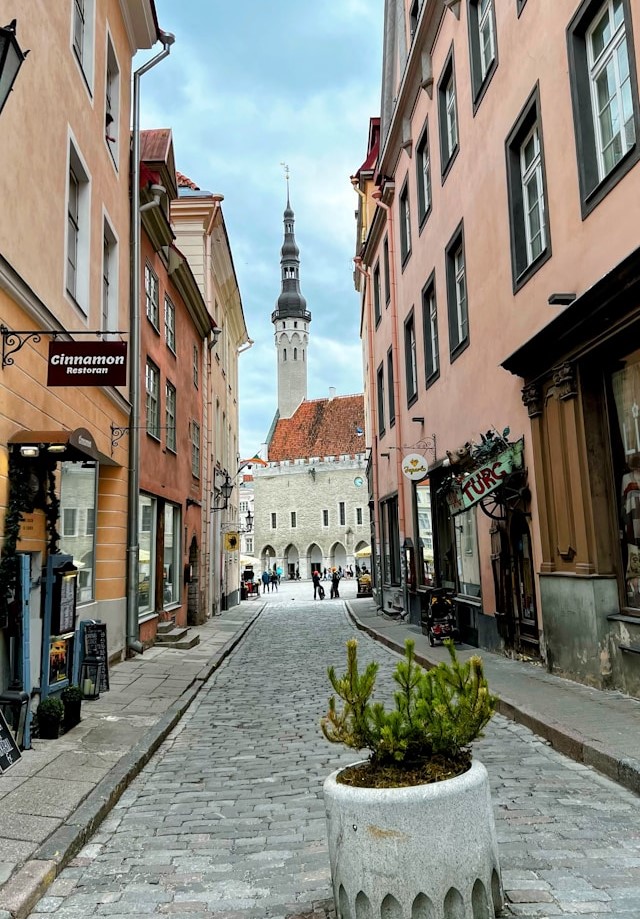
Tallinn Old Town
In Tallinn, Estonia .
More places to visit in Tallinn
Discover more attractions and things to do in Tallinn.
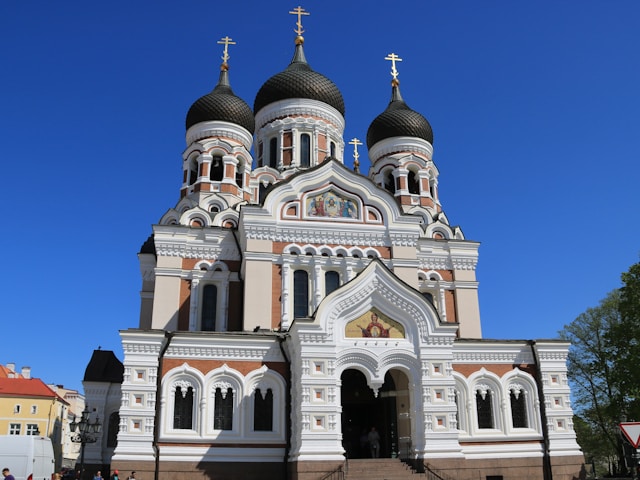
Alexander Nevsky Cathedral
Alexander Nevsky Cathedral stands prominently on Toompea Hill as Tallinn’s finest example of Russian Revival architecture. Built 1894-1900 under imperial rule and dedicated to Saint Alexander Nevsky , the church displays five gleaming onion-shaped domes crowned by gold crosses. An elaborate façade of mosaics depicts saints and historic scenes, while inside a towering iconostasis of gilded oak separates the nave from the sanctuary. Visitors admire frescoed ceilings, crystal chandeliers, and marble floors reflecting candlelight during daily liturgies. Once a symbol of domination, the cathedral now hosts choir concerts and guided tours explaining its masterful craftsmanship and complex past. A landscaped plaza frames photo vistas of medieval towers, and nearby cafés serve honey cakes and poppy-seed rolls. At dusk, bronze bells peal, domes glow in sunset hues, and choral hymns drift across the Old Town skyline—making Alexander Nevsky Cathedral a profound spiritual and architectural highlight.
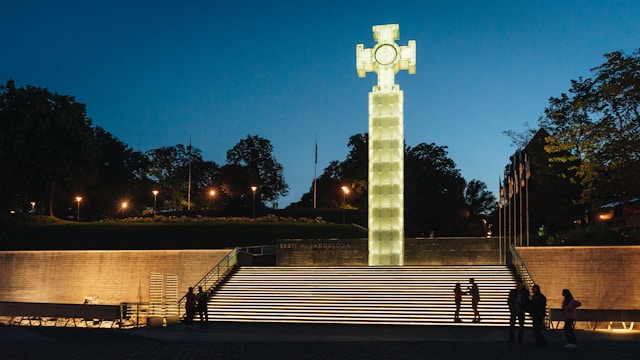
Freedom Square
Freedom Square ( Vabaduse Väljak ) stretches beside Tallinn’s Old Town walls , crowned by a luminous Glass Cross Monument honoring the War of Independence 1918-1920 . Sleek granite paving and reflecting pools invite quiet contemplation, while Victory Day parades, jazz festivals, and winter skating rinks enliven the open space. Informational panels chart Estonia’s path from Soviet occupation to restored statehood. Cafés around the plaza serve rye-bread sandwiches and sea-buckthorn mousse to sun-seekers on terrace seating. At sunset, LED illumination washes the cross in blue, black, and white, mirroring the national flag. Fusing minimalist design with patriotic symbolism, Freedom Square anchors Tallinn as a gathering ground for civic pride and cultural celebration.
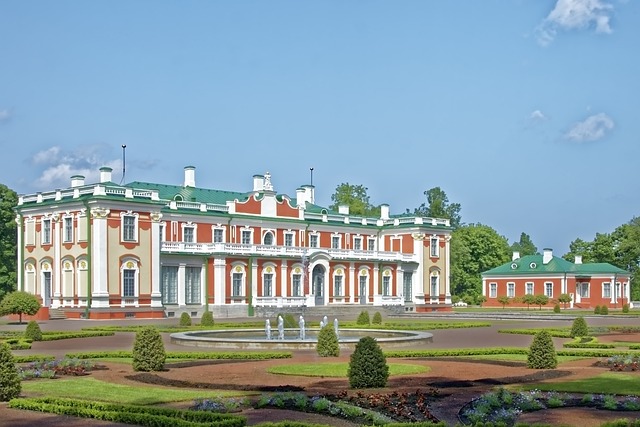
Kadriorg Palace
Kadriorg Palace , commissioned by Peter the Great in 1718 , epitomizes Estonian Baroque architecture amid the fountains and lindens of Kadriorg Park . Built for Empress Catherine I , its stuccoed façades and marble staircases lead to salons draped in silk damask, gilt mirrors, and Italian ceiling frescoes. Rotating art exhibitions fill the grand hall, while intimate concerts echo through oval drawing rooms. Outside, manicured parterres flow toward a pond-rimmed Japanese Garden , and the Tropical House nurtures orchids beneath glass domes. Guided tours reveal hidden servants’ passages and Peter’s personal study; evening light festivals bathe hedges in color. Visitors sip cardamom coffee at the palace café, watching swans glide across mirror pools and children sail toy boats. Blending imperial history, horticultural beauty, and vibrant cultural programming, Kadriorg Palace offers a sumptuous escape only minutes from Tallinn’s urban buzz.
Kumu Art Museum
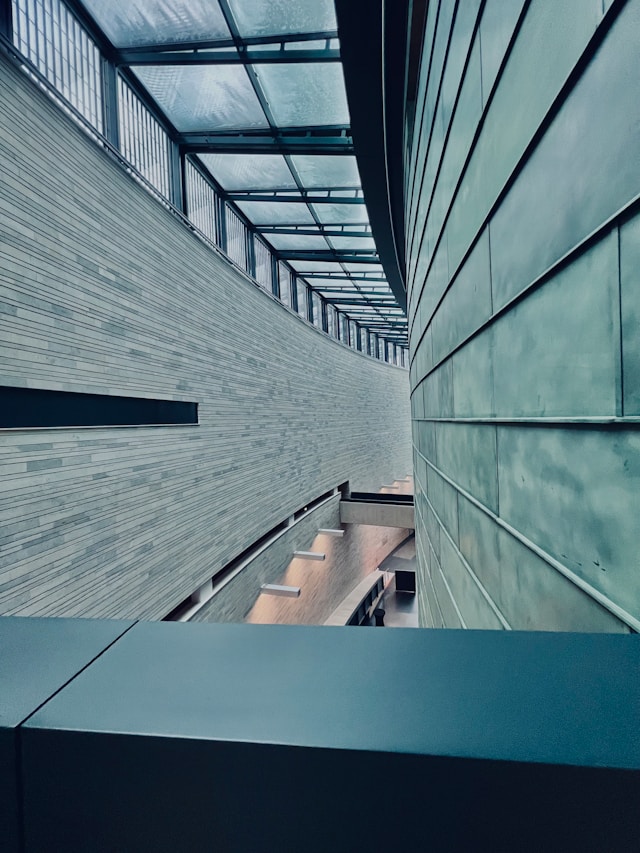
Kumu Art Museum rises in Kadriorg Park as Estonia’s flagship gallery of modern culture. Opened in 2006 , its sweeping limestone and glass arcs shelter four levels of exhibits spanning romantic landscapes, Soviet-era social realism, and contemporary installations . Masterpieces by Konrad Mägi , Eduard Wiiralt, and Jaan Toomik share space with rotating international shows. Sunlight pours through a central atrium onto a kinetic media sculpture, guiding visitors toward interactive stations where digital brushes and VR headsets spark creativity. A rooftop terrace hosts summer film screenings; the auditorium stages artist talks and chamber concerts. Floor-to-ceiling café windows overlook oak groves as patrons sample spruce-tip pastries. Eco-friendly design, dynamic programming, and world-class collections make Kumu a beacon of Estonia’s innovative artistic spirit.
St. Olaf's Church
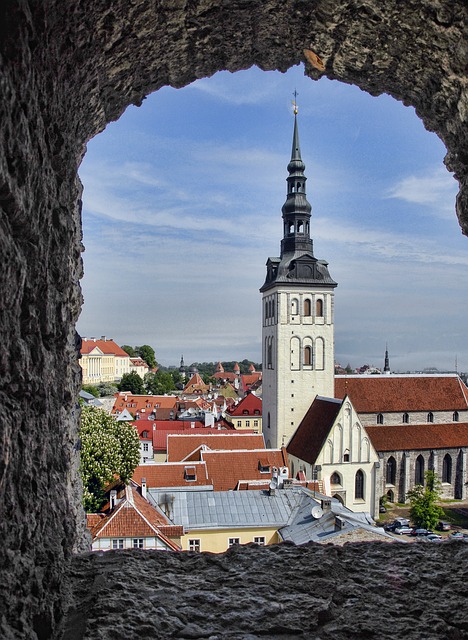
St. Olaf’s Church , consecrated in the 12th century , thrusts its 1775 spire skyward as Tallinn’s defining Gothic masterpiece . Dedicated to King Olaf II of Norway, the stone basilica shelters rib-vaulted aisles, an oak pulpit carved with apostles, and flickering brass chandeliers. Brave the 232-step spiral to an open gallery for 360° panoramas spanning red rooftops and the shimmering Baltic Sea . Below, a 38-stop baroque organ powers lunchtime recitals, while seasonal candlelit services bathe stained-glass saints in warm glow. Exhibits chronicle lightning strikes, spy-era radio antennas, and the tower’s former title as world’s tallest. Adjacent crypts reveal merchants’ tombstones weathered by centuries. From maritime beacon to sacred sanctuary, St. Olaf’s blends spiritual calm, architectural drama, and unrivaled vistas into an unforgettable Tallinn experience.
Tallinna Raekoda
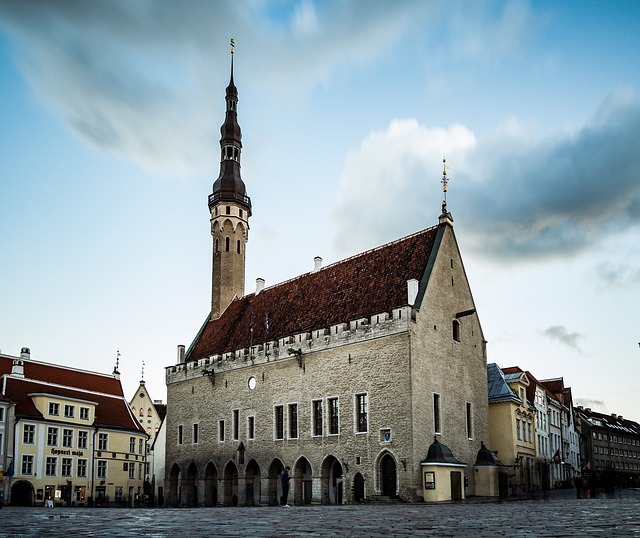
Tallinna Raekoda , built in the 13th century , ranks as Northern Europe’s oldest Gothic town hall , its 64-meter tower crowned by weather vane Old Thomas . Overlooking Raekoja Plats , the stone edifice boasted vaulted council chambers where Hanseatic merchants debated tariffs and treaties. Inside, carved benches, painted ceilings, and the still-operating Town Hall Pharmacy narrate civic life across seven centuries. Seasonal Christmas markets blanket the square with fir-scented stalls and twinkling lights, while open-air concerts resonate beneath arched windows in summer. Visitors ascend narrow stairs to the belfry for vistas of spires, red roofs, and the Gulf of Finland. Preserved medieval architecture and vibrant public use make Tallinn Town Hall a living emblem of the city’s Hanseatic heritage and communal identity.
Telliskivi Creative City
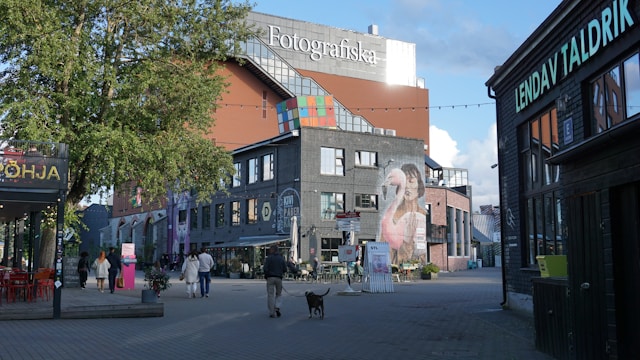
Telliskivi Creative City , repurposed from a 19th-century industrial complex , pulses with Tallinn’s boldest street art murals and design ateliers. Home to Fotografiska Tallinn , co-working lofts, and zero-waste cafés, the district hosts a weekly flea market brimming with vinyl records and Baltic linens. The annual Craft Beer Festival and Night of Arts fill courtyards with jazz riffs, microbrews, and neon projections. Makers’ workshops teach screen printing, ceramics, and 3-D prototyping, fostering hands-on innovation. At dusk, Edison bulbs twinkle above food-truck alleys serving Nordic-Asian tacos and cloudberry ice cream. Seamlessly melding heritage brickwork with start-up energy, Telliskivi exemplifies Tallinn’s ongoing urban revitalization and collaborative creativity.
Toompea Castle
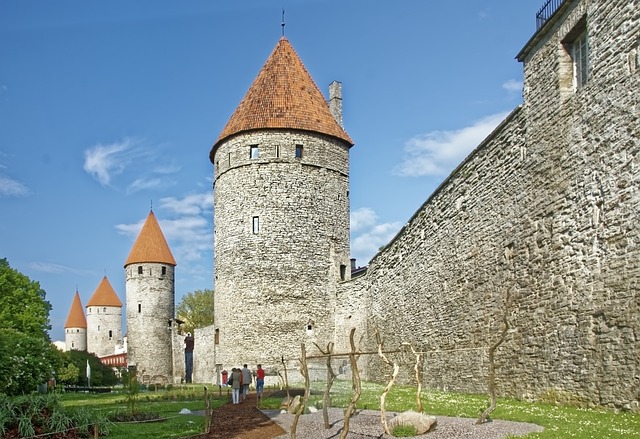
Toompea Castle is a historical fortress perched atop Toompea Hill , its origins tracing to the 9th century when a wooden stronghold guarded the coast. Over time, crusader knights, Danish kings, and Swedish governors rebuilt and expanded it, weaving together medieval ramparts and a graceful baroque façade added during Catherine the Great’s reign. Today the castle houses the Riigikogu , Estonia’s parliament, where laws are debated beneath vaulted ceilings. Visitors stroll through rose-lined gardens, pausing at Tall Hermann Tower —a 45-meter beacon where the Estonian flag rises each dawn to the national anthem. Panoramic terraces reveal red-tiled roofs of Tallinn Old Town meeting Baltic skies. Exhibits trace Estonia’s path from knightly duchy to digital republic, and evening illuminations tint pink walls gold. With strategic clifftop views, layered architecture, and living political symbolism, Toompea Castle embodies the resilient spirit of Estonia’s nationhood.
Viru Gate
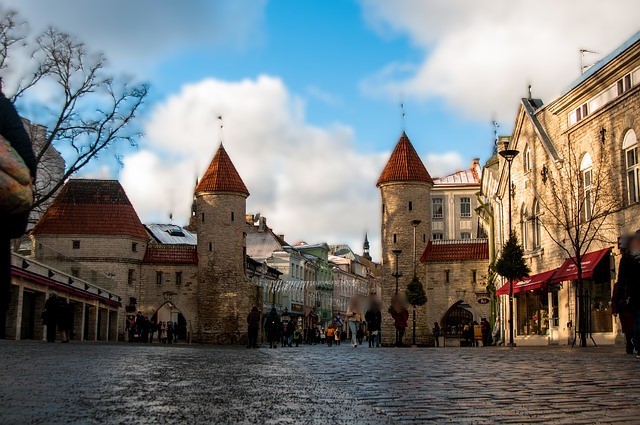
Viru Gate marks the storied entrance to Tallinn’s UNESCO Old Town , its paired 14th-century towers rebuilt by the Brotherhood of Blackheads . Beneath their limestone battlements, florists and craft stalls line the cobbles of bustling Viru Street . Daylight reveals amber jewelry, hand-loomed linen, and marzipan figurines; nightfall bathes Gothic walls in lantern glow. Summer medieval fairs summon archers, minstrels, and armored knights who reenact sieges once turned at these gates. Storyboards recount customs duties and plague quarantines enforced here centuries ago. Framing postcard views of church spires beyond, Viru Gate stands as both protective threshold and lively welcome to Tallinn’s timeless heart.