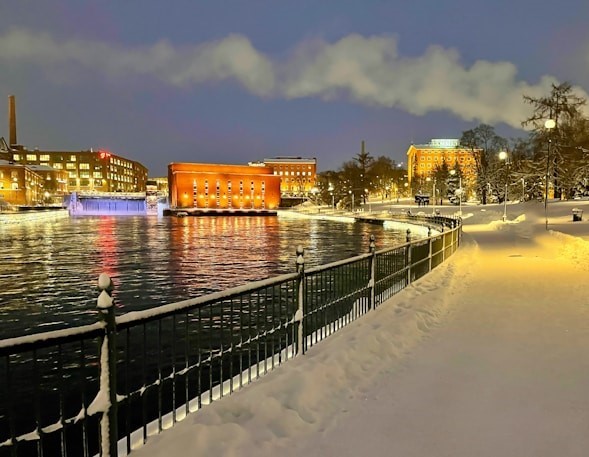
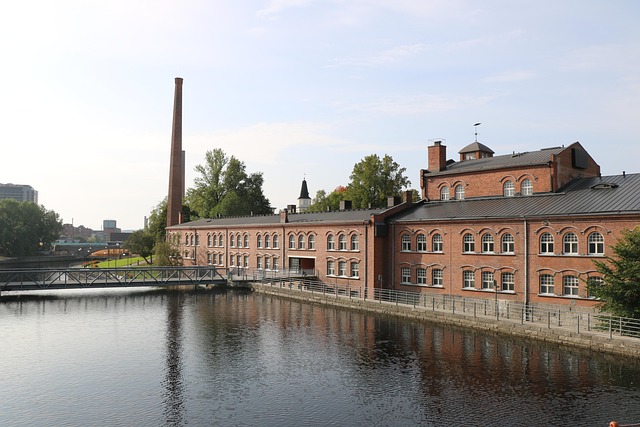
City view of Tampere, Finland

Tampere

Tampere grew between Lakes Nasinjarvi and Pyhajarvi as an industrial powerhouse, founded in 1779 and later defined by cotton mills along the Tammerkoski rapids. Red brick factories now hold cafes, galleries, and the Vapriikki museum complex, where history and games share the same corridors. Climb the Pyynikki observation tower for lake views and a fresh donut, then browse Tammelantori market for sausages and berry jam. The Moomin Museum adds a playful detour, while Finlayson area evenings fill with craft beer and street food. Sauna is a local sport at Rajaportti, established in 1906, where regulars swap tips on the perfect steam. Try mustamakkara blood sausage with lingonberry jam, a classic that divides first timers. A surprising fact: the city has more lakeshore per resident than many coastal towns, so even a short tram ride can end at a swim pier.

Top attractions & things to do in Tampere

If you’re searching for the best things to do in Tampere, this guide brings together the top attractions and must-see places to visit in Tampere. The top picks below highlight the most visited sights for first-time visitors, plus a few local favorites worth adding.

Finlayson Industrial Area in Tampere, Finland

Finlayson Industrial Area

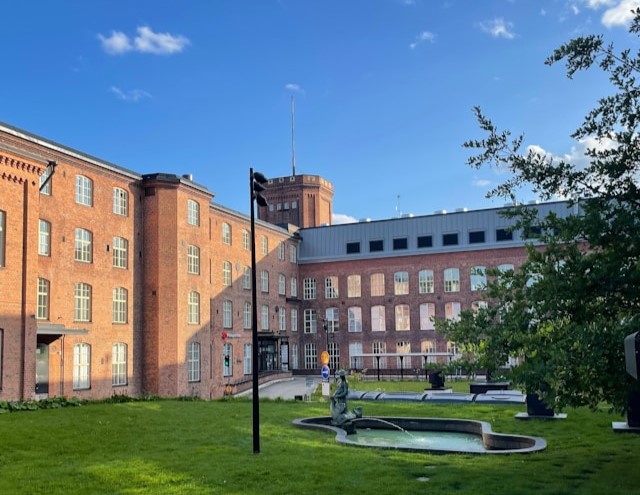
Finlayson explains why Tampere feels like a city built around work, and a walk through the former factory district reads in brick, water, and courtyards. The mill was founded in 1820 by Scottish industrialist James Finlayson, pulled in by the hydropower of Tammerkoski rapids. After the sale in 1836 to new owners from St. Petersburg, the complex grew into a campus of red-brick mills, warehouses, and worker services. Today the looms are gone, but the scale remains: tall windows, heavy doors, and passages that lead you toward cafes, cinemas, and small design shops. Step into the Finnish Labour Museum Werstas, set in one of the oldest buildings on site, for a grounded look at textiles, printing, and everyday life behind the factory gates. Outside, slow down on the bridges and listen to the water; it is the same current that powered the industry, now turned into atmosphere. Come after dark when the facades are lit, and you will see how Tampere's past and present share the same skyline.
Ads place
Ads place
Ads place
Ads place
Ads place
Keskustori Square in Tampere, Finland

Keskustori Square

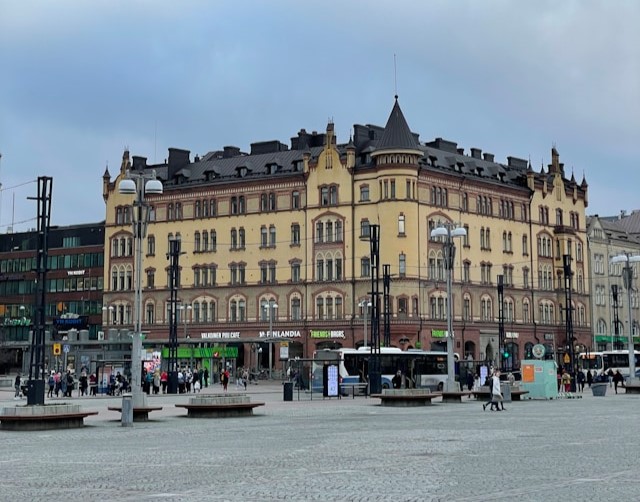
Keskustori is where Tampere gathers, a wide civic square that can feel like a quiet shortcut at noon and a public living room by evening. The space sits close to Tammerkoski, so you often hear water in the background even when the streets are busy. Around the edges, a ring of 19th-century facades mixes with shops and cafes, and the modern city glides through on tram lines that cut the paving in clean arcs. One corner is marked by the Old Church, built in 1824, which gives the square a historical anchor amid the daily movement. In winter, the open ground becomes a crisp plaza; in summer it hosts pop-up stages and casual street performances that make people linger. The best way to experience it is to slow down and watch the flow: trams, cyclists, and small groups crossing in waves. Follow the sightlines toward the river and you will see how Keskustori connects the old center to newer blocks without ever feeling like a museum piece.
Ads place
Ads place
Ads place
Ads place
Ads place
Museum Centre Vapriikki in Tampere, Finland

Museum Centre Vapriikki

Vapriikki turns Tampere's factory past into a compact museum day, and it works especially well when the weather pushes you indoors. The centre opened in 1996 inside former Tampella buildings by Tammerkoski, repurposing industrial halls into galleries with an easy flow. With roughly 14,000 m2 of space, exhibitions can be generous, so you are not squeezed even when families arrive in waves. A big draw is variety: you might start with the Finnish Museum of Games, pivot to regional history or media, and end up in a temporary show without leaving the same address. In 2017 the venue was highlighted nationally as a “Museum of the Century,” a nod to how well Tampere reuses old infrastructure. Look for the retained factory details, like heavy columns and tall windows that still feel made for work, not art. Plan a slow visit and you will notice how the sound of the river outside seeps into the mood, reminding you why industry settled here in the first place.
Ads place
Ads place
Ads place
Ads place
Ads place
Nasinneula Observation Tower in Tampere, Finland

Nasinneula Observation Tower

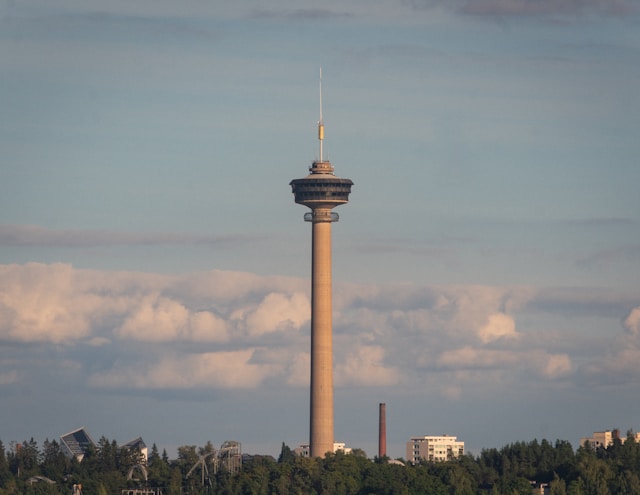
Nasinneula is the needle that pins Tampere's skyline to Lake Nasijarvi, and it works as a quick, high reset between museums and cafes. Opened in 1971, the tower rises 168 m, delivering one of Finland's classic urban panoramas. The lift gets you up fast, and the city reads as a map: Tammerkoski in the middle, red-brick factory blocks turned cultural venues, and forests starting close to the center. If you stay for a meal, the top restaurant sits around 124 m above ground and slowly revolves, often taking about 45 minutes for a full turn, so the view changes while you sit still. Late afternoon is best, when low light makes the bricks glow and the water turns dark steel. Even if heights are not your thing, the experience is surprisingly calm, more observatory than thrill, and it gives Tampere a sense of scale you cannot get at street level.
Ads place
Ads place
Ads place
Ads place
Ads place
Sarkanniemi Amusement Park in Tampere, Finland

Sarkanniemi Amusement Park

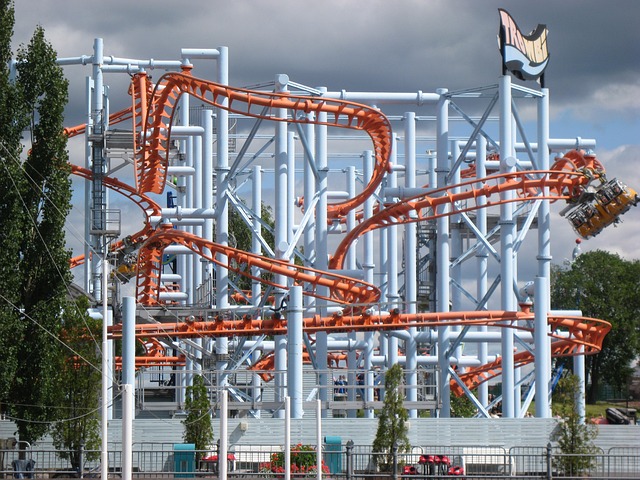
Sarkanniemi sits on a lakeside peninsula, so even the loudest roller-coaster moment has water and sky as a backdrop. The park opened on 1 May 1975 and the rides area covers about 50,000 m2, with roughly 29 rides spread out for wandering breaks. It is not only thrills: the aquarium dates to 1969 and holds around 550,000 liters of water, so you can swap adrenaline for dim, calming tunnels of fish and rays. Between rides, there is a planetarium and family-friendly corners that make the visit work for mixed groups, not just daredevils. Locals often come for a few hours, picking one headline ride and then drifting toward shoreline paths where Lake Nasijarvi keeps the air crisp. Arrive early, ride what you care about, and leave the tallest viewpoints for evening when the city lights begin to glitter. Even if you skip the coasters, the peninsula walk delivers that specific Tampere mix of nature and play.
Ads place
Ads place
Ads place
Ads place
Ads place
Tampere Cathedral in Tampere, Finland

Tampere Cathedral

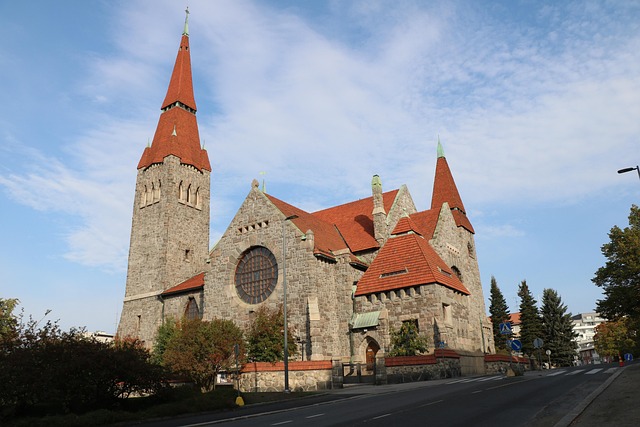
Start in the leafy district of Jussinkyla and you will soon feel the pull of Tampere Cathedral, where granite walls and symbolism meet everyday parish life. Built between 1902 and 1907 to plans by Lars Sonck, the church is a flagship of National Romantic architecture, with a tall tower that tops out around 64 m. Inside, the mood turns theatrical: frescoes by Hugo Simberg from the 1905-1906 period sparked debate for their dreamlike angels and darker themes. Even if you are not religious, the light on the pale stone, the carved details, and the echo under the vaults make the visit feel like a short immersion in early 20th-century Finland. Pause at the entrance to notice how the building sits slightly apart from the street grid, like a quiet hilltop stage. Come in late afternoon when the interior warms in tone, and give yourself a slow lap to read the paintings before you head back to the cafes of the center.
Ads place
Ads place
Ads place
Ads place
Ads place
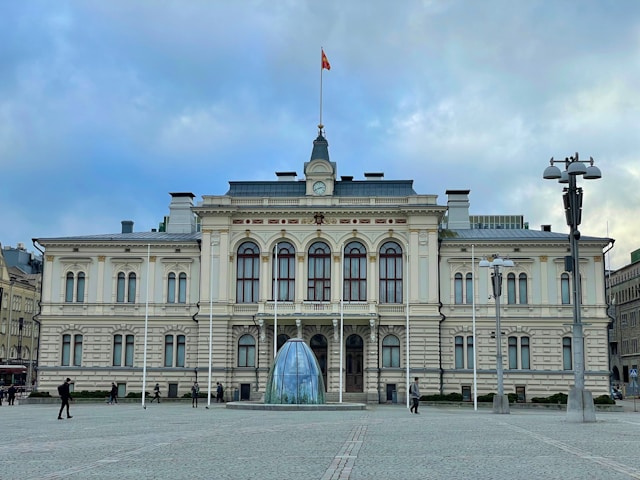
Tampere City Hall in Tampere, Finland

Tampere City Hall

Right on the city's main square, Tampere City Hall feels like a calm anchor for everything that happens around it, from markets to political speeches. Completed in 1890 and designed by Georg Schreck, the building is a confident piece of Neo-Renaissance civic architecture, with tall arched windows, layered cornices, and a tidy clock tower that keeps the skyline polite rather than flashy. Its position on Keskustori means you can read Tampere's rhythm in one view: trams passing, people crossing the open paving, and seasonal events popping up in front. Look for the main entrance details and the symmetry that makes the facade feel formal, then step back to appreciate how the building frames the square like a stage set. Even if you never go inside, the exterior is worth a slow lap, especially in early morning when the stone looks cool and the square is almost empty. In the evening, the lights bring out the window arches, and the whole frontage feels quietly ceremonial.
Ads place
Ads place
Ads place
Ads place
Ads place
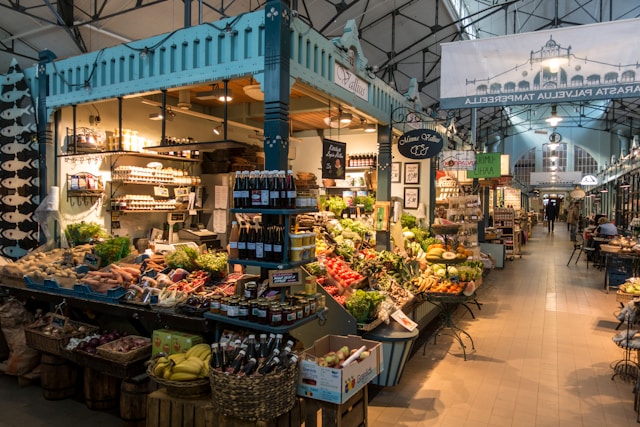
Tampere Market Hall in Tampere, Finland

Tampere Market Hall

On a cold day in Tampere, the quickest way to feel local is to step into the Tampere Market Hall and let the warmth reset your pace. Opened in 1901, it is widely billed as the largest market hall in the Nordic countries, with a floor area of about 2,100 m2 and aisles running between Hameenkatu and Hallituskatu. Historically the building held up to 174 sales outlets, and the spirit is still the same: fish counters, bakeries, cheese, coffee, and small lunch spots for an easy indoor crawl. Order salmon soup or a pastry, then watch office workers and students treat the hall as a daily shortcut, not a tourist detour. You can do a full lap in minutes, but the best moments happen when you slow down at a butcher's display or a spice shelf and listen to the steady background of knives and espresso machines. Arrive before noon for calmer browsing, and pick up something portable for a stroll outside.
Ads place
Ads place
Ads place
Ads place
Ads place
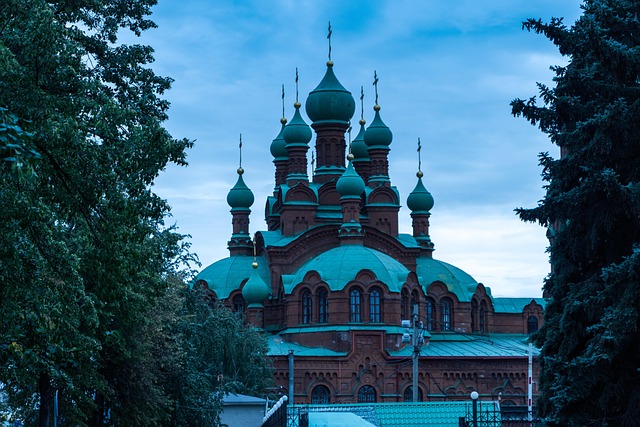
Tampere Orthodox Church in Tampere, Finland

Tampere Orthodox Church

You notice the silhouette first: domes and a tall tower rising from red brick, a reminder that Tampere has more layers than factory smoke and sauna steam. Tampere Orthodox Church, dedicated to Alexander Nevsky and St Nicholas, is often dated to 1899 and carries a clear Russian Revival mood in its arches and ornament. The onion domes are the headline, but the quieter details matter too, like the dark stone base, the tight window rhythm, and the way the building sits slightly apart from the street as if guarding its own calm. Step inside and the atmosphere shifts to candlelight, incense, and an iconostasis that draws your eye forward even if you do not know the rituals. The best time to visit is late afternoon, when low winter light makes the brick glow and the gold accents feel warmer. It is an easy stop on a city walk, yet it reads as a different architectural chapter than Tampere's usual mill blocks.
Ads place
Ads place
Ads place
Ads place
Ads place
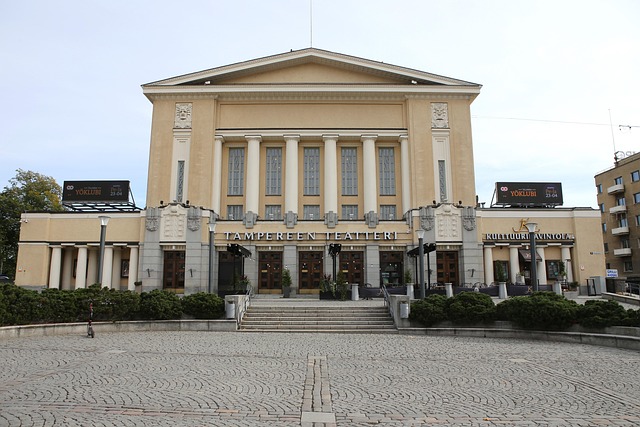
Tampere Theatre in Tampere, Finland

Tampere Theatre

The columned facade on the square is your clue: Tampere Theatre is one of the city's most dependable evening plans, whether you catch a classic drama or something modern and sharp. The company was founded in 1901, and the current building opened in 1913 to plans by Armas Lindgren, blending Art Nouveau touches with a civic, welcoming presence on Keskustori. Even before a performance, the front steps feel like a threshold where the city slows down for a moment, and the lobby lighting gives the place a warm, slightly retro glow. Because the theatre sits in the very center, it is easy to pair with dinner or a river walk, and you can arrive on foot from most sights in minutes. If you want the full experience, come early and watch the square fill up, then slip inside as the doors open and the street noise fades. After the curtain call, step back outside and notice how the building's symmetry holds the square together, even late at night.
Ads place
Ads place
Ads place
Ads place
Ads place