
City view of Tatabánya, Hungary

Tatabánya

Tatabánya, nestled between wooded hills and meadows in northwest Hungary, is famous for its industrial heritage and outdoor attractions. The city’s symbol, the colossal Turul bird statue perched atop a hill, commemorates Hungary’s mythical origins and offers breathtaking views over the valley below. Hike or bike through the Gerecse Mountains, discovering limestone caves, forest trails, and scenic picnic spots. The Szelim Cave, filled with legends, is a popular stop for adventurers. In town, the Mining Museum details the region’s coal-mining legacy, while new parks and playgrounds bring families outdoors. Summer brings music and beer festivals, with local bands performing under the open sky. Tatabánya’s blend of history, nature, and a friendly small-town vibe makes it a great base for exploring the surrounding countryside and the wonders of central Hungary. For birdwatchers, the region is also known for annual raptor migrations, drawing enthusiasts to spot rare eagles and falcons.

Top attractions & things to do in Tatabánya

If you’re searching for the best things to do in Tatabánya, this guide brings together the top attractions and must-see places to visit in Tatabánya. The top picks below highlight the most visited sights for first-time visitors, plus a few local favorites worth adding.

Arpad Spring in Tatabánya, Hungary

Arpad Spring

Arpad Spring is a picturesque natural water source located near Tatabanya, famed for its crystal-clear waters and historical significance. According to legend, the spring was named after Prince Arpad, leader of the Hungarian tribes in the 9th century, who supposedly rested here during his conquest of the Carpathian Basin. Over centuries, the spring became an important local landmark, renowned for its high-quality drinking water. Visitors today find a charming, peaceful area ideal for relaxation and picnics. The spring’s water is said to have therapeutic properties, attracting those seeking natural remedies. Nearby, a small chapel dedicated to Saint Elizabeth of Hungary further enhances the site's spiritual atmosphere. Additionally, several well-marked trails begin here, guiding visitors through surrounding forests and valleys teeming with wildlife. A lesser-known tradition is that local residents annually gather at Arpad Spring during festivals to celebrate historical heritage with folk music and traditional crafts, reaffirming its importance as both a natural and cultural treasure.
Ads place
Ads place
Ads place
Ads place
Ads place
Open-Air Mining Museum in Tatabánya, Hungary

Open-Air Mining Museum

The Open-Air Mining Museum in Tatabanya vividly captures Hungary's rich mining heritage through authentic exhibits and reconstructed mining facilities. Established on the site of the former Tatabanya Coal Mine, the museum preserves equipment, tunnels, and machinery dating back to the industry's peak in the early 20th century. Visitors can explore original mine shafts, complete with railway carts, drills, and safety equipment. The guided tours led by former miners provide firsthand accounts of their challenging and dangerous work conditions. An engaging feature is the interactive Mining Experience Tunnel, where visitors can witness simulated mining operations. A less-known fact is that the site operated continuously from 1896 until 1987, significantly contributing to Hungary’s industrial development. In addition to the industrial exhibits, the museum grounds include peaceful green spaces, sculptures, and memorials commemorating miners who lost their lives. This museum serves not only as a testament to the region’s industrial past but also as a poignant reminder of the human stories behind it.
Ads place
Ads place
Ads place
Ads place
Ads place
Selim Cave in Tatabánya, Hungary

Selim Cave

Nestled within the limestone cliffs near Tatabanya, Selim Cave offers a fascinating glimpse into Hungary's prehistoric past. Known locally as Szelim-barlang, the cave is notable for archaeological findings dating back over 100,000 years. Excavations here have unearthed ancient bones, tools, and artifacts belonging to the Neanderthal period. The cave's large entrance provides natural illumination, allowing visitors to explore comfortably and safely. Beyond its archaeological significance, Selim Cave holds a darker history—legend says that in the 16th century, local villagers sought refuge here from Ottoman invaders, ultimately meeting a tragic end. Today, hiking trails through lush forest lead to the cave, popular with outdoor enthusiasts and history buffs alike. During sunset, the cave entrance frames stunning views of the surrounding landscape, making it a favorite spot for photographers. This blend of natural beauty, prehistoric importance, and poignant legend makes Selim Cave an intriguing destination for visitors exploring Tatabanya’s rich heritage.
Ads place
Ads place
Ads place
Ads place
Ads place
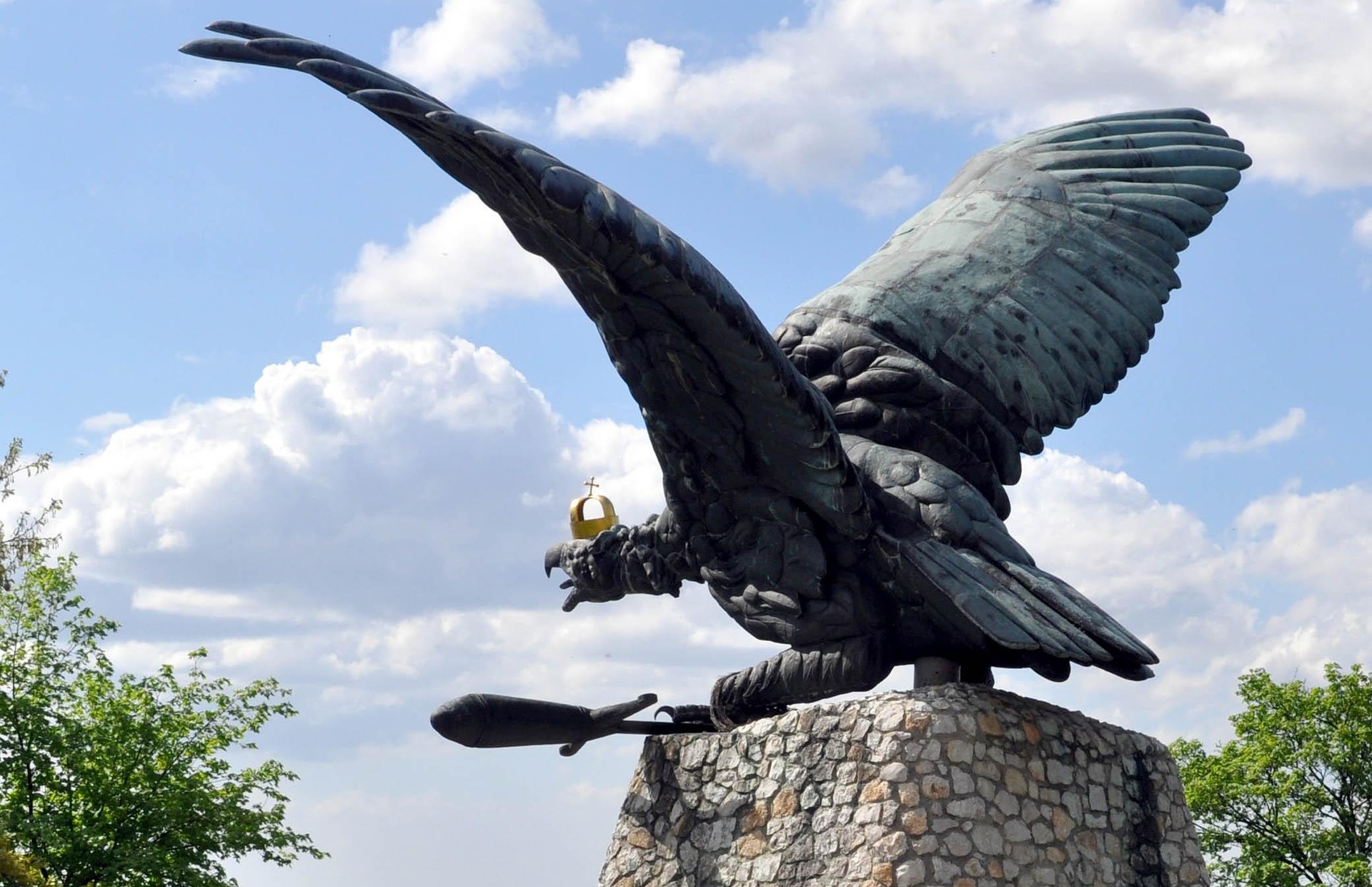
Turul Monument in Tatabánya, Hungary

Turul Monument

Perched atop Gerecse Mountain overlooking Tatabanya, the Turul Monument is one of Europe's largest bronze bird sculptures, symbolizing the legendary Hungarian bird, the Turul. Erected in 1907, it commemorates the Battle of Banhida in 907, a decisive Hungarian victory. Designed by sculptor Gyula Donath, this impressive monument has a wingspan of nearly 15 meters. The Turul represents ancient Hungarian mythology, signifying power, freedom, and rebirth. Visitors climb steep paths to reach this remarkable viewpoint, rewarded with sweeping panoramas of the region below, including picturesque valleys and towns. Beneath the sculpture, an inscription honors Hungarian heroes who fought for independence. Few know that during its installation, the statue was transported piece by piece via horse-drawn carts—a daunting task considering its massive size and weight. Today, the Turul Monument remains an iconic national symbol, cherished by locals and admired by visitors seeking Hungary's historical roots and breathtaking landscapes.
Ads place
Ads place
Ads place
Ads place
Ads place
Vertes Nature Park in Tatabánya, Hungary

Vertes Nature Park

Vertes Nature Park, stretching across the Vertes Hills near Tatabanya, is a vast expanse of preserved natural beauty known for its biodiversity, historical ruins, and scenic hiking trails. Declared a protected area in 1976, the park covers more than 30,000 hectares of dense forests, rolling hills, and unique karst formations. Wildlife here is abundant, with species like red deer, wild boars, and rare bird populations thriving in their natural habitats. Historical sites hidden within the park include medieval ruins, such as the remains of Csokako Castle, originally constructed in the 13th century. Numerous trails offer excellent opportunities for hiking, biking, and nature photography. A lesser-known attraction is the park’s network of ancient caves, some inhabited as early as the Bronze Age. Seasonal wildflower blooms in springtime add vibrant splashes of color across the park’s landscapes, attracting botanists and nature enthusiasts from across Europe. Vertes Nature Park embodies Hungary’s commitment to preserving its natural and historical treasures.
Ads place
Ads place
Ads place
Ads place
Ads place