
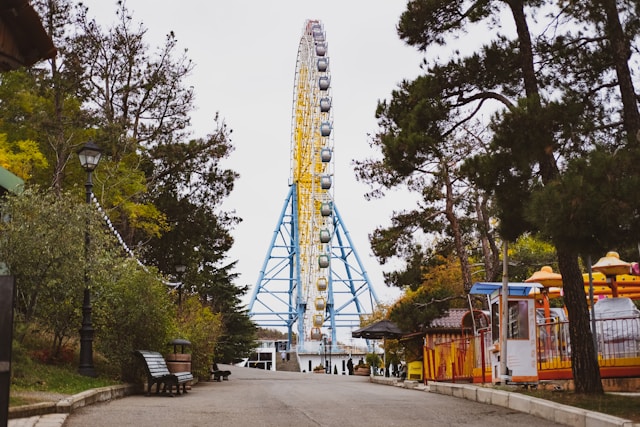
Mtatsminda Park & Funicular
In Tbilisi, Georgia .
More places to visit in Tbilisi
Discover more attractions and things to do in Tbilisi.
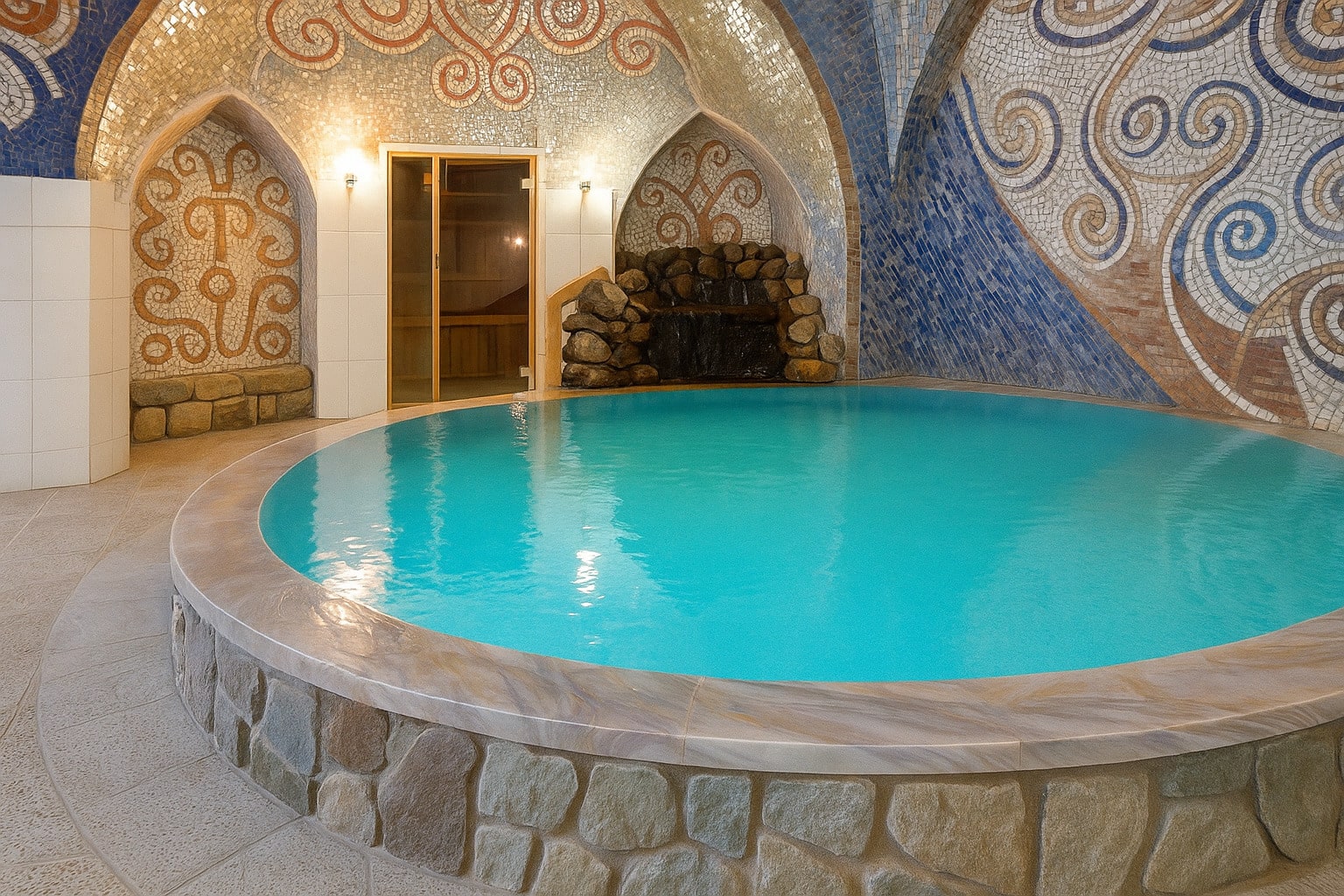
Abanotubani Sulfur Baths
Tucked beneath the Narikala Fortress, the Abanotubani district is famed for its domed sulfur bathhouses, some of which date to the 17th century . Fed by volcanic springs, the naturally heated waters were first documented in the 5th century and later popularized by Georgian kings for their reputed healing properties. The central Otkhazur (blue) bath features a turquoise-tiled dome and marble interiors lit by narrow skylights, while the Orbeliani (green) bath, established in 1897 , served the literary elite of Tbilisi. Each bath offers private soaking rooms with temperatures ranging from 38 °C to 45 °C, infused with minerals said to soothe skin and joints. Beyond bathing, Abanotubani’s winding lanes host cafés carved into the sandstone cliffs, and boutique hammams offer traditional massages with honey and clay. Whether seeking wellness or atmosphere, the sulfur baths remain an enduring symbol of Tbilisi’s connection to earth’s deep energies.
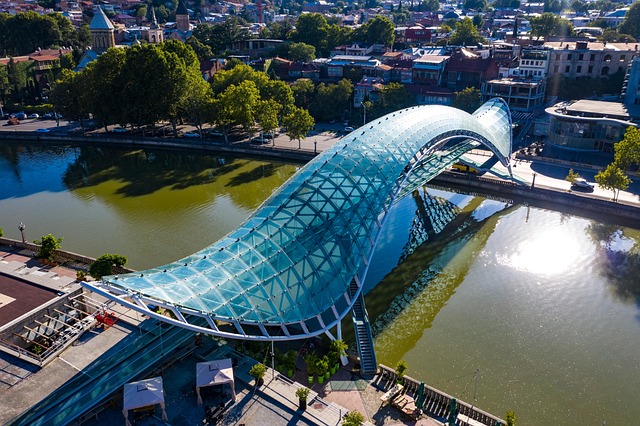
Bridge of Peace
Completed in 2010 and designed by Italian architect Michele De Lucchi, the Bridge of Peace is a 150 m-long steel-and-glass pedestrian span linking Old Town to Rike Park. Its undulating canopy is embedded with 1,200 LED panels that display dynamic light shows after sunset—an homage to Tbilisi’s resilience and renewal. Walking its transparent sections underfoot, visitors peer down to the green Mtkvari River and ancient fortress ramparts. The bridge’s sleek curves contrast sharply with nearby medieval structures, symbolizing the city’s blend of tradition and modernity. At the center, a circular plaza offers seating and views of Georgian National Museum on one side and Metekhi Church perched on rocky cliffs to the other. Since opening, it has become a popular gathering spot for street performers, photographers, and couples, cementing its status as an urban icon in the heart of Tbilisi.
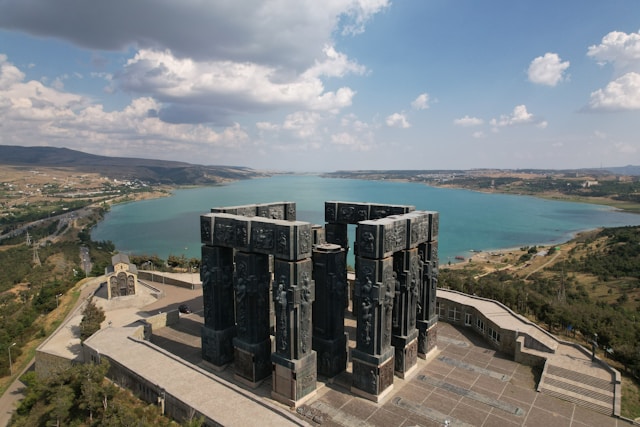
Chronicle of Georgia
Perched on a hillside overlooking the Tbilisi Sea, the Chronicle of Georgia is a monumental sculpture complex begun in 1985 by renowned artist Zurab Tsereteli . Comprised of 16 towering pillars—each standing over 30 m tall—the site presents more than 150 relief panels that chronicle Georgia’s rich history, from ancient kings to the adoption of Christianity in the 4th century . Visitors traverse a winding path between columns, discovering scenes of monarchs, saints, and cultural milestones in vividly carved stone. The pillars encircle a central plaza, where a raised platform offers sweeping panoramic views of the reservoir and surrounding hills. Despite its grand scale, the complex remains relatively off the beaten path , making for a peaceful encounter with Georgian heritage. At sunset, the warm light accentuates the sculptures’ textures, and the tranquil waters below mirror the towering forms above. This fusion of art, history, and landscape creates an unforgettable tribute to Georgia’s enduring spirit.
Dry Bridge Market
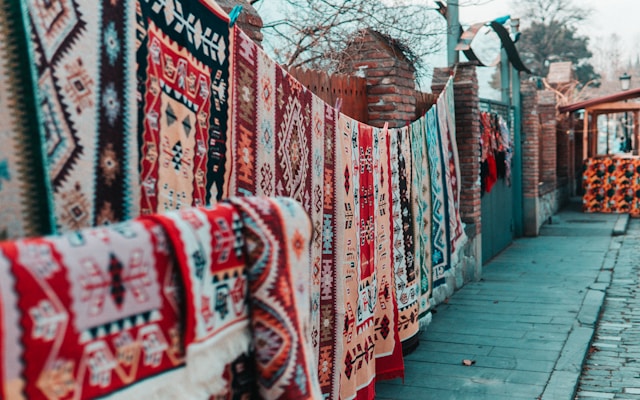
Since 1988 , the Dry Bridge Market has occupied a rust-stained railway bridge and surrounding lanes, transforming Soviet-era decay into a bohemian bazaar. Flea dealers display Soviet memorabilia—propaganda posters, Lada badges, and military medals—alongside second-hand jewelry, vinyl records, and handcrafted enamel icons. Among the stands, you might stumble upon a 1920s Georgian carpet or a rare issue of the Rustaveli Journal . Local artisans also sell fresh ceramics, silver filigree, and miniature wooden church models. Browsing here is as much about the vibrant characters—eccentric collectors and storytellers—as it is about the treasures themselves. On weekends, impromptu jazz ensembles set up next to food stalls serving khachapuri slices and pomegranate juice. Whether you’re tracing family histories or hunting for retro décor, the Dry Bridge Market offers a lively window into Tbilisi’s creative undercurrent.
Holy Trinity Cathedral (Sameba)
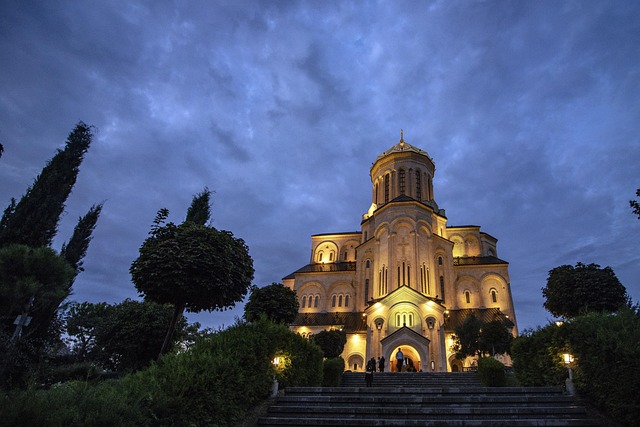
Rising over the skyline at 105 m, Sameba Cathedral is one of the world’s tallest Orthodox churches and a symbol of modern Georgian revival. Consecrated in 2004 , it combines Byzantine, traditional Georgian, and contemporary features. The interior houses a massive central dome painted with scenes from the Book of Revelation , while the hand-crafted iconostasis incorporates gold leaf and intricate woodcarvings by leading Georgian artisans. Its foundations rest on land reclaimed from Soviet ruins—a project led by Patriarch Ilia II to restore Christian heritage after decades of suppression. The surrounding courtyard contains chapels dedicated to Saint George and Saint Andrew, and a bell-tower whose deep toll can be heard across the city. Beyond worship, Sameba hosts cultural festivals and open-air concerts on select summer evenings, drawing locals and visitors to experience spiritual and artistic renewal at Tbilisi’s most majestic landmark.
Metekhi Church of the Assumption
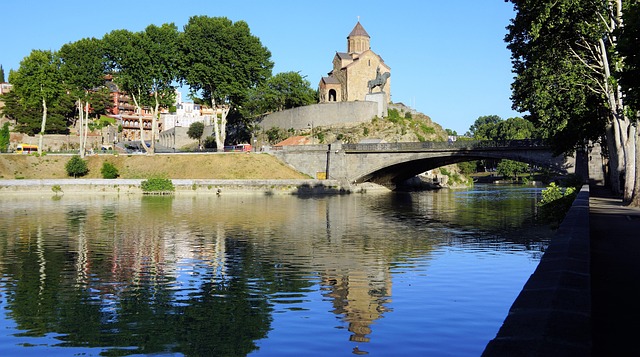
Perched dramatically on a cliff above the Mtkvari River, the Metekhi Church of the Assumption is one of Tbilisi’s oldest surviving landmarks. According to tradition, King Vakhtang I Gorgasali founded the original church complex in the 5th century , though the present stone structure dates to the reign of King Demetre II in 1278 . Its austere façade, with a single nave and a conical dome, exemplifies medieval Georgian ecclesiastical architecture. Inside, fragments of ancient frescoes hint at centuries of devotional art, while a gilded iconostasis frames the sanctuary. Below the cliff lies the former royal palace site, once the seat of Georgian monarchs and later a prison—Tolstoy references it in “Hadji Murad.” Visitors approach via a shaded promenade, passing a commanding equestrian statue of Vakhtang Gorgasali unveiled in 1967 . At sunset, the church’s silhouette and its reflection on the river create a scene beloved by photographers and pilgrims alike. A blend of history, legend, and architectural purity makes Metekhi Church an essential stop on any Tbilisi itinerary.
Narikala Fortress
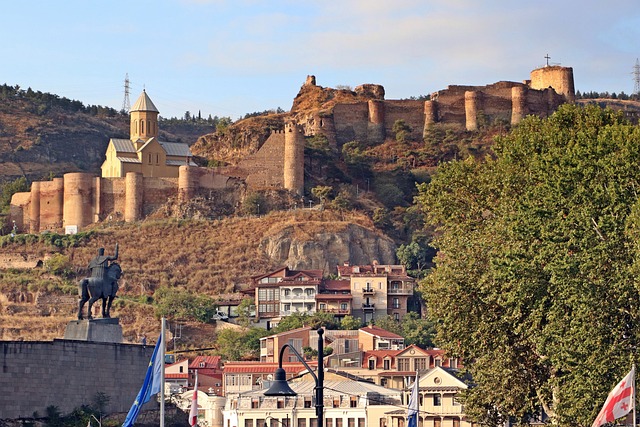
Perched above the Old Town, this hilltop citadel dates back to the 4th century and was enlarged by Arab and Georgian rulers during the 7th and 12th centuries to secure Silk Road trade. A winding path through moss-covered walls leads past weathered towers that echo medieval sieges and strategic watchpoints. Each turn rewards visitors with panoramic views of Tbilisi’s red-tile roofs, the steaming thermal sulfur baths below, and the sinuous curves of the Bridge of Peace . In 1996 , the graceful St. Nicholas Church was reconstructed within the fortress on the site of a vanished 19th-century chapel. Recent cable-car links (added in 2012 ) make the ascent effortless. At dusk, Narikala’s stones glow honey-gold, while the faint strains of folk melodies drift up from the valley—making it a favorite for photographers and history buffs alike.
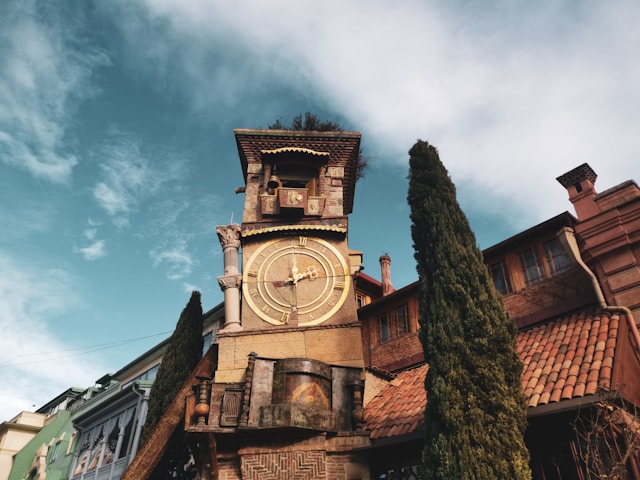
Rezo Gabriadze Marionette Theatre
Founded in 1981 by visionary artist Rezo Gabriadze , this intimate theatre revolutionized puppetry with its poetic, hand-crafted marionettes and evocative storytelling. Housed in a converted 19th-century building in the Old Town, the theatre stages original plays that blend Georgian folklore , timeless fables, and modern satire. The interior’s warm wood paneling and silk draperies frame a compact stage where meticulously carved figures come to life under subdued lighting. Audiences are captivated not only by the performances but also by the theatre’s museum corner, which exhibits hundreds of original puppets , sketches, and the artist’s personal collection of antique masks. Each show concludes with a visit to the theatre’s café, where guests can admire Gabriadze’s whimsical frescoes and sip traditional Georgian chai . Celebrated for its blend of art, history, and intimacy, the Gabriadze Marionette Theatre offers an unforgettable window into Tbilisi’s creative heart.
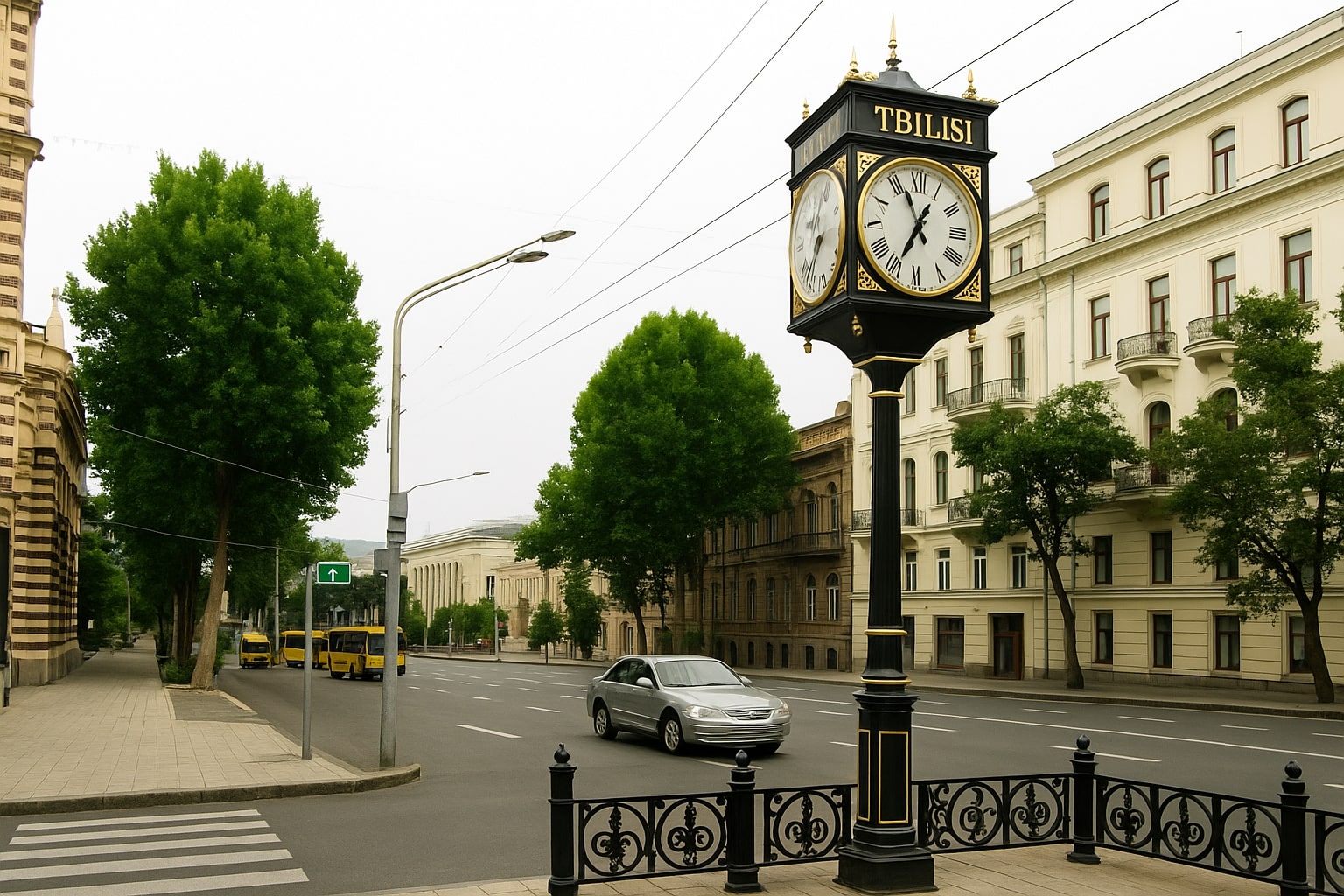
Rustaveli Avenue
Named after the 12th-century poet Shota Rustaveli, this grand thoroughfare stretches over 1.5 km from Freedom Square to Rustaveli Metro Station. Lined with landmark institutions—the Georgian Parliament (built in 1933 ), the Rustaveli Theatre (opened in 1887 ), and the National Museum—it serves as Tbilisi’s cultural spine. Elegant façades in neo-Classical, Art Nouveau, and Soviet-era styles house boutiques, cafés, and art galleries. Every May, Rustaveli Avenue hosts Tbilisi’s International Folklore Festival, filling the street with dancers in traditional dress, echoing the poet’s celebration of Georgian identity. Beneath the cobbles flows one of the city’s earliest tram lines, though today traffic is limited to make way for pedestrians. Street art murals—many commissioned in 2015 —add a contemporary twist, making Rustaveli Avenue both a living history and a vibrant urban canvas.