
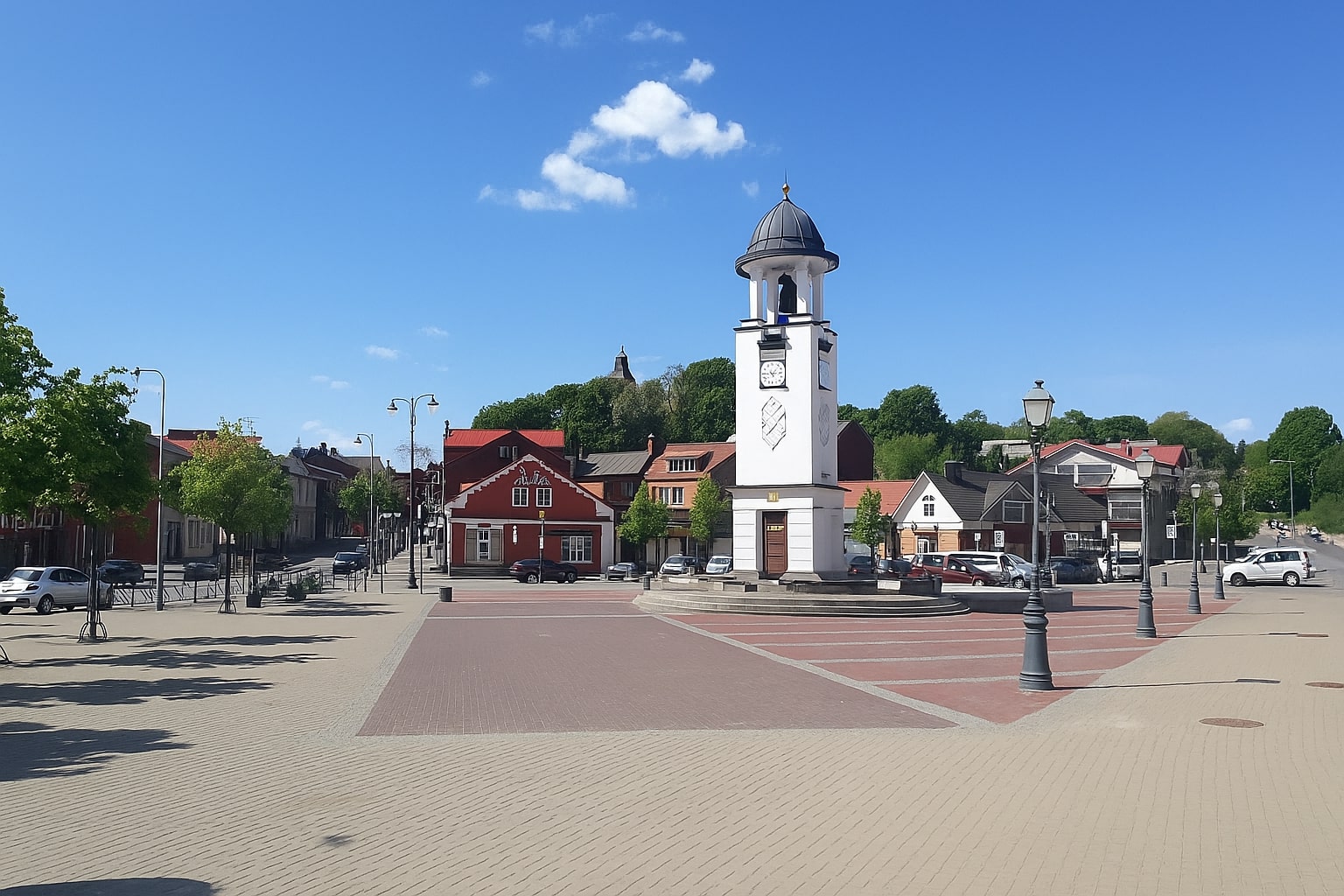
City view of Telsiai, Lithuania

Telsiai

Telsiai, the capital of Samogitia, is a city built on seven hills with a sparkling lake at its heart and a sense of mischief in the air. Bear sculptures, the region’s mascot, pop up throughout the town—each with a story as colorful as the locals themselves. Stroll the winding old streets to discover Baroque churches, quirky bakeries, and art that bursts from unexpected places. During summer, the lakeside promenade becomes a stage for folk concerts, street food festivals, and impromptu dance parties under the stars. The Samogitian Museum is a treasure trove of history, humor, and eccentricity, revealing the city’s deep-rooted love of legend and language. Telsiai’s dialect, traditions, and hearty cuisine bring every conversation and meal to life. Whether you’re here for a festival, a lakeside sunset, or just a taste of Samogitian spirit, Telsiai will greet you with a wink and a song.

Top attractions & things to do in Telsiai

If you’re searching for the best things to do in Telsiai, this guide brings together the top attractions and must-see places to visit in Telsiai. The top picks below highlight the most visited sights for first-time visitors, plus a few local favorites worth adding.

Cathedral of St. Anthony of Padua in Telsiai, Lithuania

Cathedral of St. Anthony of Padua

Rising above the city, the Cathedral of St. Anthony of Padua is the spiritual centerpiece of Telsiai. Built in 1794 on the site of an earlier church, it stands as a rare example of late Baroque architecture in western Lithuania. Inside, visitors are greeted by intricate woodcarvings, original altar pieces, and a collection of sacred art. The cathedral’s bell tower is visible from almost every corner of Telsiai and is said to house bells cast in Prussia in the 19th century. During the Soviet period, the cathedral remained a symbol of faith and endurance, with clandestine services continuing under strict surveillance. Notably, Bishop Vincentas Borisevicius, a local martyr, is honored here. Every summer, the Feast of St. Anthony attracts thousands, filling the square with music and celebration. The cathedral’s legacy weaves together religious devotion, cultural heritage, and the enduring spirit of Telsiai.
Ads place
Ads place
Ads place
Ads place
Ads place
Lake Mastis Promenade in Telsiai, Lithuania

Lake Mastis Promenade

Stretching along the northern shore of Lake Mastis, the promenade offers stunning panoramic views and a relaxing environment in the heart of Telsiai. Redesigned in 2014, this pedestrian-friendly route features sculpted benches, public art installations, and flower-filled gardens. The area is especially popular in the evenings when the sunset over Lake Mastis bathes the landscape in gold. Informational plaques share stories about the lake’s ancient origins and the local wildlife that inhabit its waters and shores. During summer, open-air concerts and community festivals transform the promenade into a lively social space. An iconic footbridge links both sides of the park, while play areas make it family-friendly. Birdwatchers appreciate the diversity of species, particularly during migration seasons. The Lake Mastis Promenade is not just a path but a central artery of leisure and culture, inviting locals and visitors to enjoy the natural beauty of Telsiai.
Ads place
Ads place
Ads place
Ads place
Ads place
Samogitian Diocese Museum in Telsiai, Lithuania

Samogitian Diocese Museum

The Samogitian Diocese Museum, established in 1999, is dedicated to the religious and cultural legacy of the region. Housed in a restored seminary building from the 19th century, the museum features collections of sacred art, vestments, manuscripts, and rare liturgical objects. One of its highlights is the library of Bishop Motiejus Valancius, a towering figure in Lithuanian history and literature. Exhibitions explore the region’s transition from paganism to Christianity and the role of the church during Soviet times. The museum regularly organizes lectures, workshops, and classical concerts that enliven its historic halls. The architecture itself is notable for its blend of Baroque and Neoclassical details. Through interactive displays, visitors gain insight into the traditions and resilience of Samogitia’s faithful. The Samogitian Diocese Museum is more than a collection—it is a living record of Telsiai’s evolving identity.
Ads place
Ads place
Ads place
Ads place
Ads place
Telsiai Alka Hill in Telsiai, Lithuania

Telsiai Alka Hill

Alka Hill is one of the oldest and most mysterious sites in Telsiai, deeply rooted in Baltic pagan history. Archaeological evidence suggests that rituals were held here as early as the 1st millennium. Later, the site became a sacred place for Christian processions and public gatherings. The hill offers panoramic vistas of Lake Mastis and the city beyond. In the early 20th century, a symbolic cross was erected, marking the region’s conversion to Christianity. Legends claim that treasures are buried beneath the hill, protected by ancient spirits. In recent years, Alka Hill has hosted cultural festivals, reenactments, and even astronomy nights under the stars. The site is dotted with oak trees considered sacred by locals. As a bridge between pagan and Christian traditions, Alka Hill continues to inspire curiosity and reverence, making it a truly unique destination in Telsiai.
Ads place
Ads place
Ads place
Ads place
Ads place
Telsiai Bear Sculpture in Telsiai, Lithuania

Telsiai Bear Sculpture

The Telsiai Bear Sculpture has become a beloved city icon and a must-see photo stop for visitors. Erected in 2005, the sculpture celebrates the bear as a symbol of Samogitia—the historic region to which Telsiai belongs. According to legend, the city’s founding is linked to a bear that guided ancient settlers to these shores. The bronze bear statue stands proudly on the central square, with children often climbing its back for good luck. The pedestal features inscriptions in the Samogitian dialect, preserving local linguistic traditions. Every year, the bear is dressed up for the Samogitian Carnival and other festivities, further endearing it to the community. The sculpture was created by artist Romualdas Kvintas, who drew inspiration from both folklore and natural history. Over time, it has become a cherished meeting point and a playful ambassador of Telsiai’s unique identity.
Ads place
Ads place
Ads place
Ads place
Ads place