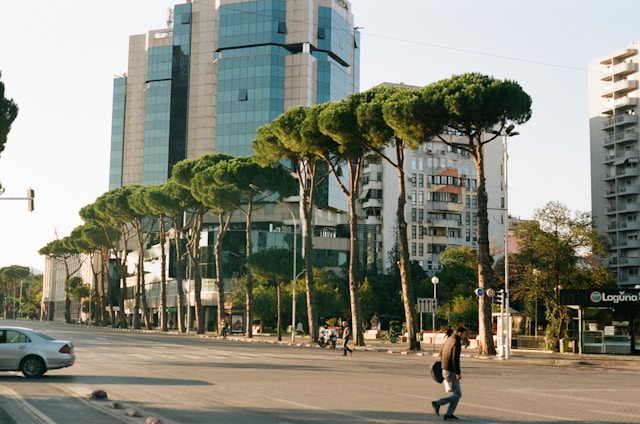
City view of Tirana, Albania

Tirana

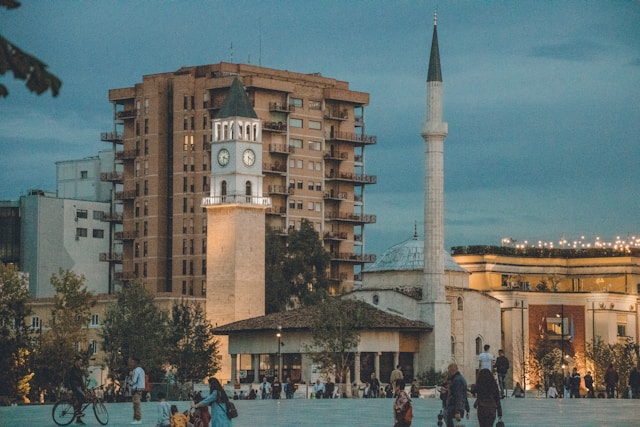
The capital city of Albania, Tirana, is the vibrant heart of the country. Known for its colorful Ottoman, Fascist, and Soviet-era architecture, it has a dynamic cultural scene. Skanderbeg Square is the city's focal point, surrounded by important landmarks like the National History Museum and the Et'hem Bey Mosque. The Blloku district, once a closed area for the communist elite, is now a bustling area filled with cafes, restaurants, and nightlife. Tirana also offers green spaces like the Grand Park and an artificial lake.

Top attractions & things to do in Tirana

If you’re searching for the best things to do in Tirana, this guide brings together the top attractions and must-see places to visit in Tirana. The top picks below highlight the most visited sights for first-time visitors, plus a few local favorites worth adding.

Bunk'Art in Tirana, Albania

Bunk'Art

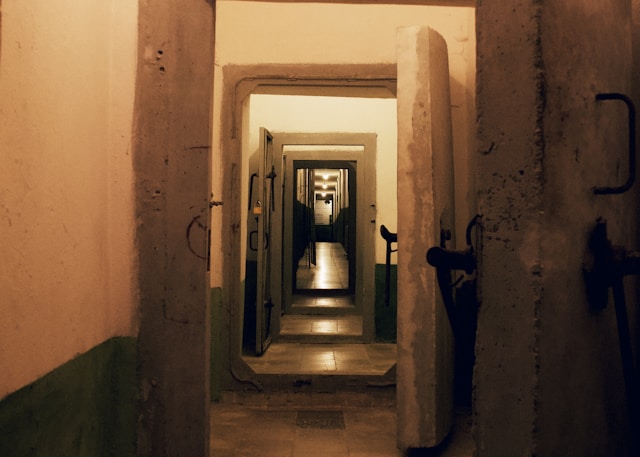
Bunk'Art is a unique museum located in a massive underground bunker that was built during the communist era. It offers a fascinating glimpse into Albania's history, particularly the period of Enver Hoxha's regime. The museum's exhibits include artifacts, photographs, and multimedia displays that tell the story of Albania's political past and the everyday lives of its people during communism. The bunker itself, with its labyrinthine corridors and rooms, is an intriguing attraction. Bunk'Art is divided into two locations: Bunk'Art 1 focuses on historical and political aspects, while Bunk'Art 2, located near Skanderbeg Square, highlights the impact of the secret police. Bunk'Art 1 contains a reconstructed VIP bunker apartment intended for Hoxha's inner circle. The ventilation system hides escape tunnels leading to nearby mountains.
Ads place
Ads place
Ads place
Ads place
Ads place
Dajti Ekspres in Tirana, Albania

Dajti Ekspres

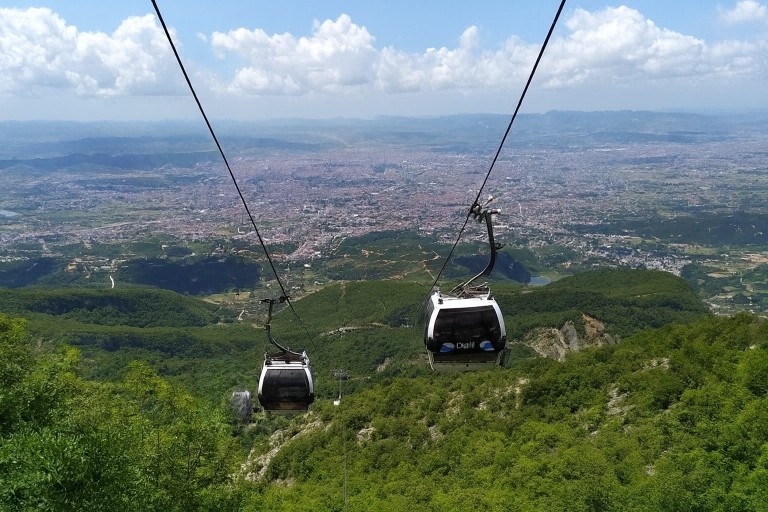
Dajti Ekspres is a cable car that offers a scenic ride up Mount Dajti, providing breathtaking views of Tirana and its surrounding landscapes. The journey takes about 15 minutes and covers a distance of nearly 4.5 kilometers, making it the longest cable car ride in the Balkans. At the top of Mount Dajti, visitors can enjoy various activities, such as hiking, picnicking, and dining at the mountaintop restaurant with panoramic views. The Dajti National Park, located at the summit, offers beautiful natural scenery, rich biodiversity, and numerous trails for outdoor enthusiasts. Dajti Ekspres is an ideal escape from the city's hustle and bustle, providing a refreshing and memorable experience. The cable car's Swiss-made cabins can withstand winds up to 120 km/h. Couples have set a record for most proposals (28 in one day) during Valentine's Day rides.
Ads place
Ads place
Ads place
Ads place
Ads place
Et'hem Bey Mosque in Tirana, Albania

Et'hem Bey Mosque

The Et'hem Bey Mosque is one of Tirana's most important religious and cultural landmarks. Built in the late 18th century by Molla Bey, it was completed by his son, Haxhi Et'hem Bey, in 1823. The mosque is renowned for its stunning frescoes and intricate interior decorations, which feature beautiful floral and geometric patterns. Despite being closed during the communist era, it reopened in 1991 without government permission, marking a significant moment in Albania's religious freedom. The mosque is situated in Skanderbeg Square, making it easily accessible for visitors. Its historical and architectural significance makes it a must-visit for those interested in Tirana's cultural heritage. The mosque's mihrab (prayer niche) contains hidden inscriptions in Ottoman Turkish praising Sultan Mahmud II. During its closure, the building secretly stored communist-era archives disguised as construction materials.
Ads place
Ads place
Ads place
Ads place
Ads place
Grand Park (Parku i Madh) and Artificial Lake in Tirana, Albania

Grand Park (Parku i Madh) and Artificial Lake

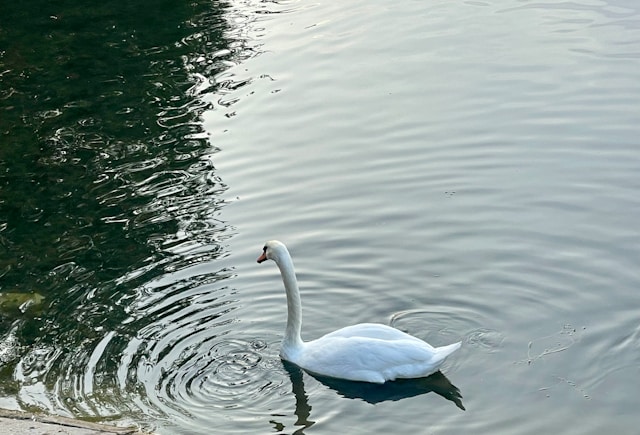
The Grand Park of Tirana, also known as Parku i Madh, is a large public park that provides a green oasis in the heart of the city. Spanning over 230 hectares, the park features an artificial lake, walking and jogging paths, playgrounds, and numerous benches and picnic spots. The park is home to the Presidential Palace and the Botanical Garden, as well as several monuments and memorials. It is a popular destination for locals and tourists alike, offering a serene environment for relaxation and recreation. The park's lush greenery and tranquil atmosphere. The lake was created in 1956 using 50,000 volunteer laborers from communist youth organizations. Beneath the park lies a network of underground tunnels connecting former government buildings.
Ads place
Ads place
Ads place
Ads place
Ads place
Liqeni i Lepurit in Tirana, Albania

Liqeni i Lepurit

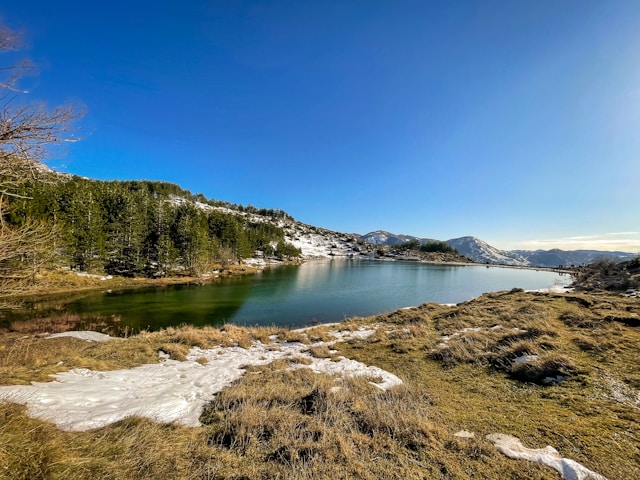
Liqeni i Lepurit (Lake of the Hare) is an artificial oasis created in 1956 by flooding a valley to cool Tirana's cement factories. The lake's 1970s floating restaurant hosted Yugoslav spies and later became a refugee camp during the 1999 Kosovo War. Beneath its waters lie remnants of a submerged village - divers occasionally find communist-era school desks. The surrounding park hides Enver Hoxha's abandoned zoo where Bengal tigers once roamed before escaping in 1986. Rare Dalmatian pelicans winter here, mistaken by locals for "communist eagles." The Hydraulic Tower (1961) still powers fountains using original East German turbines. At night, the lake glows faintly from bioluminescent algae introduced in 2008. Recently, archaeologists discovered Illyrian tombs in the northern hillside, untouched for 2,300 years.
Ads place
Ads place
Ads place
Ads place
Ads place
National History Museum in Tirana, Albania

National History Museum

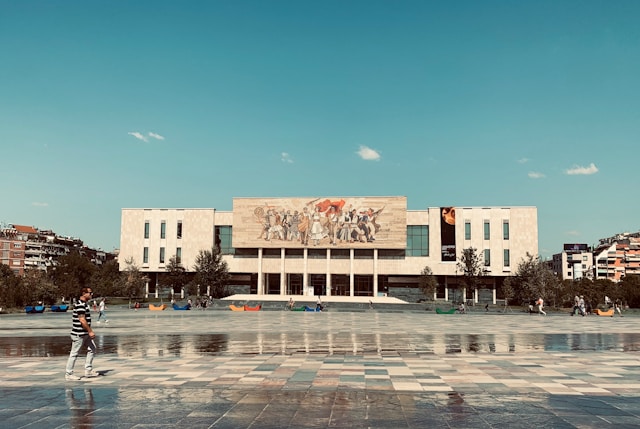
The National History Museum in Tirana is the largest museum in Albania and a key destination for anyone interested in the country's rich history. Located in Skanderbeg Square, the museum's imposing facade features a large mosaic depicting key moments in Albanian history. Inside, the museum is divided into several pavilions, each dedicated to different historical periods, from ancient Illyrian times to the communist era. The exhibits include archaeological artifacts, historical documents, and cultural treasures that provide a comprehensive overview of Albania's past. The National History Museum offers valuable insights into Albania's heritage and is an essential stop for history enthusiasts. The mosaic was created by 30 artists using 10 million ceramic fragments over three years. A secret vault holds the Golden Illyrian Helmet, discovered in 2018 but never publicly displayed.
Ads place
Ads place
Ads place
Ads place
Ads place
Pazari i Ri in Tirana, Albania

Pazari i Ri

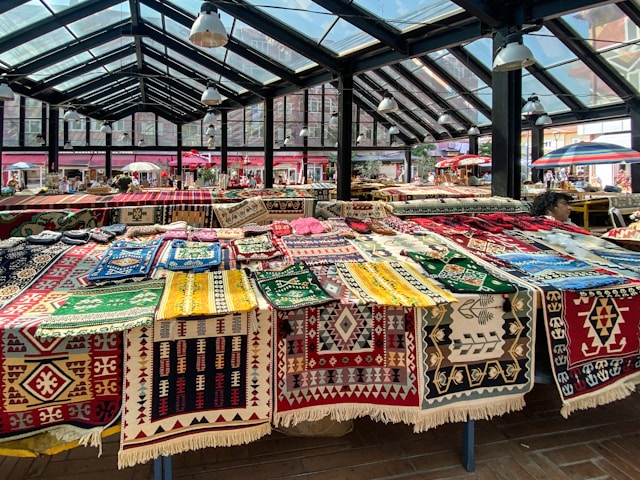
Pazari i Ri (New Bazaar) has been Tirana's culinary soul since 1931 when King Zog relocated merchants here. The vibrant market survived communism by becoming an official "agricultural collective" - vendors secretly traded Levi's jeans under vegetable crates in the 1980s. The Fish Pavilion features 1960s Socialist Realist mosaics of Shkodra fishermen battling storms. Underground lies a Cold War-era cold storage facility where Enver Hoxha stockpiled olive oil for nuclear winters. Behind the spice stalls, a hidden Bektashi tekke (sufi lodge) served as an anti-communist meeting spot until 1990. Today, butchers still use 19th-century Ottoman scales while hipsters sip raki at upcycled furniture cafés. Every November, the Pickle Festival celebrates Albania's 47 traditional pickling methods - don't miss the rose petal preserves.
Ads place
Ads place
Ads place
Ads place
Ads place
Pyramid of Tirana in Tirana, Albania

Pyramid of Tirana

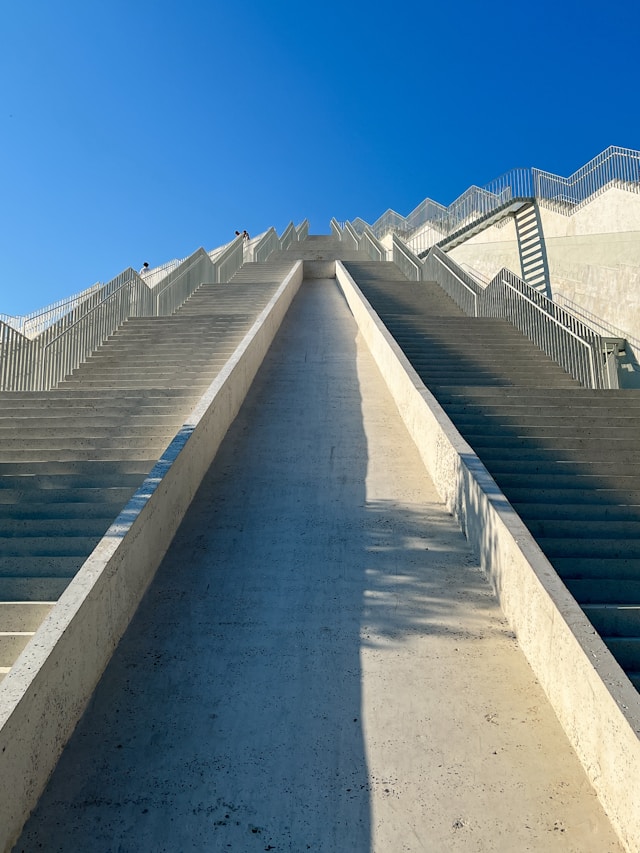
The Pyramid of Tirana is a striking and controversial structure originally built in 1988 as a museum dedicated to the late communist leader Enver Hoxha. Designed by Hoxha's daughter and son-in-law, the pyramid has undergone various transformations over the years and has served different purposes, including a conference center and a broadcasting facility. Despite its dilapidated state, the pyramid remains an iconic landmark in Tirana, attracting visitors with its unique architecture and historical significance. Plans are underway to renovate and repurpose the pyramid into a multifunctional cultural center. Its intriguing past and prominent location make it a fascinating site to visit. Graffiti artists secretly painted anti-regime slogans on its marble during the 1990s uprisings. The pyramid's original time capsule from 1988 remains unopened in its foundation.
Ads place
Ads place
Ads place
Ads place
Ads place
Skanderbeg Square in Tirana, Albania

Skanderbeg Square

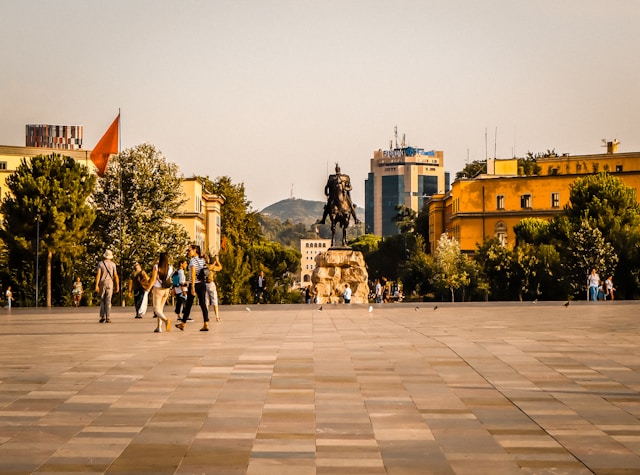
Skanderbeg Square is the heart of Tirana and the focal point of the city's social and cultural life. Named after the national hero Gjergj Kastrioti Skanderbeg, the square is surrounded by significant landmarks such as the National History Museum, the Et'hem Bey Mosque, and the Opera House. The square features a large statue of Skanderbeg on horseback and is a popular spot for locals and tourists alike. It hosts various public events, concerts, and festivals throughout the year. The square's open space and modern design make it an inviting place to relax and people-watch, providing a perfect starting point for exploring Tirana. Beneath the square lies a Cold War-era bunker complex designed to shelter political elites. The statue's pedestal contains a time capsule with 20th-century Albanian artifacts, to be opened in 2042.
Ads place
Ads place
Ads place
Ads place
Ads place
Tirana Old City in Tirana, Albania

Tirana Old City

The Tirana Old City (Pjesa e Vjetër) is a living museum of Ottoman, Italian Communist-era architecture. At its heart lies the Et'hem Bey Mosque (1821), whose floral frescoes secretly included forbidden human figures until 1991. The mosaic-adorned National History Museum facade depicts Illyrian warriors - look closely to spot a hidden Enver Hoxha profile in the clouds. Beneath Rruga Murat Toptani, archaeologists found 4th-century Byzantine baths repurposed as 1940s partisan tunnels. The Clock Tower (1822) originally rang with a Venetian bell captured from Korçë rebels. Don't miss the Blloku area's pastel villas - Hoxha's personal bunker lies under what's now a trendy cocktail bar. The Dëshmorët e Kombit Boulevard was designed by Mussolini's architects but realigned after WWII to "break fascist symmetry."
Ads place
Ads place
Ads place
Ads place
Ads place