
City view of Tiraspol, Moldova

Tiraspol

Tiraspol is Europe's wildest time capsule—a city stuck in a delightful limbo where Lenin statues outnumber coffee shops and vintage Lada cars line up for parades. Founded by Catherine the Great, Tiraspol is Transnistria's quirky capital, blending Soviet nostalgia with unexpected hospitality. Stroll down 25th October Street, passing war memorials and candy-colored government buildings, before sampling kvass from a sidewalk stand. Locals might hand you homemade cherry liquor or invite you to a chess match in the park. Here, soccer is religion, and the local team Sheriff rules in a gold-domed stadium. The real treasure? Tiraspol's warmth and proud oddness. For travelers, every step is a plot twist: a city where time slows, history mingles with myth, and the stories are as intoxicating as the vodka. Tiraspol is the ultimate destination for anyone with a taste for the unexpected.

Top attractions & things to do in Tiraspol

If you’re searching for the best things to do in Tiraspol, this guide brings together the top attractions and must-see places to visit in Tiraspol. The top picks below highlight the most visited sights for first-time visitors, plus a few local favorites worth adding.

House of Soviets in Tiraspol, Moldova

House of Soviets

The House of Soviets stands as a monumental symbol of Tiraspol’s unique political landscape and its deep-rooted Soviet heritage. Completed in 1953, the building’s imposing neoclassical façade features grand columns and ornate reliefs, designed to project power and order. Still home to key local government offices, it is easily recognized by the prominent Lenin statue presiding over the main square. Inside, the marble staircases and labyrinthine corridors speak to an era when architecture was meant to impress and inspire loyalty. The House of Soviets has seen countless parades and rallies, witnessing the shifting tides of Transnistrian identity. Visiting the building offers a glimpse into the area’s complex history, and it remains a favored backdrop for major civic events. A little-known fact: its underground bunker was designed as a shelter for city leaders during the Cold War.
Ads place
Ads place
Ads place
Ads place
Ads place
Noul Neamt Monastery in Tiraspol, Moldova

Noul Neamt Monastery

The Noul Neamt Monastery near Tiraspol is a living testament to the enduring faith and artistry of 19th-century Orthodox monasticism. Founded in 1861 by monks fleeing religious reforms, the monastery quickly became a beacon for pilgrims across the region. Its stunning bell tower rises over 70 meters, making it one of the tallest in Eastern Europe, and the intricate frescoes inside the main church are celebrated for their vivid colors and masterful detail. The site survived the turmoil of Soviet occupation and was lovingly restored in the 1990s, with monks reviving ancient traditions and welcoming visitors to explore serene gardens and historic libraries. The monastery’s hidden crypts and quiet courtyards hold centuries of stories, and even today, the chanting of prayers echoes through its halls. Noul Neamt is a sanctuary for reflection, art, and living history. The monastery’s library is famed for rare religious manuscripts, making it a hidden gem for scholars and seekers alike.
Ads place
Ads place
Ads place
Ads place
Ads place
Suvorov Monument in Tiraspol, Moldova

Suvorov Monument

Tiraspol’s Suvorov Monument commands the city’s main square, honoring the legendary General Alexander Suvorov, who founded the city in 1792. This dynamic equestrian statue, cast in bronze and unveiled in 1979, captures the fearless energy of a military genius known for never losing a battle. Surrounded by fountains and flowerbeds, the monument is a focal point for public gatherings, national celebrations, and the city’s famous Victory Day parades. Locals often share the story that Suvorov’s strategic vision shaped not just Tiraspol’s layout but also its spirit of resilience. At sunset, the statue glows with a golden aura, inviting visitors to pause and reflect on the city’s origins. The Suvorov Monument is more than a tribute—it’s a living symbol of Tiraspol’s enduring pride and history. The statue’s pedestal bears inscriptions in both Russian and Moldovan, symbolizing the city’s unique blend of cultures.
Ads place
Ads place
Ads place
Ads place
Ads place
Transnistria Parliament Building in Tiraspol, Moldova

Transnistria Parliament Building

The Transnistria Parliament Building, known locally as the Supreme Soviet, is a striking example of late Soviet civic architecture. Completed in the 1960s, it is instantly recognizable for its imposing red façade and the unmissable Lenin statue standing sentinel at its entrance. This building is more than a seat of power; it embodies the region’s ongoing pursuit of self-determination and complex political narrative. Inside, vast chambers host policy debates that have shaped the territory’s identity since the declared independence in 1990. While photography is strictly regulated, the building’s grandeur makes it a must-see for anyone fascinated by contemporary geopolitics. On national holidays, the steps fill with speeches, concerts, and flag-waving crowds, making the Parliament Building a living stage for Tiraspol’s unique story. In spring, the surrounding square blooms with colorful tulips, offering a striking contrast to the solemn architecture.
Ads place
Ads place
Ads place
Ads place
Ads place
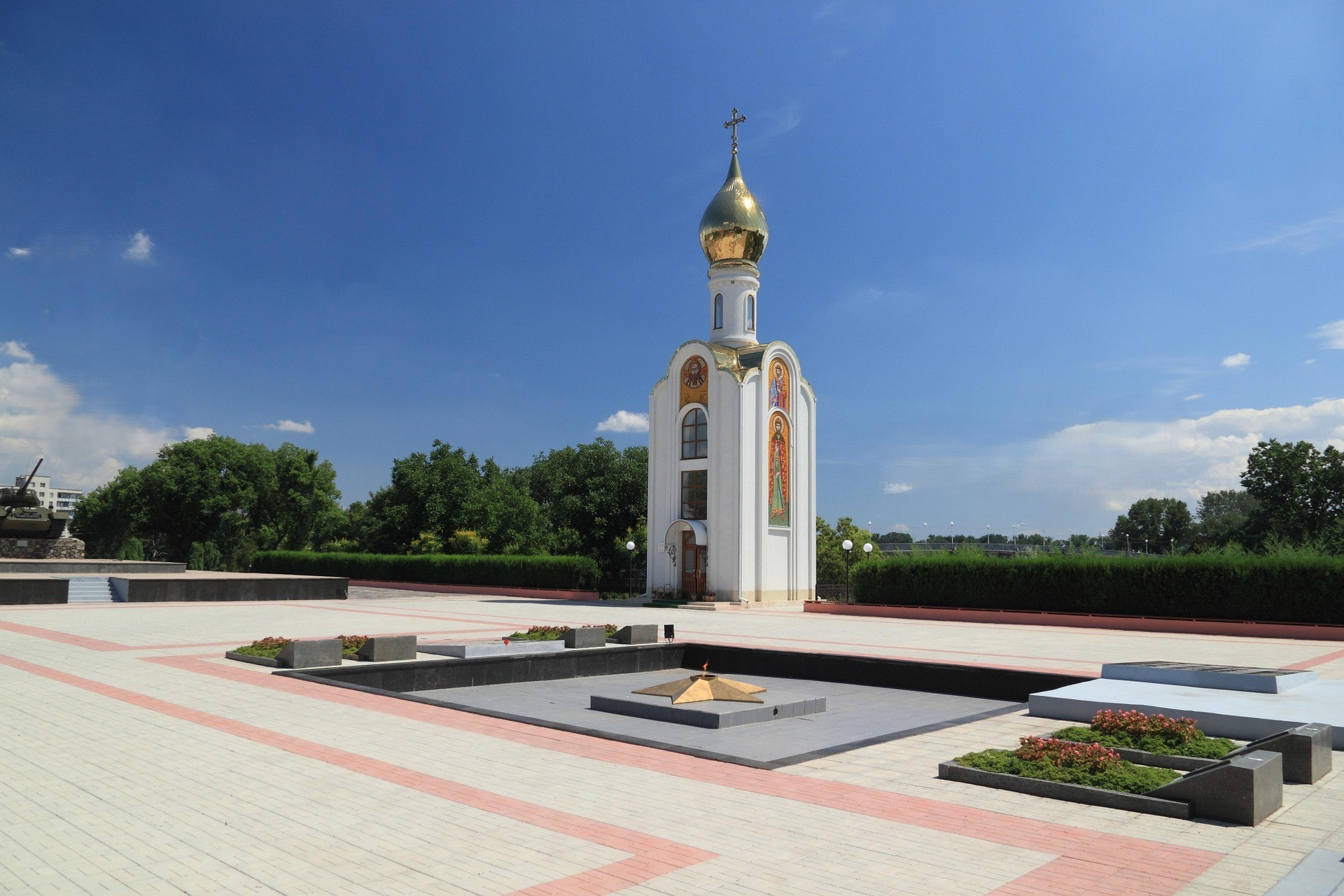
Victory Park in Tiraspol, Moldova

Victory Park

Victory Park is the green heart of Tiraspol, dedicated to the memory of those who fought in the Great Patriotic War (World War II). Established in 1972, the park is famous for its Eternal Flame and dramatic war memorials, including towering obelisks and engraved stone tablets. Along the shaded avenues, visitors encounter sculptures of local heroes and blooming flowerbeds, while children play around vintage military vehicles on display. Victory Park is especially lively on May 9th, when Victory Day festivities bring music, parades, and heartfelt ceremonies. The serene lake at its center attracts picnickers and couples, making it a beloved gathering spot for all ages. Every visit to Victory Park is a journey through remembrance, resilience, and the ongoing hope for peace. It’s also a favorite spot for birdwatchers, who delight in spotting rare species among the old trees.
Ads place
Ads place
Ads place
Ads place
Ads place