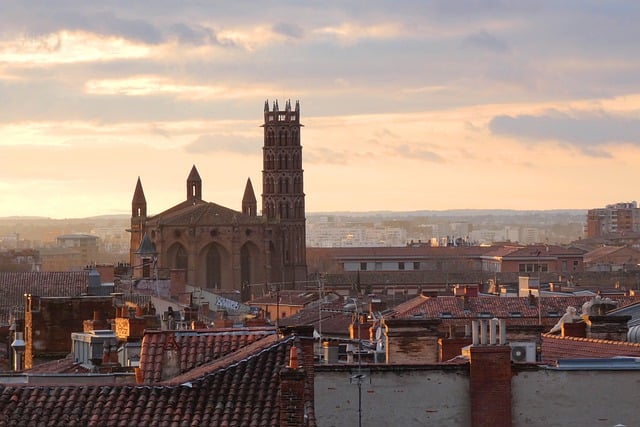
City view of Toulouse, France

Toulouse

Toulouse, often referred to as 'La Ville Rose' due to its pink terracotta buildings, is located in the southwest of France. The city is known for its aerospace industry, with the headquarters of Airbus and several aviation museums like the Cité de l'Espace. Toulouse's historic center features the impressive Capitole de Toulouse, which houses the city hall and a theater. The Basilica of Saint-Sernin, a UNESCO World Heritage site, is one of the largest Romanesque churches in Europe. The city's vibrant streets are lined with cafes, shops, and lively markets, such as the Marché Victor Hugo. Toulouse is also known for its culinary specialties, including cassoulet, a hearty bean and meat stew. The city's blend of history, innovation, and vibrant culture makes it a popular destination in southwestern France.

Top attractions & things to do in Toulouse

If you’re searching for the best things to do in Toulouse, this guide brings together the top attractions and must-see places to visit in Toulouse. The top picks below highlight the most visited sights for first-time visitors, plus a few local favorites worth adding.

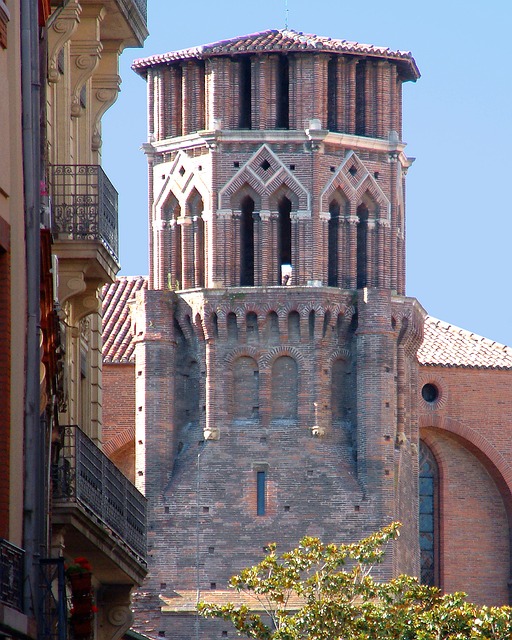
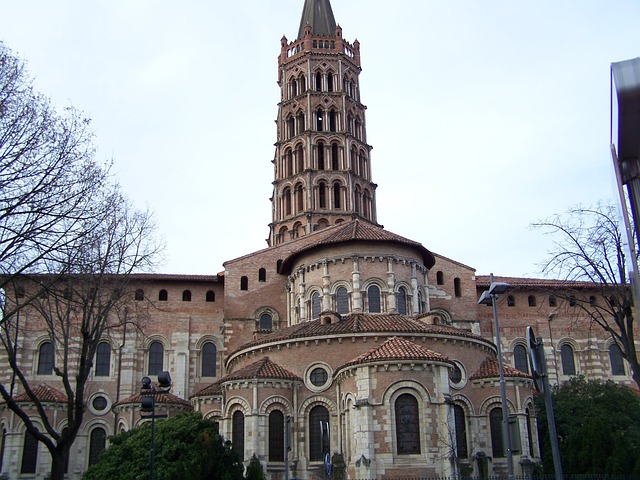
Basilique Saint-Sernin in Toulouse, France

Basilique Saint-Sernin

A beacon for pilgrims on the Camino de Santiago, Basilique Saint-Sernin is Europe’s largest surviving Romanesque church, its rust-hued brickwork glowing like embers at sunset. Built in the 11th century to house relics of Saint Saturnin—a bishop martyred by being dragged by a bull through Rue du Taur—the basilica’s octagonal bell tower rises 65 meters, its 24 bells once guiding weary travelers. Inside, the ambulatory shelters a crypt with relics of 128 saints, including a thorn said to be from Christ’s crown. Look for the meridian line etched into the floor, a medieval astronomical tool used to calculate Easter’s date. The Porte des Comtes, adorned with carvings of damned souls, served as a warning to pilgrims. A little-known gem: the 12th-century Altar of the Holy Sacrament, crafted from Carrara marble, was a gift from Italian merchants. Today, the basilica’s acoustics make it a sought-after venue for Gregorian chant concerts—close your eyes, and centuries dissolve.
Ads place
Ads place
Ads place
Ads place
Ads place
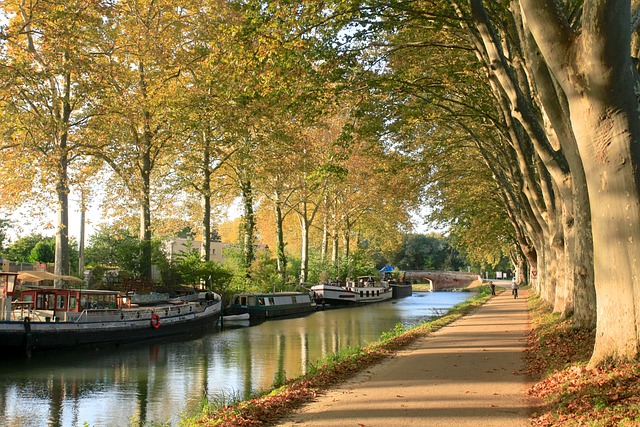
Canal du Midi in Toulouse, France

Canal du Midi

A UNESCO marvel, this 17th-century canal revolutionized trade by linking the Atlantic to the Mediterranean. Designed by visionary engineer Pierre-Paul Riquet, its oval locks and aqueducts were feats of Baroque engineering. Today, shaded towpaths beckon cyclists, while boat cruises glide past vineyards and villages. The plane trees lining the canal, planted to stabilize its banks, are dying from a fungus—visit soon to witness their cathedral-like canopy. Near Toulouse, the Lavalette Lock features a rare double staircase for horses. Fun fact: Riquet drained his fortune to build the canal, dying bankrupt just months before its completion. Pack a picnic, rent a bike, and follow the water’s whisper through history.
Ads place
Ads place
Ads place
Ads place
Ads place
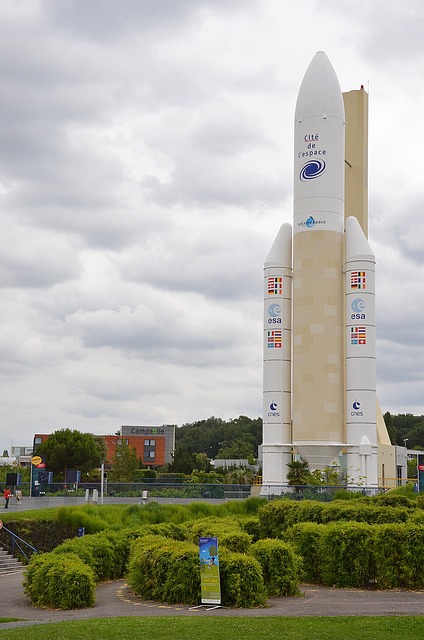
Cité de l'Espace in Toulouse, France

Cité de l'Espace

Blast off into the cosmos at this immersive space park, where science meets spectacle. Dominated by a full-scale Ariane 5 rocket, the site lets you stroll through a replica Mir space station or touch a moon rock collected by Apollo astronauts. The Terr@dome theater suspends audiences inside a glowing globe to witness Earth’s birth, while the planetarium’s 8K dome plunges viewers into supernovas and black holes. Thrill-seekers pilot a Mars rover simulator, navigating Martian terrain, while history buffs geek out over the Soyuz capsule that carried France’s first female astronaut, Claudie Haigneré. Hidden in the gardens, a sundial uses your shadow to tell time—a nod to ancient navigation. Insider tip: Visit during the annual Night of Stars for telescope viewings and astronaut meet-and-greets.
Ads place
Ads place
Ads place
Ads place
Ads place
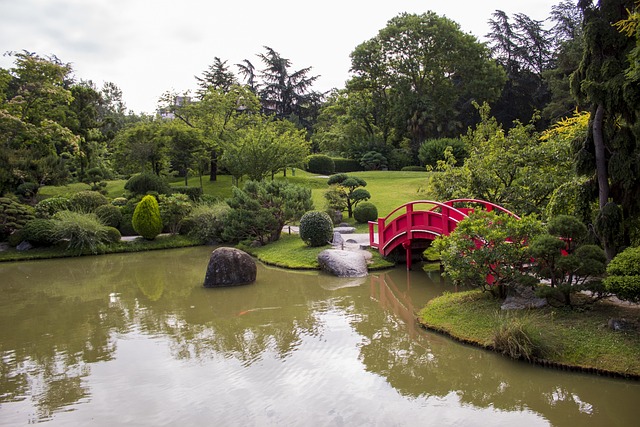
Jardin Japonais in Toulouse, France

Jardin Japonais

A serene fusion of Kyoto and Toulouse, this garden was gifted by Japan in 1981 to celebrate their sister-city bond. Designed by landscape architect Shodo Suzuki, it blends traditional elements—a koi-filled pond, red-lacquered Moon Bridge, and stone lanterns—with French roses and lavender. The tea house hosts monthly ceremonies where matcha is whisked in silence, while the “dry garden” of raked gravel invites meditation. In spring, 40 cherry trees burst into bloom, their petals floating like snow onto the pond. Hidden near the bamboo grove, a hidden stone statue of Jizo, a Buddhist guardian of travelers, watches over visitors. Locals love the autumn maple display, when the garden flames crimson and gold.
Ads place
Ads place
Ads place
Ads place
Ads place
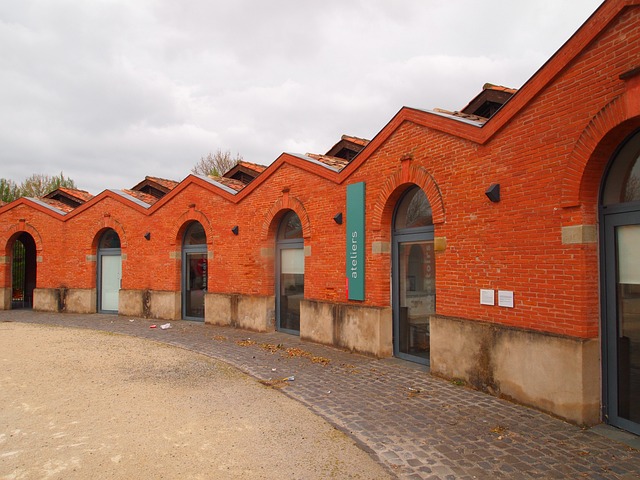
Les Abattoirs in Toulouse, France

Les Abattoirs

Once a bustling slaughterhouse, this avant-garde museum now startles with contemporary art. Its pièce de résistance is Picasso’s La Dépouille du Minotaure, a haunting tapestry depicting a bull-headed corpse, woven during the Spanish Civil War. The airy halls juxtapose works by Miró and street artist Miss.Tic, while the sculpture garden hides Louise Bourgeois’ bronze Spider, symbolizing maternal protection. Don’t miss the Chapelle des Carmélites, its walls splashed with graffiti by local artists—a rebellious homage to the building’s gritty past. The rooftop terrace offers panoramic Garonne views, perfect for pondering how beauty rises from brutality.
Ads place
Ads place
Ads place
Ads place
Ads place
Musée des Augustins in Toulouse, France

Musée des Augustins

Nestled in a 14th-century Gothic convent, this museum marries medieval architecture with artistic treasures. The serene cloister garden, framed by 200-year-old magnolia trees, conceals eerie gargoyles peering from vaulted arches. Inside, the collection spans from Romanesque capitals to Monet’s Impressionist hues. Highlights include the haunting Saint Sebastian by Perugino and the mischievous Toulouse Laucher, a 16th-century demon sculpture said to “lick” sinners. The convent’s refectory, now a gallery, once stored Napoleon’s looted art, including works by Rubens. Don’t overlook the Chapelle de l’Annonciation, where frescoes of angels seem to flutter in candlelight. A quirky fact: The museum’s attic holds a secret workshop where restorers revive damaged masterpieces. On summer nights, the cloister hosts jazz concerts—imagine saxophones echoing through Gothic arcades.
Ads place
Ads place
Ads place
Ads place
Ads place
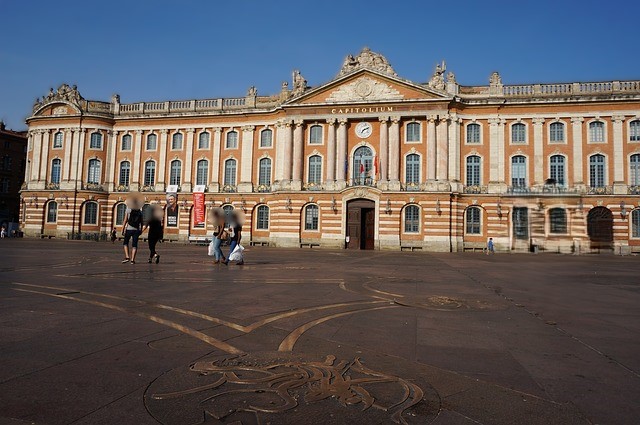
Place du Capitole in Toulouse, France

Place du Capitole

As the vibrant epicenter of Toulouse, Place du Capitole is a living tapestry of history, politics, and culture. The square’s namesake building, the Capitole, is a masterpiece of Neoclassical design, its 135-meter façade crafted from pink marble and punctuated by eight towering columns representing Toulouse’s medieval governing councils. Inside, the opulent Salle des Illustres dazzles with 19th-century frescoes depicting pivotal moments in Occitan history, while hidden beneath the square lie remnants of a Roman forum—testament to the city’s ancient roots. The square’s iconic Occitan cross, embedded in its cobblestones, nods to Toulouse’s rebellious past as a semi-independent county. By day, the plaza buzzes with flower markets and street performers; by night, it transforms under golden lamplight into a romantic backdrop for evening strolls. Don’t miss the tiny cannonball lodged in the Capitole’s eastern wall—a relic from the 1814 Napoleonic siege. Locals whisper that rubbing it brings luck, though few tourists spot it amid the grandeur.
Ads place
Ads place
Ads place
Ads place
Ads place
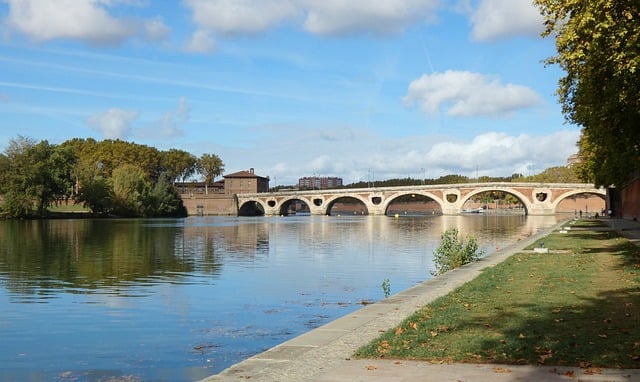
Pont Neuf in Toulouse, France

Pont Neuf

Despite its name (“New Bridge”), this 16th-century marvel is Toulouse’s oldest surviving bridge. Its seven diamond-shaped piers were engineered to withstand the Garonne’s violent floods, a feat proven during the 1875 deluge that submerged the city. Adorning the arches, 338 carved masks range from cherubs to grotesque demons—rumored to symbolize life’s joys and sorrows. At sunset, the bridge mirrors Toulouse’s “pink city” nickname, glowing terracotta against the river. Local legend claims couples who kiss mid-span at dawn are blessed with eternal love. Few notice the stone plaque marking the 1632 flood level, a sobering reminder of nature’s power. For photographers, the view from Quai de la Daurade captures the bridge’s arches framing the Capitole’s silhouette—pure magic.
Ads place
Ads place
Ads place
Ads place
Ads place
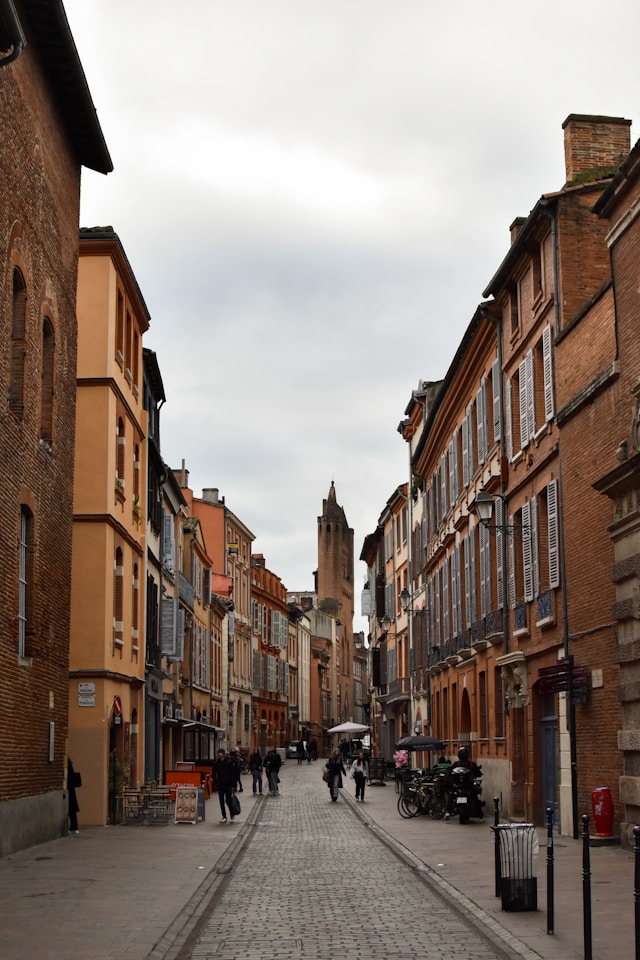
Rue du Taur in Toulouse, France

Rue du Taur

Steeped in legend, this cobbled artery traces the path where Saint Saturnin was martyred by a rampaging bull. Today, it thrums with indie boutiques and cafés housed in half-timbered medieval buildings. Peek into No. 15 to find a plaque marking Henri de Toulouse-Lautrec’s childhood home. Hidden in the Église Notre-Dame du Taur, a macabre fresco depicts Saturnin’s grisly death. Bookworms flock here in October for the street-wide book fair, where Occitan poetry shares tables with vintage comics. End your stroll at Place Saint-Sernin, where the basilica’s tower looms—a silent witness to centuries of stories.
Ads place
Ads place
Ads place
Ads place
Ads place
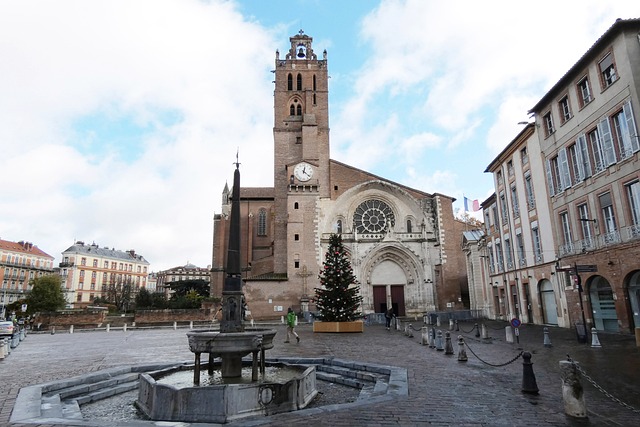
Saint-Étienne Cathedral in Toulouse, France

Saint-Étienne Cathedral

A architectural jigsaw, this cathedral’s mismatched Gothic nave and Romanesque choir betray 500 years of construction chaos. The 16th-century organ, played by Camille Saint-Saëns, still resonates during concerts, its pipes echoing off 13th-century frescoes of the Apocalypse. Beneath the choir, a Merovingian crypt reveals 5th-century mosaics of peacocks and vines—symbols of immortality. Outside, a cannonball from Napoleon’s 1814 siege remains lodged in the wall, a defiant scar. Climb the Tour de la Croisée for city views, and ponder why the nave’s windows are asymmetrical—a quirk of rival medieval architects.
Ads place
Ads place
Ads place
Ads place
Ads place