
City view of Travnik, Bosnia and Herzegovina

Travnik

Travnik, located in central Bosnia, is a town rich in history and known for being the birthplace of Nobel laureate Ivo Andric. Travnik was once the capital of the Ottoman viziers, and its well-preserved oriental architecture reflects this history. The town's fortress, known as Stari Grad, offers panoramic views of the surrounding area. Travnik is also famous for its traditional Bosnian coffee and cevapi (grilled meat rolls). Nearby, the stunning Vlašic Mountain attracts visitors for skiing in the winter and hiking in the summer.

Top attractions & things to do in Travnik

If you’re searching for the best things to do in Travnik, this guide brings together the top attractions and must-see places to visit in Travnik. The top picks below highlight the most visited sights for first-time visitors, plus a few local favorites worth adding.

Birthplace of Nobel Laureate Ivo Andric in Travnik, Bosnia and Herzegovina

Birthplace of Nobel Laureate Ivo Andric

The birthplace of Ivo Andric, a Nobel Prize-winning author, is located in Travnik and serves as an important cultural landmark. The modest house now functions as a museum, showcasing Andric's life and literary achievements. Visitors can explore various exhibits that highlight his works, personal artifacts, and photographs. The museum provides valuable insights into Andric's early life and the influences that shaped his writing. His most famous work, "The Bridge on the Drina," reflects the rich history and cultural diversity of the region. The museum not only honors Andric's literary contributions but also celebrates the cultural heritage of Travnik. Guided tours often include discussions about Andric's impact on literature and the significance of his works in the context of Bosnia and Herzegovina. The museum's archive holds original manuscript drafts of "The Bridge on the Drina," annotated with Andric's handwritten notes. Each October, the house hosts a Balkan Literary Symposium, attracting writers inspired by Andric's fusion of history and philosophy.
Ads place
Ads place
Ads place
Ads place
Ads place
Plava Voda in Travnik, Bosnia and Herzegovina

Plava Voda

Plava Voda is a breathtaking natural spring located just outside of Travnik, known for its vibrant blue waters that attract visitors from near and far. This hidden gem is perfect for a relaxing day surrounded by nature. The area offers picnic spots, making it an ideal location for families and friends to enjoy a meal together while soaking in the tranquil atmosphere. Many visitors take leisurely walks along the paths that wind around the spring, capturing stunning photographs of the scenic beauty. Plava Voda is also home to various fish species, adding to the charm of the location. The lush greenery surrounding the spring creates a serene backdrop for anyone seeking a peaceful retreat from the bustling town. Local restaurants nearby offer delicious traditional cuisine, allowing visitors to savor authentic Bosnian flavors while enjoying the beautiful views. Scientific studies attribute its vivid hue to dissolved calcium carbonate and magnesium minerals, creating Europe's most alkaline natural spring. Fly fishermen prize the spring for its population of endemic softmouth trout, found only in Bosnia's karst rivers.
Ads place
Ads place
Ads place
Ads place
Ads place
Sulejmanija Mosque in Travnik, Bosnia and Herzegovina

Sulejmanija Mosque

Sulejmanija Mosque, built in the 16th century, is one of the most important religious structures in Travnik. Designed by the famous Ottoman architect Mimar Sinan, this mosque is a stunning example of Islamic architecture. The mosque features a magnificent dome and an elegant minaret that dominates the town's skyline. Visitors are welcomed into a serene courtyard that invites reflection and peace. Inside, the prayer hall is adorned with exquisite tile work and chandeliers, creating a captivating atmosphere. The mosque not only serves as a place of worship but also as a cultural center for the local community. Guided tours provide insights into the architectural details and the history of the mosque. It is especially beautiful during the evening when illuminated, casting a warm glow over the surroundings. The mosque's acoustic engineering allows the muezzin's call to be heard 3km away, a feat achieved through hollow minaret bricks. Restoration in 2020 revealed hand-painted Quranic calligraphy hidden under centuries of plaster, now carefully preserved.
Ads place
Ads place
Ads place
Ads place
Ads place
Svrzo's House in Travnik, Bosnia and Herzegovina

Svrzo's House

Svrzo's House is a well-preserved example of traditional Ottoman architecture and a key historical site in Travnik. This charming house offers a glimpse into the lifestyle of a wealthy family during the 18th century. Visitors can explore various rooms filled with authentic artifacts, including period furniture and decorative items that reflect the cultural heritage of the region. The intricate woodwork and beautiful ceilings showcase the craftsmanship of the time. Guided tours provide insights into the historical significance of the house and the lives of its former residents. The courtyard, surrounded by lovely gardens, serves as a peaceful retreat, allowing visitors to relax and take in the serene atmosphere. Svrzo's House also hosts cultural events, including exhibitions and performances that celebrate Bosnian traditions. A hidden dowry chamber in the attic displays 200-year-old silk wedding garments embroidered with gold thread. The house's “summer room” features a retractable wooden ceiling designed to stargaze during warm nights, a rare Ottoman architectural novelty.
Ads place
Ads place
Ads place
Ads place
Ads place
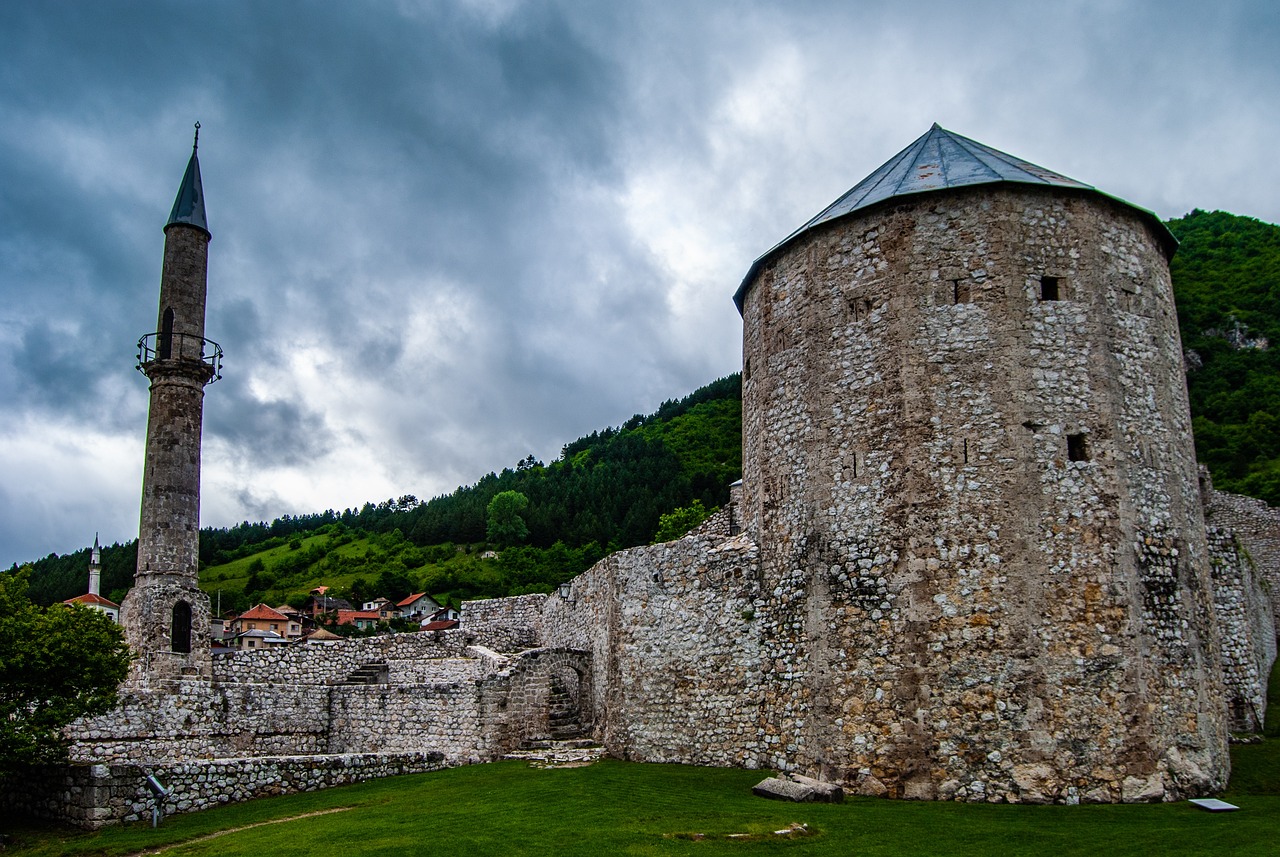
Travnik Fortress in Travnik, Bosnia and Herzegovina

Travnik Fortress

Travnik Fortress, or Stari Grad Travnik, is a historic site that offers stunning views of the town and surrounding landscape. Built in the 15th century, it served as a strategic military stronghold. Visitors can explore its well-preserved walls and towers while learning about its history as a seat of the Ottoman Empire's provincial governors. The fortress is set on a hill, requiring a short hike to reach it, making the journey rewarding. The panoramic views from the top, especially at sunset, create a picturesque setting for photography. The fortress is also surrounded by lush greenery, providing a peaceful escape from the urban environment. Its historical significance and beautiful architecture make it a must-visit destination for tourists and locals alike. Visitors often enjoy picnicking in the area and taking in the breathtaking scenery. The fortress hosts various cultural events throughout the year, attracting history buffs and families. Archaeologists recently uncovered a hidden Ottoman military archive beneath its walls, containing 17th-century maps of Balkan trade routes. Every July, the fortress hosts a Medieval Knights' Tournament, featuring armored combat reenactments and artisan markets.
Ads place
Ads place
Ads place
Ads place
Ads place