
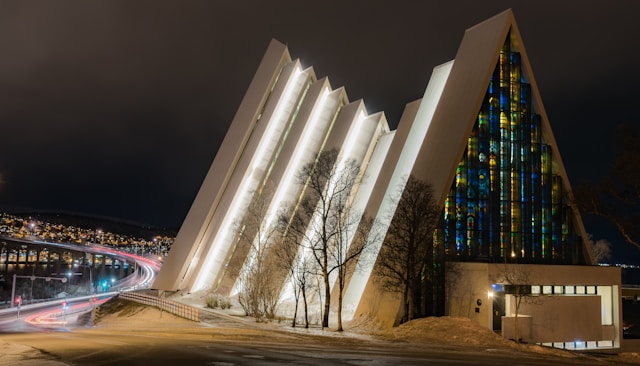
Arctic Cathedral
In Tromso, Norway .
More places to visit in Tromso
Discover more attractions and things to do in Tromso.
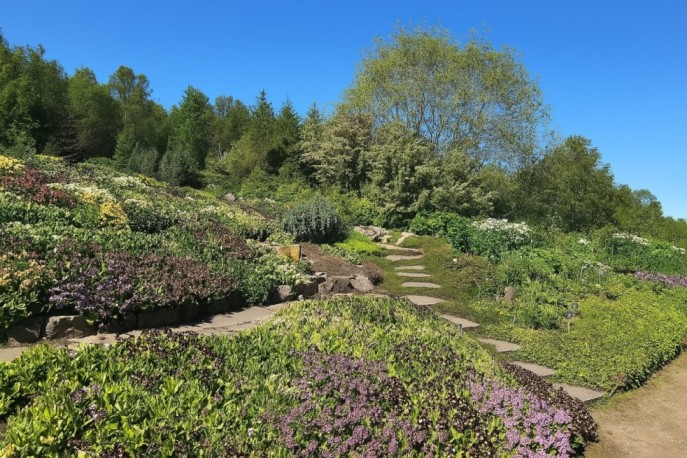
Arctic-Alpine Botanic Garden
The Arctic-Alpine Botanic Garden, established in 1994 , is the world’s northernmost botanic garden. It showcases hardy plants from Arctic, Antarctic, and high-altitude regions worldwide, demonstrating astonishing adaptations to extreme climates. Vibrant blossoms appear even during Tromso’s short summer, when species from the Himalayas, Andes, and Alaska thrive side by side. One remarkable fact is that the garden cultivates rare Svalbard poppies , Norway’s national flower, which bloom despite chilling winds. Educational programs connect visitors with ongoing research into global biodiversity and climate change. The layout encourages exploration along winding paths that reveal miniature landscapes where resilience is the rule. Even in late autumn, unexpected flowers brighten the grounds, reminding guests that survival in the Arctic is often a matter of beauty as much as biology. Standing here, one experiences a living laboratory that connects Tromso to fragile ecosystems across the globe.
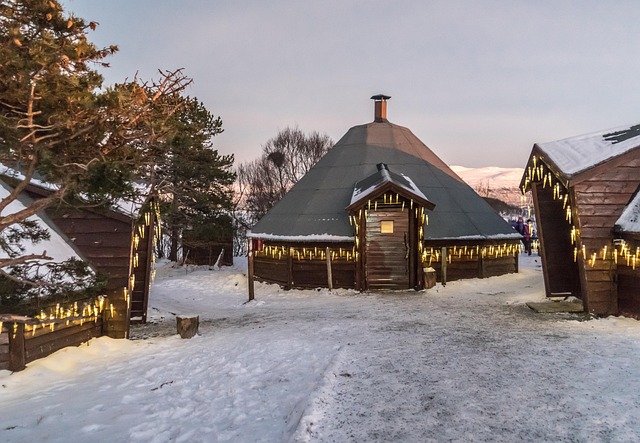
Aurora Sami Camp
Aurora Sami Camp offers one of the most authentic ways to experience the aurora borealis in Tromso. Guests spend the night in traditional lavvu tents or wooden gamme huts, structures long used by the Sami people for survival in Arctic landscapes. Away from city lights, the camp provides a front-row seat to nature’s most mesmerizing performance, as green and violet ribbons sweep across the polar sky. Evenings often begin with storytelling around an open fire, where hosts share tales of reindeer herding and ancient beliefs that saw the aurora as spirits dancing above. A remarkable detail is that the huts are insulated and warmed with wood-burning stoves, allowing visitors to stay cozy while the world outside drops far below freezing. Meals typically include Sami-inspired dishes such as reindeer stew, deepening the cultural immersion. The combination of ancestral architecture, Arctic silence, and the unpredictable beauty of the northern lights makes Aurora Sami Camp a truly unforgettable encounter with the far north.
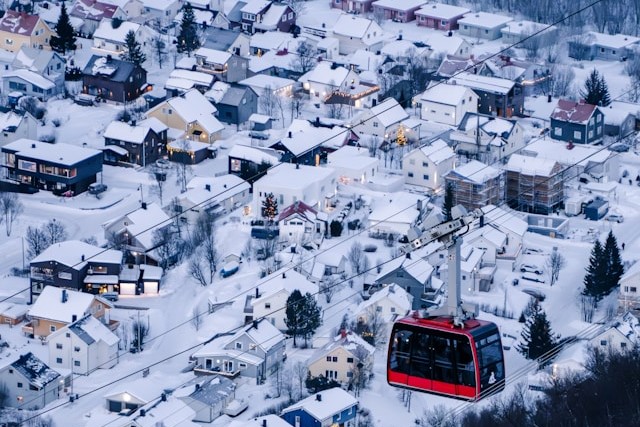
Fjellheisen Cable Car
The Fjellheisen Cable Car whisks visitors from Tromsdalen to Mount Storsteinen, at 421 meters above sea level, in just four minutes. Opened in 1961 , it was originally built to attract tourism, but quickly became a favorite escape for locals as well. From the top, sweeping views of Tromso, the fjords, and snowcapped mountains stretch endlessly, transforming with the light of the midnight sun in summer and the northern lights in winter. A café at the summit offers warmth and waffles, while trails lead deeper into the mountains for longer adventures. A curious detail is that the cable car’s pylons were constructed by Norwegian Army engineers, emphasizing its importance even in harsh conditions. Standing on the viewing platform, one feels the thrilling contrast between human engineering and the raw, untamed wilderness below.
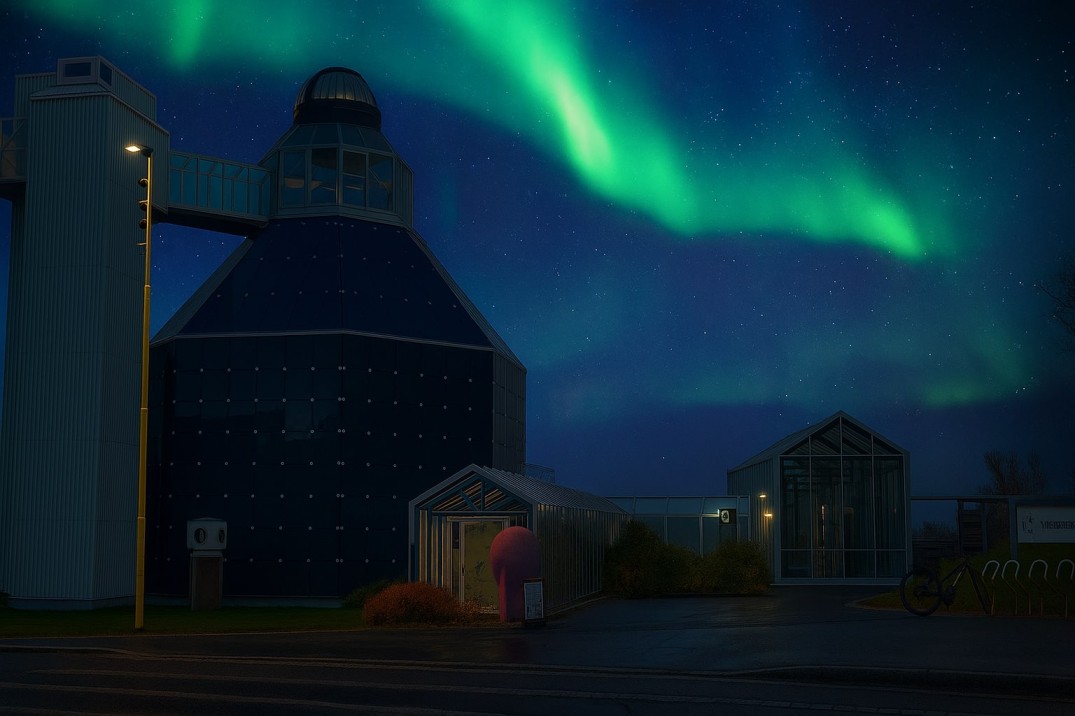
Northern Lights Observatory
The Northern Lights Observatory at Tromso has been a beacon for scientific research since its founding in 1928 . Situated on Mount Haldde, it provided some of the earliest systematic studies of the aurora borealis , contributing vital knowledge to space weather science. Today, Tromso continues to serve as a hub for international researchers who monitor solar activity and its effects on Earth. Visitors learn how geomagnetic storms shape the dazzling curtains of light that dance across Arctic skies. A remarkable detail is that the observatory’s remote location once required researchers to endure long, harsh winters in isolation, gathering data by hand. Their dedication transformed northern Norway into one of the most important sites for auroral studies. Standing near its legacy, one realizes that the beauty of the lights is matched only by the persistence of those who sought to understand them.
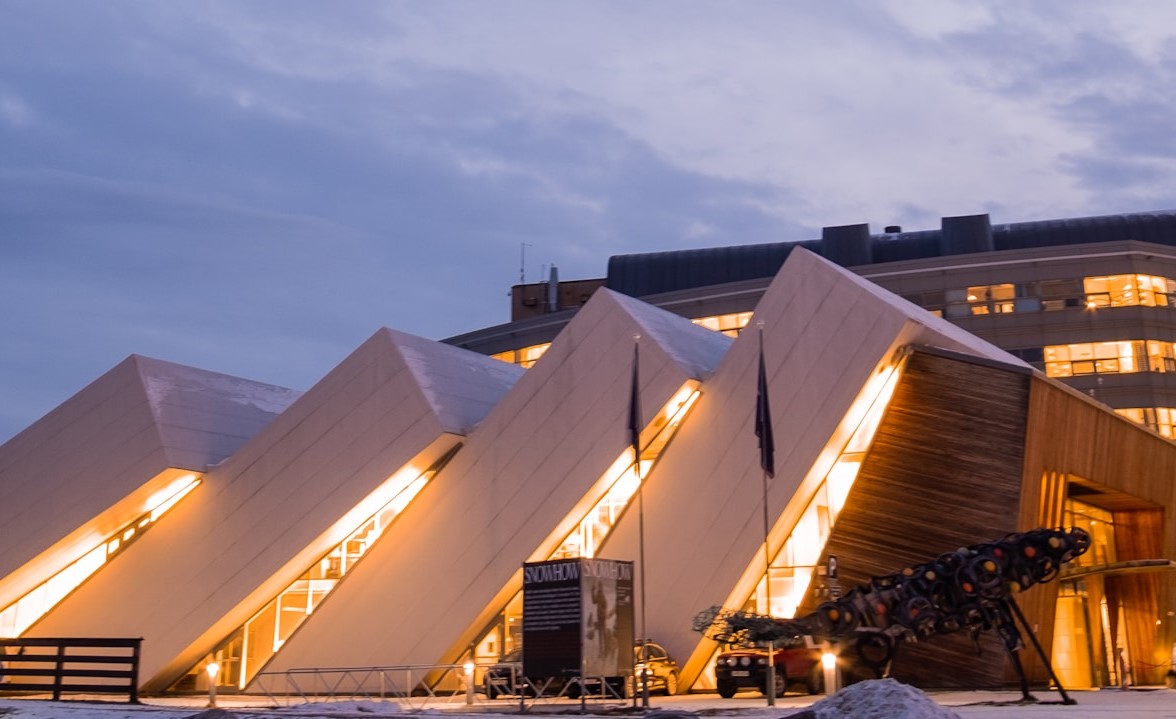
Polaria
Polaria is a science center and aquarium designed in 1998 to resemble collapsing ice floes pushed ashore by the Arctic sea. Inside, visitors encounter bearded seals swimming gracefully in a pool that doubles as a research facility, where scientists study their behavior and communication. Exhibits highlight the fragile ecosystem of the Barents Sea, with immersive panoramic films about Svalbard , polar bears, and melting glaciers. Children and adults alike enjoy touching Arctic species in the open tanks, gaining a tactile understanding of this extreme environment. One striking fact is that Polaria was purposefully built at latitude 69 degrees north , making it the world’s most northerly aquarium. Beyond its educational mission, it also challenges visitors to confront the realities of climate change through vivid experiences. Walking through Polaria feels like stepping into the threshold between science and wonder, where every tank tells a story of survival in the polar world.

Tromso Bridge
The Tromso Bridge stretches elegantly across the strait, connecting the mainland to Tromsoya island since 1960 . At 1,036 meters long, it was one of Norway’s earliest cantilever bridges, symbolizing modern engineering triumphs in the Arctic. For decades, it has served as the city’s lifeline, carrying cars, buses, and pedestrians over icy waters. From the bridge, views of the Arctic Cathedral, harbor, and surrounding peaks create a constantly shifting panorama. One intriguing fact is that when it opened, the bridge replaced a busy ferry service and transformed daily life by linking communities more seamlessly than ever before. In winter, snow-covered railings sparkle under streetlights, while in summer, the midnight sun bathes it in golden light. More than infrastructure, it is a symbol of connection—between land and island, past and present, and people determined to thrive in an Arctic capital.
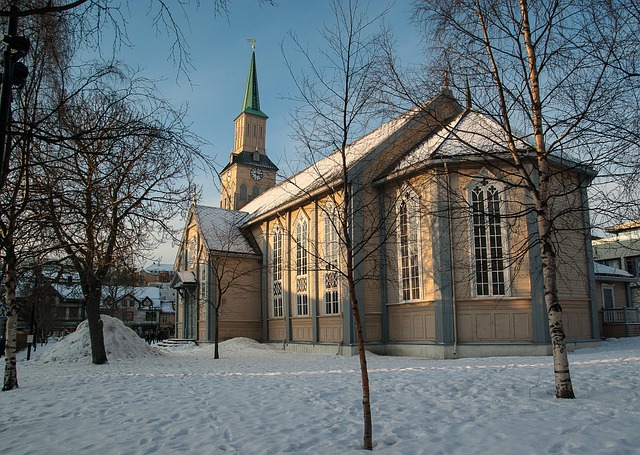
Tromso Domkirke
Tromso Domkirke stands at the heart of the city as the world’s northernmost Protestant cathedral, consecrated in 1861 . Designed by Christian Heinrich Grosch , it is uniquely built entirely of wood, a rare choice for a building of such scale in Arctic conditions. Its elegant neo-Gothic spire rises above Tromso’s streets, while inside, colorful stained-glass windows cast a warm glow even during the long polar night. The cathedral can hold over 600 worshippers , making it not only a spiritual center but also a gathering place for the community. Remarkably, the organ, installed in the 19th century , is still used for concerts that draw both locals and international musicians. Tromso Domkirke has survived fires, storms, and wartime occupation, remaining a constant symbol of resilience. Visitors who step inside often remark on the contrast between the cathedral’s modest wooden construction and the deep sense of permanence it conveys in such a shifting Arctic landscape.
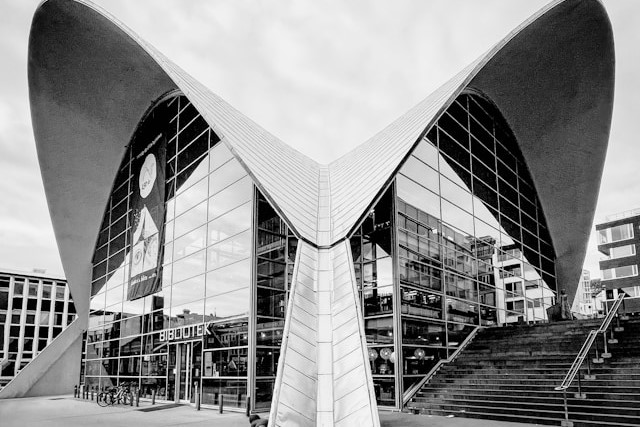
Tromso Public Library
The Tromso Public Library, completed in 2005 , is a striking example of sustainable Arctic architecture. Designed by Gunnar Birkerts , its glass façade allows natural light to flood the interior, reducing the need for artificial lighting even during the dark polar winter. The library is more than a place for books; it functions as a cultural hub with lectures, concerts, and exhibitions. A fascinating fact is that it was constructed on the site of Tromso’s former cinema, blending layers of community history. With over 200,000 items in its collection and a vibrant children’s section, it serves both as a sanctuary of learning and a social meeting place. Its open design symbolizes accessibility, welcoming everyone from students to elderly residents. Sitting by the wide windows, visitors often glimpse the aurora dancing above, a reminder that in Tromso even the pursuit of knowledge comes with natural spectacle.
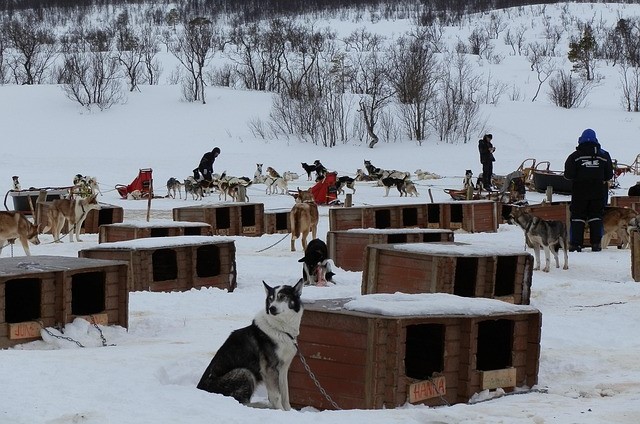
Tromso Wilderness Centre
The Tromso Wilderness Centre immerses visitors in Arctic traditions, offering husky sledding, Sami storytelling, and reindeer encounters. Founded in 1988 by Tove Sorensen , it grew from a small kennel into a cultural and ecological enterprise. Guests meet over 300 Alaskan huskies , many of whom compete in long-distance races like the Finnmarkslopet, Europe’s longest sled dog race. Beyond adventure, the center emphasizes respect for Sami culture, with traditional meals served in lavvu tents under starry skies. A fascinating fact is that some of the dogs here are direct descendants of animals that raced in Iditarod , linking Norway to Alaskan sledding traditions. By blending storytelling, sport, and stewardship of fragile landscapes, the Wilderness Centre ensures that visitors leave with memories that feel both thrilling and profoundly human.