
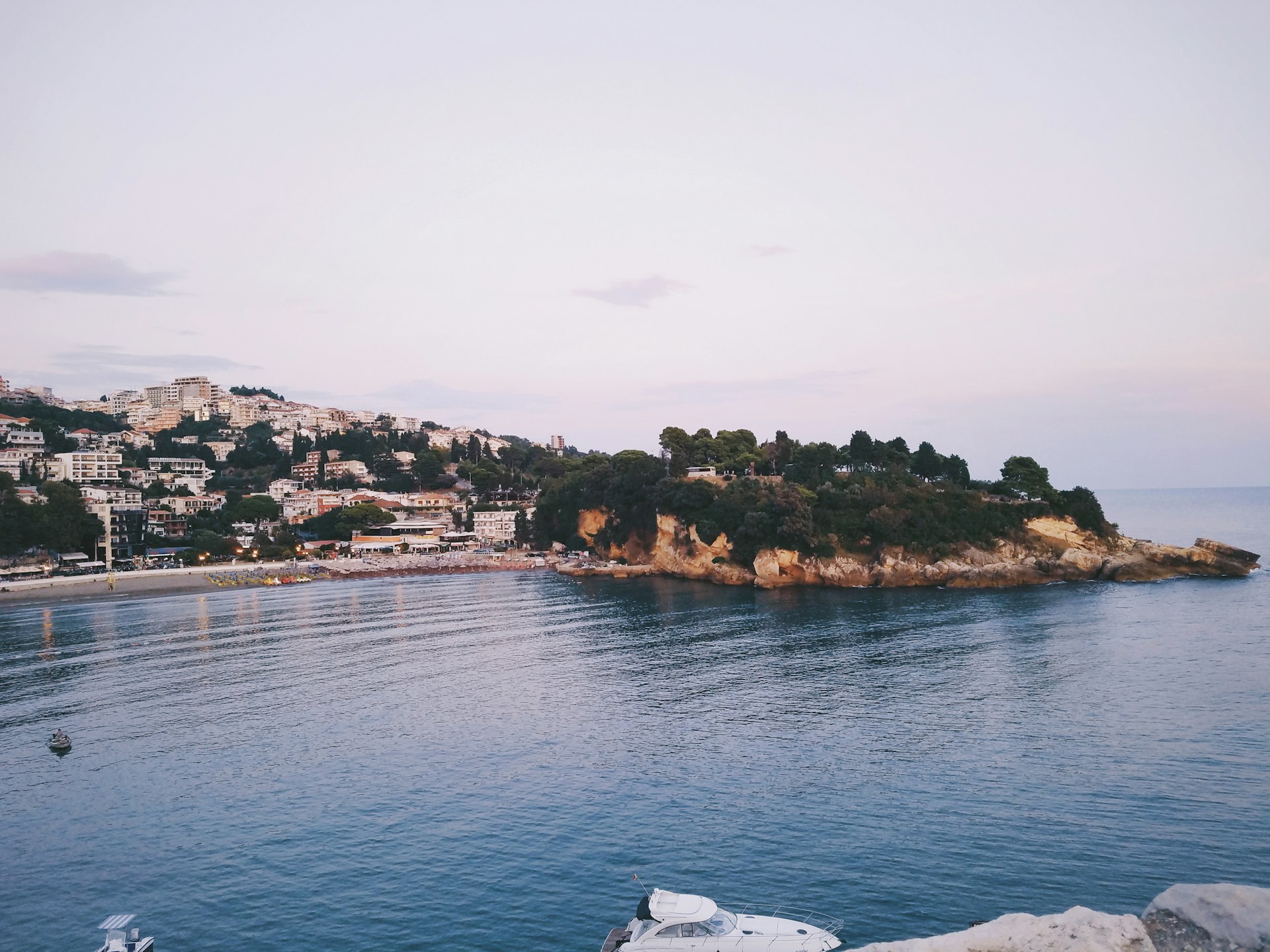
City view of Ulcinj, Montenegro

Ulcinj

Ulcinj is where Montenegro swaps mountain boots for sandals and heads straight for the sea. The city’s old town perches above the Adriatic, its stone walls echoing tales of pirates and poets. Ulcinj’s legendary Long Beach is the country’s sandy playground, while the old bazaar thrums with spices and laughter. Dine on the freshest fish as gulls wheel overhead and don’t miss a sunset at Ada Bojana, where the river meets the waves in a swirl of color. Olive groves and ancient stone towers hint at centuries of mingled cultures and bold explorers. Every visit to Ulcinj is a passport to adventure, laughter, and a new favorite memory. The city’s summer festivals are unforgettable, blending music and joy by the sea.

Top attractions & things to do in Ulcinj

If you’re searching for the best things to do in Ulcinj, this guide brings together the top attractions and must-see places to visit in Ulcinj. The top picks below highlight the most visited sights for first-time visitors, plus a few local favorites worth adding.

Ada Bojana Island in Ulcinj, Montenegro

Ada Bojana Island

Ada Bojana, a triangular island formed at the mouth of the Bojana River, is one of Montenegro’s most unique escapes. Created by a legendary shipwreck in the 19th century, Ada Bojana is bordered by both river and sea, with pristine sandy beaches stretching for three kilometers. The island is famed for its open-air seafood restaurants built on stilts above the water, where fishermen deliver their catch straight from the nets. Ada Bojana’s winds make it a world-renowned haven for kite surfing and other water sports. The island’s untamed beauty and relaxed spirit have inspired artists, writers, and free spirits since the days of Yugoslavia. A naturist resort at the tip of the island draws guests from across Europe. Sunsets here, painting the delta in gold and violet, feel truly otherworldly. Even the local pelicans seem to linger for one last glimpse. With every evening, the river’s gentle flow whispers stories of adventures waiting to unfold.
Ads place
Ads place
Ads place
Ads place
Ads place
Long Beach (Velika Plaza) in Ulcinj, Montenegro

Long Beach (Velika Plaza)

Stretching a dazzling 13 kilometers, Long Beach is the pride of Ulcinj and the longest sandy beach on the Adriatic. Its fine black volcanic sand is said to have healing properties, attracting visitors for generations. The beach is framed by fragrant pine forests and popular with kite surfers from around the world, especially during the annual Southern Soul Festival. Ancient olive groves and salt pans line the northern end, where migrating flamingos can sometimes be spotted. Legends abound of secret pirate hideouts buried beneath the dunes, a nod to Ulcinj’s notorious past. Beachfront cafes serve strong Turkish coffee, blending local tradition with the cosmopolitan vibe. On windy afternoons, sails and kites fill the horizon, transforming the seascape into a moving canvas. Evenings bring magical sunsets and bonfires, making every visit to Long Beach a celebration of Montenegro’s coastal spirit. Families, couples, and solo travelers alike find their own slice of paradise along these endless sands.
Ads place
Ads place
Ads place
Ads place
Ads place
Sailor's Mosque in Ulcinj, Montenegro

Sailor's Mosque

Sailor's Mosque stands proudly above the Ulcinj marina, built in XIV century as a gift from grateful seafarers who survived a devastating storm. Its distinctive white minaret is visible from miles away and serves as a beacon for fishermen returning home. Legend has it that Barbary corsairs once gathered here to offer thanks before setting sail. The mosque’s unique architecture combines Ottoman and Mediterranean elements, while the terrace offers panoramic views across the bay. Inside, calligraphy inscriptions date back centuries, celebrating the long bond between Ulcinj and the sea. Today, Sailor’s Mosque remains a center for community prayer, hosting special services during Eid and the start of the fishing season. The echoes of ancient chants and salty breezes create a timeless sense of place, connecting visitors to a rich tapestry of faith and adventure. During religious festivals, locals decorate the mosque with colorful lanterns, giving the whole neighborhood a festive glow.
Ads place
Ads place
Ads place
Ads place
Ads place
Ulcinj Old Town in Ulcinj, Montenegro

Ulcinj Old Town

Ulcinj Old Town rises dramatically above the Adriatic, its ancient walls echoing the footsteps of Pirates, Ottoman governors, and Venetian traders since the 5th century. Here, narrow stone streets twist past houses built atop fortress ramparts, and the Balsic Tower stands as a reminder of King Balsa II’s rule. The city’s mosque, once a cathedral, reveals a layered religious heritage, and the palace-turned-museum contains manuscripts in over a dozen languages. Local legend claims that Cervantes was held captive here before penning Don Quixote, adding a touch of literary intrigue. Every summer, artists transform the piazzas into vibrant open-air galleries, while restaurants serve fresh seafood and tales of bygone corsairs. As you stand on the terrace at sunset, you can see why poets and adventurers have long been drawn to this living museum of the Adriatic. Even the cats seem to have inherited a bit of pirate spirit, lounging lazily in the shade and watching over the cobbled lanes.
Ads place
Ads place
Ads place
Ads place
Ads place
Valdanos Bay in Ulcinj, Montenegro

Valdanos Bay

Valdanos Bay is a pristine crescent cove framed by one of the Mediterranean’s largest and oldest olive groves, boasting more than 18,000 trees—some over 2,000 years old. Once a haven for pirates and traders, Valdanos served as a strategic naval base in the 20th century. Today, the bay’s pebble beach and crystalline waters attract snorkelers and divers who marvel at hidden caves and underwater arches. In spring, wildflowers blanket the surrounding hills, and the air is scented with sage and thyme. Stories are still told of Venetian ships anchoring here to trade olive oil and salt. The local families who tend the groves trace their roots back for centuries, preserving traditions of harvest and pressing. Every year, the Olive Festival celebrates this living heritage, uniting locals and guests with music, food, and laughter under the ancient branches. The bay’s secluded charm makes it a favorite spot for painters, writers, and anyone seeking peace by the sea.
Ads place
Ads place
Ads place
Ads place
Ads place