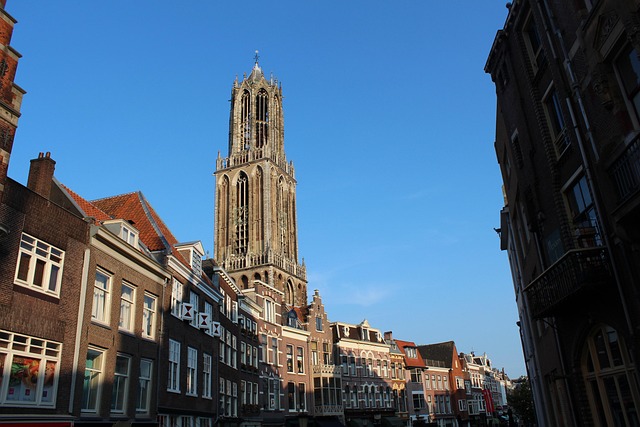
City view of Utrecht, Netherlands

Utrecht

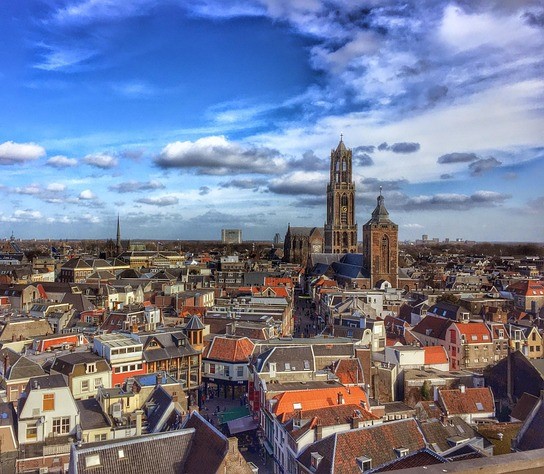
Utrecht is a medieval gem with the energy of a college town and the culinary savvy of a much bigger city. Built around the country’s tallest church tower, Domtoren, Utrecht’s canals are unique—lined with ancient wharf cellars that now host lively bars and jazz clubs. Cyclists rule the streets, students keep the atmosphere fresh, and the historic center feels just secretive enough to reward wanderers. Café terraces spill onto every corner, and the aroma of fresh stroopwafels tempts you with every step. Take a detour to the Railway Museum, or just spend an afternoon people-watching from a hidden courtyard. Utrecht is unpretentious, buzzing, and always has another surprise up its sleeve—just don’t be surprised if you find yourself falling in love at first canal. The city’s iconic Dom Tower stands at 112 meters and offers unbeatable city views for those who brave the climb.

Top attractions & things to do in Utrecht

If you’re searching for the best things to do in Utrecht, this guide brings together the top attractions and must-see places to visit in Utrecht. The top picks below highlight the most visited sights for first-time visitors, plus a few local favorites worth adding.

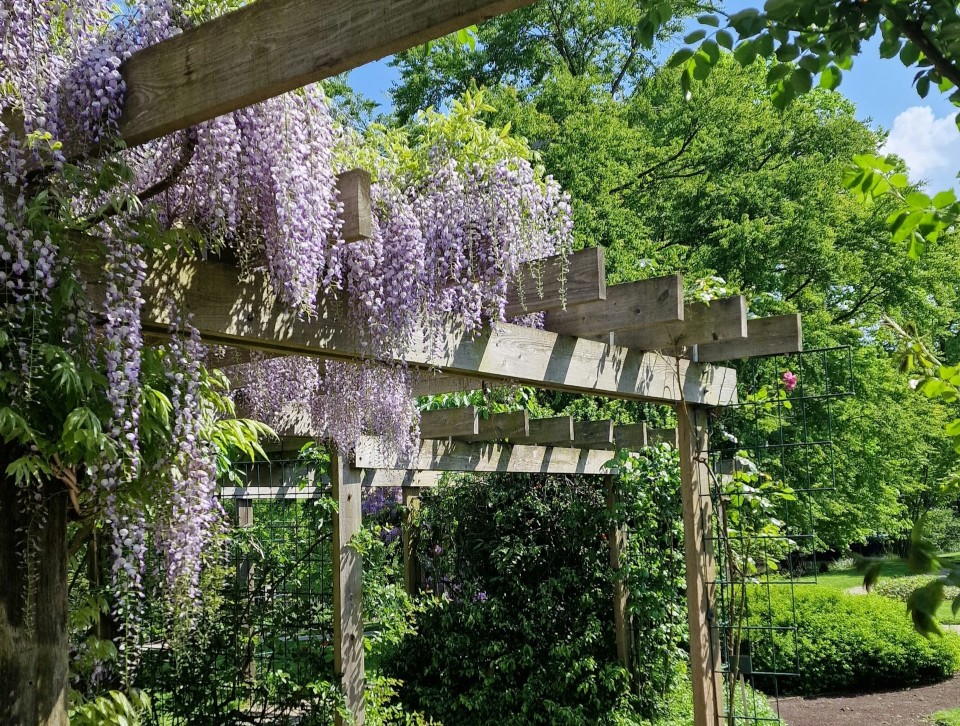
Botanical Gardens in Utrecht, Netherlands

Botanical Gardens

Founded by Utrecht University in 1639, the Botanical Gardens are among the oldest in the Netherlands and a haven for plant lovers. The gardens boast rare exotic species, Victorian glasshouses, and a famed rock garden that bursts into color each spring. Trails lead visitors past water lilies, medicinal herbs, and endangered orchids saved by generations of botanists. The Butterfly Greenhouse is a favorite with families, while secret benches invite moments of quiet reflection. Research projects here have discovered new species and contributed to conservation worldwide. Every summer, open-air concerts turn the gardens into a living stage, with the scent of jasmine lingering in the air. In autumn, fiery maples and golden ginkgo trees paint a breathtaking scene. Set on Fort Hoofddijk at the Science Park, the gardens also wrap around old fortress walls—botany and military history sharing the same sunlit paths. Taxonomy roots here reach back to the 17th century, while plantings matured across the 19th century to complement the Victorian houses built after 1639.
Ads place
Ads place
Ads place
Ads place
Ads place
Dom Tower in Utrecht, Netherlands

Dom Tower

Soaring above the city since 1382, the Dom Tower remains the proud guardian of Utrecht's skyline. Built as part of the mighty Cathedral of St. Martin, it stands 112 meters high—the tallest church tower in the Netherlands. Inside, 465 steps lead visitors past ancient bells, panoramic city views, and a carillon with a songbook centuries deep. The tower survived a devastating 1674 storm that split the cathedral in two, leaving its silhouette forever changed. In summer, its bells ring for the city's music festivals, while at Christmas, candlelit tours reveal graffiti etched by generations of climbers. Rumor says the Dom's shadow stretches across history, and the views from the top can make anyone believe in magic. Step outside and notice how Domplein's paving traces the footprint of the lost nave—an open-air outline that turns absence into memory. Its fabric reads as assured Gothic craft from the 14th century, completed in 1382 and still setting Utrecht's time and tone.
Ads place
Ads place
Ads place
Ads place
Ads place
DOMunder in Utrecht, Netherlands

DOMunder

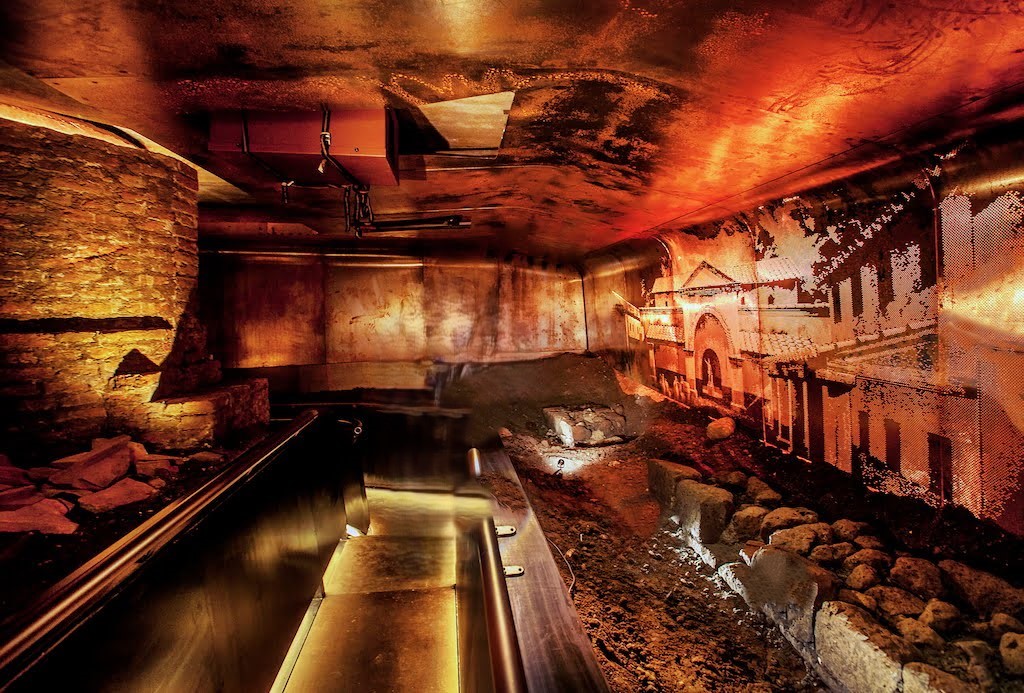
Beneath the bustling square, DOMunder invites adventurers on a subterranean journey through 2,000 years of Utrecht's history. Armed with a torch, visitors explore Roman ruins, medieval cellars, and remnants of the St. Martin's Cathedral lost in the 1674 storm. Interactive displays and archaeologists' tales bring the city's past to life. Every artifact uncovered here reveals a new chapter—Viking raids, market fires, and secret passages included. DOMunder's blend of discovery and drama captures the imagination of all ages. Legend has it, some guides have found coins dating to the very first centuries of Utrecht, hidden deep in the earth. Standing under Domplein, you're exactly on the line where temple, fortress, church, and city center kept rotating through the centuries—history layered like the soil itself. The route stitches together 2,000 years of layers, from Roman Empire foundations and strata of the Middle Ages to the great 1674 collapse, with finds dated to the early 1st century.
Ads place
Ads place
Ads place
Ads place
Ads place
Fort Rijnauwen in Utrecht, Netherlands

Fort Rijnauwen

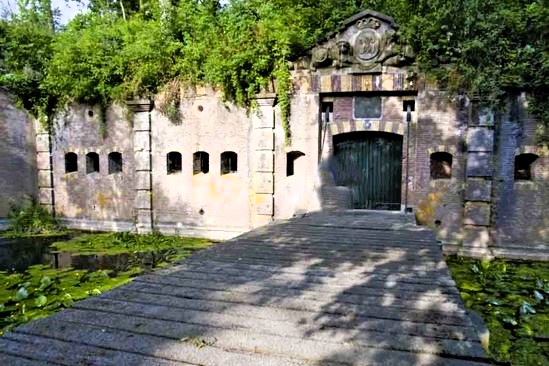
Just outside the city, Fort Rijnauwen is the largest fortress in the Dutch New Waterline, completed in 1869 as a defense against invading armies. Its moats, thick earthen ramparts, and hidden tunnels now shelter rare bats and wildflowers. Guided tours unravel the secrets of military engineering, lost battles, and ghostly legends that still haunt the fort's stone halls. The sprawling grounds are a paradise for hikers and birdwatchers, with kingfishers and herons spotted along quiet waterways. During summer, open-air theater and historical reenactments bring the past to life. In autumn, the fortress is transformed by a sea of wild mushrooms and golden leaves. Fort Rijnauwen is both a living history lesson and a sanctuary for nature lovers. Completed in 1869 as part of the New Dutch Waterline, this 19th century stronghold now contributes to the wider Dutch Water Defence Lines, inscribed as a UNESCO World Heritage Site. Today, limited access protects its sensitive habitats, so guided walks balance heritage with conservation.
Ads place
Ads place
Ads place
Ads place
Ads place
Kasteel de Haar in Utrecht, Netherlands

Kasteel de Haar

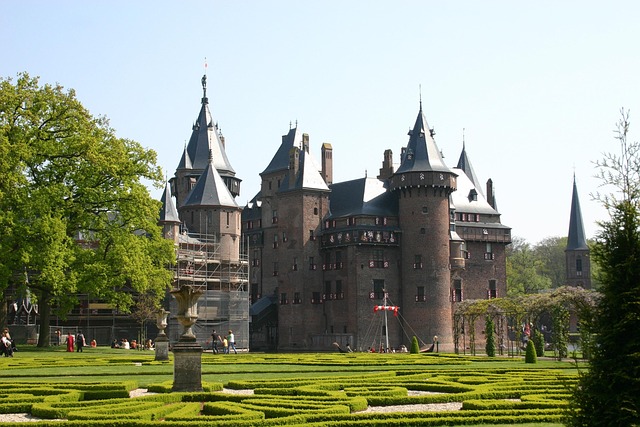
Resplendent in the countryside just west of Utrecht, Kasteel de Haar is the largest castle in the Netherlands, reconstructed in dazzling neo-Gothic style in the late 19th century. Designed by Pierre Cuypers, the architect behind Amsterdam's Rijksmuseum, the castle's towers, drawbridges, and fairytale turrets transport visitors to another era. The lavish interior, filled with antique tapestries and glittering chandeliers, once hosted Hollywood celebrities and European royalty. The surrounding parklands are a tapestry of rose gardens, moats, and ancient oaks, perfect for wandering in any season. Legend has it the castle's cellars hide secret passageways used by noble guests. Seasonal festivals and exhibitions bring Kasteel de Haar's history to life, while peacocks strut across the lawns. It's an architectural marvel and a romantic escape into Dutch aristocratic fantasy. Reimagined in the late 19th century in confident Neo-Gothic, the ensemble showcases Pierre Cuypers at scale and remains a proud Rijksmonument.
Ads place
Ads place
Ads place
Ads place
Ads place
Oudegracht Canal in Utrecht, Netherlands

Oudegracht Canal

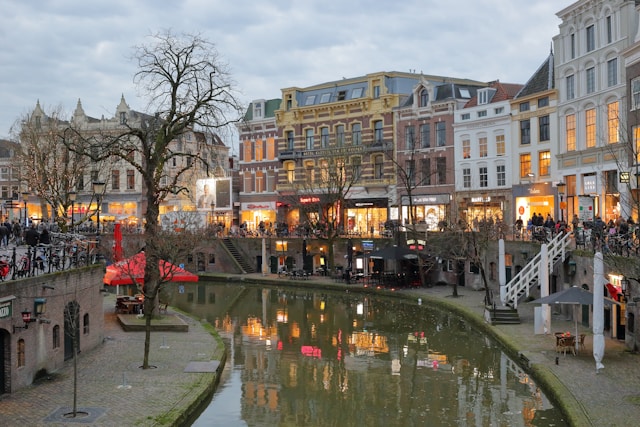
Winding through Utrecht's heart, the Oudegracht canal is a living testament to the city's Roman origins and trading legacy. Its unique wharf cellars—once bustling with merchants—are now home to cozy cafes, vintage shops, and jazz bars. The canal's famous double-decker structure allows for waterside strolls above, and secret tunnels below. Bridges dating back to the 14th century create picture-perfect scenes, especially when lit by lanterns at dusk. Boat tours share tales of floods, fires, and the unbreakable spirit of Utrecht's people. Each spring, the canal bursts into color with thousands of tulips blooming along the banks. Look for the term "werfkelders"—these ground-level cellars are unique to Utrecht, turning a working medieval waterfront into today's most atmospheric cafe strip. Many vaults trace their fabric to the 13th century, while the plan itself belongs to the Middle Ages, echoing a waterfront born of Roman Empire trade and refined in the 14th century.
Ads place
Ads place
Ads place
Ads place
Ads place
Railway Museum (Spoorwegmuseum) in Utrecht, Netherlands

Railway Museum (Spoorwegmuseum)

Housed in the city's former Maliebaan Station, the Railway Museum is a paradise for curious minds and train lovers of all ages. The collection includes steam locomotives, royal carriages from the 19th century, and immersive exhibitions that whisk visitors back to the golden age of travel. The museum's highlight is a spectacular theatrical ride through time, revealing the secrets of Dutch railway engineering. Outside, children climb on vintage engines and explore miniature worlds. Special events turn the museum into a bustling station, complete with whistle-blowing conductors and storytelling. In winter, a festive ice rink appears beneath twinkling lights, drawing families from across the city. The Railway Museum offers both nostalgia and adventure at every turn. Don't miss the functioning turntable and Techlab, where kids tinker with signals and switches—little hands-on moments that bring big machines down to human scale. Maliebaan Station opened in 1874, while the museum itself was founded in 1927, preserving a national collection into the 20th century.
Ads place
Ads place
Ads place
Ads place
Ads place
Rietveld Schroder House in Utrecht, Netherlands

Rietveld Schroder House

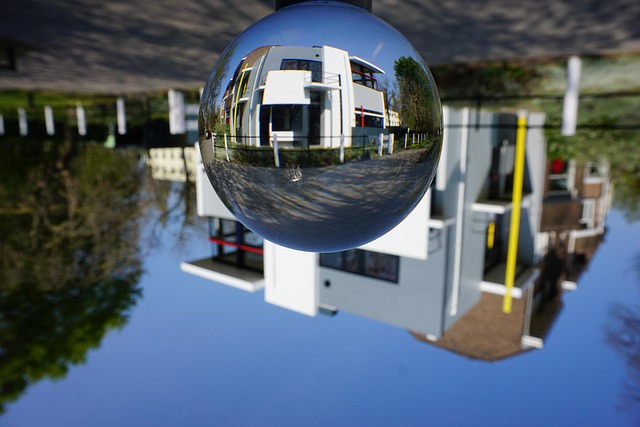
Created in 1924 by architect Gerrit Rietveld and visionary client Truus Schroder-Schrader, the Rietveld Schroder House is a modernist icon and UNESCO World Heritage Site. This bold home's sliding walls, primary colors, and geometric lines brought De Stijl ideals to life. Guided tours reveal how every detail serves both function and creativity—from hidden beds to panoramic windows. Despite its radical design, the house feels warm and intimate, a testament to the friendship between architect and client. Architecture students flock here for inspiration, while design lovers marvel at how the space still feels futuristic. The garden blooms with wildflowers chosen by Truus herself. Visiting the house is like stepping inside a three-dimensional Mondrian painting. Its inscription as a UNESCO World Heritage Site in 2000 confirms the influence of Gerrit Rietveld and Truus Schroder-Schrader since 1924. Original furniture and prototypes illustrate how Rietveld translated De Stijl theory into daily life.
Ads place
Ads place
Ads place
Ads place
Ads place
Stationsplein Oost in Utrecht, Netherlands

Stationsplein Oost

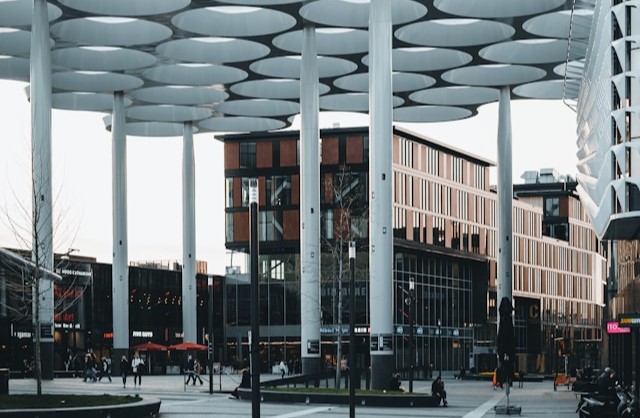
Pulsing with energy at the heart of Utrecht's transportation network, Stationsplein Oost is more than just a square—it's the city's futuristic front door. Redesigned in the 2010s, this vibrant plaza connects Utrecht Centraal Station, the busiest railway hub in the Netherlands, with the sleek Hoog Catharijne shopping center. Its sweeping roof canopy, adorned with geometric glass panels, is a contemporary icon and a haven for commuters in any weather. Every day, over 200,000 travelers cross Stationsplein Oost, pausing for street food, art installations, and pop-up performances. In winter, festive markets set the scene for warm memories, while summer brings open-air concerts and endless people-watching across a plaza scaled to 21st century commuting. Nearby sits one of the world's largest bicycle parking facilities—thousands of bikes moving through with the grace of a well-rehearsed ballet. The canopy's grid became a post-2016 marker for the city's 21st century identity, aligning architecture and mobility.
Ads place
Ads place
Ads place
Ads place
Ads place
Utrecht University in Utrecht, Netherlands

Utrecht University

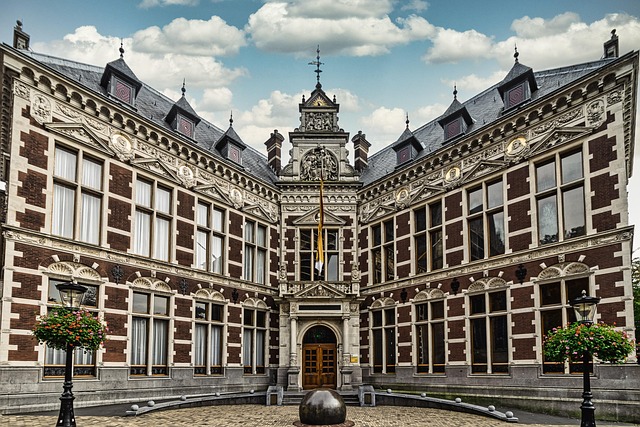
Founded in 1636, Utrecht University is one of the oldest and most prestigious institutions in the Netherlands, celebrated for groundbreaking research and a vibrant international community. Its main Academiegebouw is nestled beside the historic Dom Tower, echoing with centuries of academic debate and Nobel-winning discoveries. The university's botanical gardens, established in the 17th century, are a living lab for plant science and relaxation alike. Alumni include physicist Willem Hendrik Keesom and pioneering virologist Albert Kapikian. Every year, thousands of students flock to the lively Uithof campus, where bold modern architecture contrasts with Utrecht's medieval heart. The university hosts a celebrated Science Park and regular public lectures that turn the city into an open classroom. Keep an eye out for the Educatorium by OMA—proof that even the lecture hall can be a piece of contemporary design. Founded in 1636, the institution still anchors the city's intellect while collaborating with Rem Koolhaas–era ideas about campus life.
Ads place
Ads place
Ads place
Ads place
Ads place